
Louisiade Archipelago, Papua New Guinea: Best Seclusion, Sailing & Unspoiled Coral Kingdoms (2026)
While crowds flock to Fiji’s marinas and the Great Barrier Reef’s day-trip boats, the Louisiade Archipelago delivers a castaway fantasy without a single high-rise in sight. Scattered across 2,000 square kilometers of the Solomon Sea, this constellation of 100 volcanic islands and coral atolls sees fewer than 500 international visitors a year. Here, your arrival is signaled by the gentle thud of a dugout canoe against your yacht’s hull, not a tour bus door, and the only schedule is set by the tide and the trade winds.
Why Louisiade Archipelago, Papua New Guinea Stands Out

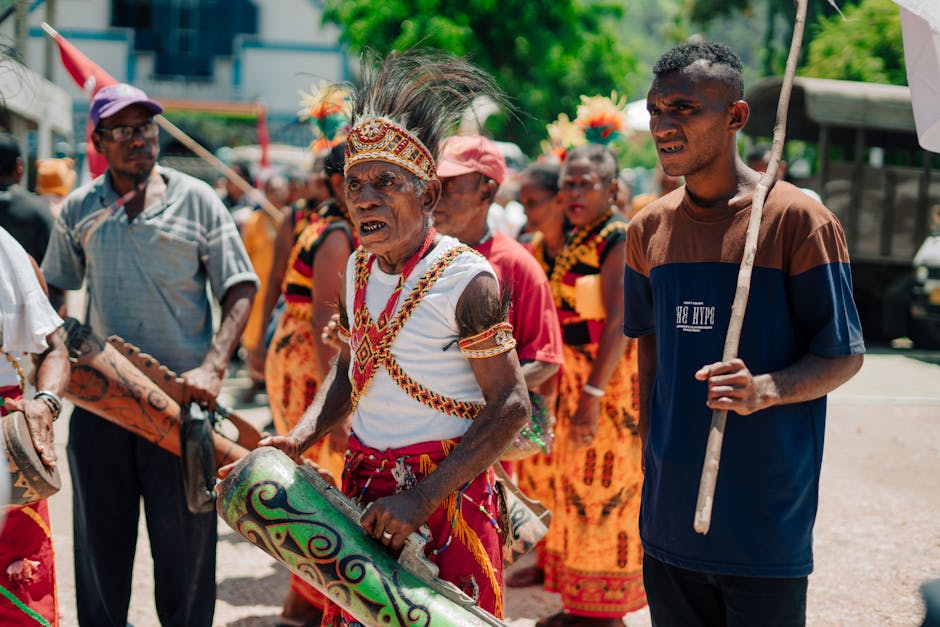
A senior woman stands smiling amidst vibrant traditional Papua New Guinean …, Louisiade Archipelago, Papua New Guinea
- Historic Architecture: The WWII-era wrecks, like the Japanese freighter at Deboyne Lagoon, are haunting underwater monuments to the pivotal Battle of the Coral Sea in 1942.
- Cultural Scene: The annual Canoe Kenu Festival on Misima Island is a vibrant spectacle of traditional sailing, where elaborately decorated outriggers race across the lagoon.
- Local Specialties: You must try a mumu, a feast where chicken, pork, and root vegetables are slow-cooked with island herbs in a pit of hot stones, creating uniquely smoky, tender flavors.
Pro Tip: Your best bet is to visit during the southeast trade wind season, from May to October. The seas are calmer for sailing, the humidity is lower, and you’ll avoid the heavier northwest monsoon rains from December to March. For the ultimate experience, time your trip with the Canoe Festival, usually held in July or August—check with local tour operators for exact dates.
Map of Louisiade Archipelago, Papua New Guinea
Use these interactive maps to explore Louisiade Archipelago, Papua New Guinea and plan your route:
📍 View Louisiade Archipelago, Papua New Guinea on OpenStreetMap
🗺️ Open Louisiade Archipelago, Papua New Guinea in Google Maps
Planning Your Trip: Practical Essentials
Getting There and Around
- By Air: The main gateway is via Port Moresby (POM). From there, Air Niugini and PNG Air operate flights to Misima Island (MIS), the administrative center, several times a week (approx. 2-hour flight). Book flights at Skyscanner for best deals.
- By Train: No train services exist in Papua New Guinea or to the islands.
- By Car: Road travel is limited to Misima Island, where you can arrange a 4WD vehicle through your guesthouse for exploring the interior gold mining tracks. Compare car rentals at RentalCars.com for options in Port Moresby if starting there.
- Local Transport: Transport between islands is exclusively by boat. The most common and adventurous way is via local banana boats (open motorized canoes), but schedules are informal. For a seamless experience, savvy travelers book a multi-day liveaboard sailing or diving yacht expedition from Alotau or directly in the archipelago.
Best Time to Visit
The archipelago has a tropical climate. The key distinction is between the drier, calmer southeast trade winds and the wetter, potentially stormier northwest monsoon.
| Season | Weather | Highlights |
|---|---|---|
| Dry Season (May–Oct) | 25-30°C (77-86°F), lower humidity, calm seas, southeast trade winds. | Ideal for sailing, diving, and island-hopping. Peak season for liveaboards. Best visibility underwater (30m+). |
| Wet Season (Dec–Mar) | 28-32°C (82-90°F), high humidity, heavy rainfall, possible rough seas. | Lush green landscapes, fewer visitors. Sailing can be challenging. This is the low season for tourism. |
| Shoulder (Apr & Nov) | Transitional weather; periods of calm and rain as winds shift. | Potential for good deals on charters as operators transition between seasons. Weather can be unpredictable but often pleasant. |
Budgeting for Louisiade Archipelago, Papua New Guinea
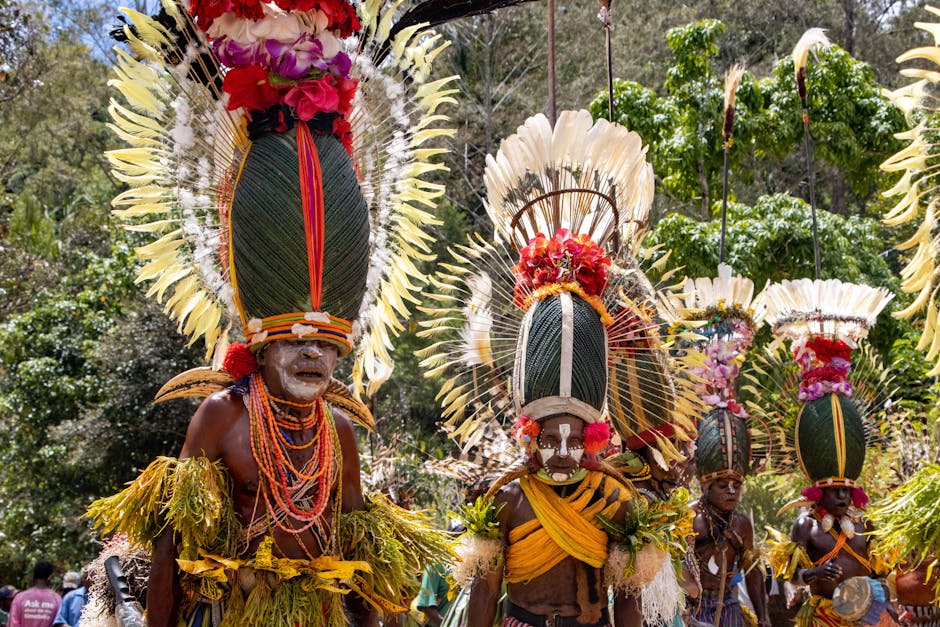
Colorful tribal dancers in traditional attire at a cultural festival in Pap…, Louisiade Archipelago, Papua New Guinea
| Category | Budget | Mid-range | Luxury |
|---|---|---|---|
| Accommodation | Basic guesthouse on Misima: PGK 150-250/night ($40-70 USD) | Liveaboard yacht (shared cabin): From $250 USD/person/night | Private yacht charter: From $1,500 USD/day for the whole boat |
| Meals | Local market & guesthouse meals: PGK 30-50 ($8-14 USD) | Meals included on liveaboard or at island resorts | Private chef on charter yacht; gourmet provisions |
| Transport | Local banana boat between islands: PGK 50-100 ($14-28 USD) | Shared transfers on pre-arranged tours | Private speedboat transfers and tender service |
| Activities | Village donation (PGK 20-50), hiking, snorkeling from shore | Guided diving ($80-100/dive), fishing charters | Private dive guides, exclusive island picnics, helicopter tours |
| Daily Total | $70-120 USD | $300-500 USD | $800+ USD |
Top Attractions and Must-See Sights
| Attraction | Description | Hours | Entry Fee |
|---|---|---|---|
| Tagula Island (Sudest) Reefs | PNG’s largest island in the group, fringed by some of the planet’s most pristine and biodiverse coral walls. | Daylight hours | Free, but arrange a local guide/boat (approx. PGK 200) |
| Deboyne Lagoon Wrecks | Explore the ghostly remains of Japanese seaplanes and a freighter from the Battle of the Coral Sea, now thriving artificial reefs. | Daylight hours, best at slack tide | Typically part of dive charter packages |
| Panaeati Island & the “Laughing Isles” | Experience legendary Melanesian hospitality in villages known for their woodcarving and warm welcomes. | Visit during daylight; arrange ahead | Village donation expected (PGK 20-50 per person) |
| Conflict Islands (Panasesa) | A private atoll with a research station and stunning snorkeling right off the beach in an incredible marine protected area. | Access by prior arrangement or yacht | Conservation fee approx. $50 USD if visiting independently |
3-Day Itinerary: Louisiade Archipelago, Papua New Guinea’s Highlights & Hidden Gems
Note: This itinerary assumes you are based on a liveaboard yacht or have chartered a local boat, as this is the only practical way to see multiple islands in a short time.
Day 1: Misima’s Shores & History
- Morning (7-9 AM): After arriving on Misima, take a 4WD tour to the old gold mining areas at Bwagaoia. The remnants tell the story of the island’s 20th-century boom. Your best bet is to arrange this through your guesthouse for about PGK 100 per person.
- Afternoon (12-3 PM): Enjoy a simple lunch of fresh fish and rice at a local cookhouse. Then, visit the Misima Market to see local produce and crafts before a short boat trip to Narian Island for your first snorkel in the clear lagoon.
- Evening (6-8 PM): Return to Misima for a mumu feast prepared by a local family (arranged in advance). Enjoy the smoky flavors as the sun sets over the harbor.
Day 2: Sailing the Coral Sea
- Morning (7 AM): Set sail early from Misima towards the Calvados Chain. Anchor at Bagaman Island (approx. 4-hour sail). The sight of its perfect crescent beach and leaning palms is straight from a postcard.
- Afternoon (1 PM): Go ashore with gifts for the village chief (think rice, sugar, or fishing tackle—not cash). After a welcome, snorkel the fringing reef, renowned for its giant clams and friendly reef sharks.
- Evening (6 PM): Dine on board under a spectacular canopy of stars, with the only sounds being the lap of water and distant singing from the village.
Day 3: Diving into History
- Morning (8 AM): Sail to Deboyne Lagoon (approx. 2 hours). Even if you’re not a diver, the crystal-clear water often allows you to see the outlines of the WWII wrecks from the surface.
- Afternoon (12 PM): After a dive or snorkel session, sail to Panaeati Island. Enjoy a lunch of freshly caught lobster (if available) and witness the intricate process of outrigger canoe building.
- Evening (5 PM): Your final evening calls for a “sundowner” anchor at a secluded sand cay. Toast to an unforgettable adventure as the sky erupts in color, a fitting end to a journey through one of the Pacific’s last true frontiers.
Cultural Insights & Etiquette
- Language: The lingua franca is Tok Pisin. Key phrases: “Gude” (Hello), “Tenkyu” (Thank you), “Mi laik go long…” (I want to go to…). English is understood in administrative centers like Misima but not in remote villages.
- Customs: Always seek permission from the village chief (the “bigman”) before entering a village or taking photographs. It is profoundly disrespectful to refuse a simple gift of food or betel nut if offered.
- Tipping: Not a common practice in villages. For boat crew or guides on charters, a collective tip of 5-10% of the charter cost is a generous and appreciated gesture at the journey’s end.
- Dress Code: Modesty is crucial ashore. Women should wear skirts or sarongs below the knee, and men should avoid walking around shirtless in villages. Swimwear is only for the beach or boat.
- Business Hours: Government offices on Misima operate roughly 8 AM to 4 PM, Monday to Friday. In villages, life follows the sun. Major holidays like Independence Day (September 16) can see offices closed and travel delayed.
Where to Eat: Louisiade Archipelago, Papua New Guinea’s Best Bites
Dining here is less about restaurants and more about experience. Most sustenance comes from your yacht’s galley, local guesthouses, or village hospitality. The cuisine is simple, fresh, and centered on the sea and garden.
Must-Try Local Specialties
- Mumu: The definitive feast. Chicken, pork, sweet potato, taro, and greens are wrapped in banana leaves and cooked for hours in a stone-lined pit. The best versions are those shared in a village.
- Kokoda: PNG’s answer to ceviche. Fresh reef fish (often Spanish mackerel) is “cooked” in lime juice and coconut cream, infused with chili and local herbs. A refreshing lunch staple on boats.
- Sago Pancakes: A staple from the sago palm, often served as a simple, slightly gelatinous pancake for breakfast at guesthouses, sometimes with a drizzle of wild honey.
Restaurant Recommendations by Budget
| Type | Restaurant | Specialty | Price Range |
|---|---|---|---|
| Budget | Misima Market & Local Cookhouses (Misima Island) | Fresh fish plates with rice, stir-fried greens | PGK 15-30 ($4-8 USD) |
| Mid-range | Guesthouse Meals (e.g., at lodges on Misima or Nimoa) | Set-menu dinners featuring local catch and produce | PGK 50-80 ($14-22 USD) per meal |
| Fine dining | Your Yacht’s Galley (Private Charter) | Chef-prepared international cuisine with local seafood, served on deck | Included in charter cost ($2000+ USD/day) |
Where to Stay
Accommodation falls into two categories: basic island guesthouses and liveaboard vessels. The latter is overwhelmingly recommended for comfort and access. Compare prices and book at Booking.com for some guesthouses, but specialized tour operators are essential for yacht bookings.
Best Neighborhoods for Accommodation
- Misima Island (Bwagaoia): The administrative hub. Pros: flights, basic supplies, guesthouses like the Misima Island Lodge. Cons: less “remote” feeling, limited tourist infrastructure. Suits travelers on a tight budget or starting/ending a trip.
- Aboard a Liveaboard Yacht: Your floating hotel. Pros: unparalleled access to remote islands, comfort, meals included, built-in transport. Cons: Significant cost, requires advance booking. Suits divers, sailors, and those seeking a comprehensive, comfortable adventure.
- Remote Island Guesthouses (e.g., on Panaeati or Nimoa): For ultimate immersion. Pros: deep cultural connection, true escape. Cons: very basic amenities (bucket showers, limited power), difficult to arrange. Suits the most intrepid and flexible adventurers.

Portrait of a Papua tribesman wearing traditional costume under clear blue sky., Louisiade Archipelago, Papua New Guinea
FAQs: Your Louisiade Archipelago, Papua New Guinea Questions Answered
1. Is Louisiade Archipelago, Papua New Guinea safe at night?
In villages and on anchored yachts, the Louisiades are generally very safe. Petty crime is extremely rare in these close-knit communities. Standard precautions apply: don’t leave valuables unattended on beaches. The main safety concerns are environmental: strong currents when diving/snorkeling, and ensuring your boat transport is seaworthy. Always travel with a reputable operator.
2. What currency is used and are credit cards accepted?
The currency is the Papua New Guinea Kina (PGK). You must carry ample cash in small denominations. Credit cards are useless outside of possibly the main lodge on Misima. ATMs are only found in Port Moresby and Alotau. Plan your cash needs for the entire trip before flying to the islands.
3. How do I get from the airport to the city center?
On Misima, the “airport” is a simple airstrip. Your pre-arranged guesthouse or tour operator will meet you with a vehicle for the short drive to Bwagaoia (approx. 10 mins, often included). There are no taxis. For yacht-based trips, a crew member will typically meet your flight and transfer you directly to the vessel. Book comprehensive tours at GetYourGuide for operators that handle these logistics.</
Explore More Destinations
- Jozani, Tanzania on a Budget: an Ancient Forest for $35/Day (2026)
- Nsumbu, Zambia on a Budget: Wild Africa for $40/Day (2026)
- Semporna, Malaysia on a Budget: Paradise for $35/Day (2026)
- Khuzestan, Iran on a Budget: Ancient Empires for $30/Day (2026)
- Ngerulmud, Palau on a Budget: Island Majesty for $45/Day (2026)
Ready to Visit Louisiade Archipelago?
Start planning your trip today. Compare hotels, find the best tours, and get insider tips.
Your adventure in Louisiade Archipelago starts here →
{“@context”: “https://schema.org”, “@type”: “FAQPage”, “mainEntity”: [{“@type”: “Question”, “name”: “What is the best time to visit Louisiade Archipelago?”, “acceptedAnswer”: {“@type”: “Answer”, “text”: “The best time to visit Louisiade Archipelago depends on your preferences. Generally, the dry season offers the most pleasant weather for sightseeing and outdoor activities.”}}, {“@type”: “Question”, “name”: “How many days do I need in Louisiade Archipelago?”, “acceptedAnswer”: {“@type”: “Answer”, “text”: “Most travelers spend 3-5 days in Louisiade Archipelago to see the main attractions. A week allows for a more relaxed pace and day trips.”}}, {“@type”: “Question”, “name”: “Is Louisiade Archipelago expensive to visit?”, “acceptedAnswer”: {“@type”: “Answer”, “text”: “Louisiade Archipelago can be visited on various budgets. Accommodation ranges from hostels to luxury hotels, and local restaurants offer affordable dining.”}}]}
Related Guides
Explore more destinations similar to Louisiade Archipelago:

