
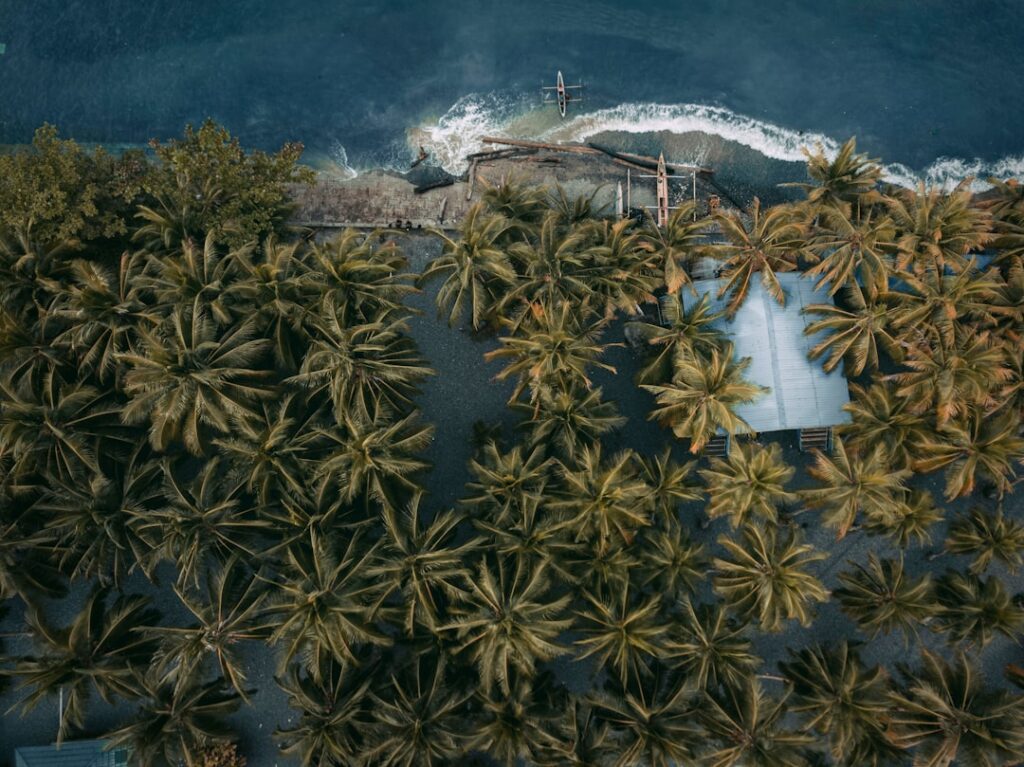
D’Entrecasteaux Islands, Papua New Guinea: Stunning Untamed Volcanic Landscapes, Ancient Kula Trade & Unfiltered Melanesian Culture (2026)
Ask locals about the D’Entrecasteaux Islands, and they’ll tell you about the earth’s heartbeat you can feel through your feet on Goodenough Island’s hot springs, or the 40-foot-long ceremonial canoes carved from a single tree on Fergusson. Most guidebooks miss this archipelago completely, focusing instead on mainland PNG’s Highlands. Here, you won’t find a single traffic light, but you will find a living, breathing cultural landscape where the ancient Kula Ring exchange system still dictates social bonds and where volcanic peaks plunge directly into coral-rich seas.
Why D’Entrecasteaux Islands, Papua New Guinea Stands Out

Person wearing blue red and yellow knit cap, D’Entrecasteaux Islands, Papua New Guinea
- Historic Architecture: The traditional pole-and-thatch yam houses of Dobu Island, designed with symbolic carvings to protect sacred gardens, represent a living architectural tradition dating back centuries.
- Cultural Scene: Witness the elaborate preparations and ceremonies of the Kula Ring, a complex system of shell-valuable exchange that connects island communities in a cycle of ritual, travel, and prestige.
- Local Specialties: You must try mumu, a feast of pork, sweet potato, and greens slow-cooked with hot stones in a pit oven, often prepared for significant community gatherings.
Pro Tip: The absolute best time to visit is during the drier southeast trade wind season, from May to October. Not only are the seas calmer for inter-island travel by local boat, but this period also sees clearer skies for hiking the volcanoes and a higher likelihood of witnessing community festivals and Kula voyages being planned and launched.
Map of D’Entrecasteaux Islands, Papua New Guinea
Use these interactive maps to explore D’Entrecasteaux Islands, Papua New Guinea and plan your route:
📍 View D’Entrecasteaux Islands, Papua New Guinea on OpenStreetMap
🗺️ Open D’Entrecasteaux Islands, Papua New Guinea in Google Maps
Planning Your Trip: Practical Essentials
Getting There and Around
- By Air: The main gateway is Gurney Airport (GUR) on the mainland near Alotau. From there, you must take a charter flight with Airlines PNG or a similar regional carrier to a grass airstrip on Fergusson (e.g., Salamo) or Goodenough Island. Book flights at Skyscanner for best deals, but be prepared for schedule changes.
- By Train: There are no railway systems in the islands or connecting them to the mainland.
- By Car: There are no car rental agencies. Transport on the islands is by 4WD vehicle along rough logging tracks, arranged through your guesthouse or guide, or by boat along the coast.
- Local Transport: Your primary mode of transport will be motorized banana boats or outrigger canoes between islands and coastal villages. These are not scheduled services; you arrange them locally with boat owners for approximately 200-500 PGK per trip, depending on distance and fuel.
Best Time to Visit
Your experience in the D’Entrecasteaux Islands is profoundly shaped by the seasons. The dry season offers practical travel advantages, while the wet season brings lush landscapes but challenging logistics.
| Season | Weather | Highlights |
|---|---|---|
| Dry Season (May–Oct) | Warm, 24-30°C (75-86°F), lower humidity, less rain, calmer seas. | Ideal for hiking, boat travel, and village visits; best overall travel conditions; Kula expeditions are active. |
| Wet Season (Nov–Apr) | Hot, 26-32°C (79-90°F), very high humidity, daily heavy rainfall, rough seas. | Lush, vibrant greenery; fewer visitors; cultural life turns inward; travel can be disrupted by weather. |
| Shoulder (April, October) | Transitional; mix of sun and rain, seas beginning to calm or become rougher. | Potential for good weather with fewer travelers; a good time for photographers seeking dramatic skies. |
Budgeting for D’Entrecasteaux Islands, Papua New Guinea

Green trees on island surrounded by sea under blue and white cloudy sky dur…, D’Entrecasteaux Islands, Papua New Guinea
| Category | Budget | Mid-range | Luxury |
|---|---|---|---|
| Accommodation | 100-150 PGK/night (basic village guesthouse) | 200-400 PGK/night (mission station or better guesthouse) | 500+ PGK/night (exclusive eco-lodge, all-inclusive) |
| Meals | 30-50 PGK (local market food, guesthouse meals) | 50-80 PGK (arranged meals with your guide) | 100+ PGK (specially prepared feasts like mumu) |
| Transport | 150-300 PGK/day (shared boat charters) | 400-600 PGK/day (private boat for a group) | 800+ PGK/day (private boat & charter flights) |
| Activities | Free (village walks, swimming) | 50-100 PGK (guide fees, cultural contributions) | 200+ PGK (specialized guided hikes, cultural performances) |
| Daily Total | 280-500 PGK (~$75-135 USD) | 700-1180 PGK (~$190-320 USD) | 1600+ PGK (~$430+ USD) |
Top Attractions and Must-See Sights
| Attraction | Description | Hours | Entry Fee |
|---|---|---|---|
| Mount Vineuo Hot Springs (Goodenough Island) | Soak in naturally heated pools on a volcanic mountainside with stunning coastal views, a sacred site for locals. | Daylight hours | 10-20 PGK community fee |
| Dobu Island & the Kula Ring | Visit the historical heartland of the famous Kula trading network and see master canoe builders at work. | Village visits by arrangement | 50 PGK+ cultural gift/contribution |
| Sanaroa Island Dive Sites | Explore pristine coral reefs, drop-offs, and WWII wrecks in some of PNG’s most untouched marine environments. | Dive trips arranged from Fergusson | ~400-600 PGK per dive |
| Fergusson Island Waterfalls | Hike through dense rainforest to discover powerful cascades like the ones near Deidei village. | Daylight hours, guide essential | ~50 PGK guide fee |
3-Day Itinerary: D’Entrecasteaux Islands, Papua New Guinea’s Highlights & Hidden Gems
Day 1: Arrival & Fergusson Island Immersion
- Morning (7-9 AM): After an early charter flight into Salamo airstrip, settle into your guesthouse (like the basic but friendly Salamo Guesthouse, ~150 PGK/night). Take a short walk to the waterfront to watch the daily rhythm of canoe traffic and fish being brought in.
- Afternoon (12-3 PM): Arrange a local boat (~250 PGK) for the 45-minute trip to Deidei village. Hike with a local guide (50 PGK) through lush forest to a stunning waterfall for a swim. Enjoy a packed lunch of fresh fruit and fish provided by your guesthouse.
- Evening (6-8 PM): Share a simple dinner of rice, fried fish, and kaukau (sweet potato) at the guesthouse. As night falls, listen to stories from your host about the history of the Kula Ring, which originates from these very islands.
Day 2: The Kula Heartland of Dobu
- Morning (7 AM): Depart early by motorized canoe (~300 PGK one-way) for the 1.5-hour crossing to Dobu Island. The journey itself is spectacular, passing small islets and active volcanoes. Upon arrival at the main village, present a small gift of betel nut or tobacco to the village chief as a sign of respect.
- Afternoon (12-3 PM): After a lunch of taro and greens hosted by a family, explore the village. See the intricately carved yam houses and, if you’re fortunate, watch craftsmen repairing a ceremonial Kula canoe (mwala). A contribution of 50-100 PGK to the village council is appropriate.
- Evening (6 PM): Return to Salamo on Fergusson. For dinner, your guesthouse can prepare a classic local dish: chicken or fish cooked in coconut milk with island spinach.
Day 3: Volcanic Wonders of Goodenough Island
- Morning (7 AM): Charter a boat for the longer journey (~2 hours, 500 PGK) to the eastern side of Goodenough Island. Disembark at a coastal village and begin a 2-hour guided hike (100 PGK) up the slopes of the dormant volcano to the Mount Vineuo hot springs.
- Afternoon (12-3 PM): Soak in the therapeutic, naturally heated pools with breathtaking views over the Ward Hunt Strait. Enjoy a picnic lunch here. Savvy travelers know to bring sturdy sandals for the rocky path and a towel.
- Evening (5 PM): Return by boat to Salamo. For your final evening, if it’s a Saturday, you might hear the vibrant sounds of *string band* music—a local genre of guitar music—drifting from a nearby village, a perfect cultural send-off.
Cultural Insights & Etiquette
- Language: Tok Pisin is the lingua franca. Key phrases: “Gude” (Hello), “Tenkyu” (Thank you), “Mi laik go long…” (I want to go to…). Many older people speak their local language (e.g., Dobu, Bwaidoka).
- Customs: Always ask permission before taking photos of people. The concept of *bride price* and complex gift exchanges are central to social structure. Avoid pointing with your finger; use your lips or chin to gesture.
- Tipping: Not a standard practice. Instead, show appreciation through a fair payment for services (guides, boat hires) and small gifts to communities (school supplies, rice, or a shared monetary contribution to the village).
- Dress Code: Modesty is crucial. Women should wear skirts or dresses below the knee; men should avoid walking around shirtless in villages. When swimming near villages, wear more covering swimwear like a t-shirt and shorts.
- Business Hours: There are no formal business hours. Everything operates on “island time” and is arranged through personal connections. The small trade stores in villages might be open sporadically.
Where to Eat: D’Entrecasteaux Islands, Papua New Guinea’s Best Bites
Forget restaurants with menus. Dining here is about community and sharing. You’ll eat what’s fresh, local, and prepared by your guesthouse or a village family. Meals are hearty, based on garden produce and the day’s catch, and are a genuine window into daily life.
Must-Try Local Specialties
- Mumu: The ultimate feast. Pork, chicken, root vegetables (kaukau, taro, yam), and greens are layered with banana leaves over hot stones in a pit and covered with earth to steam for hours. It’s a social event, not just a meal.
- Fish in Coconut Cream: Fresh reef fish (like sweetlip or trevally) simmered in rich, freshly squeezed coconut milk with a touch of onion and local greens. Simple, fresh, and delicious.
- Sago Pancakes: Made from the pith of the sago palm, these are a staple carbohydrate. They have a gelatinous, neutral taste and are often served with fish or greens.
Restaurant Recommendations by Budget
| Type | Restaurant | Specialty | Price Range |
|---|---|---|---|
| Budget | Your Guesthouse Kitchen (Salamo, Fergusson) | Daily set meals of rice, fish, and local vegetables | 30-50 PGK per meal |
| Mid-range | Village Feast (Arranged through guide) | A specially prepared mumu or larger spread for visitors | 80-150 PGK per person |
| Fine dining | Papua New Guinea does not have “fine dining” here. The luxury is in the experience—a privately arranged beach barbecue with fresh lobster, organized by an upscale eco-lodge. | Seafood barbecue | 200+ PGK per person |
Where to Stay
Accommodation ranges from very basic village guesthouses—often a room in a family’s home—to a couple of established eco-lodges. Booking ahead is essential, not through websites, but via email or phone contact. Most places are full-board, as there are no independent restaurants. Compare basic listings at Booking.com for mainland hubs, but for the islands themselves, direct contact is key.
Best Neighborhoods for Accommodation
- Salamo Area (Fergusson Island): The main “hub,” with the airstrip, a wharf, and a few guesthouses. It’s the most practical base for arranging boat transport and exploring. It suits independent travelers needing a logistical center.
- Coastal Villages (Goodenough or Dobu Islands): Staying in a village guesthouse offers deep cultural immersion. You’ll live with a family, eat with them, and participate in daily life. It’s ideal for culturally curious travelers comfortable with very basic amenities.
- Eco-Lodge (Fergusson Island): Places like the more comfortable lodges near Bwailahina offer private bungalows, solar power, and organized tours. This suits travelers wanting more comfort and structured activities while still experiencing the remote environment.

Three men in traditional tribal costumes with face paint., D’Entrecasteaux Islands, Papua New Guinea
FAQs: Your D’Entrecasteaux Islands, Papua New Guinea Questions Answered
1. Is D’Entrecasteaux Islands, Papua New Guinea safe at night?
General personal safety from crime is very high in these remote islands. The primary risks are environmental: uneven paths, marine hazards, or getting lost. Always use a guide for hikes and travel between islands with experienced boat operators. In villages, respect local customs to ensure a positive and safe social experience. Always inform your guesthouse of your plans.
2. What currency is used and are credit cards accepted?
The currency is the Papua New Guinea Kina (PGK). You must bring all the cash you will need for your entire stay, in small denominations (5, 10, 20, 50 kina notes). There are no ATMs, banks, or credit card facilities in the islands. Exchange currency on the mainland in Alotau or Port Moresby before you fly in.
3. How do I get from the airport to the city center?
You’ll arrive at a grass airstrip (e.g., Salamo). Your pre-arranged guesthouse or guide will meet you there. There are
Explore More Destinations
- Jozani, Tanzania on a Budget: an Ancient Forest for $35/Day (2026)
- Nsumbu, Zambia on a Budget: Wild Africa for $40/Day (2026)
- Semporna, Malaysia on a Budget: Paradise for $35/Day (2026)
- Khuzestan, Iran on a Budget: Ancient Empires for $30/Day (2026)
- Ngerulmud, Palau on a Budget: Island Majesty for $45/Day (2026)
Ready to Visit D’Entrecasteaux Islands?
Start planning your trip today. Compare hotels, find the best tours, and get insider tips.
Your adventure in D’Entrecasteaux Islands starts here →
Related Guides
Explore more destinations similar to D’Entrecasteaux Islands:
- New Delhi, India’s Best Mughal Grandeur, Spice-Laden Alleys & Timeless Bazaars (2026)
- Moquegua, Peru’s Best Pisco, Pre-Columbian Ruins & Panoramic Desert Vistas (2026)
- Rocha, Uruguay’s Best Wild Beaches, Gaucho Culture & Star-Filled Skies (2026)
- Kalibo, Philippines’s Best Festivals, Food & Gateway to Paradise (2026)

