
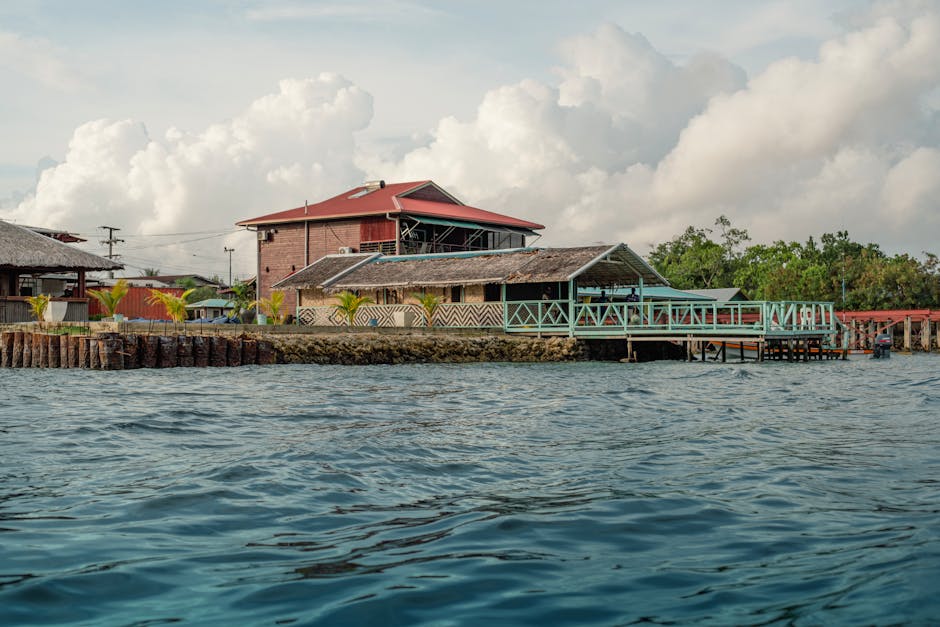
Buka Island, Papua New Guinea: Best Untamed Coastlines, WWII History & Living Culture (2026)
While crowds flock to the well-trodden paths of Rabaul for its volcanoes, Buka Island delivers an authentic, raw encounter with the soul of Bougainville without the tourist infrastructure. Here, the main “attraction” is simply being present—watching outrigger canoes glide across the Buka Passage at dawn, hearing stories of the war and the peace directly from village elders, and discovering a resilience and cultural pride that’s palpable in every handshake and shared betel nut. This is frontier travel at its most genuine.
Why Buka Island, Papua New Guinea Stands Out

A senior woman stands smiling amidst vibrant traditional Papua New Guinean …, Buka Island, Papua New Guinea
- Historic Architecture: The haunting, vine-covered ruins of the WWII-era Japanese Tonolei Harbor Base, built in 1942, offer a silent, poignant testament to the island’s strategic wartime significance.
- Cultural Scene: Witness the powerful, rhythmic performances of the Buka Bamboo Band, where musicians create complex symphonies using only bamboo pipes of varying lengths—a tradition born from ingenuity.
- Local Specialties: You must try a mumu, a celebratory feast where pork, sweet potato, and greens are slow-cooked with hot stones in an earth oven, infusing an unforgettable smoky, earthy flavor.
Pro Tip: Plan your visit for the dry season months of June through September. Not only will you avoid the heaviest rains, but this period often sees clearer seas for the vital ferry crossing from the mainland and more community activities. For the ultimate cultural immersion, try to align your trip with a local village festival, which are often scheduled during this drier window—ask at your guesthouse upon arrival.
Map of Buka Island, Papua New Guinea
Use these interactive maps to explore Buka Island, Papua New Guinea and plan your route:
📍 View Buka Island, Papua New Guinea on OpenStreetMap
🗺️ Open Buka Island, Papua New Guinea in Google Maps
Planning Your Trip: Practical Essentials
Getting There and Around
- By Air: Buka Airport (BUA) is served by Air Niugini and PNG Air from Port Moresby (via Rabaul or Kieta). The airport is a short 10-minute drive from Buka Town. Book flights at Skyscanner for best deals, but always confirm directly with the airlines due to frequent schedule changes.
- By Sea: The most common arrival for regional travelers is via the regular passenger ferry from Arawa (on mainland Bougainville) across the Buka Passage. The journey takes about 45 minutes and costs roughly 20 PGK. Schedules are informal; your best bet is to ask at the Arawa market or wharf for the next departure.
- By Car: There are no international car rental agencies. Transport is arranged through local PMV (Public Motor Vehicle) trucks, 4WD hires with a driver, or taxis in Buka Town. For exploring independently, hiring a 4WD with a knowledgeable local driver is essential and can be arranged through guesthouses for around 300-400 PGK per day.
- Local Transport: Within Buka Town, you can walk. To explore the island, PMVs (converted open-back trucks) run set routes from the main market area for a few kina. For specific sightseeing, negotiate a fare with a taxi or, better yet, hire a driver for the day.
Best Time to Visit
Buka Island has a tropical climate year-round, but timing your trip wisely makes a significant difference in comfort and accessibility. The dry season is unequivocally the best window for travel.
| Season | Weather | Highlights |
|---|---|---|
| Dry Season (Jun–Sep) | 24°C – 30°C, lower humidity, minimal rainfall, calmer seas. | Optimal for all activities, reliable ferry crossings, best trekking conditions, and frequent community events. This is peak travel time. |
| Wet Season (Dec–Mar) | 25°C – 32°C, very high humidity, daily heavy downpours, rough seas. | Lush, vibrant greenery. However, travel can be disrupted by flooded roads, canceled ferries, and intense humidity. Fewer visitors. |
| Shoulder (Apr–May/Oct–Nov) | 24°C – 31°C, transitioning weather with sporadic showers. | A good balance with decent weather and smaller crowds. Seas can be choppy during transition months, so check ferry conditions. |
Budgeting for Buka Island, Papua New Guinea

Colorful festival parade featuring participants in traditional attire and h…, Buka Island, Papua New Guinea
| Category | Budget | Mid-range | Luxury |
|---|---|---|---|
| Accommodation | Guesthouse dorm: 80-120 PGK/night | Basic private room with fan: 200-350 PGK/night | Limited true luxury. Best available private lodge: 500+ PGK/night |
| Meals | Market food & simple guesthouse meals: 30-50 PGK | Local restaurant meal: 50-80 PGK | Special arranged feast (mumu): 100-150 PGK |
| Transport | PMV rides: 5-15 PGK | Taxi in town: 10-20 PGK, Day driver hire: 300-400 PGK | Private vehicle & driver for multi-day tour: 500+ PGK/day |
| Activities | Beach visits, village walks (donation expected) | Guided village tour: 50-100 PGK, WWII site guide: 50 PGK | Custom multi-village cultural tour: 200+ PGK/day |
| Daily Total | 150 – 250 PGK | 400 – 700 PGK | 800+ PGK |
Note: 1 USD ≈ 3.8 PGK (Papua New Guinea Kina). Cash is king—bring enough for your entire stay.
Top Attractions and Must-See Sights
| Attraction | Description | Hours | Entry Fee |
|---|---|---|---|
| Hutjena & Lontis Beaches | Pristine black-sand beaches fringed with palms, perfect for swimming and witnessing local fishing canoe traditions. | Daylight hours | Free (Small village donation appreciated) |
| Tonolei Harbor WWII Ruins | Atmospheric remnants of a major Japanese naval base, with overgrown bunkers, tunnels, and anti-aircraft gun emplacements. | Daylight hours | Free (Guide recommended, 50 PGK) |
| Buka Town Market | The vibrant heart of daily life, brimming with fresh tropical produce, betel nut, smoked fish, and local crafts. | 6:00 AM – 4:00 PM | Free |
| Buka Passage Lookout | Stunning panoramic views of the deep, narrow channel separating Buka from Bougainville, a vital and beautiful waterway. | Always accessible | Free |
3-Day Itinerary: Buka Island, Papua New Guinea’s Highlights & Hidden Gems
Day 1: Immersion in Buka Town & Coastal Life
- Morning (7-9 AM): Start early at the **Buka Town Market**. Watch the day begin as vendors set up. Try a simple breakfast of sweet local bananas and a fresh coconut. Your best bet is to just observe and smile—this is a working market, not a tourist show.
- Afternoon (12-3 PM): Hire a taxi (approx. 50 PGK return) to **Hutjena Beach**. Swim in the sheltered waters and watch outrigger canoes return with the catch. For lunch, grab grilled fish and a root vegetable (like kaukau) from a small stall by the beach for about 15 PGK.
- Evening (6-8 PM): Enjoy a simple dinner at your guesthouse or at a local eatery like **Luma Cafe** in town. As dusk falls, take a stroll along the main road by the passage. Locals often gather to chat—a friendly “moning tru” (good evening) is always welcome.
Day 2: History & Cultural Rhythms
- Morning (8 AM): Arrange a 4WD and guide (approx. 400 PGK for half-day) to visit the **Tonolei Harbor WWII Ruins**. A guide is crucial to understand the history and locate the scattered bunkers and tunnels hidden in the jungle. The journey itself through coastal villages is an insight into daily life.
- Afternoon (1 PM): Return to town for lunch at a local “kai bar” (food shop). Then, visit the **Bougainville Tourism Office** near the market. They can help arrange a cultural performance. With luck, you might organize an evening **Buka Bamboo Band** performance (cost varies by group, expect 100-200 PGK as a group contribution).
- Evening (6 PM): If you’ve arranged it, experience the mesmerizing sounds of the bamboo band. If not, ask your guesthouse owner to share stories about “The Crisis” (the Bougainville Civil War) and the path to peace—history here is personal and recent.
Day 3: Village Life & The Buka Passage
- Morning (7 AM): Take a short PMV ride (10 PGK) or taxi to a coastal village like **Lontis**. It’s essential to approach the village chief or elder first, introduce yourself, and offer a small courtesy (5-10 PGK is respectful). With permission, you can walk through the village, see traditional stilthouse architecture, and learn about local customs.
- Afternoon (12 PM): Enjoy a packed lunch back in Buka Town. Then, head to the **Buka Passage Lookout** for spectacular photos. Afterwards, visit the small **Bel Isi Park** (Peace Park), a quiet monument to Bougainville’s peace process.
- Evening (5 PM): For your final evening, see if your guesthouse can prepare a **mumu** feast with a day’s notice. Alternatively, enjoy a farewell dinner at a local favorite like **Hansa Bay Restaurant** for simple, hearty plates of fish and rice. Reflect on the profound sense of place you’ve experienced.
Cultural Insights & Etiquette
- Language: Tok Pisin is the lingua franca. Key phrases: “Moning” (Good morning), “Tenk yu tru” (Thank you very much), “Mi laik baim…” (I would like to buy…). English is understood in town but less so in villages.
- Customs: Always ask permission before taking photos of people. The betel nut chewing habit is ubiquitous—you’ll be offered it as a sign of welcome; a polite “no tenk yu” is fine. Respect for elders is paramount.
- Tipping: Not a formal practice. However, for exceptional service from a guide or driver, a small additional gift of cash (20-50 PGK) or useful items from home (torches, batteries, books) is greatly appreciated.
- Dress Code: Modesty is key. Avoid wearing shorts or revealing clothing in villages. For women, knee-length skirts or loose trousers are best. Men should also avoid going shirtless outside beach areas.
- Business Hours: Shops and markets operate from early morning until mid-afternoon. Government offices keep irregular hours, typically 8 AM to 4 PM. Sunday is a day of rest and church; almost everything closes.
Where to Eat: Buka Island, Papua New Guinea’s Best Bites
Dining on Buka is about substance and sustenance over style. You’ll find few formal restaurants; instead, look for guesthouse meals, simple “kai bars,” and market stalls. The focus is on fresh, local ingredients: fish from the passage, root vegetables (taro, kaukau/sweet potato), greens, and tropical fruit. The communal mumu is the culinary highlight.
Must-Try Local Specialties
- Mumu: The definitive feast. Pork, chicken, or fish is layered with vegetables in a pit with hot stones, covered with banana leaves and earth, and slow-cooked for hours. Arrange one through your guesthouse at least a day in advance.
- Grilled Barramundi: Fresh from the Buka Passage, simply grilled over an open fire and often served with rice or boiled kaukau. Find it at beach stalls or the market.
- Tulip (Fried Dough): A popular, cheap snack sold at markets—deep-fried dough balls, sometimes sweetened. Perfect with a morning coffee.
Restaurant Recommendations by Budget
| Type | Restaurant | Specialty | Price Range |
|---|---|---|---|
| Budget | Buka Market Stalls | Fresh fruit, grilled fish, tulip | 5 – 20 PGK |
| Mid-range | Luma Cafe / Hansa Bay Restaurant (Buka Town) | Solid plates of protein with rice, basic Western breakfasts | 25 – 60 PGK |
| Fine dining | Guesthouse-arranged Mumu Feast | The full traditional earth-oven experience | 100 – 150 PGK per person |
Where to Stay
Accommodation is basic but functional. Most options are guesthouses in or near Buka Town, offering essential amenities like a bed, mosquito net, and shared bathroom. Reliable electricity and running water are not always guaranteed. Bookings are often made via phone or email directly with the property. Compare any listed options at Booking.com, but direct contact is often more reliable here.
Best Neighborhoods for Accommodation
- Buka Town Centre: The most convenient location, close to the market, ferry wharf, and basic services. Perfect for first-time visitors and those relying on PMV transport. It can be noisy during the day.
- Coastal Road towards Hutjena: A few guesthouses are scattered along this road, offering more peace and proximity to beaches. You’ll need to arrange transport or enjoy a longer walk into town.
- Village Homestays: For the deepest cultural immersion, some villages offer basic homestays. These are arranged through local contacts or the tourism office and come with the most authentic experience but the fewest comforts.

Beautiful sunset scene over the ocean with vibrant sky colors, Buka Island, Papua New Guinea
FAQs: Your Buka Island, Papua New Guinea Questions Answered
1. Is Buka Island, Papua New Guinea safe at night?
Buka Town is generally peaceful. However, as in many places, it’s wise to avoid walking alone in unlit areas after dark. Petty crime can occur. Your main safety concern is travel-related: road conditions, sea crossings, and ensuring you have a reputable guide for remote areas. Always inform your guesthouse of your plans.
2. What currency is used and are credit cards accepted?
The currency is the Papua New Guinea Kina (PGK). Cash is absolutely essential. There are a couple of
{“@context”: “https://schema.org”, “@type”: “FAQPage”, “mainEntity”: [{“@type”: “Question”, “name”: “What is the best time to visit Buka Island?”, “acceptedAnswer”: {“@type”: “Answer”, “text”: “The best time to visit Buka Island depends on your preferences. Generally, the dry season offers the most pleasant weather for sightseeing and outdoor activities.”}}, {“@type”: “Question”, “name”: “How many days do I need in Buka Island?”, “acceptedAnswer”: {“@type”: “Answer”, “text”: “Most travelers spend 3-5 days in Buka Island to see the main attractions. A week allows for a more relaxed pace and day trips.”}}, {“@type”: “Question”, “name”: “Is Buka Island expensive to visit?”, “acceptedAnswer”: {“@type”: “Answer”, “text”: “Buka Island can be visited on various budgets. Accommodation ranges from hostels to luxury hotels, and local restaurants offer affordable dining.”}}]}
Related Guides
Explore more destinations similar to Buka Island:
- Primorsky Krai, Russia’s Best Tigers, Taiga & Untamed Coastlines (2026)
- Gatineau Park, Canada’s Essential Wilderness, Waterfalls & Winter Magic (2025)
- Rarotonga’s Muri Lagoon, Cook Islands: Essential Turquoise Waters, Island Culture & Tropical Seclusion (2025)
- Portland, USA’s Essential Craft Beer, Food Carts & Forest Adventures (2025)

