
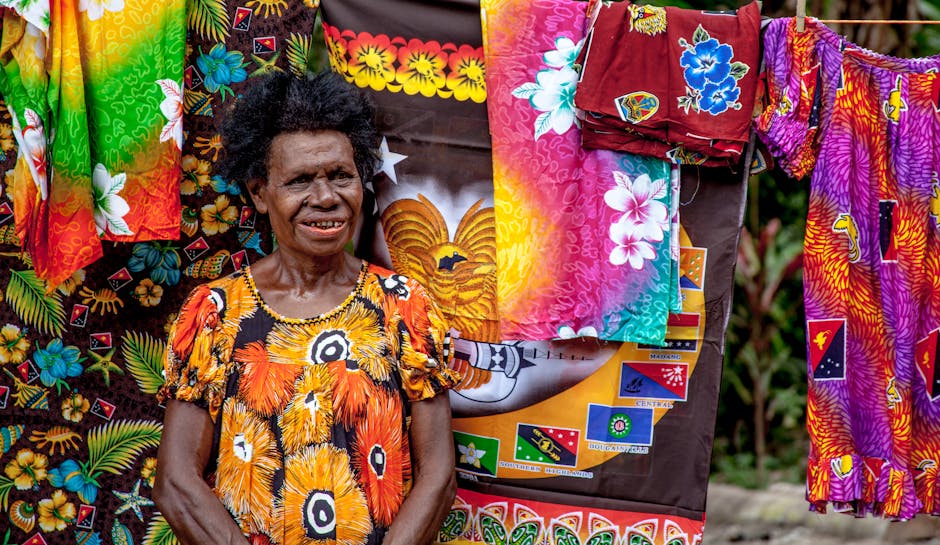
Losuia, Papua New Guinea’s Essential Kula Rings, Coral Atolls & Living Culture (2026)
Ask locals about Losuia, Papua New Guinea, and they’ll tell you about the Kula Ring, a centuries-old ceremonial exchange system connecting 18 island communities across 200 miles of open ocean. Most guidebooks miss this completely, focusing instead on the administrative fact that Losuia is the main government station on Kiriwina Island. The reality is a world where shell armbands and necklaces travel in a clockwise ritual of reputation and alliance, and where your visit becomes a chance to witness a living, breathing economic and social network that predates modern currency by generations.
Why Losuia, Papua New Guinea Stands Out

Colorful festival parade featuring participants in traditional attire and h…, Losuia, Papua New Guinea
- Historic Architecture: The 1950s-era Losuia Hospital, one of the oldest in the Trobriand Islands, stands as a testament to early colonial-era medical infrastructure in a remote location.
- Cultural Scene: The annual Milamala Festival, a month-long celebration of the yam harvest featuring spirited singing, dancing (notably the erotic “yausa”), and elaborate gift exchanges.
- Local Specialties: You must try Mon, a hearty pudding made from grated yams and coconut cream, traditionally baked in banana leaves over hot stones.
Pro Tip: Plan your visit for June or July to coincide with the Milamala Festival. This is when cultural activity peaks, but book your guesthouse months in advance through a local agent, as spontaneous lodging is nearly impossible to find during this period.
Map of Losuia, Papua New Guinea
Use these interactive maps to explore Losuia, Papua New Guinea and plan your route:
📍 View Losuia, Papua New Guinea on OpenStreetMap
🗺️ Open Losuia, Papua New Guinea in Google Maps
Planning Your Trip: Practical Essentials
Getting There and Around
- By Air: You’ll fly into Losuia Airport (ICAO: AYLA) from Port Moresby (POM) via Air Niugini or PNG Air. Flights are infrequent (2-3 times weekly) and subject to change. The airstrip is a short walk from the village. Book flights at Skyscanner for best deals, but always confirm directly with the airline.
- By Train: There are no train services in the Trobriand Islands or to Losuia.
- By Car: There are no car rental agencies. Transport is by foot or via local boat hire for inter-village travel. The “main road” is a coral and dirt track.
- Local Transport: Your feet are your primary transport in Losuia village. To visit other villages or beaches, you’ll need to arrange (and pay for) a motorized canoe or outboard boat with a local guide, which can cost from 100-300 PGK per trip depending on distance.
Best Time to Visit
The best time to visit is during the dry season, which offers more reliable weather for flights and outdoor activities. The cultural calendar, however, is the ultimate guide for many travelers.
| Season | Weather | Highlights |
|---|---|---|
| Dry Season (May–Oct) | Warm, 26-30°C (79-86°F), lower humidity, less rain. | Ideal for beach visits, trekking, and clear skies. Includes the Milamala Festival (Jun/Jul). Peak visitor season. |
| Wet Season (Nov–Apr) | Hot, 28-32°C (82-90°F), high humidity, daily heavy rainstorms. | Lush, green landscapes. Fewer visitors, but flights are more likely to be canceled due to weather. Some cultural activities are less frequent. |
| Shoulder (April/October) | Transitional weather, warm with sporadic showers. | A good balance of decent weather and slightly fewer visitors than peak dry season. A pragmatic choice for flexible travelers. |
Budgeting for Losuia, Papua New Guinea
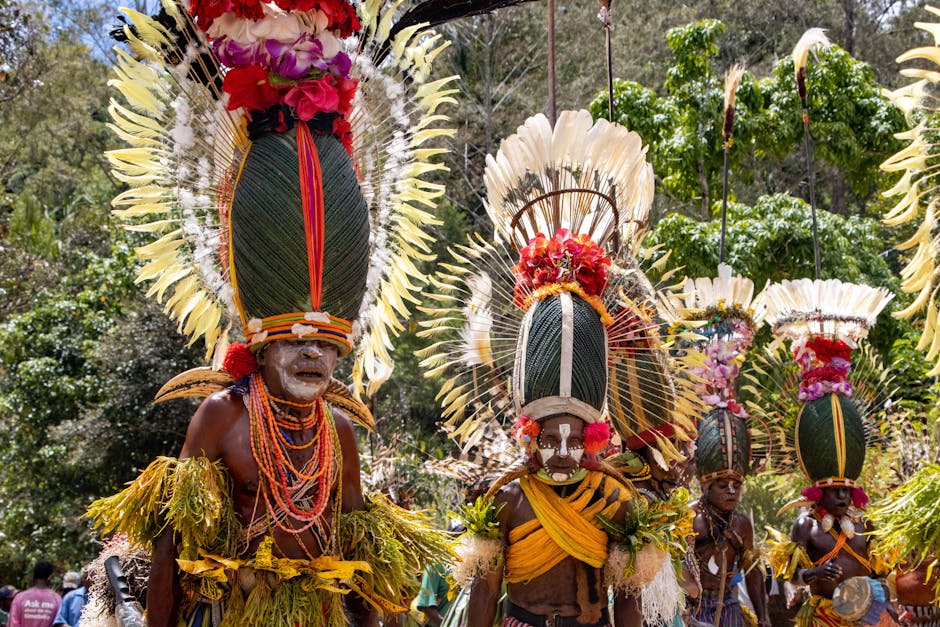
Colorful tribal dancers in traditional attire at a cultural festival in Pap…, Losuia, Papua New Guinea
| Category | Budget | Mid-range | Luxury |
|---|---|---|---|
| Accommodation | 50-80 PGK/night (basic guesthouse) | 100-150 PGK/night (better guesthouse, meals included) | 200+ PGK/night (exclusive village stay arrangement) |
| Meals | 15-25 PGK (market food, simple guesthouse meal) | 30-50 PGK (arranged meal with a family) | 60+ PGK (specially prepared feast for visitors) |
| Transport | Walking (free), local canoe trips (100 PGK+) | Boat trips to nearby islands (200-400 PGK) | Private boat charter for multiple days (1000+ PGK) |
| Activities | Village walking tour (donation), beach visit (free) | Guided cultural tour (50-100 PGK), carving purchase | Custom-organized Kula story session with elders (150+ PGK) |
| Daily Total | 80-150 PGK | 200-350 PGK | 500+ PGK |
Note: 1 USD ≈ 3.8 PGK (Papua New Guinea Kina). Almost everything requires cash.
Top Attractions and Must-See Sights
| Attraction | Description | Hours | Entry Fee |
|---|---|---|---|
| Losuia Village & Yam Houses | Walk through the heart of the community to see elaborately decorated yam storage houses, symbols of wealth and status. | Daylight hours; be respectful. | Free (small gift/donation appreciated) |
| Kaibola Beach | A stunning, long crescent of white sand and turquoise water, a 45-minute boat ride north, perfect for swimming and snorkeling. | All day | Free (Boat hire: ~150 PGK return) |
| Kiriwina Cultural Centre | A small but insightful collection of traditional carvings, Kula shells, and historical photographs explaining Trobriand culture. | Variable; ask at the government station. | ~10 PGK donation |
| Observation of Daily Life | The true attraction: watching canoe building, basket weaving, and the social rhythms of a non-western society. | All day | Your respectful attention |
3-Day Itinerary: Losuia, Papua New Guinea’s Highlights & Hidden Gems
Day 1: Immersion in Village Life
- Morning (7-9 AM): Take an early walk through Losuia as the village awakens. Observe women preparing gardens and men checking fishing nets. Your best bet is to stroll quietly along the main path.
- Afternoon (12-3 PM): Arrange a visit to a local yam house with a guide (ask at your guesthouse, ~30 PGK). For lunch, your guesthouse will serve a plate of rice, taro, and fresh fish (included in most stays).
- Evening (6-8 PM): As dusk falls, listen for the sound of wooden drums and singing. If there’s no formal ceremony, enjoy a simple dinner and conversation with your hosts about the Kula Ring’s significance.
Day 2: Coastal Exploration & Craft
- Morning (8 AM): Hire a boat (~150 PGK) for the trip to Kaibola Beach. Pack snorkel gear if you have it—the reef here is vibrant. The boat ride itself offers gorgeous views of the island’s coastline.
- Afternoon (1 PM): Return to Losuia and visit a woodcarver’s workshop. The Trobriands are famous for their ebony carvings, especially the ceremonial “Doba” dance boards and “Laga” canoe prow boards. Expect to pay 100-500 PGK for a quality piece.
- Evening (6 PM): Dine on fresh lobster if available (an extra ~50 PGK), often cooked in coconut milk. As night falls, the lack of light pollution reveals a breathtaking canopy of stars.
Day 3: Culture & Departure
- Morning (9 AM): Visit the Kiriwina Cultural Centre to contextualize what you’ve seen. Then, with permission, observe a local game of “Kayasa,” a cricket-like sport introduced by missionaries but played with unique Trobriand fervor.
- Afternoon (12 PM): Enjoy a final lunch of “Mon” (yam pudding). Use your last hours to purchase any final souvenirs, like shell necklaces or baskets, directly from makers.
- Evening (Variable): Transfer to Losuia airstrip for your departing flight to Port Moresby. Flights are often delayed, so practice the local virtue of patience.
Cultural Insights & Etiquette
- Language: The local language is Kilivila. English is spoken by some, especially at the government station. Key phrases: “Bwena” (Hello), “Bwagau” (Thank you), “Kala” (No).
- Customs: Always ask permission before taking photographs of people. Respect is paramount. The Trobrianders have a matrilineal society—lineage is traced through the mother. Avoid public displays of affection.
- Tipping: Not a standard practice. Instead, show appreciation through small gifts (stick of tobacco, betel nut) or fair payment for services rendered. A sincere “Bwagau” goes a long way.
- Dress Code: Modest dress is essential. Women should wear skirts or sarongs below the knee and cover shoulders. Men should avoid walking around shirtless in the village. Swimwear is for the beach only.
- Business Hours: Governed by daylight and custom. The small trade stores in Losuia may open irregularly. The government station operates roughly 8 AM to 4 PM on weekdays.
Where to Eat: Losuia, Papua New Guinea’s Best Bites
Dining in Losuia is not about restaurants; it’s about homestay and guesthouse meals. Food is fresh, simple, and hearty, centered on the mighty yam, seafood, coconut, and tropical fruits. Your meals will be prepared by your hosts, offering an authentic taste of daily life.
Must-Try Local Specialties
- Mon: The signature yam pudding. The best versions are made for special occasions, but you can request your guesthouse to prepare it. It’s dense, slightly sweet, and deeply satisfying.
- Fresh Reef Fish: Grilled or steamed in coconut milk with lime. Often caught the same day. Your best bet is to enjoy it at your accommodation.
- Betel Nut (Buai): Not a food per se, but the ubiquitous social stimulant. A small nut is chewed with mustard stick and lime powder, producing a red juice. You’ll be offered it frequently; it’s polite to try if you wish, but you can decline.
Restaurant Recommendations by Budget
| Type | Restaurant | Specialty | Price Range |
|---|---|---|---|
| Budget | Your Guesthouse Kitchen | Daily set meals of rice, taro, greens, and fish. | Included in stay or 20-30 PGK |
| Mid-range | Arranged Family Meal | A specially prepared feast with multiple dishes, often for a group. | 50-80 PGK per person |
| Fine dining | There is no fine dining in the Western sense. The ultimate experience is a “Sagali” (ceremonial distribution feast), which is not commercially available but may be observed during festivals. | Ceremonial yam displays and massive food exchanges. | Priceless (by invitation/observation only) |
Where to Stay
Accommodation is in basic guesthouses or village homestays. There are no hotels. Booking is almost exclusively done through local tour operators in Port Moresby or Alotau prior to arrival. Compare basic listings at Booking.com (very limited) or arrange a full package through a specialized PNG tour company.
Best Neighborhoods for Accommodation
- Central Losuia: Puts you within walking distance of the airstrip, government station, and the heart of village life. This is the most practical base for first-time visitors. Pros: Convenience. Cons: Can be busier with local administrative activity.
- Outskirts of Losuia Village: A quieter setting, often with guesthouses near the beach. You’ll need to walk 10-15 minutes to the center. Pros: More peaceful, closer to the water. Cons: Less immediate immersion in the central village flow.
- Other Villages (Okaiboma, Kaibola): For a more remote experience, you can arrange stays in other villages. This requires more planning and is best for travelers seeking deep cultural immersion and solitude. Pros: Unique, less visited. Cons: Logistically challenging, fewer amenities.

Portrait of a Papua tribesman wearing traditional costume under clear blue sky., Losuia, Papua New Guinea
FAQs: Your Losuia, Papua New Guinea Questions Answered
1. Is Losuia, Papua New Guinea safe at night?
Losuia village is generally safe. The primary concerns are not crime but practicalities: there are no streetlights, so a good headlamp or flashlight is essential for walking after dark. Always be respectful of local customs. It’s wise to inform your hosts if you plan to walk around at night. Petty theft is rare but don’t leave valuables unattended.
2. What currency is used and are credit cards accepted?
The currency is the Papua New Guinea Kina (PGK). You must bring all the cash you will need for your entire stay. There are NO ATMs, NO banks, and NO businesses that accept credit cards in Losuia or anywhere on Kiriwina. Exchange sufficient cash in Port Moresby before your flight.
3. How do I get from the airport to the city center?
Losuia Airport is a small airstrip literally on the edge of the village. You will walk off the plane and your luggage will be handed to you. Your pre-arranged guesthouse host will almost certainly meet you at the airstrip. The “city center” (the government station and main village area) is a 5-10 minute walk away. There are no taxis or formal transfers. Book comprehensive tours that include transfers at GetYourGuide for convenience, but confirm all details with the local operator.
4. Do I need to speak the local language?
No, but it helps immensely. Basic English is understood by some, particularly men involved with the government station or tourism. Learning a few words of Kilivila (hello, thank you, please) will earn you great respect and smiles. Communication often involves patience, gestures, and the help of your guide or host.
5. What’s the appropriate dress code?
Modesty is non-negotiable. For women: knee-length or
Related Guides
Explore more destinations similar to Losuia:
- Namib Desert, Namibia’s Hidden Dunes, Desolation & Starlit Skies (2025)
- Fallujah, Iraq’s Best Resilience, Riverfront Life & Ancient Heritage (2026)
- Great Bear Rainforest, Canada: Ultimate Spirit Bears, Ancient Forests & Coastal Wilderness (2025)
- Eiffel Tower, France: Essential Iconic Views, Iron Ingenuity & Parisian Romance (2025)

