
Kieta, Papua New Guinea’s Epic Wrecks, Rainforests & Raw Island Culture (2026)
While thousands flock to the well-trodden dive sites of the Coral Sea, fewer than 500 international tourists annually venture to Kieta, the gateway to Bougainville Island. They’re missing a world where WWII wrecks rest in crystal bays, volcanic peaks pierce the jungle canopy, and a fiercely independent spirit defines a culture still writing its own history. This isn’t a polished resort destination; it’s a profound, authentic encounter.
Why Kieta, Papua New Guinea Stands Out

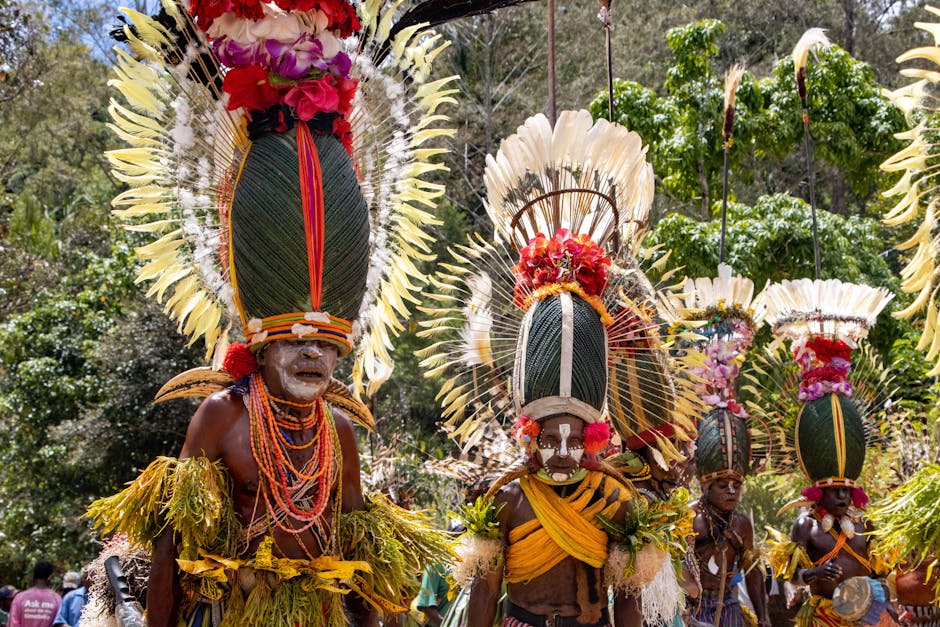
Colorful festival parade featuring participants in traditional attire and h…, Kieta, Papua New Guinea
- Historic Architecture: The haunting, vine-covered concrete ruins of the Toniva Japanese WWII Guns, emplaced in 1942, stand as silent sentinels over the harbor, offering a tangible link to the Pacific War’s pivotal battles.
- Cultural Scene: The annual Bougainville Chocolate Festival in September celebrates the island’s renowned, single-origin cocoa with traditional singing (kurai), drumming, and tastings of bean-to-bar chocolate produced by local women’s cooperatives.
- Local Specialties: You must try Mumu, a celebratory feast where pork, sweet potatoes, and greens are slow-cooked with hot stones in a pit oven, infusing a unique, smoky-earth flavor.
Pro Tip: Plan your visit for the dry season months of June through September. Not only will you avoid the heaviest rains, but this period also coincides with calmer seas for diving and the major cultural festivals. For the ultimate experience, time your trip for the week of September 1st to potentially catch the Chocolate Festival.
Map of Kieta, Papua New Guinea
Use these interactive maps to explore Kieta, Papua New Guinea and plan your route:
📍 View Kieta, Papua New Guinea on OpenStreetMap
🗺️ Open Kieta, Papua New Guinea in Google Maps
Planning Your Trip: Practical Essentials
Getting There and Around
- By Air: Flights arrive at Aropa Airport (ARP), about a 30-minute drive from Kieta town. Air Niugini and PNG Air operate flights from Port Moresby (POM). Transfers are typically arranged by your guesthouse. Book flights at Skyscanner for best deals.
- By Train: There are no passenger train services on Bougainville Island. All travel is by road, sea, or air.
- By Car: Renting a car is uncommon for visitors. Your best bet is hiring a 4WD vehicle with a local driver through your accommodation, essential for navigating the rugged inland roads. Compare car rentals at RentalCars.com for options in Port Moresby if starting there.
- Local Transport: Public PMVs (Public Motor Vehicles) are shared minibuses that run between towns but have irregular schedules. For day trips, negotiate a price with a local taxi driver or, better yet, book a guided tour with transport included for ease and local insight.
Best Time to Visit
Bougainville has a tropical climate with high humidity year-round. The key distinction is between the wet and dry seasons, which significantly impact travel and activity conditions.
| Season | Weather | Highlights |
|---|---|---|
| Dry Season (Jun–Sep) | 26°C – 30°C (79°F – 86°F), lower humidity, minimal rainfall, calmer seas. | Ideal for diving, trekking, and festivals. Peak tourist season (though still quiet). Best overall conditions. |
| Wet Season (Dec–Mar) | 27°C – 32°C (81°F – 90°F), very high humidity, daily heavy downpours, potential for cyclones. | Lush, vibrant rainforests. Fewer visitors. Some roads may become impassable, and diving conditions can be poor. |
| Shoulder (Apr–May/Oct–Nov) | Transitional weather; warm with increasing (or decreasing) showers. | A good balance of fewer visitors and decent weather. Seas begin to calm in October, good for late-season diving. |
Budgeting for Kieta, Papua New Guinea
Colorful tribal dancers in traditional attire at a cultural festival in Pap…, Kieta, Papua New Guinea
| Category | Budget | Mid-range | Luxury |
|---|---|---|---|
| Accommodation | PGK 150-250/night (basic guesthouse) | PGK 300-500/night (comfortable lodge) | PGK 600+/night (full-service dive resort) |
| Meals | PGK 15-30 (market food, simple eateries) | PGK 40-80 (lodge/restaurant meals) | PGK 100+ (resort dining) |
| Transport | PGK 5-20 (PMV rides) | PGK 100-300/day (hired car with driver) | PGK 500+/day (private boat charters) |
| Activities | PGK 0-50 (beaches, village walks) | PGK 200-400 (guided day tours, 2-tank dive) | PGK 500+ (private guided treks, custom dive trips) |
| Daily Total | PGK 170-350 (approx. $45-95 USD) | PGK 640-1280 (approx. $170-340 USD) | PGK 1700+ (approx. $450+ USD) |
*PGK = Papua New Guinea Kina. 1 USD ≈ 3.8 PGK (subject to change).
Top Attractions and Must-See Sights
| Attraction | Description | Hours | Entry Fee |
|---|---|---|---|
| Dive the WWII Wrecks of Toniva Bay | Explore legendary wrecks like the Toa Maru, a Japanese transport ship sitting upright in 30m, teeming with marine life. | Dive trips 8am-3pm | PGK 350-450 for a 2-tank dive |
| Hike to the Crown Prince Range Viewpoint | A challenging trek through dense jungle rewarded with breathtaking panoramic views over Kieta Harbour and the Emperor Range. | Daylight hours; guide essential | PGK 100-200 guide fee + transport |
| Visit the Bougainville Museum (Cultural Centre) | A small but poignant museum detailing the island’s history, from traditional culture through the war and the recent independence referendum. | Mon-Fri, 9am-4pm (call ahead) | PGK 10 donation |
| Relax at Loloho Beach | A stunning black-sand beach with calm, clear waters, perfect for swimming and snorkeling right off the shore. | Always accessible | Free (may be small fee for using village facilities) |
3-Day Itinerary: Kieta, Papua New Guinea’s Highlights & Hidden Gems
Day 1: History & Harbor
- Morning (7-9 AM): Start with a walk through Kieta town market. It’s liveliest in the early hours. You’ll find fresh tropical fruit, betel nut, and local crafts. Engage with vendors—it’s a social hub.
- Afternoon (12-3 PM): Visit the Toniva Japanese Guns. Spend time reflecting at this powerful site. For lunch, head to a local *kai* bar (eatery) like **Mary’s Kitchen** near the wharf for a simple plate of fried fish and rice (PGK 25).
- Evening (6-8 PM): Enjoy sunset views over the harbor. Have dinner at your lodge, where a Mumu might be prepared with advance notice. Otherwise, try the **Kieta Lodge restaurant** for solid local cuisine like chicken with taro.
Day 2: Depths & Dives
- Morning (7 AM): Depart for a full-day diving trip with **Bougainville Dive** (PGK 450). Your first dive will likely be the iconic Toa Maru, where you can swim through holds still holding trucks and sake bottles.
- Afternoon (1 PM): Surface for a packed lunch on the boat before a second dive on a vibrant coral reef wall. The guides know the best spots for seeing reef sharks and eagle rays.
- Evening (6 PM): Back on land, enjoy a relaxed evening. If it’s a weekend, ask if there’s any local *sing-sing* (cultural gathering with music) happening in a nearby village.
Day 3: Inland Culture & Coast
- Morning (8 AM): Hire a driver (PGK 300 for half-day) to visit **Arawa**, the provincial capital. Stop at the Bougainville Museum and see the Parliament House. On the way, your driver can arrange a brief visit to a village to see traditional weaving.
- Afternoon (12 PM): Head to **Loloho Beach** for a picnic lunch and an afternoon of swimming and snorkeling. The contrast of black sand against turquoise water is stunning.
- Evening (6 PM): For your final dinner, savor the freshest seafood. If available, try the coconut crab—a local delicacy. Enjoy the sounds of the tropical night, a world away from anywhere.
Cultural Insights & Etiquette
- Language: Tok Pisin is the lingua franca, but over 20 distinct languages are spoken on Bougainville. English is understood in town and by guides. Useful phrases: “Tenkyu” (Thank you), “Moning” (Good morning), “Mi laik baim dispela” (I would like to buy this).
- Customs: Always ask permission before taking photos of people or their property. The concept of *wantok* (one talk/kin group) is central; community and relationships are valued above schedules. Be patient and respectful.
- Tipping: Not a formal practice, but a small gift or extra payment for exceptional service (like a guide or driver) is greatly appreciated. It’s best done discreetly.
- Dress Code: Modesty is key. In villages and towns, avoid wearing shorts or revealing clothing. Swimwear is only for the beach. When visiting villages, women should consider wearing a sarong.
- Business Hours: Shops and services typically operate Monday to Friday, 8am to 4pm, with a break for lunch. Many close early on Saturday and are closed Sunday. Always confirm ahead for specific attractions.
Where to Eat: Kieta, Papua New Guinea’s Best Bites
Dining in Kieta is less about fancy restaurants and more about hearty, local ingredients. Most visitors eat at their lodge or guesthouse, which prepares family-style meals. Venturing out to local *kai* bars offers an authentic taste of daily life.
Must-Try Local Specialties
- Mumu: The definitive Bougainville feast. Pork, chicken, sweet potato, taro, and greens are wrapped in banana leaves and cooked for hours in an earth oven with hot stones. The result is incredibly tender, smoky, and flavorful. Best experienced at a village celebration or arranged in advance by your lodge.
- Kokoda: PNG’s answer to ceviche. Fresh local fish (often Spanish mackerel) is “cooked” in lime juice and coconut cream, mixed with chili and onion. A refreshing, tangy dish perfect for the climate.
- Roasted Sago Grubs: A traditional protein source, these palm tree grubs are roasted over a fire. They taste nutty and buttery. Considered a delicacy, they’re an adventurous try for the curious eater.
Restaurant Recommendations by Budget
| Type | Restaurant | Specialty | Price Range |
|---|---|---|---|
| Budget | Various *Kai* Bars near Kieta Wharf | Simple, filling plates of rice, fried fish, or chicken with greens. | PGK 15-30 |
| Mid-range | Kieta Lodge Restaurant | Reliable Western and local dishes in a comfortable setting; good seafood. | PGK 40-80 |
| Fine dining | Resort Dining at places like **Buka Island Resort** (requires transfer) | Multi-course meals featuring the best local produce and seafood, often with a view. | PGK 100+ |
Where to Stay
Accommodation ranges from basic guesthouses to comfortable lodges and one dedicated dive resort. Most are family-run, offering a personal touch. Advance booking is essential, especially in the dry season. Compare prices and book at Booking.com or Airbnb for apartments (though Airbnb options are very limited here).
Best Neighborhoods for Accommodation
- Kieta Town Centre: Offers basic guesthouses and easier access to the market and wharf. It’s utilitarian but central. Best for budget travelers and those wanting to be in the heart of local activity.
- Outskirts/Coastal Road: This is where you’ll find the more comfortable lodges like Kieta Lodge. You get more space, gardens, and often better views, with a short drive into town. Ideal for mid-range travelers.
- Dive Resort Areas (e.g., near Toniva): The premier option is staying at a dedicated dive resort. These offer direct beach or jetty access, on-site dive centers, and full-board packages. Perfect for serious divers seeking convenience.

Portrait of a Papua tribesman wearing traditional costume under clear blue sky., Kieta, Papua New Guinea
FAQs: Your Kieta, Papua New Guinea Questions Answered
1. Is Kieta, Papua New Guinea safe at night?
Kieta is generally safe, but like many places, it’s wise to take precautions. Avoid walking alone at night in unlit areas. Petty crime can occur. Your best bet is to stay within your lodge’s grounds after dark and use transport arranged by them if going out. Always follow the advice of your local hosts.
2. What currency is used and are credit cards accepted?
The currency is the Papua New Guinea Kina (PGK). Cash is king in Kieta. Very few places accept credit cards, and ATMs are unreliable or absent. Savvy visitors know to bring enough cash in Kina (obtained in Port Moresby or Buka) for their entire stay. Some lodges may accept bank transfers with prior arrangement.
3. How do I get from the airport to the city center?
Aropa Airport is about 25km from Kieta. There is no public bus. You must pre-arrange a transfer with your accommodation, which typically costs PGK 100-150. Taxis may be available but should be negotiated before getting in. Book airport transfers at GetYourGuide for convenience, though local pre-booking is often more reliable here.
4. Do I need to speak the local language?
Explore More Destinations
- Jozani, Tanzania on a Budget: an Ancient Forest for $35/Day (2026)
- Nsumbu, Zambia on a Budget: Wild Africa for $40/Day (2026)
- Semporna, Malaysia on a Budget: Paradise for $35/Day (2026)
- Khuzestan, Iran on a Budget: Ancient Empires for $30/Day (2026)
- Ngerulmud, Palau on a Budget: Island Majesty for $45/Day (2026)
Ready to Visit Kieta?
Start planning your trip today. Compare hotels, find the best tours, and get insider tips.
Your adventure in Kieta starts here →
Related Guides
Explore more destinations similar to Kieta:
- Quesada, Costa Rica’s Best Hot Springs, Coffee & Authentic Tico Life (2026)
- Bajawa, Indonesia’s Essential Volcanoes, Megaliths & Ancient Ngada Culture (2026)
- Eiffel Tower, France: Essential Iconic Views, Iron Ingenuity & Parisian Romance (2025)
- Where the Dragon Rests: Punakha’s Quiet Hold on Bhutan’s Soul (2026)
{“@context”: “https://schema.org”, “@type”: “FAQPage”, “mainEntity”: [{“@type”: “Question”, “name”: “What is the best time to visit Kieta?”, “acceptedAnswer”: {“@type”: “Answer”, “text”: “The best time to visit Kieta depends on your preferences. Generally, the dry season offers the most pleasant weather for sightseeing and outdoor activities.”}}, {“@type”: “Question”, “name”: “How many days do I need in Kieta?”, “acceptedAnswer”: {“@type”: “Answer”, “text”: “Most travelers spend 3-5 days in Kieta to see the main attractions. A week allows for a more relaxed pace and day trips.”}}, {“@type”: “Question”, “name”: “Is Kieta expensive to visit?”, “acceptedAnswer”: {“@type”: “Answer”, “text”: “Kieta can be visited on various budgets. Accommodation ranges from hostels to luxury hotels, and local restaurants offer affordable dining.”}}]}

