
Gorgona Island, Colombia’s Ultimate Rainforests, Ruins & Unspoiled Reefs (2026)
While crowds flock to the white sands of San Andrés, Gorgona Island, Colombia delivers a raw, untamed Pacific adventure without a single high-rise hotel in sight. This former high-security prison island, now a national natural park, welcomes fewer than 5,000 visitors annually. Here, your soundtrack is the roar of howler monkeys, your path is a jungle trail past crumbling penitentiary walls, and your reward is snorkeling alongside sea turtles in a marine sanctuary with 270 species of fish. This is Colombia’s wild heart, preserved.
Why Gorgona Island, Colombia Stands Out

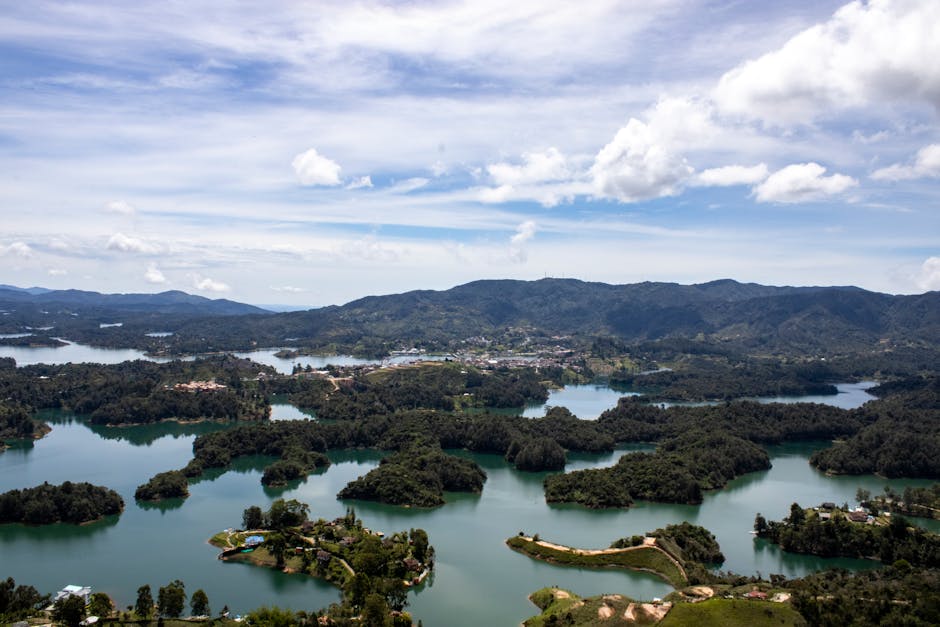
Stunning aerial view of El Peñol and Guatapé in Colombia showcasing nature …, Gorgona Island, Colombia
- Historic Architecture: The haunting ruins of the Gorgona Island Prison (1959-1984), where overgrown jungle reclaims cell blocks, offering a poignant glimpse into Colombia’s complex history.
- Cultural Scene: The annual Sea Turtle Festival (July), where researchers and visitors celebrate hatchling releases, blending conservation science with profound local tradition.
- Local Specialties: Freshly caught *pescado sudado* (steamed fish in a coconut and tomato broth), prepared by the island’s community cooks with ingredients from the surrounding sea.
Pro Tip: Book your visit and mandatory park guide through the National Parks website (*Parques Nacionales Naturales de Colombia*) at least 2-3 months in advance, especially for the dry season windows (January-March & July-September). Only 80 visitors are allowed on the island at any one time, making early planning essential.
Map of Gorgona Island, Colombia
Use these interactive maps to explore Gorgona Island, Colombia and plan your route:
📍 View Gorgona Island, Colombia on OpenStreetMap
🗺️ Open Gorgona Island, Colombia in Google Maps
Planning Your Trip: Practical Essentials
Getting There and Around
- By Air: Fly to Guapi (La Guapi Airport – GPI) from Cali. Airlines like Satena offer 1-hour flights. From Guapi, you’ll take a 1.5-hour authorized boat transfer to the island. Book flights at Skyscanner for best deals.
- By Train: No train service is available to the Pacific coast for this destination. All access is via air to Guapi or Buenaventura, followed by boat.
- By Car: Driving is not possible. The journey involves flying to a coastal town and taking a boat. For exploring mainland Colombia before or after, compare car rentals at RentalCars.com.
- Local Transport: Your feet and guided hikes are the primary transport. All movement on the island is on foot via marked trails. Boat transfers for snorkeling are arranged by your tour operator.
Best Time to Visit
Timing is crucial for enjoying Gorgona’s outdoors. The island has a tropical rainforest climate, but distinct dry periods offer the best trekking and marine visibility.
| Season | Weather | Highlights |
|---|---|---|
| Dry Season 1 (Jan–Mar) | Sunny with sporadic rain, 28-32°C (82-90°F), calmer seas. | Best for hiking, high whale shark possibility (Jan-Feb), excellent snorkeling visibility. Peak visitor season. |
| Dry Season 2 (Jul–Sep) | Warm, less humid, 27-30°C (81-86°F), occasional showers. | Sea turtle nesting & hatching (July festival), good diving conditions, fewer bugs. Ideal for wildlife enthusiasts. |
| Wet Season (Apr-Jun & Oct-Dec) | Heavy rainfall, high humidity, rough seas, 25-29°C (77-84°F). | Lush, vibrant jungle, very few tourists. Many trails may be muddy and boat tours are frequently canceled. |
Budgeting for Gorgona Island, Colombia
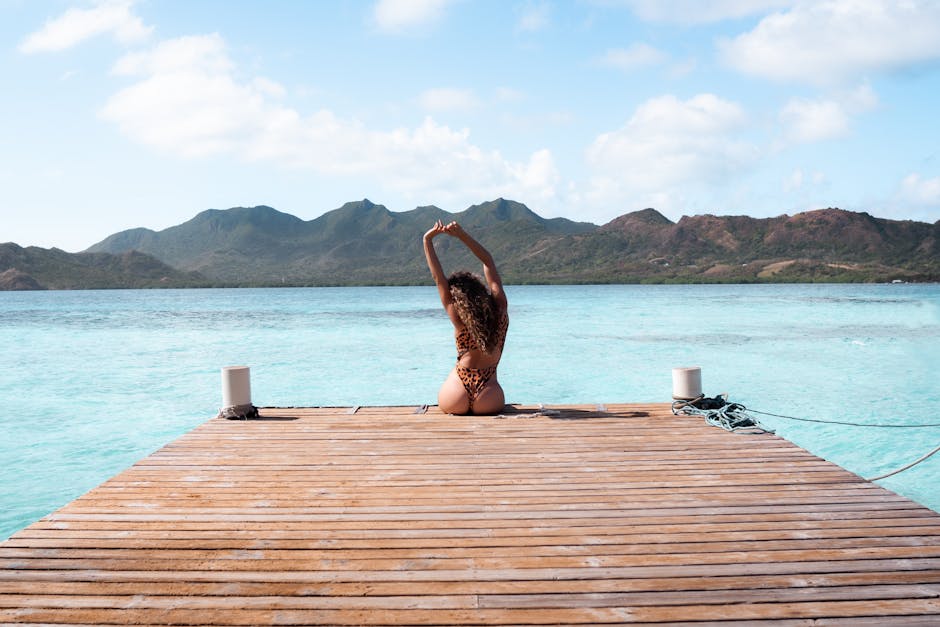
Woman sitting on a pier in Caribbean Colombia with turquoise waters and mou…, Gorgona Island, Colombia
| Category | Budget | Mid-range | Luxury |
|---|---|---|---|
| Accommodation | COP 150,000/night (dorm in research station) | COP 350,000/night (basic private cabin) | COP 600,000+ (pre-booked full-service eco-lodge package) |
| Meals | COP 40,000/day (included in some stays) | COP 80,000/day (set menus at lodge) | COP 120,000/day (full board with fresh seafood) |
| Transport | COP 600,000 (round-trip flight Cali-Guapi + boat) | COP 700,000 (flight + boat + land transfer) | COP 1,200,000+ (private boat charter from Buenaventura) |
| Activities | COP 50,000 (guided hikes included) | COP 150,000 (added snorkeling trip) | COP 300,000 (private guided dive excursion) |
| Daily Total | COP 240,000/day (~$60 USD)* | COP 470,000/day (~$115 USD)* | COP 900,000+/day (~$220+ USD)* |
*Excludes initial transport costs to/from the island. Most visits require a minimum 3-night package.
Top Attractions and Must-See Sights
| Attraction | Description | Hours | Entry Fee |
|---|---|---|---|
| Gorgona Island Prison Ruins | Explore the overgrown, atmospheric remains of the infamous prison, where nature powerfully reclaims human history. | Daylight hours only, with guide | Included in Park Entry (COP 57,500 for foreigners) |
| Playa Palmeras & Playa Yundigua | Pristine beaches framed by jungle, perfect for swimming and spotting pelicans and herons; main arrival points. | All day | Park Entry Fee |
| El Mirador & Cocalito Trail | A moderate 3km hike through dense rainforest to a lookout point with panoramic ocean views. | Guided tours at 8 AM or 2 PM | Park Entry Fee + Guide Tip (~COP 20,000) |
| Gorgonilla Island (Satellite Islet) | Boat trip to a smaller island for world-class snorkeling amid coral formations and immense marine biodiversity. | Trips depart 9 AM, weather permitting | COP 80,000 – 120,000 for boat & gear |
3-Day Itinerary: Gorgona Island, Colombia’s Highlights & Hidden Gems
Day 1: Arrival & Historical Immersion
- Morning (7-9 AM): Early boat transfer from Guapi (COP 150,000 round-trip). Keep an eye out for dolphins on the 1.5-hour crossing. Upon arrival at Playa Palmeras, complete check-in with National Parks officials.
- Afternoon (12-3 PM): Guided hike to the Prison Ruins. Your guide will share stories of the island’s past, from pre-Columbian settlements to its dark penal history. Lunch at your lodge featuring *arroz con camarón* (rice with shrimp).
- Evening (6-8 PM): Sunset at Playa Yundigua. After dinner, join a nocturnal walk (with a guide) to spot the iconic blue Gorgona lizard (*Anolis gorgonae*) and listen to the chorus of frogs.
Day 2: Rainforests & Reefs
- Morning (8 AM): Hike the El Mirador trail (COP 20,000 guide tip). The path winds past giant ceiba trees and, with luck, troops of white-faced capuchin monkeys. The view from the top is a breathtaking reward.
- Afternoon (1 PM): Boat excursion to Gorgonilla Island for snorkeling (COP 100,000). The water here is a stunning aquarium, home to angelfish, parrotfish, and often harmless white-tip reef sharks. Pack a picnic lunch from your lodge.
- Evening (7 PM): Casual dinner followed by a researcher talk (if available) at the biological station about the island’s crucial sea turtle conservation programs.
Day 3: Coastal Exploration & Departure
- Morning (7 AM): Early birdwatching walk along the Playa Palmeras trail. This is prime time to see the spectacular red-lored amazon parrot and numerous hummingbird species. Enjoy a final breakfast of fresh fruit and eggs.
- Afternoon (12 PM): Free time for a final swim or last photos of the dramatic jungle-meets-ocean scenery. A final lunch of *pescado sudado* is a must.
- Evening (2 PM): Departure boat back to Guapi. Savvy travelers know to have a confirmed flight from Guapi to Cali for the next day, as afternoon flights are often fully booked.
Cultural Insights & Etiquette
- Language: Spanish is essential. Guides speak basic English, but learning phrases like “*¿Dónde está el sendero?*” (Where is the trail?) and “*Gracias*” goes a long way.
- Customs: This is a protected national park, not a resort. Respect is paramount: follow your guide’s instructions, stay on marked trails, and interact with the small local community politely.
- Tipping: Tip your park guides (COP 20,000-30,000 per day) and boat captains (COP 10,000-20,000) directly in cash (Colombian Pesos).
- Dress Code: Practical, quick-dry clothing, sturdy hiking shoes, and a swimsuit. Evenings require long sleeves and pants for insect protection. Modest dress is appreciated.
- Business Hours: The island operates on daylight and tour schedules. The park office is typically open 7 AM-12 PM and 2 PM-5 PM. Everything slows down during heavy rain.
Where to Eat: Gorgona Island, Colombia’s Best Bites
Dining on Gorgona is about fresh, simple, and hearty fuel for adventure. There are no independent restaurants—meals are provided by your accommodation’s kitchen. The cuisine is *costa pacífica*, rich with coconut, plantain, and the day’s catch.
Must-Try Local Specialties
- Pescado Sudado: The island’s signature: firm white fish steamed in a flavorful broth of tomato, onions, cilantro, and coconut milk. Served with rice and patacones (fried plantains).
- Encocado de Camarón: Shrimp simmered in a thick, fragrant coconut sauce. A rich and creamy dish that highlights the quality of local seafood.
- Jugo de Borojó: A thick, energizing juice made from the borojó fruit, believed to have aphrodisiac properties. It’s an acquired taste but a true regional experience.
Restaurant Recommendations by Budget
| Type | Restaurant | Specialty | Price Range |
|---|---|---|---|
| Budget/Mid-range | Your Lodge’s Communal Dining Hall | Daily set menus featuring the catch of the day | COP 25,000 – 40,000 per meal (often included in packages) |
| Mid-range | Fundación Natibo Community Kitchen (Playa Palmeras) | Authentic *encocado* prepared by local families | COP 30,000 – 50,000 for a full plate |
Where to Stay
Accommodation is basic, eco-focused, and limited. There are no luxury hotels, only rustic cabins, dormitories in the old prison director’s house, and simple eco-lodges. All must be booked as part of a pre-arranged package through authorized operators. Compare basic packages at Booking.com (search “Guapi” for tour operators) or look for specialized eco-tour websites.
Best Neighborhoods for Accommodation
- Playa Palmeras Area: The main hub. You’ll find the park office, principal docks, and the largest cluster of cabins. Best for first-time visitors wanting convenience and easy beach access.
- Playa Yundigua Area: A slightly more secluded beach a short walk from Palmeras. Lodges here feel more immersed in nature, with excellent birdwatching right outside your door.
- The Old Prison Zone (Cabañas Antigua Prisión): For the unique historical experience. These are very basic cabins converted from old prison buildings. It’s atmospheric but the most rustic option.

Breathtaking aerial capture of Guatapé’s vibrant landscape with lush island…, Gorgona Island, Colombia
FAQs: Your Gorgona Island, Colombia Questions Answered
1. Is Gorgona Island, Colombia safe at night?
Yes, the island itself is very safe from crime. The primary safety concerns are natural: always hike with a guide to avoid getting lost on trails, and never swim in unmarked areas due to strong currents. After dark, use a flashlight to avoid stepping on wildlife. The island’s isolation and controlled access contribute to its security.
2. What currency is used and are credit cards accepted?
Only Colombian Pesos (COP) in cash are accepted on the island. There are no ATMs. You must bring all the cash you’ll need for tips, extra drinks, snorkeling trips, and the national park fee. Exchange money or withdraw cash in Cali or Bogotá before your flight to Guapi.
3. How do I get from the airport to the island?
From Guapi Airport, take a moto-taxi (COP 5,000) to the municipal dock. Your pre-arranged boat operator will meet you there for the transfer to Gorgona. The entire process from landing to island arrival takes about 2.5 hours. For a seamless experience, book your entire package (flight, boat, stay) through a reputable operator on GetYourGuide or a local Colombian eco-tourism agency.
4. Do I need to speak the local language?
Basic Spanish is highly recommended. While park guides have some English, all instructions, safety briefings, and cultural interactions are in Spanish. Learning key phrases will significantly enhance your experience. The local community speaks Spanish exclusively.
5. What’s the appropriate dress code?
Think functional adventurer. Quick-dry hiking pants/t-shirts, a waterproof jacket, sturdy broken-in hiking boots, sandals for wet landings, a wide-brimmed hat, and a swimsuit. For evenings, long pants and long-sleeve shirts are mandatory to protect against mosquitoes. Neutral colors are best for wildlife viewing.
Final Thoughts: Gorgona Island, Colombia Awaits
Gorgona Island is not a destination for passive relaxation; it’s a call to active discovery. It rewards the traveler who seeks stories etched in stone and jungle, who finds wonder in a breaching humpback whale or the silent glide of a ray beneath their snorkel
Related Guides
Explore more destinations similar to Gorgona Island:
- Mocoa, Colombia’s Hidden Waterfalls, Amazonian Culture & Untamed Wilderness (2025)
- Mthatha, South Africa’s Hidden History, Heart & The Homeland of a Nation (2026)
- Lorengau, Papua New Guinea: Ultimate WWII History, Island Culture & Untouched Reefs (2025)
- Cluj-Napoca, Romania’s Essential Innovation, History & Bohemian Soul (2026)

