
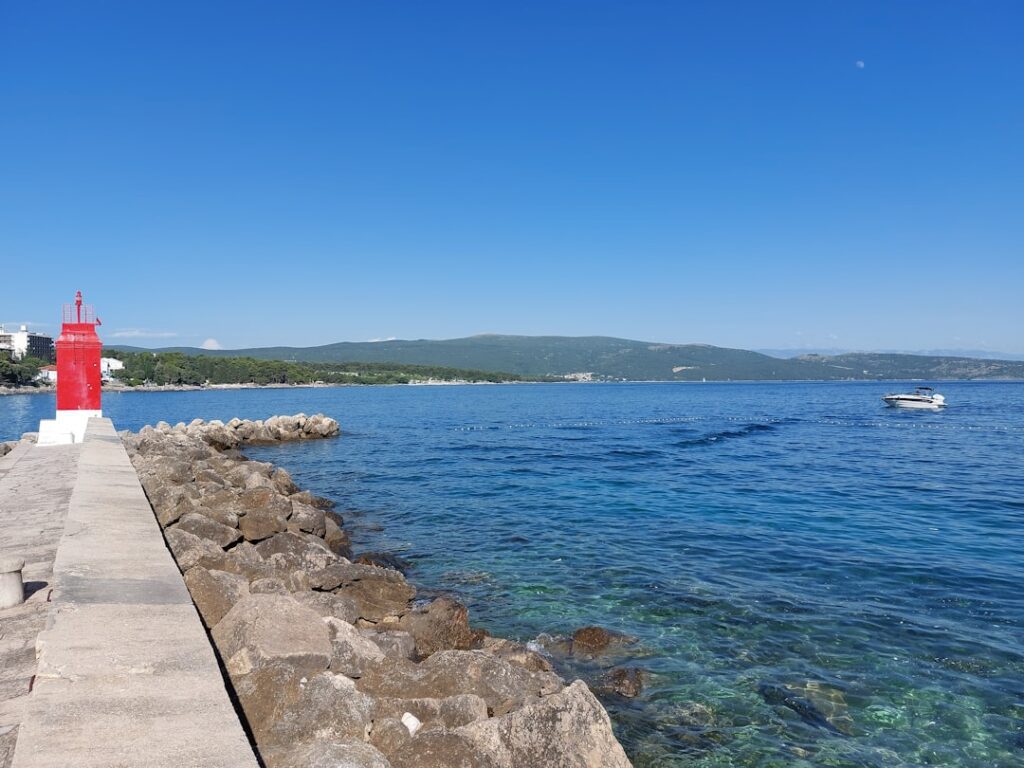
Krk, Croatia’s Hidden Roman Ruins, Azure Coves & Glagolitic Heritage (2026)
While crowds flock to Dubrovnik’s packed ramparts, Krk, Croatia delivers authentic Adriatic charm with 68 miles of coastline and 20 accessible islets for a fraction of the price. As the largest island in the Adriatic, connected by a soaring 1,430-meter bridge, it offers a seamless blend of ancient history and island ease. Here’s why savvy travelers choose this northern gem over its over-touristed southern cousins.
Why Krk, Croatia Stands Out

A rocky beach with the sun setting, Krk, Croatia
- Historic Architecture: The Krk Cathedral complex, with its 12th-century Romanesque basilica built atop 5th-century Byzantine mosaics, is a stunning testament to layered history.
- Cultural Scene: The Kvarner Festival in July transforms the island with classical music concerts held in ancient churches and castle courtyards.
- Local Specialties: You must try *šurlice* – hand-rolled pasta served with lamb or truffle sauce, a unique Krk specialty found nowhere else.
Pro Tip: Visit in late May or early September. The sea is warm (22-24°C), the summer crowds have dissipated, and you’ll find accommodation prices are 30-40% lower than in peak August. For the ultimate local experience, time your visit with the Bašćanska Night festival in Baška each July, where the whole town celebrates with traditional costumes, music, and food.
Map of Krk, Croatia
Use these interactive maps to explore Krk, Croatia and plan your route:
📍 View Krk, Croatia on OpenStreetMap
🗺️ Open Krk, Croatia in Google Maps
Planning Your Trip: Practical Essentials
Getting There and Around
- By Air: Rijeka Airport (RJK) is on Krk island itself, served by seasonal flights from major European cities. Zagreb and Ljubljana are larger alternatives. Book flights at Skyscanner for best deals.
- By Train: The nearest major train station is in Rijeka on the mainland. From there, take a 30-minute bus across the Krk Bridge. Reserve tickets at Trainline or the national railway website.
- By Car: Driving offers the most flexibility. The A7 motorway connects from Zagreb, leading directly to the Krk Bridge (toll approx. €5.50). Compare car rentals at RentalCars.com.
- Local Transport: A reliable bus network connects major towns like Krk Town, Punat, and Baška. A single ticket costs around €2-4. For exploring coves, a car or scooter is your best bet.
Best Time to Visit
Krk enjoys a Mediterranean climate with over 2,500 hours of sunshine annually. The ideal time balances warm weather with manageable crowds.
| Season | Weather | Highlights |
|---|---|---|
| Summer (Jun–Aug) | 25-30°C, dry and sunny, sea temps 22-25°C | Vibrant atmosphere, all beaches and boat tours operational, but crowded and most expensive. |
| Winter (Dec–Feb) | 5-10°C, rainy, some establishments closed | Quiet and atmospheric for history buffs, lower prices, but limited activities and ferry services. |
| Shoulder (Apr–May/Sep–Oct) | 15-24°C, pleasant, occasional rain | Perfect for hiking and cycling, fewer crowds, warm-enough sea for swimming in September, best value. |
Budgeting for Krk, Croatia

Two yacht on calm body of water, Krk, Croatia
| Category | Budget | Mid-range | Luxury |
|---|---|---|---|
| Accommodation | €40-60 (hostel/private room) | €80-140 (3-4* hotel or apartment) | €200+ (boutique hotel/villa) |
| Meals | €15-25 (konoba lunch, pizza) | €35-50 (restaurant dinner with wine) | €80+ (fine dining tasting menu) |
| Transport | €5-10 (local buses) | €30-50 (daily car rental) | €100+ (private boat taxi) |
| Activities | €0-20 (beaches, hiking) | €30-60 (guided tour, kayak rental) | €100+ (private sailing charter) |
| Daily Total | €60-115 | €145-300 | €480+ |
Top Attractions and Must-See Sights
| Attraction | Description | Hours | Entry Fee |
|---|---|---|---|
| Frankopan Castle (Krk Town) | A 12th-century Venetian fortress offering panoramic town views and housing a small museum. | 9 AM – 9 PM (Summer), variable in winter | €4 |
| Bašćanska Plaža (Baška) | A famous 1.8km pebble beach backed by dramatic Velebit mountain views, perfect for families. | Always open | Free (sunbed rental €15-20) |
| Biserujka Cave (near Dobrinj) | An intriguing 110-meter-long karst cave with impressive stalactite formations and a cool interior. | 10 AM – 5 PM, daily in summer | €6 |
| Glagolitic Alley | A unique 6km open-air monument with 11 sculptures celebrating the ancient Glagolitic script born in this region. | Always open | Free |
3-Day Itinerary: Krk, Croatia’s Highlights & Hidden Gems
Day 1: Ancient Krk Town & Culinary Immersion
- Morning (7-9 AM): Beat the crowds with a walk along Krk Town’s 12th-century city walls. Enter through the Vela Vrata (Main Gate) and climb the Frankopan Castle tower (€4) for sunrise views over the old town’s terracotta roofs.
- Afternoon (12-3 PM): Explore the Krk Cathedral complex (€3.50), then lunch at Konoba Nono in a hidden courtyard. Order the *šurlice* with lamb.
- Evening (6-8 PM): Stroll the marina promenade before a seafood dinner at Bistro Pivac on the waterfront, known for its buzzy atmosphere and fresh grilled fish.
Day 2: Coastal Wonders & The Legend of Baška
- Morning (8 AM): Drive 30 minutes to Baška. Hike the 4km educational trail to the 16th-century St. Lucy’s Church, home of the 11th-century Baška Tablet, the cornerstone of Croatian literacy. The hike is free and offers stunning coastal vistas.
- Afternoon (1 PM): Relax on the iconic Bašćanska Plaža. For lunch, grab a table at Restaurant Corinthia beachfront for their excellent squid ink risotto.
- Evening (7 PM): Drive to the nearby village of Batomalj for dinner at Konoba Tramerka, a family-run spot with a legendary platter of local cured meats and cheese.
Day 3: Island Hopping & Panoramic Vistas
- Morning (9 AM): Head to Punat (10-min drive) and take a 5-minute water taxi (€3) to the tiny islet of Košljun. Explore its 15th-century Franciscan monastery and unique ethnographic museum. Return to Punat for a coffee by the marina, Europe’s largest natural marina for smaller boats.
- Afternoon (1 PM): Drive to the hilltop village of Vrbnik. Wander its famously narrow streets and have lunch at Konoba Nada, sampling their award-winning Vrbnička Žlahtina white wine directly from the cellar.
- Evening (6 PM): For your final sunset, drive to the viewpoint near the village of Risika. It offers a breathtaking, unobstructed panorama of the Krk Bridge, the channel, and the mainland mountains—a perfect farewell photo op.
Cultural Insights & Etiquette
- Language: Croatian is the official language. Key phrases: “Hvala” (Thank you), “Dobar dan” (Good day). English and Italian are widely spoken in tourist areas, but a few Croatian words are appreciated.
- Customs: A warm but respectful demeanor is standard. When visiting churches, modest dress (covered shoulders and knees) is expected. Locals take great pride in their island’s distinct identity and Glagolitic script heritage.
- Tipping: Tipping is customary but not excessive. Round up the bill or leave 5-10% for good service in restaurants. For taxi drivers, rounding up to the nearest euro is fine.
- Dress Code: Casual and comfortable during the day. For nicer dinners, “smart casual” is appropriate—men rarely need jackets, but swimwear is strictly for the beach.
- Business Hours: Shops typically open 8 AM – 8 PM in summer, with a break from 1-5 PM in smaller towns. Many close on Sunday. Restaurants serve lunch from 12-3 PM and dinner from 6 PM onward.
Where to Eat: Krk, Croatia’s Best Bites
Krk’s cuisine is a hearty blend of Istrian and Dalmatian influences, focusing on fresh seafood, lamb, olive oil, and indigenous wines like Žlahtina. The best meals are in family-run *konobas* (tavernas).
Must-Try Local Specialties
- Šurlice with Lamb Sauce: The island’s signature pasta, hand-rolled around a knitting needle. Try it at Konoba Nono in Krk Town.
- Vrbnička Žlahtina: A crisp, dry white wine produced exclusively around Vrbnik. Sample it at the source in cellars like Nada or Katunar.
- Presnac (Krk Cake): A savory pie made with fresh sheep’s cheese, eggs, and herbs. Find it in bakeries or as a starter in traditional konobas.
Restaurant Recommendations by Budget
| Type | Restaurant | Specialty | Price Range |
|---|---|---|---|
| Budget | Pizzeria Mali Nono (Krk Town) | Wood-fired pizzas and pasta in a cozy alley | €8-15 |
| Mid-range | Konoba Tramerka (Batomalj) | Authentic meat platters and homemade pasta | €20-35 |
| Fine dining | Bistro Forza (Krk Town) | Creative, modern takes on Adriatic seafood | €50+ |
Where to Stay
Accommodation ranges from modern apartments and family-run guesthouses to boutique hotels. Staying in Krk Town offers the most convenience, while villages like Baška or Vrbnik provide a quieter, more localized feel. Compare prices and book at Booking.com or Airbnb for apartments.
Best Neighborhoods for Accommodation
- Krk Town Old Town: Immersive historic atmosphere, steps from restaurants and sights, but can be noisy at night and parking is challenging. Best for first-time visitors and history lovers.
- Baška: Centered around a magnificent beach, ideal for families and beach-goers. Offers a good mix of amenities but is a 30-minute drive from the island’s other attractions.
- Punat or Šilo: Smaller, quieter marina villages with excellent access to boat tours and a more local vibe. Perfect for travelers seeking relaxation and water activities, though with fewer dining options.

People on beach during daytime, Krk, Croatia
FAQs: Your Krk, Croatia Questions Answered
1. Is Krk, Croatia safe at night?
Yes, Krk is exceptionally safe. Violent crime is extremely rare. Standard precautions apply: be aware of your belongings in crowded areas and avoid poorly lit, deserted streets late at night, though these are few and far between.
2. What currency is used and are credit cards accepted?
Croatia uses the Euro (€). Credit and debit cards (Visa, Mastercard) are widely accepted in hotels, restaurants, and shops. However, it’s wise to carry some cash for smaller konobas, market stalls, beach bars, or taxi fares.
3. How do I get from the airport to the city center?
Rijeka Airport (RJK) is near Omišalj on Krk. The most flexible option is a taxi (approx. €25-35 to Krk Town, 20 mins). Seasonal buses may connect to main towns. Pre-booking a transfer is often easiest. Book airport transfers at GetYourGuide for convenience.
4. Do I need to speak the local language?
Not at all. English is commonly spoken in the tourism sector. In more remote villages, you might encounter limited English, but staff are hospitable. Learning basic greetings like “Hvala” (Thank you) will always be met with a smile.
5. What’s the appropriate dress code?
Dress is generally casual and comfortable. Pack swimwear, cover-ups, sun hats, and sturdy shoes for rocky beaches and hiking. For dining in nicer restaurants in the evening, smart casual attire (nice shorts or trousers, a blouse or polo) is perfectly acceptable.
Final Thoughts: Krk, Croatia Awaits
Krk offers a profoundly complete Croatian island experience, seamlessly weaving two millennia of history with the simple pleasures of sun, sea, and superb local flavors. You’ll discover an authenticity that can be elusive in more famous destinations, where ancient Glagolitic stones share the landscape with vibrant marinas and secluded coves. For the ultimate insider send-off, skip the main ferry lines and ask a local fisherman in Punat or Vrbnik about a quick, informal boat trip to a nearby secluded beach—it’s these spontaneous, personal moments that truly define a visit to Krk. Your Adriatic adventure, rich in both heritage and natural beauty, begins here.
{“@context”: “https://schema.org”, “@type”: “FAQPage”, “mainEntity”: [{“@type”: “Question”, “name”: “What is the best time to visit Krk?”, “acceptedAnswer”: {“@type”: “Answer”, “text”: “The best time to visit Krk depends on your preferences. Generally, the dry season offers the most pleasant weather for sightseeing and outdoor activities.”}}, {“@type”: “Question”, “name”: “How many days do I need in Krk?”, “acceptedAnswer”: {“@type”: “Answer”, “text”: “Most travelers spend 3-5 days in Krk to see the main attractions. A week allows for a more relaxed pace and day trips.”}}, {“@type”: “Question”, “name”: “Is Krk expensive to visit?”, “acceptedAnswer”: {“@type”: “Answer”, “text”: “Krk can be visited on various budgets. Accommodation ranges from hostels to luxury hotels, and local restaurants offer affordable dining.”}}]}
Related Guides
Explore more destinations similar to Krk:

