

Dolisie, Republic of the Congo: Stunning Railway Heritage, Forest Trails & Authentic Congolese Life (2026)
While crowds flock to the coastal capital of Pointe-Noire, Dolisie delivers the authentic, beating heart of the Niari region without the tourist premiums. As the Republic of the Congo’s third-largest city, it’s a living monument to the Congo-Ocean Railway, a vital artery built with immense sacrifice between 1921 and 1934. Here, the rhythm is set by the distant whistle of trains, the scent of smoked fish in the central market, and the vibrant hum of a city that feels genuinely lived-in, not staged for visitors. This is where you experience the real Congo.
Why Dolisie, Republic of the Congo Stands Out

Young man in leather jacket posing outdoors near river and hills in Kinshasa., Dolisie, Republic of the Congo
- Historic Architecture: The iconic, ochre-colored Gare de Dolisie (1929), the city’s railway station, stands as a testament to its founding purpose and the epic story of the Congo-Ocean Railway.
- Cultural Scene: The vibrant Marché Central is a daily festival of commerce, where you can witness the trade of everything from colorful pagne fabrics to forest spices and handcrafted goods.
- Local Specialties: You must try Poulet Moambé, a rich, savory chicken stew in a palm nut sauce, often served with fufu or plantains.
Pro Tip: The absolute best time to visit is during the long dry season from June to September. The roads to surrounding natural attractions are more passable, humidity is lower, and you’ll avoid the heavy rains that can make travel challenging from October to May.
Map of Dolisie, Republic of the Congo
Use these interactive maps to explore Dolisie, Republic of the Congo and plan your route:
📍 View Dolisie, Republic of the Congo on OpenStreetMap
🗺️ Open Dolisie, Republic of the Congo in Google Maps
Planning Your Trip: Practical Essentials
Getting There and Around
- By Air: Dolisie is served by the small Dolisie Airport (DIS), with limited domestic flights from Brazzaville on Trans Air Congo. Most travelers fly into Pointe-Noire (PNR) and take the train or a shared taxi. Book flights at Skyscanner for best deals.
- By Train: The legendary Congo-Ocean Railway connects Pointe-Noire to Brazzaville, with Dolisie as a major stop. The journey from Pointe-Noire takes about 5-7 hours. It’s an experience in itself. Tickets are purchased at the station; booking in advance is wise for the weekly express service.
- By Car: The RN1 highway links Dolisie to Brazzaville (approx. 5-6 hours) and Pointe-Noire (approx. 3 hours). Road conditions vary. Renting a car with a driver is highly recommended for safety and navigation. Compare car rentals at RentalCars.com.
- Local Transport: Taxis-motos (motorcycle taxis) are the fastest way around town for short trips (expect 200-500 XAF). Shared taxis (yellow vehicles) run set routes. For day trips, negotiate a price with a private taxi driver for the day.
Best Time to Visit
Dolisie has a tropical savanna climate with distinct wet and dry seasons. Your experience will be vastly different depending on when you go, with the dry season offering the most accessibility for exploration.
| Season | Weather | Highlights |
|---|---|---|
| Long Dry Season (Jun–Sep) | Warm, sunny, low humidity (22°C-28°C). Little to no rain. | Ideal for forest hikes, road trips, and market exploring. Peak travel season with reliable conditions. |
| Short Dry Season (Dec–Feb) | Hotter and more humid (24°C-32°C). Some rainfall possible. | Good for city life and cultural immersion. Lush green scenery. A quieter time to visit. |
| Rainy Seasons (Mar–May/Oct–Nov) | Heavy, frequent rainfall. High humidity. Roads can become impassable. | Challenging for travel but offers a dramatic, verdant landscape. Fewest visitors. Best for low-cost accommodation. |
Budgeting for Dolisie, Republic of the Congo
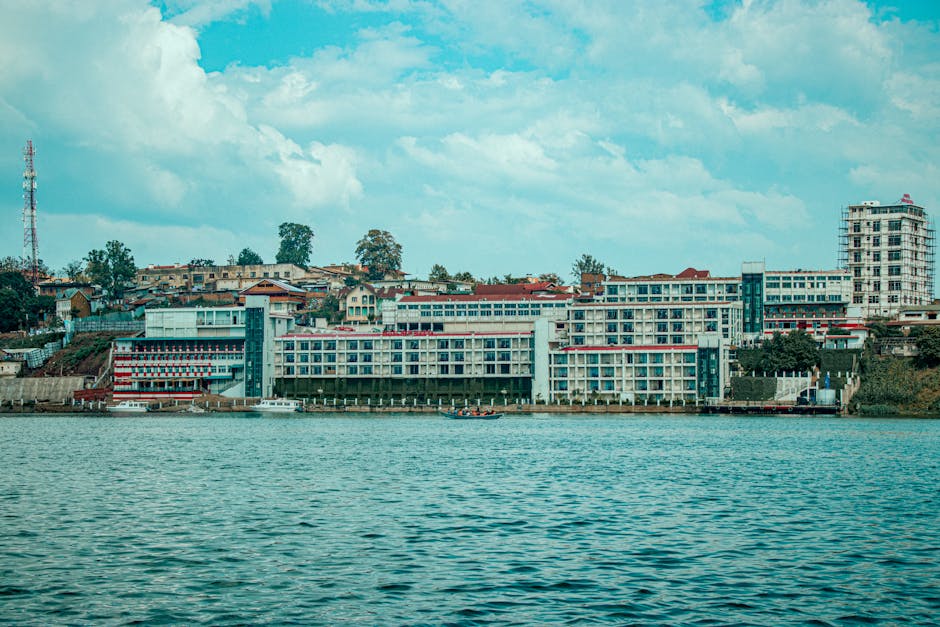
Urban landscape of Bukavu, Dolisie, Republic of the Congo
| Category | Budget | Mid-range | Luxury |
|---|---|---|---|
| Accommodation | 15,000 – 25,000 XAF/night (basic guesthouse) | 40,000 – 70,000 XAF/night (local hotel with AC) | 80,000+ XAF/night (top hotel in city) |
| Meals | 3,000 – 5,000 XAF (street food, market meal) | 7,000 – 15,000 XAF (restaurant sit-down) | 20,000+ XAF (hotel restaurant) |
| Transport | 500-2,000 XAF/day (taxi-moto/shared taxi) | 15,000 – 30,000 XAF/day (private taxi hire) | 50,000+ XAF/day (private car & driver) |
| Activities | Free (market, station, walking) | 5,000 – 20,000 XAF (guided local tours) | 30,000+ XAF (private guided expeditions) |
| Daily Total | 20,000 – 35,000 XAF | 70,000 – 135,000 XAF | 180,000+ XAF |
Note: 1 USD ≈ 600-620 Central African CFA Francs (XAF). Cash is king.
Top Attractions and Must-See Sights
| Attraction | Description | Hours | Entry Fee |
|---|---|---|---|
| Gare de Dolisie (Train Station) | The historic heart of the city, a beautiful colonial-era building where you can feel the pulse of the Congo-Ocean Railway. | Open access to building; train schedules vary | Free |
| Marché Central | A sprawling, sensory-overload market offering everything from fresh produce and smoked fish to vibrant textiles and local crafts. | Daily, 7:00 AM – 6:00 PM (most active mornings) | Free |
| Cathedral of St. Pierre Claver | A striking modern Catholic cathedral, an architectural landmark and a center of community life in the city. | Daily for services; exterior always viewable | Free |
| Loufoulakari Falls & Area | A scenic natural area about 30km from Dolisie, perfect for a day trip to see waterfalls and enjoy the forest landscape. | Daylight hours | Small local guide fee (approx. 2,000 XAF) |
3-Day Itinerary: Dolisie, Republic of the Congo’s Highlights & Hidden Gems
Day 1: The Heartbeat of the Railway City
- Morning (7-9 AM): Start at the Marché Central. Arrive early to see the market at its most vibrant. Watch vendors set up, smell the smoked fish (mbika), and browse the stacks of colorful pagne fabric. Your best bet is to simply observe and soak in the atmosphere.
- Afternoon (12-3 PM): Walk to the Gare de Dolisie. Study the architecture and watch for train activity. For lunch, head to a local maquis (open-air eatery) like Maquis Chez Ntonton near the market for a plate of grilled fish or chicken with attiéké (cassava couscous) for about 4,500 XAF.
- Evening (6-8 PM): Take a taxi-moto to the Cathedral of St. Pierre Claver to see it illuminated against the evening sky. For dinner, try Restaurant Le Niari for a reliable and tasty Poulet Moambé (around 8,000 XAF).
Day 2: Culture & Local Life
- Morning (8 AM): Hire a private taxi for the day (approx. 25,000 XAF). Drive to the outskirts to visit a local village. With permission, you can see daily life, and perhaps a cassava or palm oil production site. A small gift for the community head is a respectful gesture.
- Afternoon (1 PM): Return to the city center for lunch at Snack-Bar La Paillote, known for its brochettes (skewers) and cold drinks. Afterwards, explore the smaller artisan stalls around the market area for unique, hand-carved souvenirs.
- Evening (7 PM): Experience a local bar or “nganda”. Bar La Détente is a popular spot where you can enjoy a local Ngok or Primus beer (1,000 XAF) and mingle with friendly residents.
Day 3: Nature Excursion
- Morning (7:30 AM): Depart with your hired taxi for Loufoulakari Falls (about 45 mins drive). The journey itself through the Niari landscape is part of the adventure. Pack water and snacks.
- Afternoon (12 PM): Enjoy the falls and surrounding forest. You can often arrange a simple grilled fish lunch with locals nearby. Return to Dolisie by mid-afternoon.
- Evening (6 PM): For your final meal, seek out a maquis specializing in Liboké de Poisson (fish steamed in banana leaves). Ask your taxi driver for a recommendation—they always know the best spots. It’s a flavorful and authentic farewell.
Cultural Insights & Etiquette
- Language: French is the official language. Learning a few basic Lingala or Kituba phrases like “Mbote” (Hello) and “Matondi” (Thank you) will earn you warm smiles.
- Customs: Greetings are important. Always greet someone before asking a question or starting a transaction. Use a handshake, and with elders, a slight bow or lowering of the eyes shows respect.
- Tipping: Not mandatory but appreciated. In restaurants, rounding up the bill is fine. For guides or drivers, a tip of 5-10% of the service cost is generous.
- Dress Code: Dress modestly, especially when visiting markets, villages, or religious sites. Avoid very short shorts or revealing tops. Light, breathable fabrics are best for the climate.
- Business Hours: Government offices and banks typically operate 7:30 AM – 3:30 PM, Monday-Friday. Shops and markets open earlier and close later, with reduced hours on Sundays.
Where to Eat: Dolisie, Republic of the Congo’s Best Bites
Dining in Dolisie is an adventure in Congolese flavor. The focus is on hearty, communal dishes centered around staples like cassava, plantain, rice, and peanuts, with fish and chicken as common proteins. Don’t just look for signposted restaurants; the best food is often in unmarked maquis.
Must-Try Local Specialties
- Poulet Moambé: The national dish. Chicken simmered in a rich, red sauce made from palm nuts, often served with fufu (cassava dough) or rice. Try it at Restaurant Le Niari.
- Liboké: Fish, chicken, or meat seasoned with spices, wrapped in banana leaves, and steamed over a fire, imparting a unique smoky flavor. Ask at local maquis.
- Saka Saka: Pounded cassava leaves cooked with palm oil, often with fish or meat. A delicious and ubiquitous green dish found everywhere.
Restaurant Recommendations by Budget
| Type | Restaurant | Specialty | Price Range |
|---|---|---|---|
| Budget | Various Market Maquis (around Marché Central) | Grilled fish, chicken, attiéké | 3,000 – 6,000 XAF |
| Mid-range | Restaurant Le Niari (City Center) | Poulet Moambé, European dishes | 7,000 – 15,000 XAF |
| Fine dining | Hotel Residence Madingou Restaurant (in hotel) | International & Congolese cuisine in a formal setting | 15,000 – 25,000 XAF |
Where to Stay
Accommodation in Dolisie ranges from very basic guesthouses to a couple of comfortable, modern hotels. Most are clustered in the city center for convenience. It’s advisable to book your first night in advance, especially in the dry season. Compare prices and book at Booking.com or Airbnb for apartments (though listings are limited).
Best Neighborhoods for Accommodation
- City Centre (around the Station & Cathedral): The most convenient location for walking to main sights, markets, and restaurants. You’ll find the best hotels here. Can be noisy and bustling.
- Quartier Plateau: A quieter, more residential area with some guesthouses. It offers a more local feel but requires taxis to reach the center. Good for longer, quieter stays.
- Along the RN1 Highway: A few larger hotels and lodges are located on the outskirts. These offer more space and parking but make you dependent on transport for everything.

Two gold wedding rings placed on a delicate heart-shaped lace pillow agains…, Dolisie, Republic of the Congo
FAQs: Your Dolisie, Republic of the Congo Questions Answered
1. Is Dolisie, Republic of the Congo safe at night?
General precautions are advised. The city center is relatively safe, but avoid walking alone in poorly lit or deserted areas after dark. Always use a taxi-moto or taxi for evening transport. Petty crime like pickpocketing can occur in crowded markets, so keep valuables secure and be aware of your surroundings.
2. What currency is used and are credit cards accepted?
The currency is the Central African CFA Franc (XAF). Cash is essential—very few places accept credit cards. Bring enough Euros or USD to exchange at local banks (like BGFI or Ecobank) or use the limited ATMs in the city center. Always have small bills for daily expenses.
3. How do I get from the airport to the city center?
Dolisie Airport (DIS) is small and close to town. Your best bet is to pre-arrange a pickup with your hotel or negotiate a fare with a taxi at the airport (approx. 3,000-5,000 XAF). If arriving from Pointe-Noire by air, you’ll land at PNR, from which you’d take the train or a shared taxi to Dolisie. Book airport transfers at
Explore More Destinations
- Jozani, Tanzania on a Budget: an Ancient Forest for $35/Day (2026)
- Nsumbu, Zambia on a Budget: Wild Africa for $40/Day (2026)
- Semporna, Malaysia on a Budget: Paradise for $35/Day (2026)
- Khuzestan, Iran on a Budget: Ancient Empires for $30/Day (2026)
- Ngerulmud, Palau on a Budget: Island Majesty for $45/Day (2026)
Ready to Visit Dolisie?
Start planning your trip today. Compare hotels, find the best tours, and get insider tips.
Your adventure in Dolisie starts here →
{“@context”: “https://schema.org”, “@type”: “FAQPage”, “mainEntity”: [{“@type”: “Question”, “name”: “What is the best time to visit Dolisie?”, “acceptedAnswer”: {“@type”: “Answer”, “text”: “The best time to visit Dolisie depends on your preferences. Generally, the dry season offers the most pleasant weather for sightseeing and outdoor activities. Check local climate patterns for specific months.”}}, {“@type”: “Question”, “name”: “How many days do I need in Dolisie?”, “acceptedAnswer”: {“@type”: “Answer”, “text”: “Most travelers spend 3-5 days in Dolisie to see the main attractions. A week allows for a more relaxed pace and day trips to nearby areas.”}}, {“@type”: “Question”, “name”: “Is Dolisie expensive to visit?”, “acceptedAnswer”: {“@type”: “Answer”, “text”: “Dolisie can be visited on various budgets. Accommodation ranges from hostels to luxury hotels. Street food and local restaurants offer affordable dining options.”}}]}
Related Guides
Explore more destinations similar to Dolisie:
- Kazan, Russia’s Best Minarets, Tatar Culture & Volga River Majesty (2026)
- Uelen, Russia: Best Indigenous Culture, Arctic Wilderness & Ancient Traditions (2025)
- Yamoussoukro, Côte d’Ivoire: Essential Basilicas, Baobabs & Presidential Grandeur (2026)
- Dalaba, Guinea’s Best Mountain Air, Colonial Charm & Fouta Djallon Culture (2026)

