
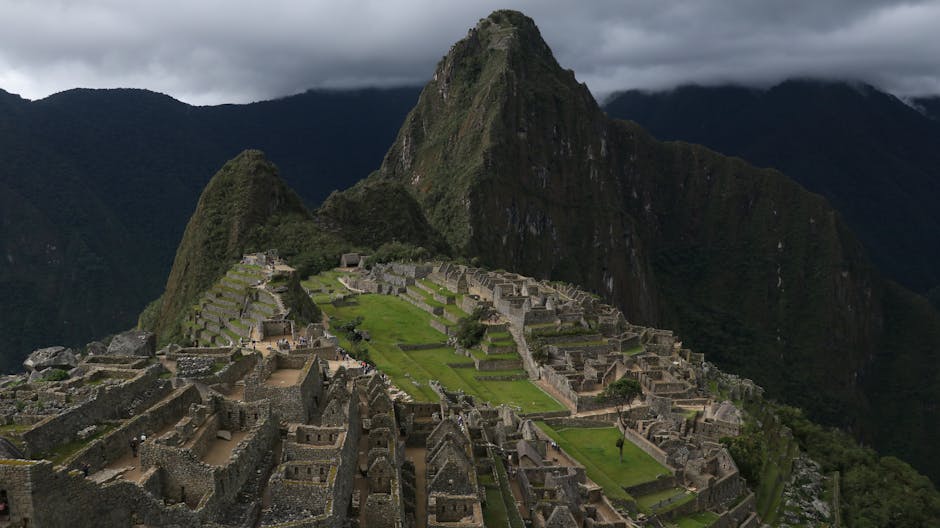
Manu National Park, Peru: Best Biodiversity, Indigenous Culture & Untamed Wilderness (2026)
Just before dawn in the Manu Reserved Zone, the forest canopy erupts in a deafening chorus of howler monkeys and macaws, a daily symphony in one of the most biodiverse places on the planet. While over 1.5 million people visit Peru annually for Machu Picchu, fewer than 5,000 permitted travelers venture into the core of Manu National Park, a UNESCO World Heritage site protecting over 1.7 million hectares of pristine Amazonian rainforest. This isn’t just a park; it’s a living ark, home to more species of birds and mammals than the entire United States and Canada combined.
Why Manu National Park, Peru Stands Out

A breathtaking aerial view of Lake 69 with turquoise water in Huascarán Nat…, Manu National Park, Peru
- Historic Architecture: The Pakitza Biological Station, established in 1973, serves as a vital research hub for scientists studying one of the world’s last intact tropical ecosystems.
- Cultural Scene: Witnessing the semi-nomadic Matsigenka people practice traditional hunting and fishing offers a rare, respectful glimpse into a way of life unchanged for centuries.
- Local Specialties: Try *masato*, a fermented yucca drink shared in community, a gesture of hospitality from local indigenous guides.
Pro Tip: The absolute best time for wildlife viewing is during the dry season, from May to October. Not only are trails more accessible, but animals congregate around shrinking water sources, making sightings of tapirs, giant otters, and jaguars significantly more likely. Book your tour at least 6-9 months in advance, as permits for the Reserved Zone are strictly limited.
Map of Manu National Park, Peru
Use these interactive maps to explore Manu National Park, Peru and plan your route:
📍 View Manu National Park, Peru on OpenStreetMap
🗺️ Open Manu National Park, Peru in Google Maps
Planning Your Trip: Practical Essentials
Getting There and Around
- By Air: All journeys start with a flight to Cusco (Alejandro Velasco Astete International Airport). From Lima, LATAM, Sky Airline, and JetSMART offer daily 1.5-hour flights. Book flights at Skyscanner for best deals.
- By Train: No direct trains serve the park. The iconic train to Machu Picchu from Cusco is a separate experience. For Manu, you’ll travel by road and river.
- By Car: Self-driving is not recommended or practical for the park interior. The only viable way to explore is via a licensed tour operator who provides 4×4 transport for the 6-8 hour overland journey from Cusco to the river entry point at Atalaya or Shintuya. Compare car rentals for Cusco exploration at RentalCars.com.
- Local Transport: Within the park, transport is exclusively by motorized canoe along the Alto Madre de Dios and Manu rivers. Your tour operator handles all logistics.
Best Time to Visit
Your experience in Manu is profoundly shaped by the seasons. The dry season offers accessibility and concentrated wildlife, while the wet season reveals a flooded, mystical forest with fewer visitors.
| Season | Weather | Highlights |
|---|---|---|
| Dry Season (May–Oct) | Sunny days, cooler nights (20-28°C / 68-82°F), minimal rain. | Peak wildlife viewing, navigable trails, best for photography. This is high season for tours. |
| Wet Season (Nov–Apr) | Heavy rainfall, high humidity (23-30°C / 73-86°F), frequent downpours. | Lush greenery, active amphibians & insects, flooded forests accessible by canoe, significant discounts on tours. |
| Shoulder (Apr & Nov) | Transitional weather, sporadic rain. | A balance of decent weather and thinner crowds, but wildlife can be less predictable. |
Budgeting for Manu National Park, Peru

Two colorful national flags waving against a vibrant blue sky., Manu National Park, Peru
| Category | Budget | Mid-range | Luxury |
|---|---|---|---|
| Accommodation | $25-$50/night (basic jungle lodge dorm) | $100-$200/night (comfortable lodge with private bath) | $300+/night (exclusive eco-lodge with guided activities) |
| Meals | Included in tour package | Included in tour package | Included in tour package + premium dining |
| Transport | Included in tour package | Included in tour package | Included in tour package + private transport |
| Activities | Basic guided walks & canoe trips (included) | Additional excursions like clay licks & canopy towers ($50-$100 extra) | Private guiding, specialized photography tours, extended expeditions |
| Daily Total | $150-$250/day (for a 5-day tour package) | $250-$400/day (for a 5-day tour package) | $500+/day (for exclusive packages) |
Note: Visiting Manu independently is virtually impossible. Costs are almost always all-inclusive tour packages ranging from 4 to 8 days. The daily rates above are estimates based on total package cost divided by days.
Top Attractions and Must-See Sights
| Attraction | Description | Best Time to Visit | Tour Requirement |
|---|---|---|---|
| Blanquillo Macaw Clay Lick | One of the world’s largest, where hundreds of scarlet macaws and parrots gather daily to ingest detoxifying clay. | Dry season, early morning (5:30 AM arrival) | Mandatory with licensed operator; Reserved Zone permit needed. |
| Cocha Salvador Oxbow Lake | A serene, wildlife-rich lake formed by the old Manu River, home to giant otters, black caiman, and countless hoatzin birds. | Early morning or late afternoon for animal activity | Accessible by canoe with guide; Reserved Zone. |
| Manu Wildlife Center Canopy Tower | A 34-meter tower offering breathtaking, eye-level views of the emergent canopy and rare birds like the harpy eagle. | Dawn for the most avian activity | Part of specific lodge stays in the Cultural Zone. |
| Pakitza Biological Station Trails | A network of pristine trails in the heart of the Reserved Zone, offering the highest probability of spotting elusive mammals like jaguars and tapirs. | Dry season for trail access | Strictly for research and high-end tourism with special permits. |
3-Day Itinerary: Manu National Park’s Highlights & Hidden Gems
Note: This is a condensed version of a typical 5-7 day itinerary, focusing on the Cultural Zone for accessibility. A true deep jungle experience requires more time.
Day 1: Cloud Forest Descent & River Entry
- Morning (5:00 AM): Early departure from Cusco by 4×4. Stop at the mystical cloud forest of Acjanaco Pass (3,500m) to spot spectacled bears and orchids. Your guide will register your entry at the official park checkpoint.
- Afternoon (1:00 PM): Arrive at the river port of Atalaya. Switch to a motorized canoe for a 2-hour journey down the Alto Madre de Dios River to your jungle lodge. Lunch is served on board—often fresh river fish.
- Evening (7:00 PM): After settling in, embark on a guided night walk. With headlamps, you’ll discover a hidden world of tree frogs, tarantulas, and nocturnal mammals. Dinner at the lodge follows.
Day 2: Lake Exploration & Canopy Discovery
- Morning (5:30 AM): Paddle silently in a catamaran across a tranquil oxbow lake like Cocha Otorongo. This is prime time to see the endangered giant otter family hunting for breakfast.
- Afternoon (1:00 PM): Lodge lunch, then ascend a 34-meter canopy tower. At eye-level with flowering trees, you’ll spot toucans, monkeys, and countless butterflies invisible from the forest floor.
- Evening (6:00 PM): Visit a small, local clay lick to watch parakeets descend at dusk. Enjoy a lodge dinner, then listen to a talk from your naturalist guide about jungle ecology.
Day 3: Cultural Insight & Return Journey
- Morning (7:00 AM): Visit a sustainable project or a local Matsigenka community (with prior invitation and respect). Learn about medicinal plants, traditional hunting with blowpipes (for demonstration only), and their profound connection to the forest.
- Afternoon (12:00 PM): A final jungle lunch, then begin the return canoe journey to Atalaya, scanning riverbanks for capybaras and sunbathing turtles.
- Evening (6:00 PM): Transfer back to Cusco by 4×4, arriving tired but filled with unforgettable memories of the Amazon’s heartbeat.
Cultural Insights & Etiquette
- Language: Spanish is essential for communicating with guides and boat captains. In indigenous communities, learn a greeting in their language (e.g., *”Piarontsi”* for hello in Matsigenka) as a sign of respect.
- Customs: Always ask permission before photographing people. In communities, it’s polite to accept offers of *masato* (fermented drink). Never touch or remove any plants, artifacts, or cultural items.
- Tipping: Tipping your main guide ($10-$15/day), assistant guide ($5-$10/day), and boat driver/cook ($5/day) is customary and appreciated at the end of your tour. Do so in Peruvian Soles.
- Dress Code: Modest, quick-dry clothing is key. In indigenous communities, avoid revealing attire. Neutral colors (khaki, green, brown) are best for wildlife viewing.
- Business Hours: The jungle operates on daylight. Tours start at dawn. In Cusco, arrange everything with your tour operator beforehand.
Where to Eat: Manu’s Best Bites
Dining in Manu is almost exclusively at your jungle lodge, where meals are hearty, buffet-style, and designed to fuel exploration. The cuisine is a mix of Peruvian staples and Amazonian ingredients.
Must-Try Local Specialties
- Juane: A flavorful bundle of rice, chicken, olives, and hard-boiled egg, wrapped in bijao leaves and steamed. It’s the classic travel food of the Peruvian Amazon.
- Paiche: The largest freshwater fish in the Amazon, often grilled or served in a stew (*sudado*). Its firm, mild flesh is a sustainable delicacy when sourced responsibly.
- Chonta Salad: Made from the heart of palm of the peach palm tree, this crisp, refreshing salad is a sustainable jungle harvest.
Restaurant Recommendations by Budget
| Type | Restaurant/Lodge | Specialty | Price Range |
|---|---|---|---|
| Budget | Lodge-provided meals | Hearty buffets with local staples like lomo saltado and soups | Included in tour |
| Mid-range | Manu Wildlife Center Lodge | Well-prepared international and Peruvian dishes with fresh ingredients | Included in tour |
| Fine dining | Reserved Zone Safari Camp meals | Creative multi-course meals prepared by skilled camp chefs using the best available provisions | Included in premium tours |
Where to Stay
Accommodation defines your Manu experience, ranging from basic bunkhouses to luxurious eco-lodges. All are deeply integrated into the forest. Compare prices and book full tour packages (which include lodging) through reputable operators found on Booking.com (for some lodges) or specialized tour sites.
Best Areas for Accommodation
- The Cultural Zone (Lower Madre de Dios River): Home to comfortable lodges like Manu Wildlife Center and Casa Matsigenka. Offers great wildlife (including macaw licks and canopy towers) with easier access. Ideal for first-time visitors and shorter itineraries.
- The Reserved Zone (Manu River Core): Features simpler, more rustic lodges and safari-style tented camps. This is for the serious wilderness seeker, offering access to Cocha Salvador and Pakitza for the most pristine wildlife encounters. Requires a 7+ day itinerary.
- Cloud Forest (On the way to the park): Lodges like Cock of the Rock Lodge offer a cool, misty alternative, specializing in birdwatching for species like the Andean cock-of-the-rock. Often used as a first-night stop.

Faro de la Marina lighthouse in a lush park setting, Lima, Peru., Manu National Park, Peru
FAQs: Your Manu National Park Questions Answered
1. Is Manu National Park safe?
Yes, with a reputable guide. The main risks are not crime, but nature itself: insect bites, sun exposure, and slips. Your guide will ensure you avoid dangerous wildlife encounters. Always follow their instructions, stay on trails, and never swim in rivers without explicit permission due to caimans and parasites.
2. What vaccinations do I need?
The CDC recommends Yellow Fever (mandatory), Typhoid, Hepatitis A & B, and routine vaccinations. Anti-malarial medication is strongly advised. Consult a travel clinic 6-8 weeks before your trip. You must carry your Yellow Fever certificate; park officials may ask for it.
3. How do I choose a tour operator?
Select a company licensed by SERNANP (Peru’s park service). Look for small groups (max 8-10), certified naturalist guides (not just Spanish speakers), and clear sustainability policies. Read recent reviews. Book airport transfers or pre-tour hotels in Cusco through platforms like GetYourGuide for convenience.
4. What should I pack?
Essentials include: quick-dry long pants/shirts, a warm layer for nights, waterproof jacket, broken-in hiking boots, rubber boots (often provided), headlamp, high-DEET insect repellent, binoculars (non-negotiable), waterproof bags, sunscreen, and a reusable water bottle. Pack light in a duffel bag, not a suitcase.
5. Can I visit independently without a tour?
No. Independent travel is prohibited in the Reserved Zone and impractical in the Cultural Zone. The logistics of river transport, permits, knowledgeable guiding, and lodge access require an organized tour. This regulation is crucial for protecting the park’s fragile ecosystems.
Final Thoughts: Manu National Park Awaits
Manu National Park is not a destination you simply see; it’s one you feel and hear. It’s the profound silence of an ancient forest, broken only by the call of a distant bird. It’s the humbling realization that you are a guest in a world that operates on its own timeless rules.
Explore More Destinations
- Jozani, Tanzania on a Budget: an Ancient Forest for $35/Day (2026)
- Nsumbu, Zambia on a Budget: Wild Africa for $40/Day (2026)
- Semporna, Malaysia on a Budget: Paradise for $35/Day (2026)
- Khuzestan, Iran on a Budget: Ancient Empires for $30/Day (2026)
- Ngerulmud, Palau on a Budget: Island Majesty for $45/Day (2026)
Ready to Visit Manu National Park?
Start planning your trip today. Compare hotels, find the best tours, and get insider tips.
Your adventure in Manu National Park starts here →
{“@context”: “https://schema.org”, “@type”: “FAQPage”, “mainEntity”: [{“@type”: “Question”, “name”: “What is the best time to visit Manu National Park?”, “acceptedAnswer”: {“@type”: “Answer”, “text”: “The best time to visit Manu National Park depends on your preferences. Generally, the dry season offers the most pleasant weather for sightseeing and outdoor activities.”}}, {“@type”: “Question”, “name”: “How many days do I need in Manu National Park?”, “acceptedAnswer”: {“@type”: “Answer”, “text”: “Most travelers spend 3-5 days in Manu National Park to see the main attractions. A week allows for a more relaxed pace and day trips.”}}, {“@type”: “Question”, “name”: “Is Manu National Park expensive to visit?”, “acceptedAnswer”: {“@type”: “Answer”, “text”: “Manu National Park can be visited on various budgets. Accommodation ranges from hostels to luxury hotels, and local restaurants offer affordable dining.”}}]}
Related Guides
Explore more destinations similar to Manu National Park:

