
Lake Opeta, Uganda’s Incredible Birdlife, Papyrus Swamps & Authentic Culture (2026)
While safari convoys crowd the famous Murchison Falls, a mere 150 kilometers to the south, Lake Opeta, Uganda offers a different kind of wilderness entirely. This vast, shallow wetland—part of the larger Lake Kyoga system—is one of East Africa’s most important RAMSAR sites, a 68,913-hectare sanctuary where the horizon is broken not by other vehicles, but by the silhouettes of rare shoebill storks and the traditional *mokoro* canoes of local fishermen. Here, you trade the dust of game drives for the whisper of papyrus reeds and a connection to a timeless, aquatic way of life.
Why Lake Opeta, Uganda Stands Out

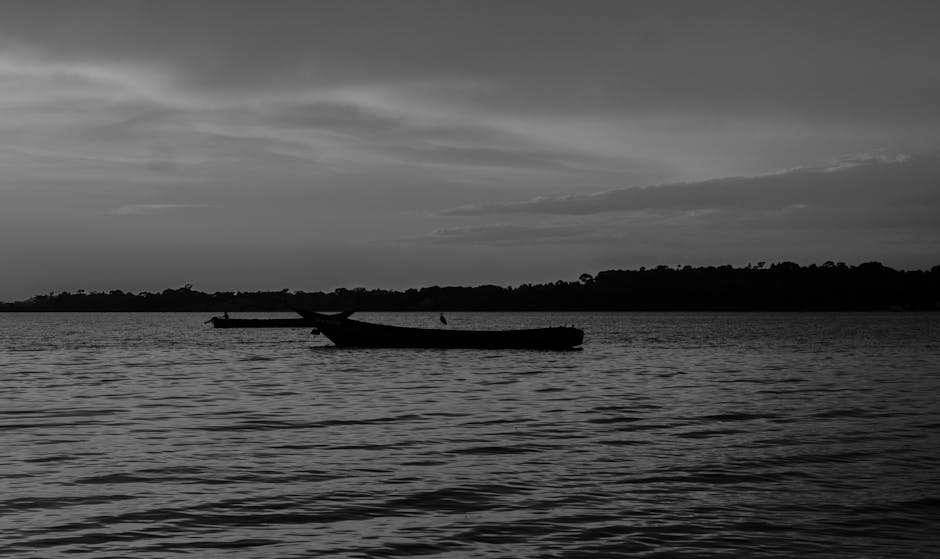
A scenic view of a wooden boat moored on Lake Victoria near Jinja, Lake Opeta, Uganda
- Historic Architecture: The traditional Iteso homesteads, with their distinctive conical grass-thatched roofs and granaries on stilts, showcase a living architectural heritage adapted perfectly to the floodplain environment.
- Cultural Scene: The annual Emorimor Cultural Festival in Soroti, the nearest major town, is a vibrant display of Iteso dance, music, and storytelling, offering a deep dive into the region’s identity.
- Local Specialties: You must try *Ajon* (local millet beer), a slightly sour, fermented brew that is central to social gatherings and ceremonies within the lakeside communities.
Pro Tip: Your best bet for birdwatching, especially to spot the elusive shoebill, is during the dry seasons from December to February and June to July. Water levels recede, concentrating fish and birdlife closer to the edges of the permanent swamp, making sightings far more reliable. Aim for early morning (6:30 AM – 10 AM) boat excursions when activity is highest.
Map of Lake Opeta, Uganda
Use these interactive maps to explore Lake Opeta, Uganda and plan your route:
📍 View Lake Opeta, Uganda on OpenStreetMap
🗺️ Open Lake Opeta, Uganda in Google Maps
Planning Your Trip: Practical Essentials
Getting There and Around
- By Air: The nearest major airport is Entebbe International Airport (EBB). From there, you’ll need to travel overland. Book flights at Skyscanner for best deals.
- By Train: There are no direct passenger rail services to the Lake Opeta basin. Overland travel by road is the only practical option.
- By Car: The drive from Kampala to Soroti, the gateway town, takes 4-5 hours via the Mbale-Soroti Road. A 4×4 vehicle is highly recommended, especially if you plan to explore tracks near the swamp edges. Compare car rentals at RentalCars.com.
- Local Transport: From Soroti, you’ll need to hire a local guide with a vehicle or a *boda-boda* (motorcycle taxi) to reach launch points like Gweri or Kamuda. For exploring the lake itself, locally arranged wooden boats or *mokoros* are essential.
Best Time to Visit
The best time to visit hinges on your priorities: dry seasons offer prime wildlife viewing, while the green season reveals a lush, flooded landscape. Savvy travelers often target the shoulder months for a balance.
| Season | Weather | Highlights |
|---|---|---|
| Dry Season (Dec–Feb, Jun–Jul) | Warm, 24-30°C (75-86°F), low humidity, minimal rain. | Excellent birdwatching, easier navigation in the swamps, high chance of spotting shoebills. Peak season for tours. |
| Wet Season (Mar–May, Aug–Nov) | 25-28°C (77-82°F), high humidity, frequent afternoon showers. | Lush, green scenery, dramatic skies, fewer visitors. Bird breeding plumage is spectacular, but access can be challenging. |
| Shoulder (Late Feb, Late Jul) | Transitional, warm with sporadic rain. | Good wildlife viewing with thinner crowds and vibrant landscapes as the rains begin or end. |
Budgeting for Lake Opeta, Uganda

Artistic shot of Ugandan coins featuring creative lighting and macro details, Lake Opeta, Uganda
| Category | Budget | Mid-range | Luxury |
|---|---|---|---|
| Accommodation | UGX 40,000-80,000 ($10-$20) for basic guesthouses in Soroti. | UGX 150,000-300,000 ($40-$80) for comfortable lodges or eco-camps near the lake. | UGX 400,000+ ($100+) for full-board safari-style tented camps with guided activities included. |
| Meals | UGX 5,000-15,000 ($1.25-$4) for street food or local eateries (rolex, *matooke*). | UGX 20,000-50,000 ($5-$13) for meals at hotel restaurants or nicer local spots. | UGX 70,000+ ($18+) for curated meals at exclusive camps. |
| Transport | UGX 10,000-20,000 ($2.50-$5) for *boda-boda* rides; shared taxis. | UGX 150,000-250,000 ($40-$65) per day for a private 4×4 hire with driver. | UGX 400,000+ ($100+) for private charter flights from Entebbe to Soroti airstrip. |
| Activities | Free birdwatching from shore; community visits (small donation expected). | UGX 100,000-200,000 ($25-$50) for a 3-hour guided boat trip for 2-3 people. | UGX 300,000+ ($75+) for full-day private guided expeditions with specialist bird guides. |
| Daily Total | UGX 55,000-115,000 ($14-$29) | UGX 420,000-800,000 ($105-$200) | UGX 1,170,000+ ($295+) |
Top Attractions and Must-See Sights
| Attraction | Description | Hours | Entry Fee |
|---|---|---|---|
| Shoebill Stork Spotting by Boat | A guided boat trip into the papyrus channels offers a chance to see this prehistoric-looking, critically endangered bird in its natural habitat. | Trips start at dawn (6:30 AM) or late afternoon (4 PM). | UGX 100,000-250,000 ($25-$65) per boat (2-3 people), includes guide. |
| Lake Opeta Ramsar Site | Explore one of Uganda’s most significant wetlands, home to over 300 bird species, including the papyrus gonolek and sitatunga antelope. | Accessible daylight hours; guided tours recommended. | Community/Guide fees apply (~UGX 50,000/$13 per person). |
| Iteso Cultural Experience | Visit a local homestead to learn about traditional farming, basket weaving from papyrus, and the significance of the *Emorimor* (cultural leader). | Arranged by appointment, typically mornings or late afternoons. | UGX 20,000-50,000 ($5-$13) as a respectful community contribution. |
| Soroti Rock | A massive granite inselberg offering panoramic views over the town and the vast Opeta plains; a site of historical and spiritual significance. | Daylight hours. | Free, but a small tip for local guides is appreciated. |
3-Day Itinerary: Lake Opeta, Uganda’s Highlights & Hidden Gems
Day 1: Arrival & Immersion in Soroti
- Morning: Arrive in Soroti from Kampala. Check into your accommodation, like the Soroti Hotel or a local guesthouse. Acclimate with a walk to the central market to see vibrant piles of fresh produce, silver *omena* fish, and local crafts.
- Afternoon: Hire a *boda-boda* (UGX 10,000/$2.50) to visit Soroti Rock. Climb to the top for a breathtaking 360-degree view that frames the scale of the surrounding wetland. Have lunch at Green Valley Restaurant for hearty local staples like beef stew with *posho* (maize porridge).
- Evening: Enjoy a relaxed dinner at your hotel. If it’s a weekend, ask locals if there’s any traditional dance performance happening—these are often spontaneous and authentic.
Day 2: The Heart of the Wetlands
- Morning: Depart at 6:00 AM for a 45-minute drive to a launch site like Gweri. Meet your local guide and embark on a 3-4 hour boat safari (UGX 150,000/$38 for the boat). Your mission: find the shoebill stork. Glide through quiet papyrus channels alive with malachite kingfishers, African fish eagles, and herds of hippos.
- Afternoon: Return to shore for a packed lunch. Visit a nearby Iteso homestead. You’ll be shown how to weave with papyrus and learn about the ingenious design of their granaries, raised to protect harvests from floods and pests.
- Evening: Return to Soroti. For dinner, try Lacam Lodge for a slightly wider menu. Sample the *Ajon* (millet beer) respectfully—it’s a cultural experience, not just a drink.
Day 3: Community & Departure
- Morning: Visit the Soroti Central Market again with fresh eyes, perhaps buying some pure shea butter or a hand-woven basket as a sustainable souvenir. Alternatively, take a short drive to a local primary school (arranged via your guide with prior notice and a donation of scholastic materials) for a humbling and joyful cultural exchange.
- Afternoon: Enjoy a final lunch—perhaps a “rolex” (chapati rolled with eggs and vegetables) from a street vendor. Begin your journey back to Kampala or towards your next Ugandan destination, like Sipi Falls or Kidepo Valley National Park.
- Evening: Depart from Soroti or, if staying, reflect on your journey over a quiet dinner. The sounds of the wetland will feel far away, but the memory of that prehistoric shoebill stare will linger.
Cultural Insights & Etiquette
- Language: The local language is Ateso, though English and Swahili are widely understood. A simple “Eyalama noi” (Thank you very much) goes a long way.
- Customs: Always greet people politely before asking questions or taking photographs. It is respectful to ask for permission before photographing individuals. The left hand is considered unclean, so use your right hand for giving and receiving items, especially money or food.
- Tipping: Tipping is appreciated but not always expected. For guides, 10-15% of the tour cost is a good guideline. For restaurant staff where no service charge is added, rounding up the bill is sufficient.
- Dress Code: Modesty is key. Wear knee-length shorts or trousers and tops that cover the shoulders, especially when visiting villages or rural areas. Neutral, earth-toned clothing is best for birdwatching.
- Business Hours: Shops and markets are typically open from 8 AM to 6 PM, with a slower pace in the midday heat. Government offices operate from 8 AM to 5 PM, Monday to Friday.
Where to Eat: Lake Opeta, Uganda’s Best Bites
Dining here is about authentic, local sustenance. You won’t find fine-dining establishments, but you will discover flavorful, hearty meals centered on fresh lake fish, millet, and matooke (steamed green bananas). The best food is often found in simple local eateries or as part of your lodge’s set menu.
Must-Try Local Specialties
- Fried Silver Fish (Omena): These tiny, nutrient-rich fish from the lake are dried or fried until crispy and eaten whole. They’re a delicious, salty snack or side dish, often served with a wedge of lime.
- Malakwang: A signature Iteso dish of sour leafy greens (similar to sorrel) cooked in groundnut (peanut) paste, often served with sweet potatoes or *atapa* (millet bread). It’s a unique, tangy, and creamy combination.
- Atapa with G-nut Sauce: Atapa is a thick, fermented millet porridge. It’s served with a rich, savory sauce made from groundnuts (peanuts), which is a staple protein source in the region.
Restaurant Recommendations by Budget
| Type | Restaurant | Specialty | Price Range |
|---|---|---|---|
| Budget | Street Vendors & Local Eateries (Soroti Town) | Fresh “Rolex”, roasted maize, chapati with beans. | UGX 2,000-10,000 ($0.50-$2.50) |
| Mid-range | Green Valley Restaurant (Soroti) | Reliable local and continental dishes in a clean setting; good for grilled tilapia. | UGX 15,000-35,000 ($4-$9) |
| Fine dining | Lacam Lodge Restaurant (Soroti) | The closest to upscale in the area, with a varied menu and a pleasant garden setting. | UGX 25,000-60,000 ($6-$15) |
Where to Stay
Accommodation ranges from basic town guesthouses to a handful of charming eco-lodges and tented camps closer to the lake itself. Staying near the lake maximizes your wilderness experience, while Soroti town offers more convenience and lower costs. Compare prices and book at Booking.com or Airbnb for apartments (though options are limited).
Best Neighborhoods for Accommodation
- Soroti Town Centre: The most convenient location for amenities, banks, and markets. Offers a range of budget to mid-range hotels. It’s a 30-45 minute drive to the prime wetland areas. Best for independent travelers on a tighter budget.
- Lake Opeta Fringe (e.g., Gweri, Kamuda): This is where savvy visitors stay for an immersive experience. A few community-run camps and lodges offer basic but clean accommodation right on the wetland’s edge. You’ll fall asleep to the sounds of frogs and birds and be first on the water at dawn.
- Exclusive Tented Camps: A couple of private, full-board camps operate in the region, offering luxury under canvas with expert guiding included. This is the choice for serious birdwatchers and those seeking comfort in the wilderness.

Close-up of a lone buffalo in the expansive Ugandan savanna, Lake Opeta, Uganda
FAQs: Your Lake Opeta, Uganda Questions Answered
1. Is Lake Opeta, Uganda safe at night?
Generally, yes, but standard precautions apply. In Soroti town, avoid walking alone in poorly lit areas at night. In the remote areas around the lake, you will be within your lodge or camp’s confines after dark. The
Explore More Destinations
- Jozani, Tanzania on a Budget: an Ancient Forest for $35/Day (2026)
- Nsumbu, Zambia on a Budget: Wild Africa for $40/Day (2026)
- Semporna, Malaysia on a Budget: Paradise for $35/Day (2026)
- Khuzestan, Iran on a Budget: Ancient Empires for $30/Day (2026)
- Ngerulmud, Palau on a Budget: Island Majesty for $45/Day (2026)
Ready to Visit Lake Opeta?
Start planning your trip today. Compare hotels, find the best tours, and get insider tips.
Your adventure in Lake Opeta starts here →
Related Guides
Explore more destinations similar to Lake Opeta:
- Saint Paul Island, French Southern and Antarctic Lands
- Caleta Olivia, Argentina’s Essential Oil, Penguins & Patagonian Pioneers (2026)
- Bangkok’s Amazing Street Food, Temples & River Life (2025)
- Pakokku, Myanmar’s Essential Cheroots, Chinthe & The Chindwin River (2026)
{“@context”: “https://schema.org”, “@type”: “FAQPage”, “mainEntity”: [{“@type”: “Question”, “name”: “What is the best time to visit Lake Opeta?”, “acceptedAnswer”: {“@type”: “Answer”, “text”: “The best time to visit Lake Opeta depends on your preferences. Generally, the dry season offers the most pleasant weather for sightseeing and outdoor activities.”}}, {“@type”: “Question”, “name”: “How many days do I need in Lake Opeta?”, “acceptedAnswer”: {“@type”: “Answer”, “text”: “Most travelers spend 3-5 days in Lake Opeta to see the main attractions. A week allows for a more relaxed pace and day trips.”}}, {“@type”: “Question”, “name”: “Is Lake Opeta expensive to visit?”, “acceptedAnswer”: {“@type”: “Answer”, “text”: “Lake Opeta can be visited on various budgets. Accommodation ranges from hostels to luxury hotels, and local restaurants offer affordable dining.”}}]}

