
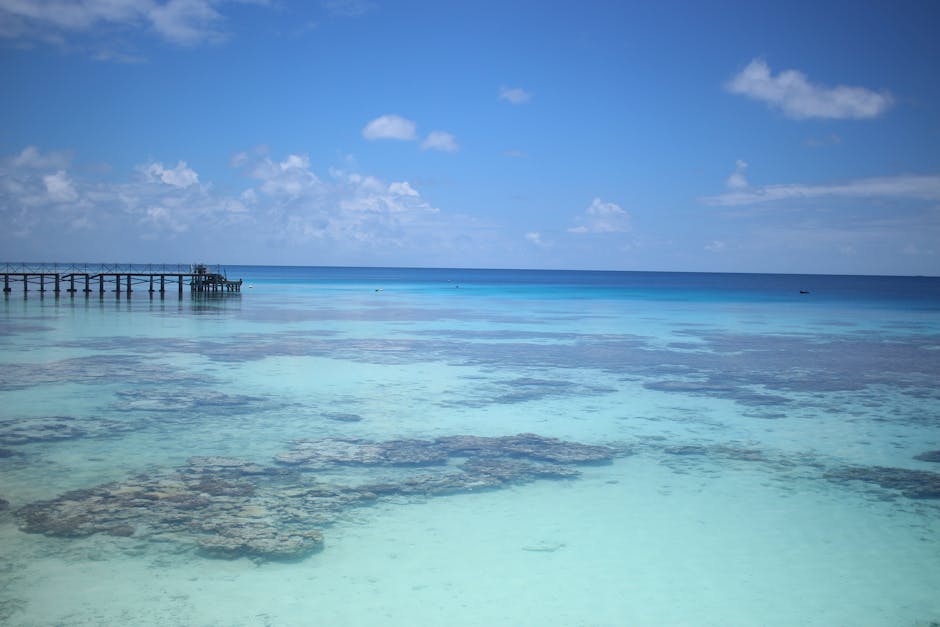
Tuamotu Archipelago, French Polynesia: Essential Atolls, Pearls & Unfiltered Paradise (2026)
While crowds flock to Bora Bora’s overwater bungalows, the Tuamotu Archipelago delivers a raw, unfiltered Polynesian experience across 78 atolls spanning an ocean area the size of Western Europe. Here, you won’t find dramatic volcanic peaks, but rather the world’s largest chain of coral atolls, where the highest point is often a coconut palm and the real drama unfolds beneath a lagoon so vast it can be seen from space. This is a destination defined by water, silence, and a pace of life measured by the tide.
Why Tuamotu Archipelago, French Polynesia Stands Out
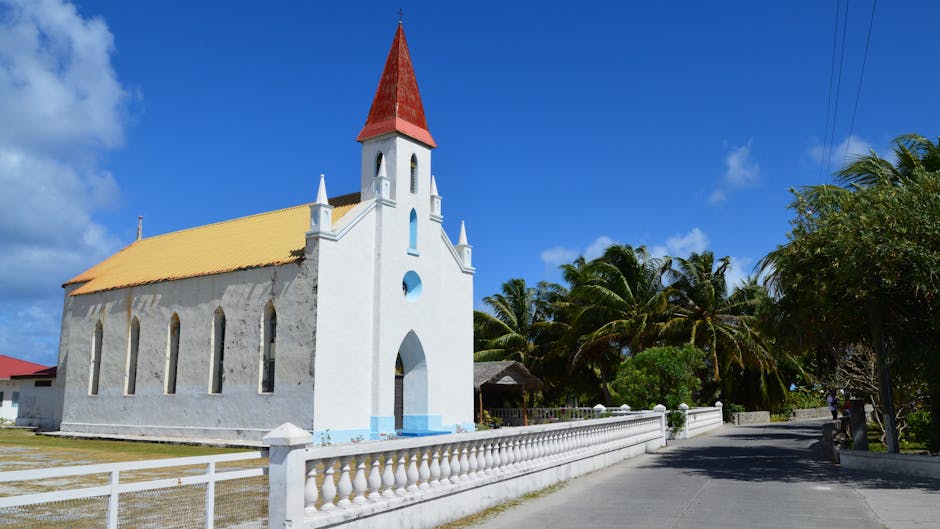
A picturesque chapel with red roof along a palm-lined road under a clear bl…, Tuamotu Archipelago, French Polynesia
- Historic Architecture: The 19th-century Coral Stone Church of St. Michael in Rikitea, Mangareva (built 1839), stands as a testament to early missionary influence, constructed entirely from local coral block.
- Cultural Scene: The Heiva I Tuamotu festival in July showcases fierce traditional dance competitions, outrigger canoe racing, and coconut husking contests that feel worlds away from tourist performances.
- Local Specialties: You must try Poisson Cru, the national dish of raw tuna marinated in lime juice and coconut milk, but here it’s often made with catch so fresh it was swimming hours before.
Pro Tip: The absolute best time to visit is during the dry season from May to October, but target the shoulder months of May or October specifically. You’ll avoid the peak July-August crowds and prices from French holidaymakers, while still enjoying superb weather with less rain and lighter winds for lagoon excursions.
Map of Tuamotu Archipelago, French Polynesia
Use these interactive maps to explore Tuamotu Archipelago, French Polynesia and plan your route:
📍 View Tuamotu Archipelago, French Polynesia on OpenStreetMap
🗺️ Open Tuamotu Archipelago, French Polynesia in Google Maps
Planning Your Trip: Practical Essentials
Getting There and Around
- By Air: International flights land at Faa’a International Airport (PPT) in Tahiti. From there, Air Tahiti operates all inter-island “Air Pass” flights to atolls like Rangiroa (RGI), Tikehau (TIH), Fakarava (FAV), and Manihi (XMH). These are small propeller planes; book flights well in advance at Skyscanner for best deals.
- By Boat: The cargo/passenger ship “Aranui” offers a legendary 14-day cruise through the Tuamotus, acting as a lifeline for remote communities. It’s part freighter, part luxury cruise. Book a year ahead.
- Local Transport: On the atolls, there are no public buses. Your options are rental bicycles (approx. $15/day), small rental cars or buggies (rare and expensive, ~$80/day), or hotel transfers. For crossing lagoons to *motus* (small islets), you’ll need to arrange a boat transfer with your pension or a local guide.
Best Time to Visit
The Tuamotus have a tropical climate with a distinct wet and dry season. The dry season offers ideal conditions for diving and lagoon exploration, while the wet season sees more rain but fewer visitors and lush vegetation.
| Season | Weather | Highlights |
|---|---|---|
| Dry Season (May–Oct) | 77-86°F (25-30°C), low humidity, less rain, steady trade winds. | Perfect diving visibility (40m+), peak whale shark season in Fakarava South Pass (Aug-Oct), major festivals, but highest prices and crowds. |
| Wet Season (Nov–Apr) | 79-91°F (26-33°C), high humidity, frequent tropical showers, chance of cyclones. | Lush landscapes, excellent fishing, lowest tourist numbers and better lodging deals. Diving is still good but weather-dependent. |
| Shoulder (Apr, Nov) | Transitional weather, warm temperatures, sporadic rain. | A sweet spot with decent weather, thinning crowds, and prices starting to drop or not yet peaked. Ideal for travelers seeking balance. |
Budgeting for Tuamotu Archipelago, French Polynesia

Cozy swing on a porch with stunning view of Huahine’s tranquil waters and l…, Tuamotu Archipelago, French Polynesia
| Category | Budget | Mid-range | Luxury |
|---|---|---|---|
| Accommodation | $80-120/night (simple pension with shared bath) | $200-400/night (comfortable pension or modest bungalow) | $600-1500+/night (high-end resort overwater bungalow) |
| Meals | $15-25/meal (snack bars, food trucks “roulottes”) | $30-50/meal (pension half-board or local restaurant) | $80-150+/meal (resort fine dining) |
| Transport | $15/day (bike rental), $50 inter-atoll boat trip | $80/day (buggy rental), $150-300 scenic flight | $500+/day (private boat charter) |
| Activities | Free (beaches, snorkeling from shore) | $80-120 (guided lagoon/dive trip) | $300+ (private diving/sailing excursion) |
| Daily Total | $150-250 | $400-700 | $1200+ |
Top Attractions and Must-See Sights
| Attraction | Description | Hours | Entry Fee |
|---|---|---|---|
| Tiputa Pass, Rangiroa | One of the world’s best dive sites, a rushing channel where sharks, dolphins, and mantas gather in a breathtaking underwater spectacle. | Dive trips at 8:30 AM & 1:30 PM | $110-150 for a two-tank dive |
| Blue Lagoon, Rangiroa | A stunning, shallow inner lagoon within the atoll, accessible by boat, with blindingly white sand and water in every shade of blue. | Full-day trips depart 9 AM | $80-100 per person for tour |
| Garue Pass, Fakarava (South) | A UNESCO Biosphere Reserve dive site known as the “Wall of Sharks,” where hundreds of grey reef sharks patrol the current. | Dive trips align with slack tide | $120-160 for a two-tank dive |
| Pink Sand Beach, Tikehau | A breathtaking stretch of sand tinted pink by crushed coral, offering some of the archipelago’s most serene swimming and snorkeling. | Accessible all day via boat | ~$60 for roundtrip boat transfer |
3-Day Itinerary: Tuamotu Archipelago’s Highlights & Hidden Gems (Based in Rangiroa)
Day 1: Immersion in the Infinite Lagoon
- Morning (7:30 AM): Join a morning dive or snorkel trip through the legendary Tiputa Pass with Raie Manta Club. The outgoing tide creates a thrilling “drift dive” past sleeping sharks and bustling marine life. Non-divers can snorkel the pass’ edge.
- Afternoon (12:30 PM): Lunch on fresh tuna burgers at Snack Blue Dolphins in Avatoru village. Then, rent a bicycle and pedal the 10km road between Avatoru and Tiputa villages, stopping at the bridge to watch for dolphins playing in the current.
- Evening (6:00 PM): Enjoy a sunset cocktail at Kia Ora Resort’s bar overlooking the lagoon. For dinner, head to Relais de Josephine for authentic French-Polynesian cuisine like Mahi-Mahi in vanilla sauce (approx. $45).
Day 2: Motus, Pearls & Isolation
- Morning (8:30 AM): Take a full-day boat excursion to the “Blue Lagoon” and “Reef Island” (~$100). You’ll wade in knee-deep aquamarine water, visit a bird sanctuary, and enjoy a traditional BBQ lunch on a deserted *motu*.
- Afternoon (2:00 PM): Return to the main island and visit Gauguin’s Pearl farm for a fascinating tour explaining the intricate process of cultivating the famous black Tahitian pearl. Even if you don’t buy, it’s a cultural insight.
- Evening (7:00 PM): Dine at Les Relais des Pêcheurs, a rustic restaurant built over the water in Tiputa, known for its incredible seafood platters and the chance to see stingrays glide beneath your feet.
Day 3: Culture, Vitare’a & Departure
- Morning (9:00 AM): Visit the Rangiroa Vineyard, the world’s only coral atoll vineyard. The unique *terroir* produces a surprisingly good wine. Tour and tasting cost ~$25. Pick up a bottle as a unique souvenir.
- Afternoon (12:00 PM): Final lunch at Chez Lili et Tony, a beloved local spot in Tiputa. Try their Poisson Cru or grilled lobster. Afterwards, take one last swim at the public beach near the airport, arguably as beautiful as any resort beach.
- Evening (5:00 PM): If your flight permits, savor a final Hinano beer at the airport’s open-air terminal, watching the small planes come and go as the sun sets over the endless Pacific.
Cultural Insights & Etiquette
- Language: French and Tahitian are official. Key phrases: ‘Ia ora na (Hello), Mauruuru (Thank you), Nana (Goodbye). English is understood in resorts but less so in family pensions.
- Customs: Always greet people with a smile and a hello. It’s polite to remove shoes before entering someone’s home. Respect the “tapu” (sacred) sites, which are often marked.
- Tipping: Not expected or customary in Polynesian culture. A sincere “Mauruuru” is appreciated. In high-end resorts, a small tip for exceptional service is sometimes accepted but never demanded.
- Dress Code: Swimwear is for the beach/pool only. Cover up with a pareo when walking through villages or entering shops. Dress is generally casual but neat.
- Business Hours: Shops open early (6-7 AM), close for a long lunch (11:30 AM-2 PM), and reopen until 5 PM. Sunday is strictly for church and family; almost everything is closed.
Where to Eat: Tuamotu Archipelago’s Best Bites
Dining in the Tuamotus is a celebration of the sea. Menus are dictated by the day’s catch. You’ll eat in family-run “pensions” offering “table d’hôte” (host’s table) meals, simple snack shacks, or resort restaurants. The focus is on freshness, not fussy presentation.
Must-Try Local Specialties
- Poisson Cru au Lait de Coco: The essential dish. Diced raw tuna or jackfish “cooked” in lime juice, then mixed with diced vegetables and creamy coconut milk. Best tried at any family pension.
- Chevrettes: Freshwater prawns, often raised in atoll ponds, typically grilled with garlic butter. Look for them at Relais de Josephine in Rangiroa.
- Firifiri: A popular breakfast treat—deep-fried doughnuts shaped like a figure-eight, best eaten warm from a roadside stall.
Restaurant Recommendations by Budget
| Type | Restaurant | Specialty | Price Range |
|---|---|---|---|
| Budget | Snack Moeava (Rangiroa) | Hearty plates of grilled fish, chow mein, and burgers. | $10-20 |
| Mid-range | Pension Teina et Marie (Tikehau) | Authentic family-style “table d’hôte” with multiple courses of local fare. | $30-40 for full meal |
| Fine dining | Kia Ora Resort Restaurant (Rangiroa) | Elegant French-Polynesian fusion with impeccable lagoon views. | $80-120+ |
Where to Stay
Accommodation defines your Tuamotu experience. Choices range from rustic family pensions offering deep cultural immersion to luxurious overwater bungalows providing ultimate privacy and service. Location is key—staying on a remote *motu* means incredible isolation but reliance on boat transfers. Compare prices and book at Booking.com or Airbnb for apartments (though true Airbnb is rare on atolls).
Best Neighborhoods for Accommodation
- Avatoru/Tiputa (Rangiroa): The two main villages on the atoll’s main “island.” You’ll have access to shops, restaurants, and dive centers. Best for independent travelers and divers who want convenience and local life. Accommodation is mostly pensions and small hotels.
- Remote Motu (Various Atolls): A tiny islet on the outer reef. Offers total seclusion, stunning private beaches, and a castaway feeling. Suits honeymooners and those seeking digital detox. Requires boat transfers and often full-board stays (e.g., Tikehau Pearl Beach Resort).
- Rotoava Village (Fakarava): The main village on Fakarava’s long, narrow island. Has a laid-back, spread-out feel with a few shops and pensions. Ideal for divers targeting the famous passes and travelers wanting a quiet, community-oriented base.

Idyllic overwater bungalows with lush greenery and turquoise waters in Fren…, Tuamotu Archipelago, French Polynesia
FAQs: Your Tuamotu Archipelago Questions Answered
1. Is Tuamotu Archipelago safe at night?
Extremely safe. Violent crime is virtually unheard of. Petty theft can occur, so use common sense: don’t leave valuables unattended on the beach. The main hazards are natural: strong currents in passes, sharp coral, and sun exposure. Always heed local advice about swimming and boating conditions.
2. What currency is used and are credit cards accepted?
The currency is the French Pacific Franc (XPF or CFP). Euros are NOT accepted. Major credit cards (Visa/Mastercard) are accepted at resorts, pearl shops, and some larger restaurants. However, in family pensions, small snack bars, and for local tours, cash is king. ATMs are only available on Rangiroa and Fakarava; withdraw cash in Tahiti before flying out.
3. How do I get from the airport to my hotel?
Most pensions and all resorts offer airport transfers, often included in your stay or for a small fee (approx. $10-20 per person). It’s crucial to confirm this in advance. There are no taxis waiting at these small airstrips. If you haven’t arranged a transfer, you may be stranded. Book reliable airport transfers in advance through your accommodation or a platform like GetYourGuide for peace of mind.
4. Do I need to speak French or Tahitian
Related Guides
Explore more destinations similar to Tuamotu Archipelago:
- Mashhad’s Ferdowsi Tomb, Iran: Ultimate Epic Poetry, Persian Pride & Architectural Grandeur (2025)
- Salta, Argentina’s Ultimate Andean Peaks, Colonial Charm & Empanada Heaven (2025)
- Kandi, Benin: Best Cotton Fields, Traditional Kingdoms & Authentic Northern Culture (2025)
- Florence, Italy’s Best Renaissance Art, Tuscan Cuisine & Architectural Marvels (2025)
{“@context”: “https://schema.org”, “@type”: “FAQPage”, “mainEntity”: [{“@type”: “Question”, “name”: “What is the best time to visit Tuamotu Archipelago?”, “acceptedAnswer”: {“@type”: “Answer”, “text”: “The best time to visit Tuamotu Archipelago depends on your preferences. Generally, the dry season offers the most pleasant weather for sightseeing and outdoor activities.”}}, {“@type”: “Question”, “name”: “How many days do I need in Tuamotu Archipelago?”, “acceptedAnswer”: {“@type”: “Answer”, “text”: “Most travelers spend 3-5 days in Tuamotu Archipelago to see the main attractions. A week allows for a more relaxed pace and day trips.”}}, {“@type”: “Question”, “name”: “Is Tuamotu Archipelago expensive to visit?”, “acceptedAnswer”: {“@type”: “Answer”, “text”: “Tuamotu Archipelago can be visited on various budgets. Accommodation ranges from hostels to luxury hotels, and local restaurants offer affordable dining.”}}]}

