
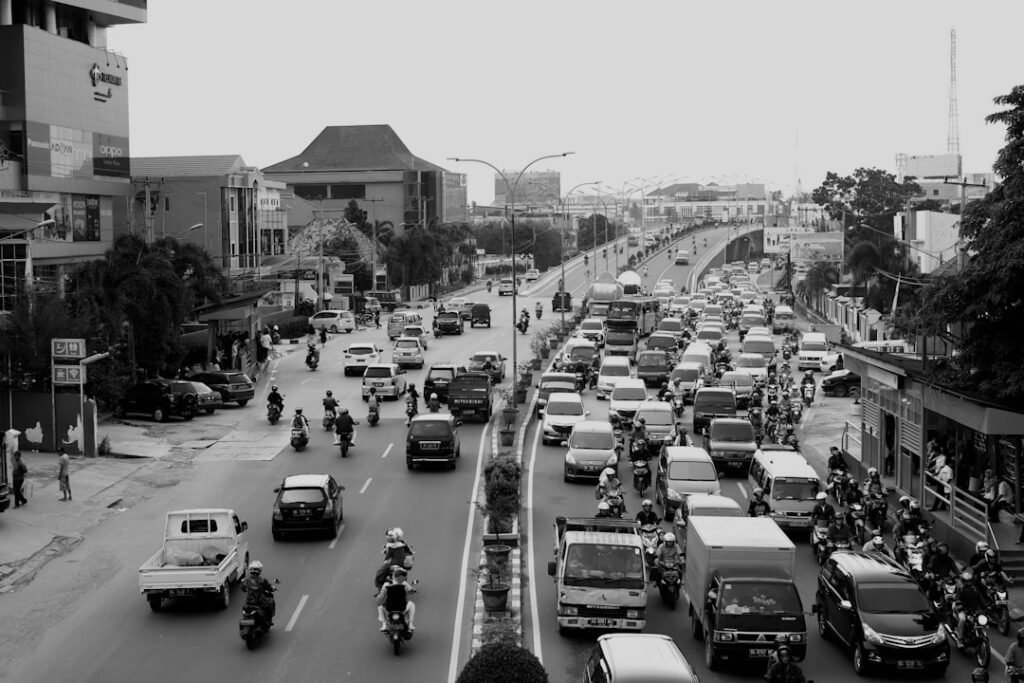
Palembang, Indonesia’s Ultimate Bridges, Spice & Ancient Kingdoms (2026)
Just after sunset, the Ampera Bridge transforms from a vital artery into a dazzling light show, its central span glowing against the darkening Musi River. Below, the rhythmic putter of traditional *ketek* boats ferries locals home, while the air carries the unmistakable, sweet-spicy aroma of *pempek* fish cakes frying in roadside stalls. This is Palembang—a city where a 1,300-year-old Srivijaya Kingdom legacy hums beneath the surface of a modern, bustling metropolis, offering a raw and rewarding slice of Sumatran life far from the well-trodden Bali trail.
Why Palembang, Indonesia Stands Out

Standing man looking at body of water, Palembang, Indonesia
- Historic Architecture: The Great Mosque of Palembang, built in 1748, is a stunning fusion of Indonesian, Chinese, and European design, symbolizing the city’s historic role as a cultural crossroads.
- Cultural Scene: The annual Bidar Race Festival in August sees hundreds of traditional longboats racing on the Musi River, a vibrant, centuries-old tradition celebrating the city’s riverine culture.
- Local Specialties: You must try Pempek, the city’s iconic savory fish cake served with a sharp, sweet vinegar and cucumber sauce—it’s the soul food of South Sumatra.
Pro Tip: Visit during the dry season from May to September for the most reliable weather, but aim for weekdays outside of major Indonesian holidays (like Eid al-Fitr) to experience attractions like the Kemaro Island temple complex without the intense local crowds.
Map of Palembang, Indonesia
Use these interactive maps to explore Palembang, Indonesia and plan your route:
📍 View Palembang, Indonesia on OpenStreetMap
🗺️ Open Palembang, Indonesia in Google Maps
Planning Your Trip: Practical Essentials
Getting There and Around
- By Air: Sultan Mahmud Badaruddin II International Airport (PLM) connects to Jakarta, Batam, and other major Indonesian cities via Garuda, Lion Air, and Citilink. A taxi to the city center takes 30-40 minutes and costs around 150,000 IDR. Book flights at Skyscanner for best deals.
- By Train: Overnight trains from Jakarta (10-12 hours) offer a scenic and affordable journey. The main station is Kertapati. Reserve tickets at Trainline or the national railway website.
- By Car: Driving from Jakarta is a long haul (over 10 hours). In the city, traffic can be heavy. Renting a car with a driver is a savvy and common choice for day trips. Compare car rentals at RentalCars.com.
- Local Transport: The city bus system (Trans Musi) is cheap (3,500 IDR per ride) but can be confusing for newcomers. *Angkot* (shared minivans) follow set routes. For simplicity, use ride-hailing apps like Gojek or Grab for bikes and cars, which are ubiquitous and inexpensive.
Best Time to Visit
Palembang’s tropical climate means it’s warm and humid year-round, with the main distinction being the rainy and dry seasons. The dry season offers the best conditions for exploring outdoor markets and river attractions.
| Season | Weather | Highlights |
|---|---|---|
| Dry Season (May–Sep) | Hot, 28-34°C (82-93°F), lower humidity, less rain | Ideal for river tours, festivals like Bidar Race (Aug), and exploring outdoor sites; peak for domestic tourism. |
| Rainy Season (Oct–Apr) | Very humid, 26-32°C (79-90°F), frequent heavy afternoon showers | Lush greenery, fewer tourists, lower prices; some outdoor activities may be disrupted. |
| Shoulder (May/Jun & Sep) | Warm, 28-32°C (82-90°F), transitioning weather | The sweet spot: good weather, manageable crowds, and vibrant local life. |
Budgeting for Palembang, Indonesia

Man walking on alleyway, Palembang, Indonesia
| Category | Budget | Mid-range | Luxury |
|---|---|---|---|
| Accommodation | Hostel/guesthouse: 150,000 – 300,000 IDR/night | 3-4 star hotel: 500,000 – 1,200,000 IDR/night | 5-star hotel (Swiss-Belhotel): 1,500,000+ IDR/night |
| Meals | Street food & warungs: 20,000 – 50,000 IDR/meal | Local restaurants: 60,000 – 150,000 IDR/meal | Fine dining: 200,000+ IDR/meal |
| Transport | Public bus/Grab Bike: 5,000 – 25,000 IDR/trip | Grab Car/taxi: 30,000 – 80,000 IDR/trip | Private car with driver: 600,000+ IDR/day |
| Activities | Mosques, markets, walking tours (free) | Museum entry, river tours: 25,000 – 100,000 IDR | Private guided heritage tours |
| Daily Total | 400,000 – 600,000 IDR | 1,000,000 – 1,800,000 IDR | 2,500,000+ IDR |
Top Attractions and Must-See Sights
| Attraction | Description | Hours | Entry Fee |
|---|---|---|---|
| Ampera Bridge | The iconic vertical-lift bridge over the Musi River, spectacularly illuminated at night. | 24/7 (best view at sunset) | Free |
| Kemaro Island | A river island with a Chinese temple, pagoda, and legendary love story, accessible by boat. | 8 AM – 6 PM | Free (Boat ~50,000 IDR return) |
| Sultan Mahmud Badaruddin II Museum | Housed in the old Dutch palace, it traces Palembang’s history from Srivijaya to independence. | 8 AM – 4 PM (Closed Mon) | 5,000 IDR |
| Al-Qur’an Al-Akbar | The world’s largest wooden Quran, with breathtakingly intricate carvings on giant tembesu wood panels. | 8 AM – 5 PM | 10,000 IDR |
3-Day Itinerary: Palembang, Indonesia’s Highlights & Hidden Gems
Day 1: Riverine Heart & Historic Core
- Morning (7-9 AM): Start at Pasar 16 Ilir, the city’s main traditional market. Wander through the vibrant stalls selling spices, textiles, and fresh fish. Your best bet is to go early to beat the heat and see the market at its most active.
- Afternoon (12-3 PM): Visit the Sultan Mahmud Badaruddin II Museum to understand the city’s layered past. For lunch, head to Pempek Candy on Jalan Sudirman for a classic, no-frills plate of pempek kapal selam (a pempek variant with an egg inside).
- Evening (6-8 PM): Take an evening *ketek* boat ride from Boom Baru harbor (around 100,000 IDR for 30 mins) to see the Ampera Bridge light up. Follow with dinner at Riverside Restaurant for local grilled fish (*ikan bakar*) with a view.
Day 2: Cultural Crossroads & Island Legends
- Morning (8 AM): Visit the Great Mosque of Palembang (Masjid Agung). Dress modestly and admire the unique multi-tiered roof. Then, take a short walk to the nearby Kuto Besak Fortress, the last traditional palace complex built in Indonesia (late 18th century).
- Afternoon (1 PM): Hire a boat from Boom Baru (negotiate, approx. 150,000 IDR round-trip) to Kemaro Island. Explore the Hok Tjing Rio temple and hear the local legend of the undying tree. Have a simple lunch at one of the island’s floating restaurants.
- Evening (7 PM): Experience a more modern side of the city with dinner at Pagi Sore Restaurant, famous for its Padang-style cuisine. Then, stroll through the Jakabaring Sport City complex, built for the 2011 SEA Games, for a coffee.
Day 3: Artistic Marvels & Local Life
- Morning (9 AM): Take a Grab car (approx. 50,000 IDR) to the Al-Qur’an Al-Akbar in the Gandus suburb. The sheer scale and craftsmanship of this monument are awe-inspiring. Allow at least an hour to appreciate the details.
- Afternoon (12 PM): Return to the city center for lunch at RM Tempo Doeloe, a nostalgic-themed restaurant serving excellent Sumatran staples like *tempoyak* (fermented durian curry). Afterwards, browse for traditional Songket weaving at a shop like Songket Melayu.
- Evening (6 PM): For your final meal, dive into a local food court like Pempek Pak Raden. Order a mix of pempek varieties with *cuko* sauce. Savvy visitors know to end their trip with a sweet *es kacang* (shaved ice dessert) from a nearby vendor.
Cultural Insights & Etiquette
- Language: Bahasa Indonesia is universal. Locals appreciate a simple “*Terima kasih*” (Thank you) and “*Permisi*” (Excuse me). The local Palembang dialect has its own distinct flavor.
- Customs: Always use your right hand for giving, receiving, and eating. Public displays of affection are frowned upon. When visiting homes or mosques, it’s polite to remove your shoes.
- Tipping: Not mandatory but appreciated. Round up taxi fares, leave 5-10% at nicer restaurants if service isn’t included, and tip tour guides 50,000-100,000 IDR/day.
- Dress Code: Modest, lightweight clothing is recommended. Cover shoulders and knees, especially when visiting religious sites. Pack a scarf for women to cover hair in mosques.
- Business Hours: Shops typically open 9 AM – 9 PM. Government offices and museums often close on Mondays. Many businesses close for Friday prayers (around 12-2 PM).
Where to Eat: Palembang, Indonesia’s Best Bites
Palembang’s cuisine is a hearty, flavorful testament to its river and spice trade history. Meals are often centered around fish, coconut milk, and complex spice pastes. Don’t just eat—engage with vendors; they’re proud of their craft.
Must-Try Local Specialties
- Pempek: The undisputed king. Try different types: *Kapal Selam* (with egg), *Lenjer* (cylindrical), and *Adaan* (fried ball). For an authentic experience, join the queue at Pempek Vico near Ampera Bridge.
- Mie Celor: A rich noodle soup made with a coconut milk and shrimp-based broth, topped with boiled egg and prawns. Look for the legendary 86-year-old Mie Celor 26 Ilir stall.
- Tekwan: A comforting soup of fish dumplings, mushrooms, and vermicelli in a light, savory broth. Perfect for a light lunch; find it at most traditional food stalls (*warung*).
Restaurant Recommendations by Budget
| Type | Restaurant | Specialty | Price Range |
|---|---|---|---|
| Budget | Pempak Pak Raden (Multiple locations) | Wide variety of fresh pempek and local soups | 20,000 – 50,000 IDR |
| Mid-range | Rumah Makan Tempo Doeloe (Jl. Kolonel Atmo) | Atmospheric setting for classic Sumatran dishes | 60,000 – 150,000 IDR |
| Fine dining | Riverside Restaurant (Jl. Tengkuruk) | Fresh *ikan bakar* (grilled fish) with Musi River views | 150,000 – 300,000 IDR |
Where to Stay
Accommodation clusters around the city center near the Musi River for convenience, or in the more modern Jakabaring area near the sports complex. For a more local feel, consider a homestay. Compare prices and book at Booking.com or Airbnb for apartments.
Best Neighborhoods for Accommodation
- Seberang Ulu (City Center): The historic heart, close to the Ampera Bridge, museums, and main markets. Perfect for first-time visitors who want to walk to major sights. Can be noisy and congested.
- Seberang Ilir (North of Musi): A bustling commercial and government district with a wide range of hotels, malls, and restaurants. Offers more modern amenities and is well-connected by ride-hailing apps.
- Jakabaring: A newer, planned area south of the center. Home to sports facilities, wider streets, and some upscale hotels. Quieter but requires transport to reach main attractions (15-20 minute drive).

A view of trees and a building in the distance, Palembang, Indonesia
FAQs: Your Palembang, Indonesia Questions Answered
1. Is Palembang, Indonesia safe at night?
Generally, yes, especially in central and well-lit areas. As in any city, exercise common sense: avoid dark, deserted alleys, keep valuables secure, and use reputable ride-hailing services like Grab for transportation at night. The riverside areas are popular in the evenings and feel lively and safe.
2. What currency is used and are credit cards accepted?
The Indonesian Rupiah (IDR) is the currency. Carry ample cash, especially for markets, street food, and angkot rides. Credit cards are accepted in larger hotels, malls, and upscale restaurants, but don’t rely on them. ATMs are widely available.
3. How do I get from the airport to the city center?
The airport is about 10 km from the city. The most convenient options are a pre-booked airport taxi (fixed booth inside, ~150,000 IDR) or using the Grab app (slightly cheaper, ~100,000 IDR). The journey takes 30-40 minutes depending on traffic. Book airport transfers at GetYourGuide for convenience.
4. Do I need to speak the local language?
Not strictly
Related Guides
Explore more destinations similar to Palembang:
- Lacluta, Timor-Leste’s Hidden Resilience, Rainforests & Remote Culture (2026)
- Hawaii, USA’s Best Aloha Spirit, Volcanic Majesty & Ocean Adventures (2026)
- Laguna, Philippines’s Hidden Hot Springs, Heritage & Hidden Waterfalls (2026)
- Kruja, Albania’s Essential Castles, Crafts & National Pride (2025)
{“@context”: “https://schema.org”, “@type”: “FAQPage”, “mainEntity”: [{“@type”: “Question”, “name”: “What is the best time to visit Palembang?”, “acceptedAnswer”: {“@type”: “Answer”, “text”: “The best time to visit Palembang depends on your preferences. Generally, the dry season offers the most pleasant weather for sightseeing and outdoor activities.”}}, {“@type”: “Question”, “name”: “How many days do I need in Palembang?”, “acceptedAnswer”: {“@type”: “Answer”, “text”: “Most travelers spend 3-5 days in Palembang to see the main attractions. A week allows for a more relaxed pace and day trips.”}}, {“@type”: “Question”, “name”: “Is Palembang expensive to visit?”, “acceptedAnswer”: {“@type”: “Answer”, “text”: “Palembang can be visited on various budgets. Accommodation ranges from hostels to luxury hotels, and local restaurants offer affordable dining.”}}]}

