
Gocta, Peru’s Incredible Waterfalls, Cloud Forests & Ancient Trails (2026)
What if one of the world’s tallest waterfalls remained a secret known only to locals until the 21st century? Gocta, Peru proves this is possible. The staggering 771-meter (2,530-foot) cascade, known locally as La Chorrera, wasn’t officially measured and brought to global attention until 2005. Today, the journey to its misty base takes you through a landscape where pre-Incan sarcophagi cling to cliff faces and the air hums with over 200 species of birds. This isn’t just a waterfall; it’s a portal to a forgotten valley.
Why Gocta, Peru Stands Out

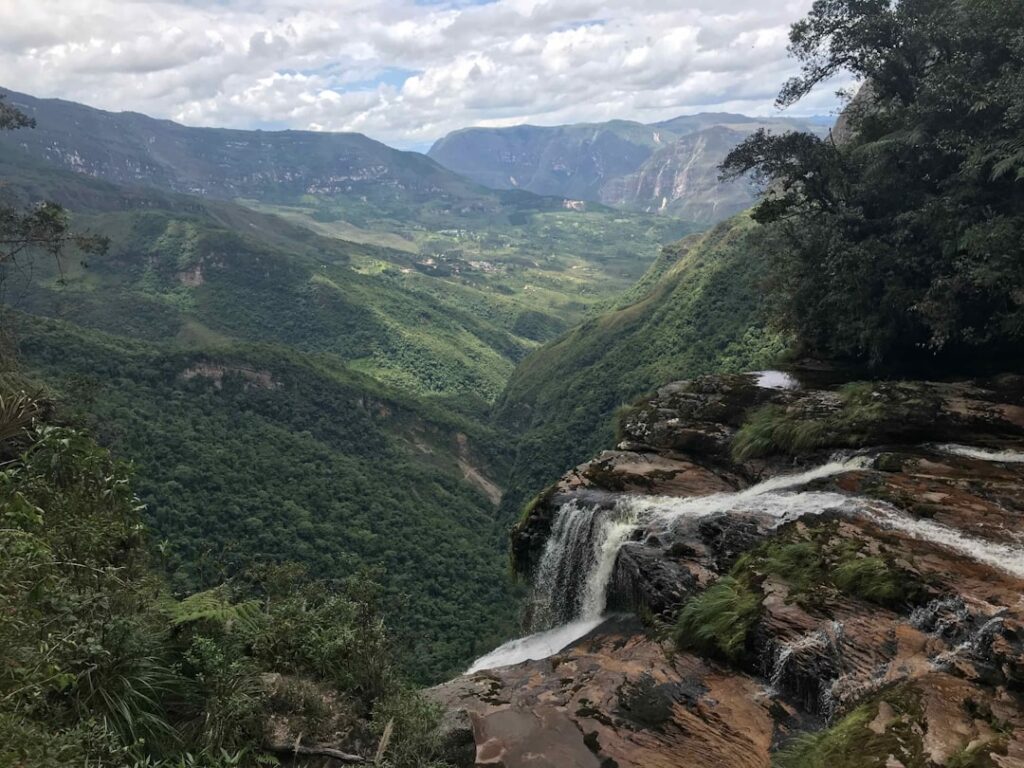
A waterfall in a valley, Gocta, Peru
- Historic Architecture: The ancient Chachapoya “Warriors of the Clouds” civilization left their mark with the Kuélap fortress, a massive stone citadel built around 800 AD that predates Machu Picchu.
- Cultural Scene: Experience the vibrant Fiesta de la Virgen Asunta in August, where the towns of Cocachimba and San Pablo come alive with processions, traditional dances, and communal feasts.
- Local Specialties: You must try *Juanes de Yuca*, a flavorful packet of seasoned rice, chicken, and olives wrapped in bijao leaves, a regional twist on an Amazonian classic.
Pro Tip: The absolute best time for the hike is during the dry season, from April to October. Start your trek by 7:00 AM to avoid the midday heat, have the trail largely to yourself, and catch the morning light illuminating the waterfall. You’ll also beat the afternoon clouds that often shroud the upper tiers.
Map of Gocta, Peru
Use these interactive maps to explore Gocta, Peru and plan your route:
📍 View Gocta, Peru on OpenStreetMap
🗺️ Open Gocta, Peru in Google Maps
Planning Your Trip: Practical Essentials
Getting There and Around
- By Air: Fly into Jaén Airport (JAE) or, more commonly, Chiclayo’s CAP. FAP José Quiñones González International Airport (CIX). From Chiclayo, it’s a 5-6 hour drive. Book flights at Skyscanner for best deals.
- By Train: There are no direct passenger train services to the Gocta region. Long-distance travel is done by bus or car.
- By Car: The most flexible route is driving from Chiclayo via Bagua Grande to Chachapoyas, then to Cocachimba. Roads are winding but paved. Compare car rentals at RentalCars.com.
- Local Transport: *Colectivos* (shared vans) are the lifeline between towns like Chachapoyas and Cocachimba (approx. 1.5 hours, 10-15 PEN). For the waterfall, most visitors hire a local guide with transport from their lodge.
Best Time to Visit
The climate in the cloud forest is defined by wet and dry seasons, dramatically affecting trail conditions and waterfall volume. The dry season offers the most reliable hiking, while the wet season presents a more powerful, if muddier, spectacle.
| Season | Weather | Highlights |
|---|---|---|
| Dry Season (Apr–Oct) | Sunny days, cool nights (10-22°C / 50-72°F), minimal rain. | Ideal hiking conditions, clear views of the falls, peak tourist season but still uncrowded. |
| Wet Season (Nov–Mar) | Frequent heavy rain (15-25°C / 59-77°F), high humidity, misty. | The waterfall is at its most thunderous and dramatic, lush greenery, very few tourists. |
| Shoulder (Mar/Apr & Oct/Nov) | Transitional weather, sporadic showers, pleasant temperatures. | A good balance of waterfall flow and manageable trails, excellent for photography with dynamic skies. |
Budgeting for Gocta, Peru

Explore the stunning ancient ruins of Machu Picchu, Gocta, Peru
| Category | Budget | Mid-range | Luxury |
|---|---|---|---|
| Accommodation | Hostel/Basic Hospedaje: 40-80 PEN/night | Comfortable Lodge in Cocachimba: 150-300 PEN/night | Boutique Eco-Lodge: 400-800+ PEN/night |
| Meals | Local Menu del Día: 10-15 PEN | Lodge Restaurant: 30-60 PEN | Fine Dining in Chachapoyas: 80-120+ PEN |
| Transport | Colectivos & Shared Taxis | Private Taxi for Day Trips | Private Driver & Guide |
| Activities | Gocta Hike (guide optional): 10-30 PEN | Guided Gocta Hike: 80-120 PEN | Private Multi-Day Tours inc. Kuélap |
| Daily Total | 100-150 PEN | 300-500 PEN | 700+ PEN |
Top Attractions and Must-See Sights
| Attraction | Description | Hours | Entry Fee |
|---|---|---|---|
| Catarata de Gocta | A breathtaking two-tiered waterfall plunging 771m through pristine cloud forest. | Trail access: Dawn to Dusk | Community Fee: ~10 PEN |
| Fortaleza de Kuélap | The monumental stone fortress of the Chachapoya, featuring massive walls and circular homes. | 9:00 AM – 5:00 PM | ~20 PEN (Cable car extra) |
| Sarcófagos de Karajía | Ancient anthropomorphic burial coffins perched dramatically on a sheer limestone cliff. | Daylight Hours | ~10 PEN |
| Caverna de Quiocta | A 545-meter deep limestone cave adorned with stunning stalactites and stalagmites. | Guided tours only, usually 9am-3pm | ~25 PEN (inc. guide/gear) |
3-Day Itinerary: Gocta, Peru’s Highlights & Hidden Gems
Day 1: Conquest of the Cataract
- Morning (7:00 AM): Begin the 5-hour round-trip hike to Gocta’s base from Cocachimba village. Your best bet is to hire a local guide (80 PEN) for insights into the flora and fauna. The trail winds through coffee plantations and cloud forest.
- Afternoon (1:00 PM): Enjoy a packed lunch at the powerful misty base of the falls. Return to Cocachimba and have a late, hearty lunch at Restaurant Gocta Andes for their trucha (trout) fresh from local farms.
- Evening (6:30 PM): Relax sore muscles in the view tub at your lodge. For dinner, savor a *Purtumute* (a stew of fava beans, corn, and peas) at your lodge’s restaurant while planning the next day.
Day 2: Warriors of the Clouds
- Morning (8:00 AM): Take a *colectivo* to Chachapoyas (1.5 hrs, 15 PEN), then connect to the cable car for Kuélap (30 PEN round-trip). The cable car ride alone offers staggering valley views.
- Afternoon (12:30 PM): Explore the vast citadel of Kuélap for 2-3 hours. Have lunch back in Chachapoyas at El Tejado, famous for its *Cecina* (cured pork) with salsa criolla.
- Evening (4:00 PM): Visit the quirky Museo Leymebamba further south to see over 200 Chachapoya mummies discovered near the Laguna de los Cóndores. Overnight in Chachapoyas.
Day 3: Cliffs & Caverns
- Morning (8:00 AM): Hire a taxi for the day (approx. 150-200 PEN) to visit the Sarcófagos de Karajía. The 40-minute hike ends at a viewpoint facing the eerie, sentinel-like coffins.
- Afternoon (1:00 PM): Continue to the Caverna de Quiocta for a guided spelunking adventure (helmets and lights provided). Enjoy a simple lunch in the town of Lamud beforehand.
- Evening (5:00 PM): Return to Chachapoyas. For your final dinner, head to La Tushpa and try their *Lomo a la Piedra* (hot stone beef) as a celebratory feast.
Cultural Insights & Etiquette
- Language: Spanish is essential. Key phrases: “Buenos días” (Good morning), “¿Cuánto cuesta?” (How much?), “Gracias” (Thank you). In Quechua-speaking communities, “Rimaykullayki” is a greeting.
- Customs: Always ask permission before photographing people. The communities around Gocta are cooperative but value respect. When hiking, greet fellow travelers with a friendly “Buenos días.”
- Tipping: Not mandatory but appreciated. For guides, 10-15% of the tour cost is generous. In restaurants, rounding up the bill or leaving 5-10% is a kind gesture.
- Dress Code: Modest, practical clothing is key. For hikes, wear layers. In towns, casual wear is fine. When visiting rural communities, avoid overly revealing clothing.
- Business Hours: Shops generally open 9:00 AM – 6:00 PM, often closing for a long lunch (1:00 PM – 3:00 PM). Government offices and museums keep more rigid 9-5 hours.
Where to Eat: Gocta, Peru’s Best Bites
Amazonian and Andean influences collide here. You’ll find dishes centered on trout, chicken, pork, yuca, plantains, and a stunning array of native potatoes. Meals are hearty, designed to fuel a day of exploration.
Must-Try Local Specialties
- Juanes de Yuca: The regional superstar. Steamed packets of grated yuca, rice, chicken, and olives wrapped in bijao leaves. Find it at local markets and family-run eateries in Cocachimba.
- Cecina con Tacacho: Smoked and cured pork served with mashed green plantain balls. El Tejado in Chachapoyas is renowned for its version.
- Humitas: Sweet or savory ground corn tamales steamed in corn husks. A perfect, portable snack sold by street vendors, especially in the morning.
Restaurant Recommendations by Budget
| Type | Restaurant | Specialty | Price Range |
|---|---|---|---|
| Budget | Market Stalls, Cocachimba Central | Menu del Día (Soup, Main, Drink) | 8-15 PEN |
| Mid-range | Restaurant Gocta Andes, Cocachimba | Fresh Trucha (Trout) & Local Stews | 25-50 PEN |
| Fine dining | La Tushpa, Chachapoyas | Creative Andean-Amazonian Fusion | 60-120 PEN |
Where to Stay
Your choice defines your experience. Staying in Cocachimba puts you at the trailhead for an early Gocta hike and in a serene village setting. Chachapoyas offers more amenities, dining, and serves as a hub for other archaeological sites. Compare prices and book at Booking.com or Airbnb for apartments.
Best Neighborhoods for Accommodation
- Cocachimba Village: The gateway to Gocta. You’ll wake up to waterfall views and roosters. It’s remote, quiet, and perfect for nature immersion. Suits hikers and those seeking tranquility.
- Chachapoyas City Center: The regional capital. Offers a range of hotels, restaurants, and tour agencies. More bustling, with better transport links to Kuélap and other sites. Ideal for explorers using it as a base.
- Lodges on the Road to Gocta: Scattered eco-lodges between Chachapoyas and Cocachimba. These offer a balance of isolation and accessibility, often with the most stunning panoramic views.

View of the historic Coricancha temple in Cusco, Gocta, Peru
FAQs: Your Gocta, Peru Questions Answered
1. Is Gocta, Peru safe at night?
Yes, the areas tourists frequent, like Cocachimba and central Chachapoyas, are generally very safe. Common sense applies: avoid walking alone in unlit areas at night, keep valuables secure, and use registered taxis after dark. The primary “danger” is the natural environment—mind the trail and weather.
2. What currency is used and are credit cards accepted?
The Peruvian Sol (PEN) is the currency. In Cocachimba and for guides/entrance fees, cash is king—bring plenty of small bills. In Chachapoyas, some hotels and nicer restaurants accept credit cards (Visa/Mastercard), but you should not rely on them. There are ATMs in Chachapoyas.
3. How do I get from the airport to the city center?
From Chiclayo (CIX) Airport, your best bet is to pre-arrange a private transfer with your lodge (approx. 300-400 PEN to Cocachimba, 4-5 hours). Alternatively, take a taxi to the Chiclayo bus terminal (15 PEN) and catch a bus to Chachapoyas (6 hours, 40-60 PEN). Book airport transfers at GetYourGuide for convenience.
4. Do I need to speak the local language?
Basic Spanish is highly recommended and will greatly enhance your experience. While staff at main lodges and tour agencies may speak some English, guides, drivers, and restaurant staff in local villages typically do not. Learning a few key phrases shows respect and is practical.
5. What’s the appropriate dress code?
Think functional and layered. For hiking: sturdy shoes, long pants, a moisture-wicking shirt, a warm layer, a rain jacket, a hat, and sunscreen. In towns, casual clothes are fine. Always carry a poncho or jacket—weather in the cloud forest changes instantly. Modesty is appreciated in small communities.
Final Thoughts: Gocta, Peru Awaits
Gocta
Explore More Destinations
- Jozani, Tanzania on a Budget: an Ancient Forest for $35/Day (2026)
- Nsumbu, Zambia on a Budget: Wild Africa for $40/Day (2026)
- Semporna, Malaysia on a Budget: Paradise for $35/Day (2026)
- Khuzestan, Iran on a Budget: Ancient Empires for $30/Day (2026)
- Ngerulmud, Palau on a Budget: Island Majesty for $45/Day (2026)
Ready to Visit Gocta?
Start planning your trip today. Compare hotels, find the best tours, and get insider tips.
Your adventure in Gocta starts here →
Related Guides
Explore more destinations similar to Gocta:

