
Prambanan, Indonesia’s Best Temples, Legends & Volcanic Vistas (2026)
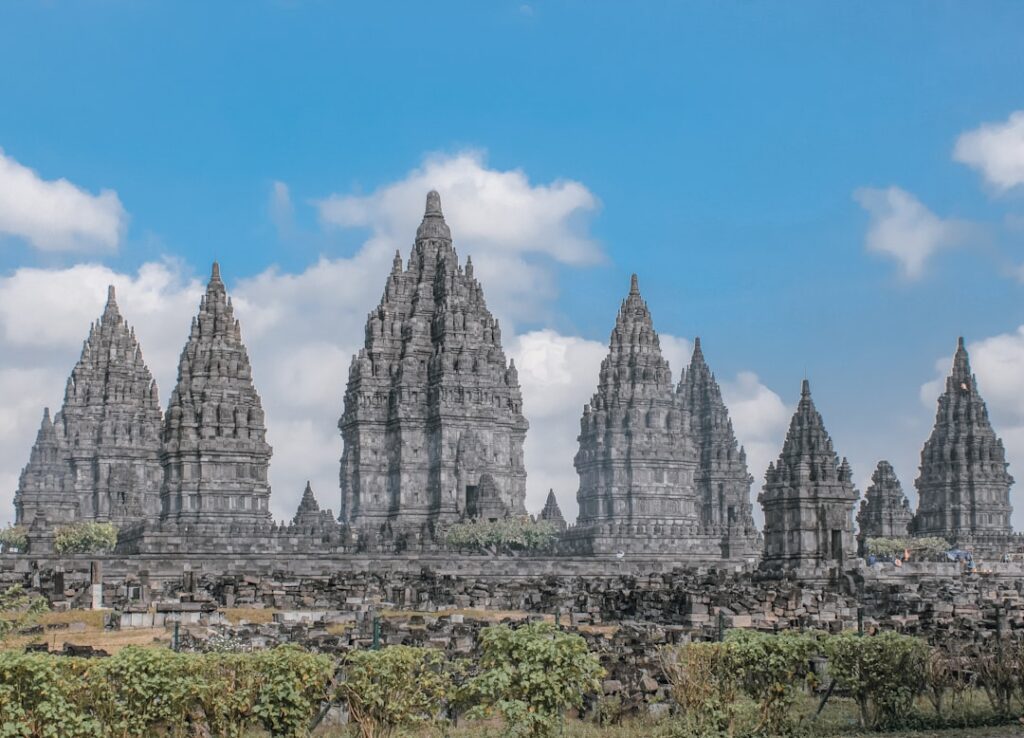
While crowds flock to the famous Borobudur, Prambanan delivers a different kind of awe: the soaring, dramatic silhouette of 8th-century Hindu temples dedicated to the Trimurti, set against the ever-present backdrop of Mount Merapi. At sunrise, the soft light reveals intricate carvings of the Ramayana epic on the central Candi Shiva, while the scent of frangipani and incense hangs in the air. This is Southeast Asia’s largest Hindu temple complex, a UNESCO site where stone legends whisper of gods and demons.
Why Prambanan, Indonesia Stands Out

Green trees on brown field under white sky during daytime, Prambanan, Indonesia
- Historic Architecture: Candi Shiva (circa 850 AD), the main temple towering at 47 meters, is a masterpiece of Hindu architecture dedicated to the destroyer and transformer god.
- Cultural Scene: The Ramayana Ballet, performed on an open-air stage with the illuminated temples as a backdrop from May to October, brings the ancient epic to life.
- Local Specialties: Gudeg Yogya, a slow-cooked jackfruit stew with chicken and egg in a rich, sweet palm sugar sauce, is a regional must-try.
Pro Tip: Arrive at the temple complex gates at 6:00 AM when they open. You’ll have the majestic Candi Shiva nearly to yourself for about an hour before the tour buses arrive, and the morning light is perfect for photography. Avoid weekends if possible.
Map of Prambanan, Indonesia
Use these interactive maps to explore Prambanan, Indonesia and plan your route:
📍 View Prambanan, Indonesia on OpenStreetMap
🗺️ Open Prambanan, Indonesia in Google Maps
Planning Your Trip: Practical Essentials
Getting There and Around
- By Air: Yogyakarta’s Adisucipto International Airport (JOG) is the main gateway, 17 km from Prambanan. Airlines like Garuda, Citilink, and Lion Air connect from Jakarta and Bali. A taxi to Prambanan takes 30-40 minutes. Book flights at Skyscanner for best deals.
- By Train: Yogyakarta’s main Tugu Station is well-connected from Jakarta (8 hours) and Surabaya (5 hours). From there, take a taxi or ride-hailing app (Gojek/Grab) to Prambanan (30 mins). Reserve tickets at Trainline or the national railway website.
- By Car: Driving from Yogyakarta city center is straightforward via Jalan Solo. Parking at the temple complex costs around IDR 5,000 for motorcycles and IDR 10,000 for cars. Compare car rentals at RentalCars.com.
- Local Transport: Ride-hailing apps (Gojek, Grab) are efficient and affordable from Yogyakarta. Local TransJogja bus route 1A also goes from the city to Prambanan terminal (IDR 3,600). For temple-hopping, hiring a private car with a driver for a day (approx. IDR 500,000) is a savvy traveler’s choice.
Best Time to Visit
Central Java has a tropical climate with a dry season ideal for exploration. The key is balancing good weather with cultural events.
| Season | Weather | Highlights |
|---|---|---|
| Dry Season (May–Sep) | Sunny, hot (28-32°C), low humidity, minimal rain. | Perfect for temple visits and outdoor Ramayana Ballet performances. Peak tourist crowds, especially July-August. |
| Wet Season (Oct–Apr) | Hot (27-30°C) with frequent, heavy afternoon showers. | Lush green landscapes, fewer visitors, and lower prices. The ballet moves indoors. Some sites may be muddy. |
| Shoulder (Apr–May/ Sep–Oct) | Transitional; warm with sporadic rain. | The sweet spot: decent weather, thinning crowds, and you might catch the tail end or beginning of the outdoor ballet season. |
Budgeting for Prambanan, Indonesia

Orange and black wood carvings, Prambanan, Indonesia
| Category | Budget | Mid-range | Luxury |
|---|---|---|---|
| Accommodation | IDR 200,000-400,000 (hostel/guesthouse) | IDR 600,000-1,200,000 (boutique hotel) | IDR 1,500,000+ (resort with temple view) |
| Meals | IDR 25,000-50,000 (warung street food) | IDR 80,000-150,000 (restaurant) | IDR 250,000+ (fine dining) |
| Transport | IDR 50,000/day (local bus/ride-hail) | IDR 300,000/day (taxi/day rental) | IDR 800,000+ (private driver+car) |
| Activities | IDR 25,000 (Prambanan entry on weekdays) | IDR 125,000 (Prambanan+Ramayana show) | IDR 600,000+ (private guided heritage tour) |
| Daily Total | IDR 300,000-525,000 (~$20-35) | IDR 1,105,000-1,775,000 (~$75-120) | IDR 3,150,000+ (~$210+) |
Top Attractions and Must-See Sights
| Attraction | Description | Hours | Entry Fee |
|---|---|---|---|
| Prambanan Temple Complex | The main event: three primary temples dedicated to Shiva, Vishnu, and Brahma, surrounded by hundreds of smaller shrines. | 6:00 AM – 5:00 PM | IDR 375,000 (weekends), IDR 25,000 (weekdays)* |
| Ratu Boko Palace | A fortified royal palace complex on a hill with stunning sunset views over Prambanan and Merapi. | 6:00 AM – 5:00 PM | IDR 250,000 (weekends), IDR 25,000 (weekdays)* |
| Sewu Temple | A vast 8th-century Buddhist temple complex just north of Prambanan, showcasing unique mandala design. | 6:00 AM – 5:00 PM | Included in Prambanan ticket |
| Ramayana Ballet at Prambanan | The epic Hindu story performed in a traditional Javanese dance drama with the lit temples as a backdrop. | Performances 7:30 PM (check schedule) | From IDR 125,000 (2nd class) to IDR 400,000 (VIP) |
*Note: The weekday “local price” (IDR 25,000) is officially for Indonesian citizens. Foreign tourists are typically charged the higher weekend rate (IDR 375,000) every day, though this can vary. It’s best to budget for the foreign tourist price.
3-Day Itinerary: Prambanan, Indonesia’s Highlights & Hidden Gems
Day 1: Temple Grandeur & Epic Legends
- Morning (7:00 AM): Beat the heat and crowds with an opening-time visit to the Prambanan Temple Complex. Hire a licensed guide (approx. IDR 100,000) at the gate to decipher the Ramayana reliefs on Candi Shiva. Don’t miss the detailed narrative panels.
- Afternoon (12:30 PM): Walk 15 minutes north to the serene Sewu Temple complex. After exploring, have lunch at Warung Makan Bu Woro nearby for authentic, affordable Javanese dishes like Sayur Lodeh.
- Evening (7:30 PM): Experience the Ramayana Ballet on the open-air stage. Book a VIP seat (IDR 400,000) for the best view of the dancers with the temples glowing behind them. It’s a mesmerizing cultural spectacle.
Day 2: Royal Vistas & Volcanic Landscapes
- Morning (8:00 AM): Take a taxi to Ratu Boko Palace (IDR 80,000 from Prambanan). Explore the ruins of the gate, pools, and audience hall. The hilltop location offers a strategic and breezy retreat with panoramic views.
- Afternoon (1:00 PM): Head back towards Prambanan for lunch at Ndalem Pojok Indah, a restaurant set in a traditional Javanese joglo house, perfect for trying Gudeg Yogya in a beautiful setting.
- Evening (5:00 PM): Return to Ratu Boko for the famous “Sunset Tour” (separate ticket, ~IDR 300,000). Watch the sun dip behind Mount Merapi while sipping traditional tea and snacks—a truly royal experience.
Day 3: Craft Villages & Culinary Discovery
- Morning (9:00 AM): Hire a driver for the day (approx. IDR 500,000) to visit the craft villages near Yogyakarta. Start in Kasongan for unique painted pottery, then continue to Kotagede to see silversmiths at work.
- Afternoon (1:00 PM): Have lunch in Kotagede at Rumah Makan Soto Kadipiro, famous for its rich, herbal soto (soup). Afterwards, explore the old mosque and walled city ruins.
- Evening (6:00 PM): For your final dinner, venture into Yogyakarta city to Jejamuran, an innovative restaurant where every dish features mushrooms. It’s a local favorite and a deliciously unique culinary experience.
Cultural Insights & Etiquette
- Language: Bahasa Indonesia is the national language. Key phrases: “Terima kasih” (Thank you), “Permisi” (Excuse me). In Javanese areas like Yogyakarta, “Matur nuwun” is also used for thanks. English is understood at major tourist sites.
- Customs: Always use your right hand for giving, receiving, eating, or shaking hands. The left hand is considered unclean. Show respect to elders and those in authority. Modesty is valued.
- Tipping: Not mandatory but appreciated. Round up taxi fares, leave IDR 10,000-20,000 for restaurant servers, and IDR 50,000/day for helpful drivers and guides.
- Dress Code: When visiting temples, cover shoulders and knees as a sign of respect. Sarongs are often provided or required for entry. Light, breathable fabrics are best for the climate.
- Business Hours: Typical shop hours are 9:00 AM – 8:00 PM. Government offices close early on Fridays for prayers. Major holidays like Ramadan and Eid al-Fitr see widespread closures.
Where to Eat: Prambanan, Indonesia’s Best Bites
Yogyakarta Special Region’s cuisine is known for its sweetness (gula jawa/palm sugar) and complexity. Meals are often a communal spread of rice with multiple small side dishes. Street food (warung) is where you’ll find the most authentic flavors.
Must-Try Local Specialties
- Gudeg Yogya: The iconic sweet stew of young jackfruit, chicken, egg, and tofu cooked for hours in coconut milk and palm sugar. Try it at Gudeg Yu Djum in Yogyakarta or Gudeg Pawon for a legendary early morning experience.
- Sate Klathak: Unique goat or mutton satay where the skewers are made from bicycle spokes or iron, grilled over coconut husk charcoal. Sate Klathak Pak Pong in Bantul is the legendary spot.
- Bakpia Pathok: Sweet, flaky pastries filled with mung bean paste. A classic souvenir. Buy them fresh from the many small factories (home industries) in the Pathok neighborhood of Yogyakarta.
Restaurant Recommendations by Budget
| Type | Restaurant | Specialty | Price Range |
|---|---|---|---|
| Budget | Angkringan Lik Man (Yogyakarta) | Late-night street food stall vibe with small, cheap dishes (sego kucing) and tea. | IDR 10,000 – 30,000 |
| Mid-range | Ndalem Pojok Indah (Prambanan area) | Traditional Javanese cuisine, including excellent gudeg, served in a beautiful heritage building. | IDR 80,000 – 150,000 |
| Fine dining | Sasanti Restaurant (Yogyakarta) | Refined Indonesian and Javanese cuisine in an elegant garden setting with live classical music. | IDR 250,000+ |
Where to Stay
Most visitors stay in Yogyakarta city for a wider range of services and dining, but staying near Prambanan offers tranquility and easy temple access at sunrise. Compare prices and book at Booking.com or Airbnb for apartments.
Best Neighborhoods for Accommodation
- Prambanan/Solo Road Area: Offers resorts and hotels with direct temple views (like Plaza Ambarrukmo). Perfect for dedicated temple exploration and attending the ballet. Cons: fewer dining options, requiring transport to the city.
- Malioboro, Yogyakarta: The bustling, historic heart of the city. Packed with budget hotels, shopping, and street food. Ideal for budget travelers and those who want to be in the center of the action. Can be noisy.
- Prawirotaman, Yogyakarta: The traveler’s hub, with a bohemian feel. Lined with boutique hotels, international restaurants, cafes, and tour agencies. Offers a good balance of comfort, amenities, and local flavor.

A large pink inflatable animal laying on top of a pile of black rocks, Prambanan, Indonesia
FAQs: Your Prambanan, Indonesia Questions Answered
1. Is Prambanan, Indonesia safe at night?
Yes, the temple complex and surrounding areas are generally safe. The site is well-managed and the Ramayana Ballet performances end with crowds. As always, exercise standard precautions: use reputable transport, be aware of your belongings, and avoid isolated areas late at night. Solo travelers, especially women, should feel comfortable but remain vigilant.
2. What currency is used and are credit cards accepted?
The Indonesian Rupiah (
Explore More Destinations
- Jozani, Tanzania on a Budget: an Ancient Forest for $35/Day (2026)
- Nsumbu, Zambia on a Budget: Wild Africa for $40/Day (2026)
- Semporna, Malaysia on a Budget: Paradise for $35/Day (2026)
- Khuzestan, Iran on a Budget: Ancient Empires for $30/Day (2026)
- Ngerulmud, Palau on a Budget: Island Majesty for $45/Day (2026)
Ready to Visit Prambanan?
Start planning your trip today. Compare hotels, find the best tours, and get insider tips.
Your adventure in Prambanan starts here →
{“@context”: “https://schema.org”, “@type”: “FAQPage”, “mainEntity”: [{“@type”: “Question”, “name”: “What is the best time to visit Prambanan?”, “acceptedAnswer”: {“@type”: “Answer”, “text”: “The best time to visit Prambanan depends on your preferences. Generally, the dry season offers the most pleasant weather for sightseeing and outdoor activities.”}}, {“@type”: “Question”, “name”: “How many days do I need in Prambanan?”, “acceptedAnswer”: {“@type”: “Answer”, “text”: “Most travelers spend 3-5 days in Prambanan to see the main attractions. A week allows for a more relaxed pace and day trips.”}}, {“@type”: “Question”, “name”: “Is Prambanan expensive to visit?”, “acceptedAnswer”: {“@type”: “Answer”, “text”: “Prambanan can be visited on various budgets. Accommodation ranges from hostels to luxury hotels, and local restaurants offer affordable dining.”}}]}
Related Guides
Explore more destinations similar to Prambanan:
- Vinales, Cuba’s Best Mogotes, Tobacco & Timeless Traditions (2025)
- Šolta, Croatia’s Best Olive Groves, Secluded Coves & Authentic Island Life (2026)
- Daintree Rainforest, Australia: Best Ancient Wilderness, Unique Wildlife & Indigenous Culture (2025)
- Gros Morne National Park, Canada’s Best Fjords, Fossils & Forged Landscapes (2025)

