
Solovetsky Islands, Russia’s Epic Monasteries, Mysticism & Arctic Solitude (2026)
In the 15th century, two monks sought a life of prayer in the White Sea’s harsh embrace, founding a hermitage that would grow into Northern Russia’s most powerful fortress-monastery. Today, the Solovetsky Islands are a UNESCO World Heritage site where 600-year-old stone walls hold stories of faith, exile, and resilience. You’ll find a place where history is etched into every boulder, the summer sun barely sets, and the silence is as profound as the past.
Why Solovetsky Islands, Russia Stands Out

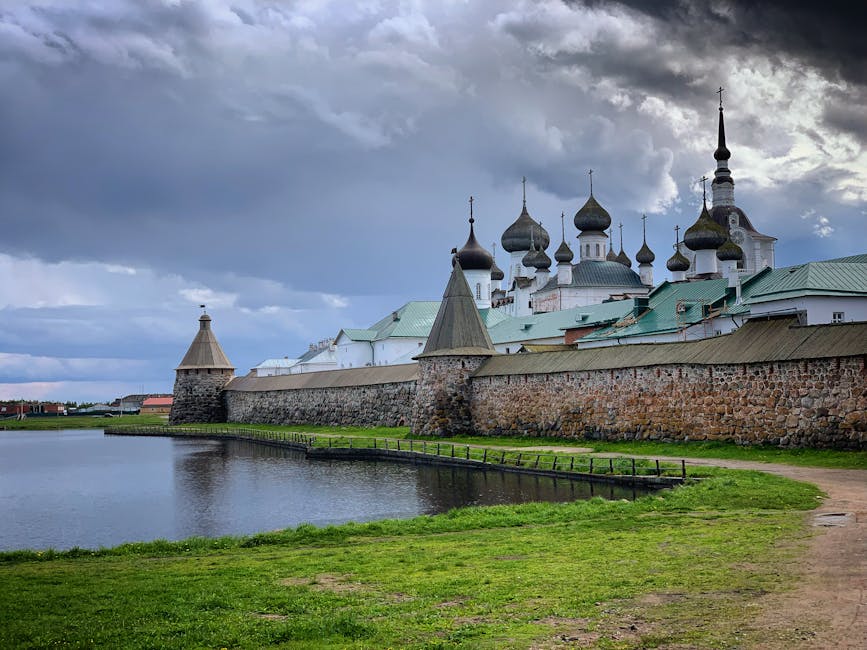
Stunning view of Solovetsky Monastery with its reflection on a calm river u…, Solovetsky Islands, Russia
- Historic Architecture: The Solovetsky Kremlin, a formidable 16th-century fortress-monastery built from massive boulders, served as a spiritual citadel and later, infamously, as a Soviet prison.
- Cultural Scene: The annual Transfiguration Services in August, drawing pilgrims for a profound spiritual celebration within the monastery’s ancient walls.
- Local Specialties: Solovki herring, freshly caught from the White Sea and traditionally salted or smoked, is a staple you’ll find on every local table.
Pro Tip: Visit in late June or early July for the “White Nights,” when near-constant daylight allows for 18-hour exploration days. Book your monastery hotel stay and ferry tickets at least 3-4 months in advance, as capacity is extremely limited.
Map of Solovetsky Islands, Russia
Use these interactive maps to explore Solovetsky Islands, Russia and plan your route:
📍 View Solovetsky Islands, Russia on OpenStreetMap
🗺️ Open Solovetsky Islands, Russia in Google Maps
Planning Your Trip: Practical Essentials
Getting There and Around
- By Air: Small planes (typically L-410 Turbolet) fly from Arkhangelsk’s Talagi Airport (ARH) to Solovki’s gravel airstrip. Flights are weather-dependent and book up fast. Book flights at Skyscanner for best deals.
- By Sea: The primary summer route is a 2-hour ferry from Rabocheostrovsk (near Kem) or a 4-hour ferry from Belomorsk. Ferries run from June to September; purchase tickets online via the Solovki Museum website or at the port.
- Local Transport: On the main island, your best bets are walking, renting a bicycle (approx. 500 RUB/day), or hiring a local taxi van for group excursions. There are no car rentals for tourists.
Best Time to Visit
The short Arctic summer is the only practical window for most travelers, offering accessibility and milder weather. The shoulder months are for the hardiest souls, while winter is an extreme, isolated experience for true adventurers.
| Season | Weather | Highlights |
|---|---|---|
| Summer (Jun–Aug) | 8°C to 18°C (46°F to 64°F), long daylight, unpredictable rain & wind. | All attractions accessible, ferry runs, hiking, boat tours. Peak crowds (by Solovki standards). |
| Winter (Dec–Feb) | -10°C to -20°C (14°F to -4°F), polar night, heavy snow, frozen sea. | Extreme solitude, northern lights, ice-skating on monastery canals. Very limited services. |
| Shoulder (May/Sep–Oct) | 0°C to 10°C (32°F to 50°F), stormy, fewer tourists. | Dramatic, moody atmosphere, lower prices. Ferry/air service is unreliable or ceased. |
Budgeting for Solovetsky Islands, Russia

Tranquil summer view on the Solovetsky Islands with a waterfront building a…, Solovetsky Islands, Russia
| Category | Budget | Mid-range | Luxury |
|---|---|---|---|
| Accommodation | Hostel/Guesthouse: 1,500-2,500 RUB/night | Hotel/Monastery Hostel: 3,500-6,000 RUB/night | Private Guesthouse: 7,000+ RUB/night (limited options) |
| Meals | Cafeteria/self-catering: 800-1,200 RUB/day | Local restaurant meals: 1,500-2,500 RUB/day | N/A – fine dining doesn’t exist here |
| Transport | Walking/Biking: 0-500 RUB/day | Group taxi tours: 1,000-2,000 RUB/day | Private boat hire: 5,000+ RUB/trip |
| Activities | Museum entry, self-guided hikes: 500-1,000 RUB/day | Guided tours, boat trips: 1,500-3,000 RUB/day | Comprehensive multi-day guided packages |
| Daily Total | 2,800 – 4,200 RUB | 6,500 – 11,500 RUB | 12,000+ RUB |
Top Attractions and Must-See Sights
| Attraction | Description | Hours | Entry Fee |
|---|---|---|---|
| Solovetsky Kremlin & Monastery | The heart of the islands, a stunning complex of churches, refectories, and thick defensive walls with a dual history of faith and suffering. | 10:00-18:00 (Museums), Grounds accessible longer | Cathedral visit: ~600 RUB, Museum Pass: ~1500 RUB |
| Sekirnaya Hill | The highest point on the main island, site of a lighthouse-church and a former punishment cell during the Gulag era, offering panoramic views. | Accessible 24/7 in summer | Free (to approach), Church museum: ~300 RUB |
| Botanical Garden | A surprising microclimate where monks cultivated plants far north of their usual range, a serene spot with apple trees and flower beds. | 10:00-18:00 | ~250 RUB |
| Boat Tour to Bolshoy Zayatsky Island | See mysterious Neolithic stone labyrinths and a 16th-century wooden church, feeling the ancient spiritual energy of the site. | Tours depart 10:00 & 14:00 (weather permitting) | ~2,000 RUB per person |
3-Day Itinerary: Solovetsky Islands, Russia’s Highlights & Hidden Gems
Day 1: Kremlin, Canals & Contemplation
- Morning (7:30 AM): Start early with a walk around the mighty monastery walls. The morning light on the pink-granite boulders is sublime. Enter the Transfiguration Cathedral (opens at 10:00) to see its magnificent iconostasis.
- Afternoon (12:30 PM): Lunch at **Trapeznaya Barabanova**, the monastery’s own refectory, for a simple, hearty meal like fish soup (ukha) and kasha. Then, explore the monastery’s unique system of **interconnecting canals** by renting a rowboat (500 RUB/hour) near the Holy Lake.
- Evening (6:00 PM): Join a guided **”Solovki Special Purpose Camp” tour** (book at the museum) to understand the site’s poignant 20th-century Gulag history. For dinner, try **Kafe Priyut** for local pelmeni and a quiet atmosphere.
Day 2: Islands, Labyrinths & Local Life
- Morning (9:00 AM): Take the 2.5-hour **boat excursion to Bolshoy Zayatsky Island** (2000 RUB). Walk among the ancient stone labyrinths—their purpose still debated by archaeologists—and visit St. Andrew’s wooden church.
- Afternoon (1:30 PM): Return to the main harbor and have a quick lunch at **Kafe-Bar Severny**. Then, hire a taxi-van (approx. 1500 RUB for 2 hours) to visit **Sekirnaya Hill**. Climb to the lighthouse for breathtaking views across the archipelago.
- Evening (6:00 PM): A gentler evening at the **Botanical Garden**. Afterwards, enjoy dinner at **Kafe Fregat**, known for its more varied menu and Solovki herring platter.
Day 3: Hermitages, Hikes & History
- Morning (8:00 AM): Rent a bicycle and ride the 12km forest road to **Mukhsalma Island**, connected by a ancient stone causeway. Visit the remote St. Sergius hermitage.
- Afternoon (12:30 PM): Pack a picnic or return to the village for lunch. Then, visit the **Maritime Museum** to understand the White Sea’s role, followed by the **Stone Age Dwellings exhibition** near Savvatyevsky hermitage.
- Evening (6:00 PM): Your final dinner. If it’s a clear evening, take one last walk to the **Filippovskiye Ponds** to watch the midnight sun skim the horizon—a truly unforgettable Solovki farewell.
Cultural Insights & Etiquette
- Language: Russian is essential. Learn basics: Спасибо (spa-see-ba – thank you), Здравствуйте (zdra-stvooy-tye – hello). Almost no English is spoken.
- Customs: This is a deeply spiritual and historically sensitive site. Dress modestly on monastery grounds (covered shoulders, long skirts/trousers). Speak quietly. Always show respect at memorials to Gulag victims.
- Tipping: Not widely expected, but rounding up the bill or leaving 5-10% in a restaurant is appreciated for good service.
- Dress Code: Practical, warm, and waterproof layers are mandatory, regardless of season. Sturdy walking shoes are a must. Have a headscarf for women to enter active churches.
- Business Hours: Shops 10:00-19:00, museums 10:00-18:00 (often closed Mon/Tue). Restaurants may stop serving by 21:00.
Where to Eat: Solovetsky Islands, Russia’s Best Bites
Dining here is functional and rustic, focused on local fish, mushrooms, and berries. Don’t expect gourmet cuisine; instead, savor the simplicity and freshness of northern ingredients. Most places are small cafes with limited menus that change daily.
Must-Try Local Specialties
- Solovki Herring (Sel’d Solovetskaya): Served salted, smoked, or as part of a “seledka pod shuboy” (herring under a beetroot coat). The best is from local smokehouses.
- White Sea Navaga: A small, sweet codfish, often pan-fried whole. A simple, delicious staple.
- Cloudberry Jam (Moroshka): A prized Arctic amber-colored berry. Try it with tea or blini.
Restaurant Recommendations by Budget
| Type | Restaurant | Specialty | Price Range |
|---|---|---|---|
| Budget | Trapeznaya Barabanova (Monastery) | Monastic-style lunches, fish soup, baked fish | 400-700 RUB |
| Mid-range | Kafe Fregat (Near harbor) | Full meals, Solovki herring platter, local dishes | 800-1500 RUB |
| Simple Dining | Kafe Priyut (Village center) | Homestyle Russian classics, pelmeni, cutlets | 600-1200 RUB |
Where to Stay
Accommodation is in simple guesthouses, small hotels, or the unique monastery hostel. Book far ahead, especially for the sought-after monastery rooms. Compare prices and book at Booking.com (limited listings) or contact properties directly via email (common practice here). Airbnb for apartments is virtually non-existent.
Best Areas for Accommodation
- Near the Monastery: The most convenient and atmospheric location. You’ll be steps from the main sights. Options include the official **Solovetsky Monastery Hostel** (spartan but historic) and private guesthouses like **Sloboda**. Can be noisy with daytime tour groups.
- The Main Village: A 10-15 minute walk from the Kremlin. Offers more B&B-style accommodations like **Guest House Solovki**. You’ll be closer to some cafes and shops, with a more residential feel.
- Outskirts/Forest Edge: For maximum peace and nature, consider places on the village edge. Requires longer walks but offers true tranquility. Check locations carefully as some are quite remote.

A rustic wooden chapel stands near the scenic Barents Sea under a bright bl…, Solovetsky Islands, Russia
FAQs: Your Solovetsky Islands, Russia Questions Answered
1. Is Solovetsky Islands, Russia safe at night?
Yes, the islands are extremely safe. Crime is virtually nonexistent. The primary concerns are natural: uneven paths, sudden weather changes, and wildlife (like ticks in summer). Always carry a flashlight after dark, even during White Nights, as paths are unlit.
2. What currency is used and are credit cards accepted?
The Russian Ruble (RUB) is the only currency. Bring ample **cash** with you from the mainland. While a few hotels and the museum may accept credit cards, most cafes, taxi drivers, and boat operators are cash-only. There is only one ATM on the island, and it’s often out of service or cash.
3. How do I get from the airport/ferry to the village?
From the **airstrip**, a bus meets every flight and takes passengers to the village center for about 150 RUB. From the **ferry dock**, it’s a 20-minute walk to the monastery, or local taxi vans will be waiting. Pre-booking transfers is not typical. Book general airport transfers at GetYourGuide for convenience in larger cities, but not for Solovki itself.
4. Do I need to speak the local language?
Yes, basic Russian is highly recommended. English is rarely spoken, even in tourist-facing roles. Savvy travelers learn key phrases, use a translation app (download offline packs), and carry a phrasebook. Patience and non-verbal communication go a long way.
5. What’s the appropriate dress code?
Think practical first: waterproof jacket, warm layers, sturdy boots, hat, and gloves (even in summer). For visiting active churches and monastery interiors, women must cover their heads (scarf) and wear skirts below the knee (some places provide wrap-around skirts). Men should wear long trousers.
Final Thoughts: Solovetsky Islands, Russia Awaits
The Solovetsky Islands are not a conventional holiday. They are a journey—a physical one to the edge of the Arctic, and a profound
Explore More Destinations
- Jozani, Tanzania on a Budget: an Ancient Forest for $35/Day (2026)
- Nsumbu, Zambia on a Budget: Wild Africa for $40/Day (2026)
- Semporna, Malaysia on a Budget: Paradise for $35/Day (2026)
- Khuzestan, Iran on a Budget: Ancient Empires for $30/Day (2026)
- Ngerulmud, Palau on a Budget: Island Majesty for $45/Day (2026)
Ready to Visit Solovetsky Islands?
Start planning your trip today. Compare hotels, find the best tours, and get insider tips.
Your adventure in Solovetsky Islands starts here →
Related Guides
Explore more destinations similar to Solovetsky Islands:
- Bushmans Kloof, South Africa (Cederberg): Best Rock Art, River Oases & Rare Wildlife (2025)
- Tanji, Gambia’s Ultimate Fishing, Birds & Authentic Coastal Culture (2026)
- Ben Tre, Vietnam on a Budget: How to Live Like a King for $25/Day (2026)
- Maroua, Cameroon’s Best Markets, Mountains & Mousgoum Culture (2026)

