
Franz Josef Land, Russia’s Stunning Polar Bears, Glaciers & Arctic History (2026)
What if you could stand on an archipelago so remote that fewer than 1,500 people visit in a year, yet it holds the key to a century of polar exploration? Franz Josef Land, a scattering of 192 volcanic islands deep in the Russian Arctic, proves that true wilderness still exists. Here, the silence is broken only by calving glaciers and the crunch of your boots on permafrost, offering a raw, unfiltered encounter with the planet’s northern frontier that few will ever experience.
Why Franz Josef Land, Russia Stands Out

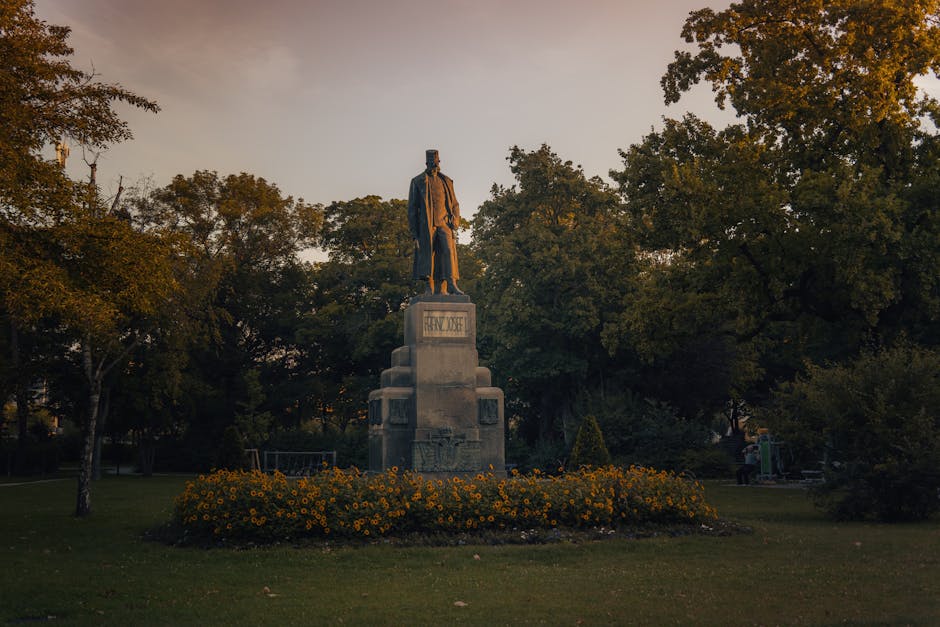
Group of people enjoying the view from Franz Josef I statue in Vienna durin…, Franz Josef Land, Russia
- Historic Architecture: The wooden Tikhaya Bay Station, established in 1929, is a perfectly preserved Soviet-era polar research base, offering a haunting glimpse into the lives of early Arctic scientists.
- Cultural Scene: The “culture” here is one of profound isolation and survival; the experience is visiting historic cairns and memorial crosses left by explorers like Nansen and Wellman, telling stories of human endurance against the elements.
- Local Specialties: Onboard your expedition ship, you must try hearty borscht and pelmeni, essential comfort foods that fuel polar explorers, often enjoyed while watching icebergs drift past the dining room windows.
Pro Tip: Your only viable window is a short 6-8 week period from late July to early September. This is when the pack ice recedes enough for ships to navigate, temperatures hover around a manageable 0°C to 5°C (32°F to 41°F), and you have 24 hours of daylight for endless exploration. Book your expedition cruise at least 12-18 months in advance.
Map of Franz Josef Land, Russia
Use these interactive maps to explore Franz Josef Land, Russia and plan your route:
📍 View Franz Josef Land, Russia on OpenStreetMap
🗺️ Open Franz Josef Land, Russia in Google Maps
Planning Your Trip: Practical Essentials
Getting There and Around
- By Air: All journeys start with a flight to Murmansk, Russia. From there, you will board your dedicated expedition vessel. There are no commercial flights to the islands themselves. Book flights to Murmansk (MMK) at Skyscanner for best deals.
- By Train: The iconic Russian railway can get you to Murmansk from Moscow or St. Petersburg on the Murmansk–Saint Petersburg line, a journey of over 24 hours. Reserve tickets at Trainline or the national railway website.
- By Car: Driving to Murmansk is possible but an epic undertaking; once there, all travel within Franz Josef Land is exclusively by Zodiac inflatable boats from your expedition ship. Compare car rentals for pre-cruise exploration at RentalCars.com.
- Local Transport: Your “local transport” is your ship and its fleet of Zodiacs. All landings are wet landings (you step into shallow water), so sturdy, waterproof boots (usually provided) are your most important piece of “transportation.”
Best Time to Visit
Timing is everything in the High Arctic. The season is brutally short, dictated entirely by ice conditions. You’re aiming for the sweet spot where the midnight sun provides endless light and the sea ice has retreated enough to allow access to the most dramatic sites.
| Season | Weather | Highlights |
|---|---|---|
| Summer (Late Jul–Early Sep) | -2°C to 5°C (28°F to 41°F). Constant daylight. Variable conditions from sun to fog and snow flurries. | Prime wildlife viewing (polar bears, walrus), accessible landing sites, all activities operational. This is the *only* time for visitors. |
| Winter (Oct–May) | -20°C to -40°C (-4°F to -40°F). 24-hour darkness in deep winter. Completely frozen and inaccessible. | No tourist access. Only extreme conditions for a handful of researchers at the seasonal base. |
| Shoulder (Jun / Late Sep) | Icy and unpredictable. June is often still frozen; late September sees rapid freeze-up and darkness returning. | Extremely limited expedition chances. Most cruises avoid these edges of the season due to impassable ice or severe weather. |
Budgeting for Franz Josef Land, Russia

Breathtaking landscape of Franz Josef Glacier with misty mountains and a fl…, Franz Josef Land, Russia
| Category | Budget | Mid-range | Luxury |
|---|---|---|---|
| Accommodation | N/A (All-inclusive cruise only) | N/A (All-inclusive cruise only) | N/A (All-inclusive cruise only) |
| Meals | Fully included on ship | Fully included on ship | Fully included on ship + premium beverages |
| Transport | Included in cruise fare | Included in cruise fare | Included in cruise fare + charter flights |
| Activities | All Zodiac landings & lectures included | All included, plus kayaking option ($300-$500 extra) | All included, plus premium excursions |
| Daily Total | $800-$1,200/day* | $1,200-$1,800/day* | $2,000+/day* |
*This is a rough per-day average based on total cruise fare for 10-14 day expeditions, which typically range from $8,000 to $25,000+ per person. Flights to Murmansk, visas, and gear are extra.
Top Attractions and Must-See Sights
| Attraction | Description | Hours | Entry Fee |
|---|---|---|---|
| Rubini Rock, Hooker Island | A sheer basalt cliff teeming with over 100,000 seabirds including Brünnich’s guillemots and kittiwakes, creating a deafening, swirling “bird city.” | Accessible during ship landing times (daylight hours) | Included in expedition cost |
| Champ Island | Famous for its mysterious, perfectly spherical concretions known as “stone balls,” some over 2 meters in diameter, scattered across the tundra like giant marbles. | Accessible during ship landing times | Included in expedition cost |
| Tikhaya Bay (Quiet Bay) | The historic site of the 1929 Soviet polar station, with preserved wooden buildings, a meteorology station, and a dramatic backdrop of the glacial face of the Kropotkin Ice Dome. | Accessible during ship landing times | Included in expedition cost |
| Apollonov and Stolichki Islands | The premier walrus haul-out spots; you’ll observe hundreds of these colossal, tusked mammals resting on pebble beaches, their grunts and bellows carrying across the water. | Zodiac cruising only (no landing to protect wildlife) | Included in expedition cost |
3-Day Itinerary: Franz Josef Land’s Highlights & Hidden Gems
Note: This is a sample of activities condensed from a typical 10-day expedition. Your daily schedule is dictated by ice, weather, and wildlife.
Day 1: Ice, History & First Landings
- Morning (7-9 AM): Zodiac cruise along the breathtaking ice cliffs of the Kropotkin Glacier. Listen for the thunderous crack and roar of calving ice. Your guide will point out unique blue ice formations.
- Afternoon (12-3 PM): Landing at Tikhaya Bay. Explore the hauntingly preserved wooden buildings of the 1929 polar station. Lunch is back on the ship—savory fish soup and black bread.
- Evening (6-8 PM): Attend a lecture on “The Race for the Pole: Nansen and the *Fram*.” Dinner is followed by a late-evening Zodiac scan along the ice edge for your first potential polar bear sighting.
Day 2: Wildlife Spectacle & Geological Wonders
- Morning (8 AM): Zodiac cruise off Apollonov Island (~2 hours). Observe a massive walrus haul-out from a respectful distance. The smell and sound are unforgettable. Keep binoculars ready for bears patrolling the coast.
- Afternoon (1 PM): Landing on Champ Island. Hike across the spongy tundra to find and photograph the enigmatic stone spheres. Your geologist guide explains their formation. Hot tea is served on the beach.
- Evening (7 PM): Recap and briefing in the ship’s lounge, then a special Russian-themed dinner with pelmeni and vodka toasts.
Day 3: Birds, Bears & Polar Atmosphere
- Morning (9 AM): Zodiac approach to the base of Rubini Rock. The cacophony of 100,000 birds is overwhelming. Watch guillemots dive into the frigid water like feathered arrows.
- Afternoon (2 PM): A flexible “expedition day.” The captain and expedition leader search for polar bears on the pack ice. If found, you’ll spend hours observing from the ship’s decks and bridge—the ultimate Arctic prize.
- Evening (6 PM): Final farewell dinner. Afterwards, seasoned travelers often head to the open deck one last time, hoping for a glimpse of the Northern Lights, which can start appearing by late August.
Cultural Insights & Etiquette
- Language: Russian is official. Onboard, English is common. Learn “Spasibo” (Thank you) and “Zdravstvuyte” (Hello). Your Russian guides appreciate the effort.
- Customs: Respect is paramount. Remove footwear when entering certain historic huts. Always follow your guide’s instructions for wildlife proximity—this is their home, we are visitors.
- Tipping: It is customary to tip the expedition crew and staff at the end of your voyage. A collective tip of $150-$250 per passenger, placed in a communal box, is standard.
- Dress Code: Practical, layered polar gear is essential. Onboard, it’s casual. For dinners, “clean expedition wear” (nice sweater, clean pants) is perfectly acceptable. No formal attire needed.
- Business Hours: The only “business” is the ship’s schedule and the sun. The gift shop and bar have posted hours, but the expedition runs on “polar time,” adapting to conditions.
Where to Eat: Franz Josef Land’s Best Bites
All dining happens on your expedition vessel. The cuisine is designed to be hearty, warming, and international with Russian highlights, providing crucial energy for your Arctic adventures. Meals are social events and a chance to share the day’s sightings.
Must-Try Local Specialties (Onboard)
- Borscht: The classic beetroot soup, served steaming hot with a dollop of smetana (sour cream). The perfect warm-up after a Zodiac cruise.
- Pelmeni: Siberian dumplings typically filled with minced meat, served with butter, sour cream, or vinegar. A staple comfort food.
- Blini: Thin pancakes, often served at breakfast with caviar, smoked salmon, jam, or condensed milk—a versatile treat.
Restaurant Recommendations by Budget
| Type | Restaurant | Specialty | Price Range |
|---|---|---|---|
| Budget | The Ship’s Main Dining Room | Included buffet-style meals with rotating Russian and international dishes. | Included |
| Mid-range | The Bistro / Lounge Cafe | Specialty coffees, pastries, and light snacks available between meals. | $3-$7 for specialty items |
| Fine dining | Captain’s Farewell Dinner | A multi-course, plated gourmet meal often featuring premium seafood and meats. | Included (part of voyage) |
Where to Stay
Your “hotel” is your expedition ship. There are no land-based accommodations for tourists. Vessels range from ice-strengthened research ships to more luxurious small cruise ships, all with private cabins, dining rooms, and observation lounges. Compare specific expedition cruises at Booking.com (under “Tours”) or specialist polar operators.
Best “Neighborhoods” for Accommodation (On the Ship)
- Lower Deck Cabins: More stable in rough seas, often slightly more affordable. Best for those prone to seasickness, though you’ll feel engine noise more.
- Mid-Ship Cabins: The gold standard for comfort, minimizing pitch and roll. Usually the most popular and quickest to sell out.
- Upper Deck with Balcony: The luxury option. Offers private, stunning views and fresh air without going on deck, but at a significant premium.

Close-up of dew droplets on vibrant green grass at Franz Josef in New Zealand., Franz Josef Land, Russia
FAQs: Your Franz Josef Land Questions Answered
1. Is Franz Josef Land, Russia safe at night?
Onboard the ship, you are perfectly safe. The concept of “night” is irrelevant in summer due to midnight sun. The primary safety considerations are environmental: following strict protocols during landings to avoid polar bear encounters, staying with your group, and dressing appropriately for rapidly changing weather. Your expedition team are highly trained safety experts.
2. What currency is used and are credit cards accepted?
The Russian Ruble (RUB) is the currency. Onboard your ship, however, all incidental purchases (bar, gift shop, tips) are billed to your cabin and settled at the end with a major credit card (Visa/Mastercard). You will need some rubles for expenses in Murmansk before or after your cruise. ATMs are available there.
3. How do I get from the airport to the city center (of Murmansk)?
Murmansk’s airport (MMK) is about 30 km from the city. A taxi takes 30-40 minutes and costs around 1000-1500 RUB ($10-$15). Most expedition companies include a transfer from a designated Murmansk hotel to the port as part of your package. For independent transfers, book at GetYourGuide for convenience.
4. Do I need to speak the local language?
No. Expedition cruises are conducted in English by an international team. The ship’s crew may be Russian or international. In Murmansk, English is not widely spoken, so having a translation app (like Google Translate) and learning a few basic Russian phrases is very helpful and appreciated.
5. What’s the appropriate dress code?
For landings: Expedition companies provide insulated boots. You need a base layer, mid-insulation (fleece/down), and a waterproof/windproof outer shell. Waterproof pants are essential. Onboard: Casual, comfortable layers. Non-slip shoes for decks. A warm hat and gloves are mandatory even in summer. Savvy travelers bring glove liners for photography.
Explore More Destinations
- Jozani, Tanzania on a Budget: an Ancient Forest for $35/Day (2026)
- Nsumbu, Zambia on a Budget: Wild Africa for $40/Day (2026)
- Semporna, Malaysia on a Budget: Paradise for $35/Day (2026)
- Khuzestan, Iran on a Budget: Ancient Empires for $30/Day (2026)
- Ngerulmud, Palau on a Budget: Island Majesty for $45/Day (2026)
Ready to Visit Franz Josef Land?
Start planning your trip today. Compare hotels, find the best tours, and get insider tips.
Your adventure in Franz Josef Land starts here →
Related Guides
Explore more destinations similar to Franz Josef Land:
- Johor City, Malaysia Weekend: Markets, Mosques & The Best Laksa East of Singapore (2026)
- Bacalar, Mexico’s Best Lagoon Colors, Mayan History & Jungle Serenity (2025)
- Vikos Gorge, Greece’s Ultimate Hiking, Stone Villages & Mountain Wilderness (2025)
- General Trias, Philippines: Essential Heritage, Halo-Halo & High-Energy Festivals (2026)
{“@context”: “https://schema.org”, “@type”: “FAQPage”, “mainEntity”: [{“@type”: “Question”, “name”: “What is the best time to visit Franz Josef Land?”, “acceptedAnswer”: {“@type”: “Answer”, “text”: “The best time to visit Franz Josef Land depends on your preferences. Generally, the dry season offers the most pleasant weather for sightseeing and outdoor activities.”}}, {“@type”: “Question”, “name”: “How many days do I need in Franz Josef Land?”, “acceptedAnswer”: {“@type”: “Answer”, “text”: “Most travelers spend 3-5 days in Franz Josef Land to see the main attractions. A week allows for a more relaxed pace and day trips.”}}, {“@type”: “Question”, “name”: “Is Franz Josef Land expensive to visit?”, “acceptedAnswer”: {“@type”: “Answer”, “text”: “Franz Josef Land can be visited on various budgets. Accommodation ranges from hostels to luxury hotels, and local restaurants offer affordable dining.”}}]}

