
Wrangel Island, Russia: Essential Polar Bears, Woolly Mammoth Secrets & Arctic Wilderness (2026)
While crowds flock to the Svalbard archipelago for a glimpse of the Arctic, fewer than 100 adventurous souls officially set foot on Wrangel Island, Russia each year. This UNESCO World Heritage site, marooned in the Chukchi Sea, isn’t just remote—it’s a lost world. It boasts the world’s highest density of polar bear maternity dens and was the last known refuge of the woolly mammoth, with fossils dating to just 4,000 years ago. Here’s what those intrepid few discover that most travelers miss completely.
Why Wrangel Island, Russia Stands Out

A rustic wooden chapel stands near the scenic Barents Sea under a bright bl…, Wrangel Island, Russia
- Historic Architecture: The haunting remains of the 1920s Soviet settlement at Ushakovskoye, including a weathered weather station and pioneer cabins, stand as silent monuments to human resilience in one of Earth’s harshest climates.
- Cultural Scene: The profound, millennia-old connection to the land felt by the indigenous Chukchi people, whose ancestors hunted here, is the true cultural experience, often shared through stories by expedition guides.
- Local Specialties: Onboard expedition ships, you might sample traditional *yukola* (air-dried fish) or rich, hearty borscht, but the real specialty is the pristine, untouched environment itself.
Pro Tip: Your only realistic window is July and August. This is when the pack ice recedes enough for expedition vessels to approach, temperatures hover around a manageable 2-5°C (35-41°F), and the 24-hour midnight sun provides endless light for wildlife viewing. Book your expedition at least 12-18 months in advance.
Map of Wrangel Island, Russia
Use these interactive maps to explore Wrangel Island, Russia and plan your route:
📍 View Wrangel Island, Russia on OpenStreetMap
🗺️ Open Wrangel Island, Russia in Google Maps
Planning Your Trip: Practical Essentials
Getting There and Around
- By Air/Sea: There is no commercial airport. Access is exclusively via specialized expedition cruise ships. These typically depart from either Anadyr or Provideniya in Russia’s Chukotka region, or from Nome, Alaska. You’ll fly into these gateway cities first. Book flights at Skyscanner for best deals.
- By Train: Not applicable. The Russian Far East has limited rail networks that do not service the Chukotka ports for Wrangel departures. All travel is coordinated through your expedition operator.
- By Car: No roads exist on the island. All exploration is done via Zodiac inflatable boats from your anchored ship and guided walks on land. Your expedition handles all local “transport.”
- Local Transport: Your two feet and Zodiac boats are the transport. Expeditions include all landings and cruising; there are no independent options.
Best Time to Visit
The Arctic operates on an extremely narrow seasonal schedule. For Wrangel Island, “summer” is a brief, precious period of accessibility and biological frenzy. Savvy visitors time their trip for the peak of wildlife activity and navigable waters.
| Season | Weather | Highlights |
|---|---|---|
| Summer (Jul–Mid-Aug) | 2°C to 5°C (35-41°F). Often foggy, windy, with occasional snow flurries. 24-hour daylight. | Prime wildlife viewing: polar bears, walrus, seabird colonies in full swing. Wildflowers bloom. The only time expeditions can reliably land. High season for expeditions. |
| Winter (Sep–Jun) | -25°C to -35°C (-13 to -31°F). Permanent ice cover, 24-hour darkness in deep winter. Inaccessible. | No tourism. The island is left to its true inhabitants—bears, Arctic foxes, and the howling winds. Research only via icebreaker. |
| Shoulder (Late Aug–Early Sep) | -5°C to 2°C (23-35°F). Rapidly freezing seas, increasing storms. | A risky but possible window for late expeditions; some wildlife begins to migrate. Fewer trips, potential for dramatic ice scenery, but high chance of itinerary changes due to ice. |
Budgeting for Wrangel Island, Russia

Adorable black bear cub climbing a tree in Wrangell, Alaska’s lush wilderness., Wrangel Island, Russia
| Category | Budget | Mid-range | Luxury |
|---|---|---|---|
| Accommodation | N/A (Only expedition packages) | $800 – $1,200/night (as part of total package) | $1,500+/night (suite on luxury vessel) |
| Meals | All included on expedition | All included + occasional premium beverages | All-inclusive gourmet dining & drinks |
| Transport | All included (Zodiacs) | All included | All included + helicopter excursions (on some trips) |
| Activities | Guided hikes/Zodiac tours included | All guided activities, expert lectures included | All activities, specialist guides, exclusive landing sites |
| Daily Total | N/A | $1,000 – $1,500* | $2,000+* |
*Total trip cost for a 14-18 day expedition typically ranges from $14,000 to $30,000+ per person, encompassing all the above. This is not a destination for piecemeal budgeting.
Top Attractions and Must-See Sights
| Attraction | Description | Hours | Entry Fee |
|---|---|---|---|
| Doubtful Point & Cape Waring | Home to one of the largest Pacific walrus haul-outs on the planet, where thousands of these giants congregate in a noisy, smelly, awe-inspiring spectacle. | Landings dependent on weather & wildlife; typically 3-4 hour excursions | Included in expedition cost |
| Mammoth Tusk “Graveyards” | Scattered across the tundra, these fields of ivory and bone are a stark reminder that this was the mammoth’s last stand, offering a direct, tangible link to the Pleistocene epoch. | Accessed during guided tundra hikes | Included in expedition cost |
| Snowy Owl & Arctic Fox Dens | In summer, the tundra buzzes with life; watch for pristine snowy owls hunting lemmings and adorable Arctic fox kits playing near their dens. | 24-hour daylight viewing opportunities | Included in expedition cost |
| Ushakovskoye Settlement Ruins | The ghostly remnants of the Soviet-era polar station, offering a poignant history lesson on human ambition in the face of implacable nature. | Visited during scheduled landings | Included in expedition cost |
3-Day Itinerary: Wrangel Island, Russia’s Highlights & Hidden Gems
Note: This is a sample itinerary based on a typical 3-4 day island visit within a longer expedition. All times are approximate and subject to change based on ice, weather, and wildlife conditions—flexibility is the ultimate rule here.
Day 1: Giants of the Coast
- Morning (7:00 AM): Wake up to the ship anchored off the southern coast. After a briefing, your first Zodiac cruise along the dramatic cliffs near Cape Blossom to spot nesting seabirds like thick-billed murres and kittiwakes.
- Afternoon (1:00 PM): A potential landing at Doubtful Point. From a safe, guided distance, observe the monumental walrus haul-out. The sound and smell are unforgettable. Pack a snack from the ship as lunch will be delayed.
- Evening (7:00 PM): Recap and dinner onboard. The expedition leader may schedule an evening Zodiac cruise if a polar bear is spotted along the shore, taking advantage of the endless daylight.
Day 2: Tundra Treasures & Polar Bears
- Morning (8:00 AM): A guided hike on the delicate tundra inland from Dream Head. Your naturalist will point out miniature wildflowers, woolly mammoth tusks emerging from the permafrost, and the tracks of Arctic fox.
- Afternoon (12:00 PM): Return to the ship for lunch while it repositions. Spend the afternoon on the bridge, scanning with binoculars for the white shape of a polar bear patrolling the coast or resting on an ice floe.
- Evening (6:00 PM): Attend a lecture on the island’s unique ecology. Dinner is followed by an optional film screening or socializing in the lounge, always with one eye on the horizon for wildlife.
Day 3: History & Farewell
- Morning (9:00 AM): Zodiac transfer to the historic site of Ushakovskoye. Explore the weathered buildings with your historian guide, contemplating the lives of the polar station residents. Visit the small memorial.
- Afternoon (1:00 PM): A final tundra walk in a different valley, searching for snowy owls and ground squirrels. This is your last chance to absorb the profound silence of the Arctic wilderness.
- Evening (5:00 PM): The ship weighs anchor for the journey back to the mainland. A special captain’s farewell dinner is held, often featuring a slideshow of the trip’s best photos compiled by the expedition team.
Cultural Insights & Etiquette
- Language: The expedition staff will speak English. In Russian gateway towns, basic phrases like *Spasibo* (Thank you) and *Zdravstvuyte* (Hello) are appreciated. Onboard, you’ll learn scientific and Russian names for wildlife.
- Customs: Respect is paramount. This is a strictly protected nature reserve. Follow the **Principle of “Leave No Trace”** absolutely. Never approach, feed, or disturb wildlife. Always follow your guide’s instructions for safety and conservation.
- Tipping: It is customary to tip the expedition crew and guide staff at the end of your voyage. Operators will provide guidelines, but budgeting $15-$25 per guest per day for the staff pool is standard.
- Dress Code: Practical, warm, layered clothing only. Waterproof boots (often provided), windproof pants and jacket, thermal layers, hats, and gloves are essential. There is no need for formal attire onboard.
- Business Hours: The island has no businesses. Onboard ship, the bridge is always manned, and the lounge and dining room operate on a set schedule provided daily.
Where to Eat: Wrangel Island, Russia’s Best Bites
Dining is exclusively aboard your expedition vessel. The focus is on hearty, high-energy meals to fuel your Arctic explorations. Chefs expertly cater to international passengers, blending Russian influences with continental cuisine.
Must-Try Onboard Specialties
- Borscht: The classic Russian beet soup, often served as a warming starter after a cold Zodiac cruise. It’s richer and more substantial than versions you may have tried elsewhere.
- Local Fish: If sourced in gateway ports, you might find dishes featuring Arctic char or other local cold-water fish, simply grilled or baked.
- Blini with Caviar: A taste of Russian luxury. Thin pancakes might be served at a special brunch with smetana (sour cream) and perhaps a sampling of salmon roe or caviar.
Restaurant Recommendations by Budget
| Type | Restaurant | Specialty | Price Range |
|---|---|---|---|
| All-Inclusive | Your Expedition Ship’s Dining Room | Multi-course dinners, buffet breakfasts and lunches, afternoon tea with pastries. | All included in voyage cost |
| N/A | N/A | There are no independent dining venues on Wrangel Island. | N/A |
Where to Stay
Your “hotel” is your expedition ship. This is not a cruise in the traditional sense; these are ice-strengthened vessels designed for exploration, with comfortable cabins, a lounge, lecture theater, and dining room. Compare and book full expeditions through specialized operators like Booking.com‘s “Tours & Activities” section or directly with renowned companies like Heritage Expeditions, Quark Expeditions, or Aurora Expeditions.
Best “Neighborhoods” for Accommodation (Ship Cabins)
- Mid-Ship Cabins on Middle Decks: Offers the most stability in potentially rough seas, with easy access to main lounges and the gangway. Ideal for those prone to motion sickness.
- Upper Deck Cabins with Windows/Balconies: Provide spectacular, panoramic views of the ice, wildlife, and landscapes directly from your room. A premium choice for photographers.
- Lower Deck Cabins: Typically the most economical option. You’ll still have all the same access to activities and facilities; the porthole may be smaller, and motion can be slightly more felt.

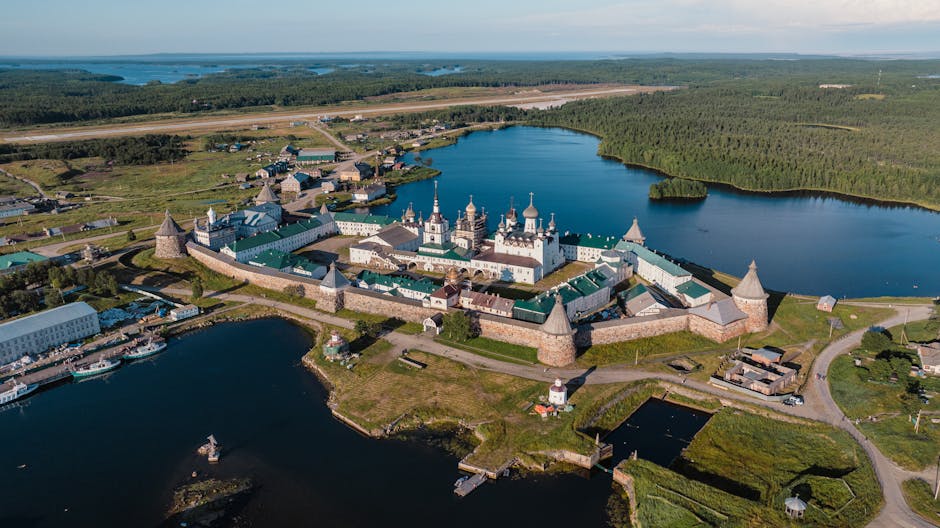
Tranquil summer view on the Solovetsky Islands with a waterfront building a…, Wrangel Island, Russia
FAQs: Your Wrangel Island, Russia Questions Answered
1. Is Wrangel Island, Russia safe at night?
Safety is entirely managed by your expedition team. You are never on the island “at night” independently—the midnight sun simply means it’s always daytime. The primary safety concern is polar bears. All landings are carefully scouted, and guides are trained and equipped to ensure group safety. Onboard the ship, you are completely secure.
2. What currency is used and are credit cards accepted?
The Russian Ruble (RUB) is the currency, but you will have virtually no need for cash on the island itself. All expenses are pre-paid in your expedition package. Onboard, any incidental purchases (bar tab, shop) are settled by credit card at the end of the voyage. Bring some rubles or USD for souvenirs in the gateway ports like Anadyr.
3. How do I get from the airport to the city center (for embarkation)?
Your expedition operator will handle all transfers between the airport in your gateway city (e.g., Anadyr) and the ship. This is always included in your package. You’ll be met by a representative upon arrival. For independent travel before or after, taxis are available. Book reliable airport transfers at GetYourGuide for convenience if extending your stay.
4. Do I need to speak the local language?
No. Expedition cruises to Wrangel Island are conducted in English by international teams. All briefings, lectures, and announcements will be in English. The Russian crew will typically have basic English for service interactions. Learning a few polite Russian phrases is a nice gesture but not necessary for the trip’s success.
5. What’s the appropriate dress code?
Forget fashion; think function. The dress code is **expedition gear**. On landings: thermal base layers, fleece, waterproof/windproof outer shell, insulated waterproof boots, gloves, hat, and neck gaiter. Onboard ship: comfortable, casual clothing (jeans, sweaters). Some ships have a “no boots in the interior” rule, so warm socks or indoor shoes are essential. A swims
Related Guides
Explore more destinations similar to Wrangel Island:

