
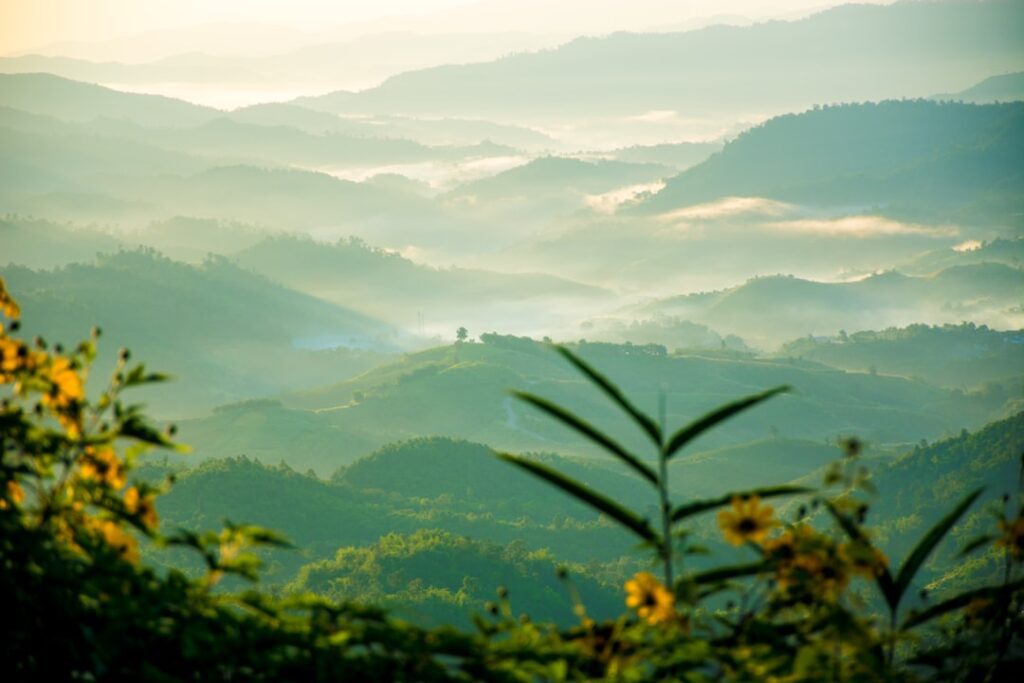
Mae On, Thailand’s Incredible Temples, Textiles & Tranquil Countryside (2026)
While over 10 million tourists descend on nearby Chiang Mai annually, just 30 kilometers east, the quiet district of Mae On receives a mere fraction of that foot traffic. Here, the frantic buzz of tuk-tuks is replaced by the rhythmic clack of wooden looms, and the scent of incense from ancient forest temples hangs heavier than street food smoke. This is the authentic, artisanal heart of Northern Thailand that most itineraries completely bypass.
Why Mae On, Thailand Stands Out

Green and brown trees under blue sky during night time, Mae On, Thailand
- Historic Architecture: The 14th-century Wat Chedi Ngam, with its unique Lanna-style chedi built directly into a limestone cliff face, offers a spiritual and architectural marvel.
- Cultural Scene: The annual Bo Sang Umbrella Festival in nearby San Kamphaeng (January) showcases the legendary paper umbrella craft that originated in this very region.
- Local Specialties: You must try Khao Soi Mae On, a distinctively rich and creamy coconut curry noodle soup often made with home-recipe curry pastes you won’t find in the city.
Pro Tip: Visit on a weekday. Weekends see a slight influx from Chiang Mai. For the most serene experience, plan your temple visits for early morning (7:00-9:00 AM) before the day’s heat and any potential tour groups arrive.
Map of Mae On, Thailand
Use these interactive maps to explore Mae On, Thailand and plan your route:
📍 View Mae On, Thailand on OpenStreetMap
🗺️ Open Mae On, Thailand in Google Maps
Planning Your Trip: Practical Essentials
Getting There and Around
- By Air: Chiang Mai International Airport (CNX) is your gateway. Airlines like Bangkok Airways, Thai AirAsia, and Nok Air offer domestic connections. From the airport, your best bet is a pre-booked taxi or a rental car for the 45-minute drive to Mae On. Book flights at Skyscanner for best deals.
- By Train: Overnight trains from Bangkok arrive at Chiang Mai Railway Station. The journey takes 11-13 hours. From the station, you’ll need to arrange a taxi or songthaew (shared pickup truck) for the remaining journey to Mae On. Reserve tickets at Trainline or the national railway website.
- By Car: The drive from Chiang Mai is straightforward via Route 1006 and 1317. Renting a car or scooter (for experienced riders) offers maximum flexibility to explore the scattered villages and sites. Parking is almost always free and easy. Compare car rentals at RentalCars.com.
- Local Transport: Public songthaews run irregularly between Mae On and Chiang Mai’s Warorot Market area (approx. 50 THB). For exploring within the district, hiring a local songthaew driver for a half-day (around 800-1000 THB) is the most practical option, as attractions are spread out.
Best Time to Visit
The climate is tropical, with three distinct seasons. The cool, dry winter is universally considered the best time for exploration, but each season has its own character.
| Season | Weather | Highlights |
|---|---|---|
| Cool Season (Nov–Feb) | 18°C – 30°C (64°F – 86°F), dry and sunny | Ideal for temple hiking and outdoor activities; peak season with clear skies and the Bo Sang Umbrella Festival in Jan. |
| Hot Season (Mar–Jun) | 25°C – 38°C (77°F – 100°F), very dry and hot | Fewer visitors; great for early morning excursions; waterfalls may have lower flow. |
| Rainy Season (Jul–Oct) | 24°C – 32°C (75°F – 90°F), frequent heavy showers | Lush, vibrant greenery; dramatic skies; lowest tourist numbers; some rural roads may be muddy. |
Budgeting for Mae On, Thailand

Green grass field and trees during daytime, Mae On, Thailand
| Category | Budget | Mid-range | Luxury |
|---|---|---|---|
| Accommodation | 400-800 THB (homestay, basic guesthouse) | 1,200-2,500 THB (boutique resort, private villa) | 3,500+ THB (luxury eco-resort with pool) |
| Meals | 150-300 THB (street food, market meals) | 300-600 THB (local restaurants, cafes) | 800+ THB (resort dining, curated experiences) |
| Transport | 100 THB (songthaew rides) | 800 THB (half-day hired songthaew) | 1,500+ THB (private car & driver) |
| Activities | 0-100 THB (temple donations, village walks) | 200-500 THB (workshops, entry fees) | 1,000+ THB (private guided tours) |
| Daily Total | 650 – 1,300 THB | 2,500 – 4,400 THB | 6,800+ THB |
Top Attractions and Must-See Sights
| Attraction | Description | Hours | Entry Fee |
|---|---|---|---|
| Wat Chedi Ngam | A breathtaking 14th-century temple complex built into a limestone cliff, featuring a hidden Buddha image in a cave. | 8:00 AM – 5:00 PM | Free (Donations welcome) |
| Mae Kampong Village | A picturesque hillside village famous for its coffee plantations, homestays, and cascading waterfalls nestled in the forest. | All day | Free |
| Handicraft Villages (San Kamphaeng) | A stretch of road lined with family-run workshops where you can see silk weaving, silver crafting, and umbrella painting firsthand. | 9:00 AM – 5:00 PM (varies) | Free to browse |
| Mon Cham & Mon Jam | Twin mountain peaks offering stunning panoramic views, flower gardens, and Hmong hill-tribe culture. | All day (best at sunrise) | Free (parking ~30 THB) |
3-Day Itinerary: Mae On, Thailand’s Highlights & Hidden Gems
Day 1: Ancient Temples & Artisan Alleys
- Morning (7:00 AM): Start early at Wat Chedi Ngam. The morning light illuminates the cliff face, and you’ll likely have the serene grounds to yourself. Climb the steps to the cave shrine.
- Afternoon (12:30 PM): Head to the San Kamphaeng handicraft road. Visit Khum Kantoke for a traditional Northern Thai lunch (their *Kantoke* set meal is perfect). Then, explore workshops like Shinawatra Thai Silk to see weaving.
- Evening (6:30 PM): Enjoy dinner at Ton Kwen Restaurant near the river, known for its fresh *Pla Pao* (salt-crusted grilled fish) and relaxed garden setting.
Day 2: Mountain Air & Hill Tribe Culture
- Morning (6:00 AM): Hire a songthaew (approx. 1000 THB round-trip) for the scenic 1-hour drive up to Mon Cham. Arrive for sunrise over the misty valleys—it’s a view you won’t forget. Enjoy a fresh, cool-climate coffee at a hillside stall.
- Afternoon (1:00 PM): Descend and have lunch at Baan Suan Cafe, a lovely garden restaurant serving fantastic *Pad Thai* and fruit shakes. Then, visit a lesser-known spot like Wat Pa Dara Phirom, a peaceful forest temple.
- Evening (7:00 PM): Opt for a cooking class at a local homestay or farm, like Mae On Farm Cooking, to learn the secrets of Northern Thai cuisine firsthand.
Day 3: Village Life & Waterfall Serenity
- Morning (8:00 AM): Take a songthaew to Mae Kampong Village (about 40 mins, 150 THB by shared transport). Wander the steep, charming streets, visit a local coffee roaster, and hike to the seven-tiered Mae Kampong Waterfall.
- Afternoon (12:30 PM): Have a simple, delicious lunch at Mae Kampong Homestay Restaurant, trying local dishes like *Gaeng Hang Lay* (Northern pork curry).
- Evening (5:30 PM): Return to Mae On. For your final evening, savor a memorable dinner at Rim Nam Restaurant, where you can dine on spicy *Larb* and other Isaan specialties by the water’s edge.
Cultural Insights & Etiquette
- Language: Thai is the language. Key phrases: *Sawasdee* (Hello), *Khop Khun* (Thank you), *Mai Ped* (Not spicy). Basic English is understood in tourist areas, but less so in remote villages.
- Customs: The head is considered sacred, the feet unclean. Never touch someone’s head or point your feet at people or Buddha images. Always remove your shoes before entering a temple building or a private home.
- Tipping: Not traditionally expected but appreciated. Round up taxi fares, leave 20-50 THB at restaurant tables for good service, and tip tour guides 200-300 THB for a half-day.
- Dress Code: Modesty is key, especially at temples. Cover shoulders and knees. Carry a sarong. Swimwear is for pools and beaches only, not village streets.
- Business Hours: Shops typically open 9:00 AM – 6:00 PM. Temples are open from early morning until evening. Many small businesses close on major Buddhist holidays.
Where to Eat: Mae On, Thailand’s Best Bites
Dining in Mae On is about authentic, home-style Northern Thai cuisine. You’ll find family-run eateries, roadside stalls with plastic chairs, and a few charming garden restaurants. The focus is on flavor, not frills.
Must-Try Local Specialties
- Khao Soi Mae On: The local take on the famous curry noodle soup, often with a richer, creamier broth and handmade noodles. Try it at any simple local noodle shop.
- Sai Oua: A fragrant Northern Thai herb sausage packed with lemongrass, galangal, and kaffir lime leaves. Best sampled at the Mae On morning market.
- Nam Prik Num: A smoky green chili dip served with fresh and steamed vegetables and sticky rice. A staple in every household.
Restaurant Recommendations by Budget
| Type | Restaurant | Specialty | Price Range |
|---|---|---|---|
| Budget | Mae On Market Food Stalls (downtown) | Various Northern Thai dishes, noodles, and grilled meats | 40-80 THB per dish |
| Mid-range | Ton Kwen Restaurant (Near Ping River) | Fresh river fish, Thai classics in a garden setting | 150-300 THB per dish |
| Fine dining | The Riverside Bar & Grill (at a local resort) | International fusion and premium Thai dishes with scenic views | 350-800 THB per dish |
Where to Stay
Accommodation ranges from authentic village homestays to beautiful boutique eco-resorts nestled in nature. Staying in Mae On itself offers the most immersive experience, though some choose to base in nearby San Kamphaeng for more options. Compare prices and book at Booking.com or Airbnb for apartments.
Best Neighborhoods for Accommodation
- Central Mae On Village: Simple guesthouses and homestays put you right in the local rhythm, with easy access to the morning market and local temples. Perfect for budget travelers and cultural immersion.
- Surrounding Countryside: Scattered boutique resorts and villas offer privacy, stunning rice field or mountain views, and pools. Ideal for couples and those seeking relaxation; you’ll need transport.
- Mae Kampong Village: Staying in a traditional wooden homestay here is a unique experience, with cool mountain air and community-based tourism. Suits adventurous travelers wanting a deeper connection.

White and yellow flowers on green grass field during daytime, Mae On, Thailand
FAQs: Your Mae On, Thailand Questions Answered
1. Is Mae On, Thailand safe at night?
Yes, Mae On is generally very safe. Violent crime against tourists is extremely rare. Standard precautions apply: be aware of your surroundings in isolated areas at night, secure your valuables, and use reputable transport. The main risk is road safety if driving or riding a scooter on rural roads after dark.
2. What currency is used and are credit cards accepted?
The Thai Baht (THB) is the currency. While some resorts and larger restaurants may accept credit cards (Visa/Mastercard), cash is king in Mae On. ATMs are available in the main town center, but it’s wise to withdraw cash in Chiang Mai before heading out. Always carry small bills for markets, temples, and songthaews.
3. How do I get from the airport to Mae On?
From Chiang Mai Airport (CNX), the most convenient option is to pre-book a private taxi or transfer directly to your accommodation in Mae On. The fixed-price taxi desk at the airport will charge around 800-1000 THB for the 45-60 minute journey. Alternatively, take a taxi to Chiang Mai city (150 THB) and then a shared songthaew to Mae On (50 THB), but this is less direct. Book airport transfers at GetYourGuide for convenience.
4. Do I need to speak the local language?
No, but it helps immensely. Basic English is understood at hotels and main attractions, but in villages and with older locals, communication will be non-verbal or very basic. Learning a few Thai phrases shows respect and will be met with warm smiles. Having Google Translate downloaded offline can be a lifesaver.
5. What’s the appropriate dress code?
Modest, lightweight, and breathable clothing is essential. For temple visits, you must cover your shoulders and knees (both men and women). Loose linen pants, long skirts, and t-shirts are perfect. Pack a
Explore More Destinations
- Jozani, Tanzania on a Budget: an Ancient Forest for $35/Day (2026)
- Nsumbu, Zambia on a Budget: Wild Africa for $40/Day (2026)
- Semporna, Malaysia on a Budget: Paradise for $35/Day (2026)
- Khuzestan, Iran on a Budget: Ancient Empires for $30/Day (2026)
- Ngerulmud, Palau on a Budget: Island Majesty for $45/Day (2026)
Ready to Visit Mae On?
Start planning your trip today. Compare hotels, find the best tours, and get insider tips.
Your adventure in Mae On starts here →
Related Guides
Explore more destinations similar to Mae On:
- Chachapoyas Travel Guide(Peru): Incredible Best Attractions & 3-Day Itinerary (2025)
- Goiânia, Brazil’s Best Art Deco, Cerrado Cuisine & Sertanejo Soul (2025)
- Nkhata Bay, Malawi: Essential Lake Adventures, Cultural Immersion & Tropical Relaxation (2025)
- Villa Unión, Argentina’s Hidden Fossils, Canyons & Star-Filled Skies (2026)
{“@context”: “https://schema.org”, “@type”: “FAQPage”, “mainEntity”: [{“@type”: “Question”, “name”: “What is the best time to visit Mae On?”, “acceptedAnswer”: {“@type”: “Answer”, “text”: “The best time to visit Mae On depends on your preferences. Generally, the dry season offers the most pleasant weather for sightseeing and outdoor activities.”}}, {“@type”: “Question”, “name”: “How many days do I need in Mae On?”, “acceptedAnswer”: {“@type”: “Answer”, “text”: “Most travelers spend 3-5 days in Mae On to see the main attractions. A week allows for a more relaxed pace and day trips.”}}, {“@type”: “Question”, “name”: “Is Mae On expensive to visit?”, “acceptedAnswer”: {“@type”: “Answer”, “text”: “Mae On can be visited on various budgets. Accommodation ranges from hostels to luxury hotels, and local restaurants offer affordable dining.”}}]}

