
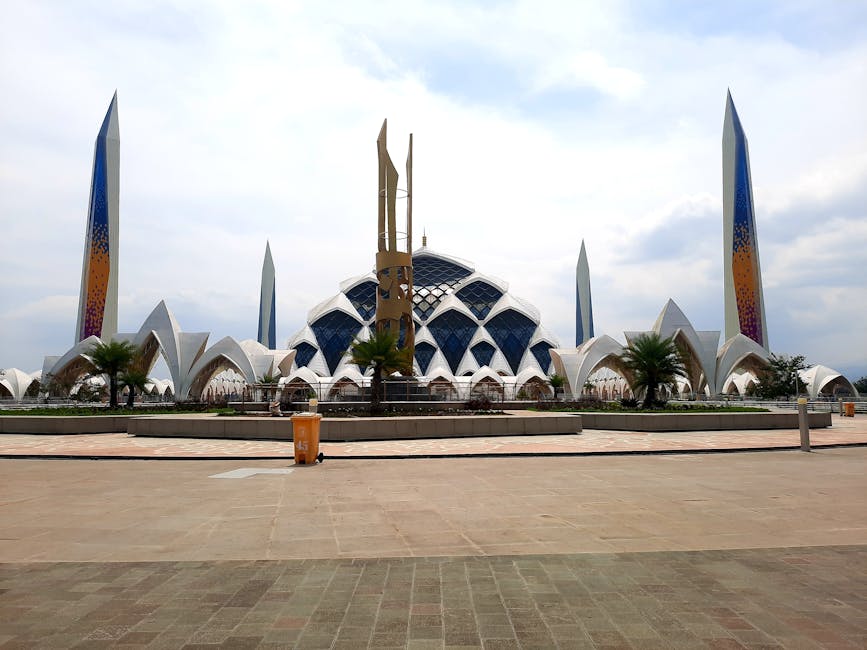
Atambua, Indonesia: Ultimate Border Culture, Sacred Forests & Timeless Traditions (2026)
While crowds flock to Bali for its beaches, Atambua, Indonesia delivers a profound cultural encounter on the edge of the Timor Sea. As the capital of Belu Regency, this town of 80,000 is the gateway to Timor-Leste and a living tapestry of Tetun and Kemak traditions. Here, you won’t find tourist touts, but you will witness daily life where ancient animist beliefs, Portuguese colonial history, and Indonesian modernity converge in a way found nowhere else in the archipelago. Your journey here is less about sightseeing and more about genuine connection.
Why Atambua, Indonesia Stands Out

Aerial view of the historic Jam Gadang clock tower amidst Bukittinggi’s vib…, Atambua, Indonesia
- Historic Architecture: The 1937-built Gereja Katedral Atambua (St. Mary Immaculate Conception Cathedral) stands as a stunning testament to Portuguese missionary history, its white facade a landmark against the Timor sky.
- Cultural Scene: The annual Likurai Festival, a traditional war dance performed by women to welcome home warriors, transforms the town with rhythmic beats and vibrant ikat textiles.
- Local Specialties: You must try Jagung Bose, a hearty savory porridge of crushed corn, beans, and pumpkin, slow-cooked and served with smoked meat or fish.
Pro Tip: Plan your visit for the dry season, specifically between May and September. Not only will you avoid the muddy, impassable roads that can isolate villages during the rainy season, but this period also coincides with several key harvest festivals where traditional ceremonies are more frequently performed. Arrive on a Thursday for the bustling weekly market (Pasar Inpres) at its peak.
Map of Atambua, Indonesia
Use these interactive maps to explore Atambua, Indonesia and plan your route:
📍 View Atambua, Indonesia on OpenStreetMap
🗺️ Open Atambua, Indonesia in Google Maps
Planning Your Trip: Practical Essentials
Getting There and Around
- By Air: The main gateway is El Tari International Airport (KOE) in Kupang, West Timor. From there, it’s a 4-5 hour drive to Atambua. Garuda Indonesia and Lion Air operate regular flights from Bali and Jakarta. Book flights at Skyscanner for best deals.
- By Train: There are no train services on Timor Island. All long-distance travel is by road or air.
- By Car: The Trans-Timor Highway connects Kupang to Atambua. Renting a car with a local driver (approx. IDR 800,000/day) is highly recommended for navigating rural roads. Compare car rentals at RentalCars.com for Kupang pick-up.
- Local Transport: Within town, use *bemo* (minivans) for fixed routes (IDR 5,000-10,000) or *ojek* (motorcycle taxis) for point-to-point travel. For villages, chartering a *bemo* or car is necessary.
Best Time to Visit
Timing is crucial in Atambua due to its distinct wet and dry seasons. The dry season offers reliable access to all cultural sites, while the wet season can be lush but challenging for travel.
| Season | Weather | Highlights |
|---|---|---|
| Dry Season (May–Sep) | Hot, sunny, low humidity (25-32°C). Almost no rain. | Ideal for village visits, hiking, and festivals. Roads are passable. Peak for cultural travel. |
| Wet Season (Dec–Mar) | Heavy, daily rainfall, high humidity (23-30°C). | Landscapes are vividly green. Fewer visitors, but some remote areas become inaccessible due to flooding. |
| Shoulder (Apr/Oct–Nov) | Transitional, with sporadic showers and building/waning heat. | Good balance of manageable weather and smaller crowds. A smart choice for flexible travelers. |
Budgeting for Atambua, Indonesia

Wide view of the modern Jakarta International Stadium on a sunny day, Atambua, Indonesia
| Category | Budget | Mid-range | Luxury |
|---|---|---|---|
| Accommodation | IDR 150,000-300,000 (basic losmen) | IDR 400,000-700,000 (standard hotel with AC) | IDR 800,000+ (best available hotel in town) |
| Meals | IDR 20,000-50,000 (warung meals) | IDR 60,000-120,000 (restaurant meals) | IDR 150,000+ (hotel restaurant) |
| Transport | IDR 50,000 (local bemo/ojek) | IDR 300,000 (daily car charter) | IDR 800,000+ (private 4×4 & driver) |
| Activities | Free (market, cathedral visits) | IDR 50,000-100,000 (donations for village visits) | IDR 300,000+ (guided cultural tours) |
| Daily Total | IDR 220,000-420,000 (~$15-28) | IDR 810,000-1,220,000 (~$54-81) | IDR 2,050,000+ (~$136+) |
Top Attractions and Must-See Sights
| Attraction | Description | Hours | Entry Fee |
|---|---|---|---|
| Gereja Katedral Atambua | A majestic white cathedral with stunning stained glass and a serene interior, representing the deep Catholic faith of the region. | Daily, 6 AM – 6 PM | Free (donation appreciated) |
| Pasar Inpres (Main Market) | The vibrant, sprawling weekly market where you can find everything from handwoven ikat textiles to local coffee and spices. | Peak on Thu & Sat, 6 AM – 2 PM | Free |
| Motaain Border Post & Integration Monument | The official land border with Timor-Leste, marked by a symbolic monument, offering a unique geopolitical perspective. | Daily, 24/7 (viewing area) | Free |
| Traditional Villages (e.g., Fatubenao) | Nearby villages where traditional *ume kbubu* (round thatched huts) and *lopo* (meeting houses) preserve ancient architectural styles. | Daylight hours; visit with local guide | IDR 50,000-100,000 guide/donation |
3-Day Itinerary: Atambua, Indonesia’s Highlights & Hidden Gems
Day 1: Immersion in Town & Tradition
- Morning (7-9 AM): Start at **Pasar Inpres** (if it’s a Thursday or Saturday). Watch the town come alive, savor a local breakfast of *lontong sayur*, and practice bargaining for a length of Belu ikat. Your best bet is to look for textiles with deep indigo and rust colors.
- Afternoon (12-3 PM): Visit the **Gereja Katedral Atambua**. Explore its cool interior, then walk to **Rumah Makan Sari Rasa** for lunch. Order their signature *Ikan Bakar Jimbaran* (grilled fish with spicy sambal) for IDR 65,000.
- Evening (6-8 PM): Take a leisurely *ojek* ride to a vantage point for sunset over the rolling hills. For dinner, head to **Depot Family** for a hearty, affordable plate of *Nasi Campur* (mixed rice) with local specialties.
Day 2: Borderlands & Sacred Sites
- Morning (8 AM): Charter a *bemo* (approx. IDR 200,000 roundtrip) for the 30-minute drive to the **Motaain Border Post**. See the Integration Monument and observe the cross-border activity. Remember to bring your passport, though crossing requires prior visa arrangements.
- Afternoon (1 PM): Return to town and have lunch at **Warung Ikan Bakar Manna**, a simple spot known for its incredibly fresh grilled seafood. Afterwards, visit the **Belu Regency Museum** (Museum Daerah Belu) to understand the area’s anthropology and history.
- Evening (6 PM): Enjoy a relaxed dinner. Ask your hotel to help arrange a visit to a local family or cultural group; sometimes informal evening music or storytelling can be organized with notice and a respectful contribution.
Day 3: Village Life & Craftsmanship
- Morning (7 AM): Hire a car with driver (IDR 400,000) for a half-day trip to **Fatubenao Village**, about 45 minutes away. Explore the traditional *ume kbubu* huts and the sacred *lopo* meeting house. A small donation (IDR 100,000) to the village head is customary.
- Afternoon (12 PM): Return towards Atambua and stop at a local **ikat weaving workshop**. Observe the intricate, months-long process. **Tenun Hatobus** is a reputable cooperative where you can buy directly from weavers.
- Evening (5 PM): For your final meal, try **Jagung Bose** at a local *warung* like **RM Tante Lisa**. Pack your purchases and prepare for your onward journey, having experienced the quiet, profound depth of West Timor.
Cultural Insights & Etiquette
- Language: Indonesian (Bahasa Indonesia) is official. Tetun and Kemak are widely spoken. Key phrases: “*Obrigadu*” (Thank you in Tetun), “*Boa tarde*” (Good afternoon, Portuguese influence).
- Customs: Always use your right hand for giving, receiving, and eating. Seek permission before photographing people, especially elders. In villages, it’s respectful to address the *Kepala Desa* (village head) first.
- Tipping: Not expected but appreciated for good service. Rounding up taxi fares or leaving 5-10% at nicer restaurants is a kind gesture.
- Dress Code: Modesty is key. Cover shoulders and knees, especially when visiting religious sites, government offices, and villages.
- Business Hours: Government offices: 8 AM-3 PM (often closed Fri afternoon). Shops: 9 AM-9 PM. Many places close for a midday break (12-1 PM). Major holidays like Easter and Christmas are celebrated fervently.
Where to Eat: Atambua, Indonesia’s Best Bites
Dining in Atambua is a lesson in Timorese resilience and flavor. The cuisine is hearty, based on corn, root vegetables, and smoked meats, reflecting the island’s rugged landscape. Meals are social, communal affairs, and the best food is often found in humble *warungs*.
Must-Try Local Specialties
- Jagung Bose: The definitive dish of Belu. This savory crushed corn porridge is cooked with kidney beans, pumpkin, and sometimes smoked meat or salt fish. Find it at traditional *warungs* like **RM Tante Lisa**.
- Ikan Asap Nusantara: Locally caught fish, smoked using traditional methods, resulting in a intensely flavorful and preserved protein. Sold in the market and served in many restaurants.
- Kopi Timor: The region’s famous organic coffee, known for its full body and low acidity. Enjoy a cup at any market stall or local shop—it’s often served very sweet unless you request “*tampa gula*” (without sugar).
Restaurant Recommendations by Budget
| Type | Restaurant | Specialty | Price Range |
|---|---|---|---|
| Budget | Warung Ikan Bakar Manna (Jl. Sudirman) | Incredibly fresh grilled fish and seafood with sambal | IDR 30,000 – 70,000 |
| Mid-range | Rumah Makan Sari Rasa (Jl. El Tari) | Wide menu of Indonesian and Timorese classics in a clean setting | IDR 60,000 – 120,000 |
| Fine dining | Restaurant Hotel Angelina (in Hotel Angelina) | The most upscale setting in town for Western and Indonesian dishes | IDR 100,000 – 250,000 |
Where to Stay
Accommodation in Atambua is functional rather than luxurious, focusing on clean rooms and essential amenities. Most hotels are centrally located, making exploration easy. Compare prices and book at Booking.com or Airbnb for apartments (though local guesthouses may not be listed online).
Best Neighborhoods for Accommodation
- City Center (around Jl. El Tari/Jl. Sudirman): The most convenient area, close to restaurants, the cathedral, and transport hubs. You’ll find the main hotels here. Ideal for first-time visitors who want to be in the heart of things.
- Quiet Residential Streets: A few blocks back from the main roads offer quieter *losmen* (guesthouses). This suits travelers seeking a more local feel and don’t mind a short walk to amenities.
- Note: There are no distinct tourist “neighborhoods.” Choosing a hotel with reliable air conditioning and hot water is often the primary concern for comfort.

A view of Gothic cathedral towers in Jakarta, Atambua, Indonesia
FAQs: Your Atambua, Indonesia Questions Answered
1. Is Atambua, Indonesia safe at night?
Atambua is generally very safe. Violent crime against tourists is rare. Standard precautions apply: avoid poorly lit, deserted areas late at night, keep valuables secure, and be aware of your surroundings. The main concern for travelers is road safety, so be cautious when walking along busy streets with limited sidewalks.
2. What currency is used and are credit cards accepted?
The Indonesian Rupiah (IDR) is the currency. Carry ample cash, as credit cards are only accepted at a few of the larger hotels (like Hotel Angelina). ATMs are available in the town center, but they can sometimes run out of cash, so it’s wise to withdraw money when you see one working.
3. How do I get from the airport to the city center?
You will fly into Kupang (KOE). From there, you have two main options: a pre-arranged private car transfer (approx. IDR 800,000-1,000,000 for the 4-5 hour journey to Atambua) or a public bus from Kupang’s Oebobo terminal (IDR 150,000, less comfortable, fixed schedule). Booking a driver through your Atambua hotel is the most reliable method. Book airport transfers at GetYourGuide for convenience for Kupang arrivals.
4. Do I need to
{“@context”: “https://schema.org”, “@type”: “FAQPage”, “mainEntity”: [{“@type”: “Question”, “name”: “What is the best time to visit Atambua?”, “acceptedAnswer”: {“@type”: “Answer”, “text”: “The best time to visit Atambua depends on your preferences. Generally, the dry season offers the most pleasant weather for sightseeing and outdoor activities.”}}, {“@type”: “Question”, “name”: “How many days do I need in Atambua?”, “acceptedAnswer”: {“@type”: “Answer”, “text”: “Most travelers spend 3-5 days in Atambua to see the main attractions. A week allows for a more relaxed pace and day trips.”}}, {“@type”: “Question”, “name”: “Is Atambua expensive to visit?”, “acceptedAnswer”: {“@type”: “Answer”, “text”: “Atambua can be visited on various budgets. Accommodation ranges from hostels to luxury hotels, and local restaurants offer affordable dining.”}}]}
Related Guides
Explore more destinations similar to Atambua:

