
Tocantins, Brazil: Essential Cerrado Sunsets, River Beaches & Indigenous Culture (2026)
While crowds flock to the Amazon, the state of Tocantins delivers Brazil’s most dramatic inland landscapes without the dense jungle humidity. Here, the vast Cerrado savanna meets the Araguaia River, creating over 1,000 kilometers of pristine freshwater beaches. This is where you’ll find Jalapão, a 34,000-square-kilometer wilderness of golden dunes, crystal-clear springs, and tabletop mountains that feels like a secret planet. Savvy travelers choose differently to experience a Brazil few ever see.
Why Tocantins, Brazil Stands Out

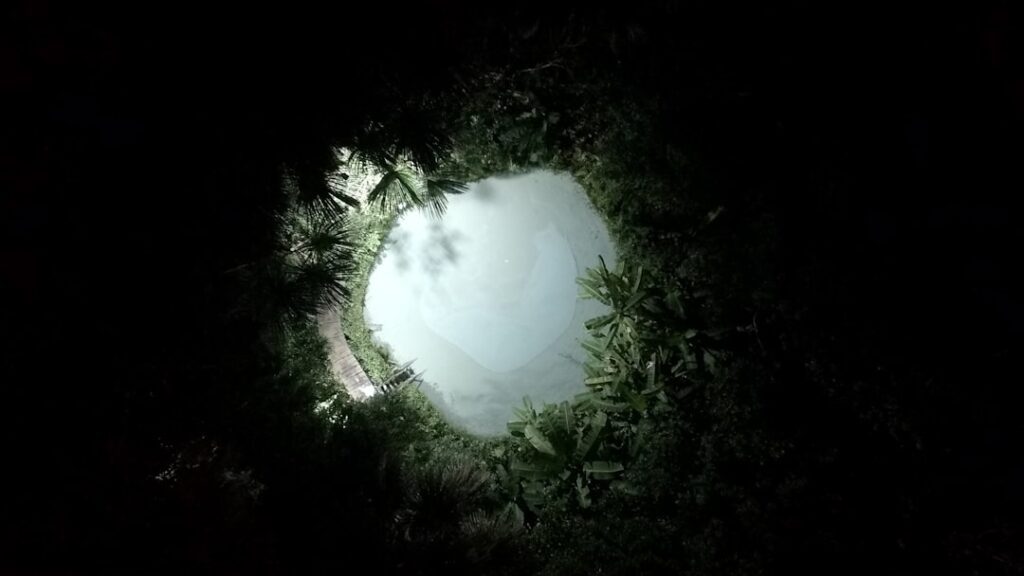
A landscape with trees and bushes, Tocantins, Brazil
- Historic Architecture: The 18th-century Igreja de Nossa Senhora do Rosário dos Pretos in Natividade, built by enslaved Africans, stands as a powerful symbol of colonial history and Afro-Brazilian resilience.
- Cultural Scene: The Festa do Divino Espírito Santo in June transforms the town of Parayso do Tocantins with processions, folk dances (congada), and communal feasts rooted in Portuguese tradition.
- Local Specialties: You must try pequi, a fragrant, bright yellow fruit often cooked with rice or chicken, known for its unique flavor and a cautionary tale about its spiky interior.
Pro Tip: Visit during the dry season, from May to September, for perfect Jalapão exploration. For the surreal experience of river beaches, target late July to September when the Araguaia’s waters recede, revealing vast sandbanks. Avoid the rainy season (November to March) when many dirt roads become impassable.
Map of Tocantins, Brazil
Use these interactive maps to explore Tocantins, Brazil and plan your route:
📍 View Tocantins, Brazil on OpenStreetMap
🗺️ Open Tocantins, Brazil in Google Maps
Planning Your Trip: Practical Essentials
Getting There and Around
- By Air: The main gateway is Palmas Airport (PMW), served by Azul and Gol airlines with direct flights from Brasília, São Paulo, and Belém. A taxi to Palmas city center costs about R$ 50. Book flights at Skyscanner for best deals.
- By Train: Tocantins has no passenger rail service. Long-distance buses from Brasília (12 hours) or Goiânia (10 hours) are the overland alternatives.
- By Car: A 4×4 vehicle is non-negotiable for exploring Jalapão. Rent in Palmas from local agencies like Localiza or Unidas. The BR-153 and BR-226 are the state’s main paved highways. Compare car rentals at RentalCars.com.
- Local Transport: In Palmas, use city buses (R$ 4.50 per ride) or apps like 99Pop for taxis. For Jalapão, you must join an organized tour or rent a 4×4 with a local driver-guide.
Best Time to Visit
The climate defines the experience here. The dry season offers accessibility and stunning landscapes, while the wet season brings lush greenery but challenging travel conditions.
| Season | Weather | Highlights |
|---|---|---|
| Dry Season (May–Sep) | Hot, sunny days (25-35°C), very low humidity, almost no rain. | Perfect for Jalapão, river beaches are exposed, ideal for hiking and photography. Peak tourist season. |
| Wet Season (Nov–Mar) | Very hot (30-38°C), high humidity, daily heavy rainfall. | Landscapes are intensely green, waterfalls are powerful. Many roads are closed; not recommended for first-timers. |
| Shoulder (Apr/Oct) | Transitional; warm with sporadic rain. | Good balance of accessibility and greenery, fewer visitors, lower prices for tours. |
Budgeting for Tocantins, Brazil

A young woman using a laptop while sitting at a skate park during sunset., Tocantins, Brazil
| Category | Budget | Mid-range | Luxury |
|---|---|---|---|
| Accommodation | Hostel/R$ 80-150 p/night | Pousada/R$ 250-400 p/night | Eco-lodge/R$ 600+ p/night |
| Meals | Lanches & market food/R$ 30-50 | Local restaurant/R$ 60-100 | Fine dining in Palmas/R$ 150+ |
| Transport | Public bus & shared tours | 4×4 rental (split)/R$ 150 p/day | Private 4×4 with driver/R$ 500+ p/day |
| Activities | Public beach access, hiking | Group Jalapão tour/R$ 300 p/day | Private guided expeditions |
| Daily Total | R$ 200-300 | R$ 500-800 | R$ 1200+ |
Top Attractions and Must-See Sights
| Attraction | Description | Hours | Entry Fee |
|---|---|---|---|
| Jalapão State Park | A breathtaking wilderness of golden dunes, crystal fervedouro springs, and towering chapadas. | Daylight hours | Park fee ~R$ 25 |
| Praia do Graciosa (Palmas) | A 2km urban freshwater beach on the Tocantins River, perfect for sunset strolls and kayaking. | 24/7 | Free |
| Cachoeira da Velha | A massive, powerful waterfall on the Novo River, over 100 meters wide, known as the “little Iguaçu.” | 8 AM – 5 PM | ~R$ 20 |
| Historic Natividade | A beautifully preserved 18th-century gold-mining town with cobblestone streets and colonial churches. | Churches 9 AM – 4 PM | Church donations ~R$ 5 |
3-Day Itinerary: Tocantins, Brazil’s Highlights & Hidden Gems
Day 1: Palmas & The Tocantins River
- Morning (7-9 AM): Start with sunrise at the Espaço Cultural de Palmas for panoramic city and river views. Grab a fresh pão de queijo and coffee from a nearby bakery.
- Afternoon (12-3 PM): Head to Praia do Graciosa. Rent a stand-up paddleboard (R$ 50/hour) or simply relax. For lunch, try Restaurante do Nel for their legendary filé à parmegiana.
- Evening (6-8 PM): Watch the spectacular Cerrado sunset paint the sky from the Ponte de Ferro bridge. Enjoy dinner at Cantinho do Peixe for fresh river fish like tucunaré.
Day 2: Jalapão’s Golden Wonders
- Morning (6 AM): Depart early on a tour (R$ 300-400) to Fervedouro do Ceiça. Float effortlessly in its crystal-clear, spring-fed pool—a truly magical experience.
- Afternoon (1 PM): Trek across the Dunas do Jalapão, vast golden sand dunes that glow in the afternoon light. Pack a picnic lunch provided by your tour.
- Evening (6 PM): Arrive at the Serra do Espírito Santo for a breathtaking sunset view over the endless Cerrado. Overnight in a simple pousada in Mateiros town.
Day 3: Waterfalls & Craft Heritage
- Morning (7 AM): Visit the roaring Cachoeira da Velha. Feel the mist and power of this incredible waterfall. Entrance is R$ 20.
- Afternoon (12 PM): Stop in the community of Mumbuca to see artisans weave beautiful items from golden capim dourado, a sustainable local grass. Buy direct to support them.
- Evening (5 PM): Return to Palmas. For a final dinner, savor authentic Tocantins cuisine at Restaurante Sabor da Terra, ordering arroz com pequi and guariroba (heart of palm stew).
Cultural Insights & Etiquette
- Language: Portuguese is essential. Learn key phrases: “Bom dia” (Good morning), “Obrigado/a” (Thank you), “Quanto custa?” (How much?). English is rarely spoken outside major hotels.
- Customs: Greetings are important. A handshake or a nod with “bom dia” is expected. Always ask permission before photographing people, especially in indigenous or quilombola communities.
- Tipping: Not mandatory but appreciated. Round up taxi fares, leave 10% at sit-down restaurants if service isn’t included, and tip tour guides R$ 20-50 per day.
- Dress Code: Casual and practical for the heat. Swimwear is for beaches/pools only. Cover up when visiting towns and religious sites. Sturdy shoes are a must for Jalapão.
- Business Hours: Shops generally open 9 AM-6 PM, closing for a lunch break (12-2 PM). Banks are open 10 AM-4 PM. Everything closes on Sundays except malls and some restaurants.
Where to Eat: Tocantins, Brazil’s Best Bites
Tocantins cuisine is a hearty blend of Cerrado ingredients, river fish, and cattle ranch traditions. Don’t expect fancy plating; expect robust, flavorful food meant to fuel a day of adventure.
Must-Try Local Specialties
- Pequi: The iconic fruit of the Cerrado. It’s often cooked with rice (arroz com pequi) or chicken. Warning: Eat around the large inner seed—the tiny spines can hurt! Try it at any traditional por kilo restaurant.
- Tucunaré: A prized and flavorful freshwater fish from the Araguaia and Tocantins rivers, best grilled or fried. Find it at riverfront restaurants like Peixaria do Lago in Palmas.
- Pamonha: A fresh corn paste wrapped and boiled in corn husks, can be savory or sweet. Look for roadside stands, especially in the countryside between June and August.
Restaurant Recommendations by Budget
| Type | Restaurant | Specialty | Price Range |
|---|---|---|---|
| Budget | Mercado Municipal de Palmas (Food Court) | Various local stalls for prato feito (set plate) | R$ 20-35 |
| Mid-range | Churrascaria Gaúcha (Palmas) | All-you-can-eat Brazilian barbecue (rodízio) | R$ 70-100 |
| Fine dining | Manuê (Palmas, inside Hotel Girassol) | Contemporary Brazilian cuisine with Cerrado ingredients | R$ 150+ |
Where to Stay
Accommodation ranges from basic guesthouses in gateway towns to comfortable hotels in Palmas and unique eco-lodges near Jalapão. Booking ahead is crucial in the dry season. Compare prices and book at Booking.com or Airbnb for apartments.
Best Neighborhoods for Accommodation
- Plano Diretor (Palmas): The organized, modern center. You’ll find most hotels, restaurants, and easy access to Praia da Graciosa. Best for first-time visitors and those relying on urban amenities.
- Mateiros / Ponte Alta do Tocantins: The gateway towns to Jalapão. Stay here for simple pousadas to maximize your time in the park. It’s all about location over luxury.
- Taquarussú (Palmas): A quieter, more residential area of Palmas with some excellent boutique hotels and B&Bs, closer to nature and slightly removed from the bustle.
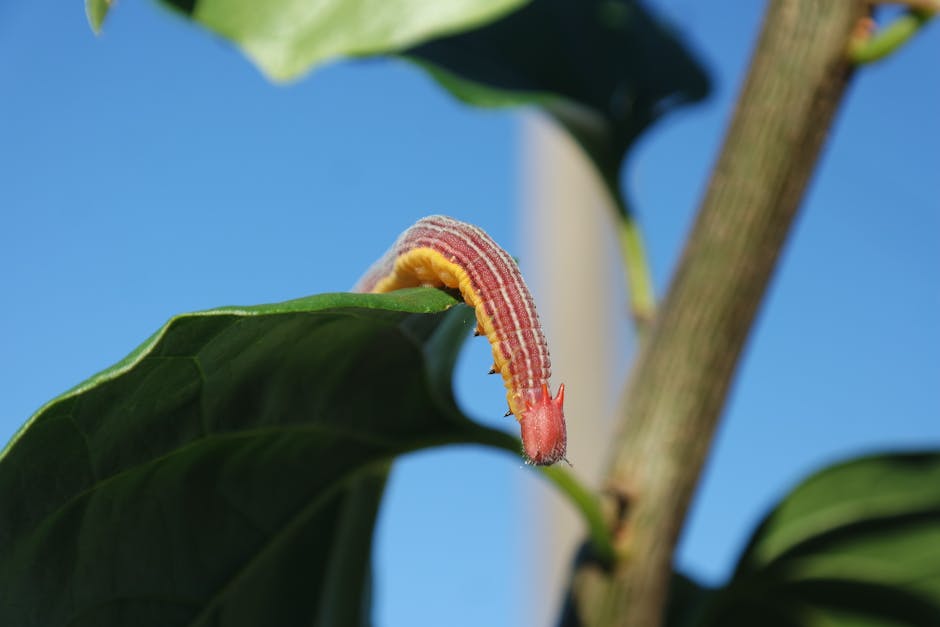
Close-up of a colorful caterpillar on a leaf in Palmas, Brazil., Tocantins, Brazil
FAQs: Your Tocantins, Brazil Questions Answered
1. Is Tocantins, Brazil safe at night?
Palmas is generally safe, but use common sense: stick to well-lit areas like Praia da Graciosa and avoid isolated spots. In smaller towns, safety is rarely an issue. The main risks in Jalapão are environmental—dehydration, getting lost, or unprepared 4×4 travel. Always travel with sufficient water, a guide, and a reliable vehicle.
2. What currency is used and are credit cards accepted?
The Brazilian Real (R$) is the currency. Credit cards (Visa/Mastercard) are widely accepted in Palmas and larger towns. However, in Jalapão, small communities, and for tour payments, cash is king. Withdraw enough reais before leaving the city.
3. How do I get from the airport to the city center?
Palmas Airport (PMW) is about 20km from the city center. Official taxi fares are around R$ 50-60 for the 30-minute ride. There is no reliable public bus. Pre-booking a transfer through your hotel is your best bet. Book airport transfers at GetYourGuide for convenience.
4. Do I need to speak the local language?
Yes, basic Portuguese is highly recommended. Very little English is spoken outside of major hotel receptions in Palmas. Learning a few phrases will greatly enhance your interactions and is considered a sign of respect. A translation app on your phone is a savvy traveler’s essential tool.
5. What’s the appropriate dress code?
Practical, light, breathable clothing for intense sun and heat. For Jalapão, wear long, light pants and sleeves for protection against brush and sun. A wide-brimmed hat, sunglasses, and high-SPF sunscreen are mandatory. Always have a swimsuit handy for the countless springs and waterfalls.
Final Thoughts: Tocantins, Brazil Awaits
Tocantins offers a profound and different Brazil—one defined by open horizons, resilient communities, and raw natural beauty. It rewards the curious traveler who ventures beyond the well-trodden coastal path. You’ll discover not just landscapes, but a pace of life deeply connected to the rhythms of the Cerrado and the
Related Guides
Explore more destinations similar to Tocantins:
- The Ultimate Ksar of Ouadane, Mauritania Guide (2025)
- Tessalit, Mali: Ultimate Saharan Silence, Tuareg Culture & Ancient Caravan Mystique (2025)
- Huambo, Angola’s Hidden High-Plateau Charm, Colonial Echoes & Coffee Culture (2025)
- Barra de Valizas, Uruguay’s Hidden Dunes, Starlight & Bohemian Soul (2026)

