
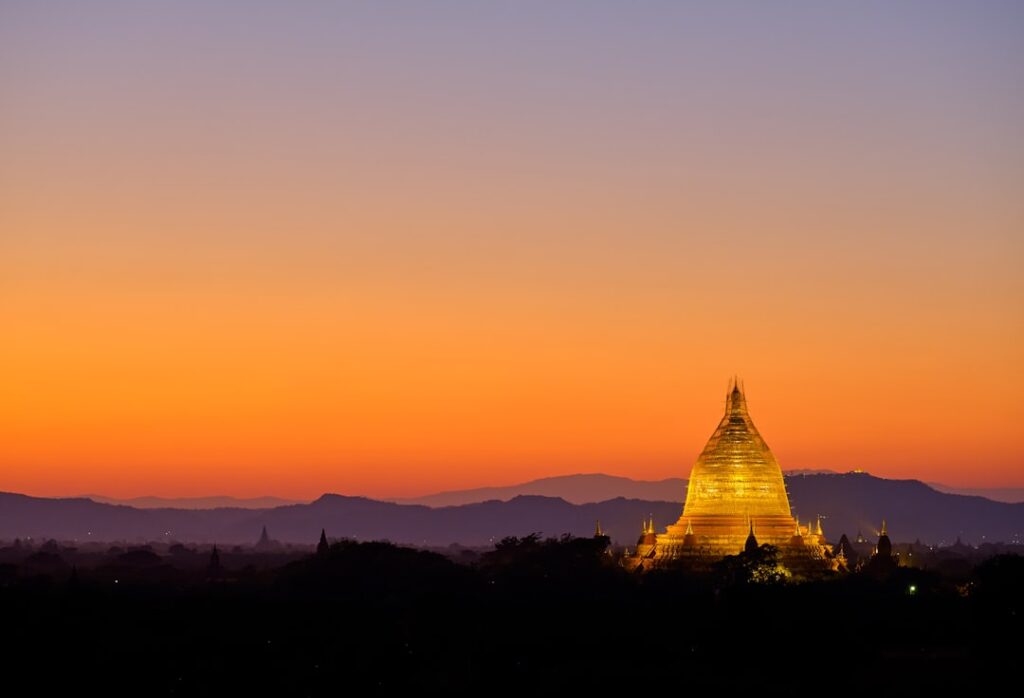
Pagan, Myanmar’s Amazing Temples, Sunsets & Timeless Spirituality (2026)
Just before dawn, the silence over the Bagan plains is broken only by the gentle rustle of a hot air balloon burner. As the sun crests the distant hills, its light reveals not just one or two, but over 2,200 surviving brick stupas and temples scattered across 26 square miles of dusty earth. This isn’t a curated museum; it’s a living archaeological landscape where farmers tend fields between 12th-century monuments. The sheer scale—comparable to the Angkor complex but with a fraction of the visitors—creates a sense of discovery that feels genuinely personal and profound.
Why Pagan, Myanmar Stands Out

Desert during daytime, Pagan, Myanmar
- Historic Architecture: The 11th-century Ananda Temple, with its iconic gilded *sikhara* spire and four 31-foot standing Buddha statues, is considered the architectural masterpiece of the early Bagan period.
- Cultural Scene: The annual Ananda Temple Festival in January, where thousands of pilgrims gather for a week of prayer, traditional music, and vibrant market stalls, offers a deep dive into living Burmese Buddhist tradition.
- Local Specialties: You must try *Shan Noodles*—a savory, slightly tart rice noodle dish with chicken or pork, tomatoes, and peanuts, best enjoyed at a local teahouse.
Pro Tip: The absolute best time for photography and peaceful exploration is between 6:00 AM and 8:30 AM. Most tour groups arrive after 9:00 AM, so an early start means you’ll have iconic temples like Thatbyinnyu or Sulamani virtually to yourself, with perfect soft morning light.
Map of Pagan, Myanmar
Use these interactive maps to explore Pagan, Myanmar and plan your route:
📍 View Pagan, Myanmar on OpenStreetMap
🗺️ Open Pagan, Myanmar in Google Maps
Planning Your Trip: Practical Essentials
Getting There and Around
- By Air: Nyaung U Airport (NYU) is the gateway, served by domestic flights from Yangon and Mandalay on airlines like Myanmar National Airlines and Air KBZ. A taxi to Nyaung U town costs about 8,000 MMK ($4). Book flights at Skyscanner for best deals.
- By Train: The overnight train from Yangon (14+ hours) is more an adventure than efficient transport. The route from Mandalay (7 hours) offers better scenery. Trains are basic and often delayed. Reserve tickets at Trainline or the national railway website.
- By Car: A private car from Mandalay takes about 4 hours. Driving yourself is not recommended for foreigners. Compare car rentals at RentalCars.com.
- Local Transport: Your best bets are renting an e-bike (8,000-10,000 MMK/day) for freedom, or hiring a horse cart with driver (approx. 25,000 MMK/day) for a slower, guided experience. Taxis are available for longer trips between zones.
Best Time to Visit
The ideal window is during the cool, dry winter months. The hot season can be brutally intense, while the rainy season (though lush) makes some dirt paths impassable.
| Season | Weather | Highlights |
|---|---|---|
| Cool & Dry (Nov–Feb) | Pleasant 70-85°F (21-30°C), clear skies | Perfect for sunrise/sunset, ballooning, and full-day exploration; this is peak season. |
| Hot (Mar–May) | Extremely hot, 90-105°F (32-40°C), dry | Fewer crowds and lower prices, but sightseeing is best confined to early mornings and late afternoons. |
| Rainy (Jun–Oct) | Hot, humid with frequent heavy showers | The landscape turns green and vibrant; you’ll have temples almost entirely to yourself, but some areas may flood. |
Budgeting for Pagan, Myanmar

Sitting person smiling beside man sitting on brown concrete pavement while …, Pagan, Myanmar
| Category | Budget | Mid-range | Luxury |
|---|---|---|---|
| Accommodation | $15-30 (guesthouse) | $50-100 (boutique hotel) | $150+ (luxury resort) |
| Meals | $1-3 (street food/teahouse) | $5-10 (restaurant) | $15+ (hotel dining) |
| Transport | $5 (e-bike rental) | $20 (horse cart/day) | $50+ (private car & driver) |
| Activities | $0 (temple exploring) | $20 (entry fee) | $350 (hot air balloon) |
| Daily Total | $25-40 | $80-150 | $250+ |
Top Attractions and Must-See Sights
| Attraction | Description | Hours | Entry Fee |
|---|---|---|---|
| Bagan Archaeological Zone | A vast plain dotted with thousands of ancient temples, best explored by e-bike at sunrise. | 24/7 (temples ~8am-6pm) | 25,000 MMK (~$12) for a 5-day pass |
| Ananda Temple | Bagan’s holiest and most beautiful temple, famed for its exquisite Mon architecture and giant Buddha statues. | 6:00 AM – 8:00 PM | Included in Zone Pass |
| Shwesandaw Pagoda | The most popular sunset viewpoint, with steep terraces offering 360-degree panoramic views. | 24/7 | Included in Zone Pass |
| Mount Popa | A volcanic plug topped with a monastery, known as the “home of the *nats*” (Burmese spirits), a 90-minute drive away. | 6:00 AM – 6:00 PM | $3 Donation |
3-Day Itinerary: Pagan, Myanmar’s Highlights & Hidden Gems
Day 1: Temple Hopping & The Classic Sunset
- Morning (7:00 AM): Rent an e-bike in Nyaung U and head straight to the Ananda Temple to see it in the peaceful, golden morning light. Climb the nearby low terraces of a smaller temple (like Thabeik Hmauk) for a quiet panoramic view.
- Afternoon (12:30 PM): Lunch on authentic Burmese curry at **Sarabha Restaurant** in Old Bagan. Then, explore the intricate murals inside the 13th-century Sulamani Temple and the massive, fortress-like Dhammayangyi Temple.
- Evening (5:00 PM): Join the pilgrimage to the top of **Shwesandaw Pagoda** for sunset. Arrive by 5:15 PM to secure a good spot. For dinner, try the riverside **Black Rose** restaurant in New Bagan for fresh grilled fish.
Day 2: Artisans, Balloons & Off-the-Path Temples
- Morning (5:30 AM): Either take a breathtaking hot air balloon flight over the temples (from $350, book months ahead) or, for a ground-level alternative, visit the vibrant **Nyaung U Market** followed by a lacquerware workshop in Myinkaba village to see this ancient craft.
- Afternoon (1:00 PM): Have a simple lunch of *Mohinga* (fish noodle soup) at a market stall. Then, explore the southern plain. Seek out the secluded **Payathonzu Temple** with its unique triple shrines and fading frescoes, and the elegant **Manuha Temple**, built by a captive Mon king.
- Evening (6:30 PM): For a less crowded sunset, savvy visitors go to the **Bulethi Temple**. Afterwards, enjoy dinner at **Weather Spoon’s Bagan** in New Bagan, known for its generous portions and cold beer.
Day 3: Spirituality & The Mount Popa Day Trip
- Morning (8:00 AM): Hire a taxi for the day (approx. 40,000 MMK / $20) for the 90-minute drive to **Mount Popa**. Climb the 777 steps to the hilltop monastery, watching for the mischievous monkeys that inhabit the stairs.
- Afternoon (1:00 PM): Enjoy lunch with a view at the **Mount Popa Resort** restaurant. On the drive back, stop at a local palm sugar plantation to see how *jaggery* is made. Return to Bagan by 4:00 PM.
- Evening (7:00 PM): For your final night, splurge on a cultural show and buffet dinner at the **Bagan Thiripyitsaya Sanctuary Resort**, set in beautiful gardens by the Irrawaddy River.
Cultural Insights & Etiquette
- Language: Burmese is the local language. Key phrases: *Mingalabar* (Hello), *Cheizu tin ba deh* (Thank you), *Beh lou leh* (How much?). English is spoken in tourist areas.
- Customs: Always remove shoes and socks before entering any temple or pagoda precinct. Dress modestly (covered shoulders and knees). Never point your feet at a Buddha image or a person.
- Tipping: Not mandatory but appreciated. Round up taxi fares, leave 5-10% at nicer restaurants if no service charge, and tip horse-cart drivers 2,000-3,000 MMK for a full day.
- Dress Code: Light, breathable clothing that covers shoulders and knees is essential for temple visits. A *longyi* (Burmese sarong) is a respectful and cool option, easily purchased locally.
- Business Hours: Shops and sites generally open 8:00 AM – 6:00 PM. Many small businesses close for a midday break. Major Buddhist holidays (like Thingyan in April) can see closures.
Where to Eat: Pagan, Myanmar’s Best Bites
Bagan’s food scene is a delightful mix of Burmese classics and Shan State specialties. Don’t just eat at your hotel; the family-run restaurants and bustling teahouses are where you’ll find the most flavor and character.
Must-Try Local Specialties
- Shan Noodles: A beloved breakfast or lunch dish of rice noodles in a savory, slightly tangy broth with chicken or pork, topped with peanuts and pickled vegetables. Try it at **Shan Noodle House** in Nyaung U.
- Burmese Tea Leaf Salad (Laphet Thoke): A unique salad of fermented tea leaves, crunchy beans, nuts, and tomatoes. It’s a burst of textures and flavors. **A Little Bit of Bagan** restaurant does an excellent version.
- Curry with a Selection of Hin: A traditional meal where you order a main curry (pork, fish, or chicken) and receive a dozen small side dishes (*hin*) of vegetables, soup, and condiments. **The Moon** in Old Bagan is famous for this.
Restaurant Recommendations by Budget
| Type | Restaurant | Specialty | Price Range |
|---|---|---|---|
| Budget | **Pyi Wa Restaurant**, Nyaung U Market | Incredible, cheap *Mohinga* and other noodle soups | $1-2 per dish |
| Mid-range | **Sanon Restaurant**, Nyaung U | Creative Burmese fusion; also a training school for local youth | $5-8 per main |
| Fine dining | **The Riverine**, Aureum Palace Hotel | Upscale Burmese and international cuisine with stunning Irrawaddy views | $15-25 per main |
Where to Stay
Accommodation is clustered in three main areas: Nyaung U (budget-friendly and lively), Old Bagan (central and historic, but no budget options), and New Bagan (quiet, with mid-range boutique hotels). Compare prices and book at Booking.com or Airbnb for apartments.
Best Neighborhoods for Accommodation
- Nyaung U: The most practical base, close to the airport, bus station, best markets, and cheap eateries. It’s bustling and offers the widest range of budget guesthouses. Ideal for backpackers and independent travelers.
- New Bagan: A planned town with a grid of sandy streets. You’ll find a great selection of charming mid-range boutique hotels, gardens, and local restaurants. It’s quieter than Nyaung U but still well-located for temple exploration.
- Old Bagan (or the Zone): For the ultimate immersive experience. A handful of luxury resorts sit within the archaeological zone itself, offering magical temple views from your balcony. This area is strictly for the splurge.

Hot air balloons in the sky during sunset, Pagan, Myanmar
FAQs: Your Pagan, Myanmar Questions Answered
1. Is Pagan, Myanmar safe at night?
Bagan is generally very safe for travelers. Violent crime is rare. However, use common sense: stick to lit areas, be cautious when riding e-bikes after dark as roads are poorly lit, and secure your valuables. Solo travelers, including women, report feeling safe, but it’s always wise to inform someone of your plans.
2. What currency is used and are credit cards accepted?
The local currency is the Myanmar Kyat (MMK). While some hotels, upscale restaurants, and balloon companies accept credit cards (Visa/Mastercard), a 3-5% fee is common. Your best bet is to operate primarily on cash. ATMs are available in Nyaung U and New Bagan, but always carry enough kyat for daily expenses like food, transport, and temple donations.
3. How do I get from the airport to the city center?
Nyaung U Airport is very close to town. Upon exiting arrivals, you’ll find a line of taxis. The fixed fare to hotels in Nyaung U is about 8,000 MMK ($4), to New Bagan 10,000 MMK ($5), and to Old Bagan 12,000 MMK ($6). The ride takes 5-15 minutes. Book airport transfers at GetYourGuide for convenience.
4. Do I need to speak the local language?
No, but learning a few phrases is greatly appreciated. In tourist areas—hotels, major restaurants, and sites—you’ll find enough English to get by. For horse-cart drivers and market vendors, communication will be basic. Having your hotel’s name and address written in Burmese on a card is a helpful backup.
5. What’s the appropriate dress code?
Modesty is
Explore More Destinations
- Jozani, Tanzania on a Budget: an Ancient Forest for $35/Day (2026)
- Nsumbu, Zambia on a Budget: Wild Africa for $40/Day (2026)
- Semporna, Malaysia on a Budget: Paradise for $35/Day (2026)
- Khuzestan, Iran on a Budget: Ancient Empires for $30/Day (2026)
- Ngerulmud, Palau on a Budget: Island Majesty for $45/Day (2026)
Ready to Visit Pagan?
Start planning your trip today. Compare hotels, find the best tours, and get insider tips.
Your adventure in Pagan starts here →
Related Guides
Explore more destinations similar to Pagan:
- Prambanan, Indonesia’s Best Temples, Legends & Volcanic Vistas (2026)
- Boysun, Uzbekistan: Best Ancient Petroglyphs, Living Traditions & Mountain Vistas (2026)
- Kharkiv, Ukraine: Ultimate Soviet Architecture, Student Energy & Underground Cafés (2025)
- Tinsukia, India’s Best Tea Gardens, Tribal Culture & Wildlife Encounters (2025)
{“@context”: “https://schema.org”, “@type”: “FAQPage”, “mainEntity”: [{“@type”: “Question”, “name”: “What is the best time to visit Pagan?”, “acceptedAnswer”: {“@type”: “Answer”, “text”: “The best time to visit Pagan depends on your preferences. Generally, the dry season offers the most pleasant weather for sightseeing and outdoor activities.”}}, {“@type”: “Question”, “name”: “How many days do I need in Pagan?”, “acceptedAnswer”: {“@type”: “Answer”, “text”: “Most travelers spend 3-5 days in Pagan to see the main attractions. A week allows for a more relaxed pace and day trips.”}}, {“@type”: “Question”, “name”: “Is Pagan expensive to visit?”, “acceptedAnswer”: {“@type”: “Answer”, “text”: “Pagan can be visited on various budgets. Accommodation ranges from hostels to luxury hotels, and local restaurants offer affordable dining.”}}]}

