
Basse-Terre, Guadeloupe’s Epic Rainforests, Rum & Colonial Charm (2026)
While crowds flock to the resort beaches of Grande-Terre, Basse-Terre, Guadeloupe delivers authentic Caribbean soul without the all-inclusive sprawl. This is the wild, volcanic half of the “butterfly island,” where a single road, the Route de la Traversée, connects a 17th-century capital to one of the largest national parks in the Caribbean. Here, you can hike to a steaming volcano before lunch and explore cobblestone streets lined with pastel Creole houses by sunset, all for a fraction of the cost of its more polished neighbor.
Why Basse-Terre, Guadeloupe Stands Out

Ocean under cloudy sky during daytime, Basse-Terre, Guadeloupe
- Historic Architecture: The 17th-century Fort Louis Delgrès, a UNESCO-listed fortress, offers panoramic views and tells the powerful story of Louis Delgrès, who led a rebellion against the reinstatement of slavery in 1802.
- Cultural Scene: The vibrant Fête des Cuisinières in August transforms the city with a colorful procession of women in traditional Madras dresses, celebrating Creole cuisine and heritage with communal feasts.
- Local Specialties: You must try a steaming bowl of Colombo de Poulet, a fragrant curry unique to the French Antilles, best enjoyed at a local table d’hôte (guesthouse table).
Pro Tip: Visit between late April and June, after the winter tourist rush and before the summer rains. You’ll find lush landscapes, manageable humidity, and significantly fewer visitors on the hiking trails of the Parc National.
Map of Basse-Terre, Guadeloupe
Use these interactive maps to explore Basse-Terre, Guadeloupe and plan your route:
📍 View Basse-Terre, Guadeloupe on OpenStreetMap
🗺️ Open Basse-Terre, Guadeloupe in Google Maps
Planning Your Trip: Practical Essentials
Getting There and Around
- By Air: You’ll fly into Pointe-à-Pitre International Airport (PTP) on Grande-Terre. From there, it’s a scenic 1.5-hour drive. Book flights at Skyscanner for best deals.
- By Train: There is no passenger train service on the island. Inter-city travel is by road only.
- By Car: Renting a car is essential for exploring Basse-Terre’s remote waterfalls and trails. The N1 and N2 roads circle the coast, with the D23 (Route de la Traversée) cutting through the rainforest. Compare car rentals at RentalCars.com.
- Local Transport: Public buses (TCAR) are inexpensive but infrequent and don’t serve park trails. Taxis are pricey. Your best bet for freedom is a rental car.
Best Time to Visit
The climate is tropical, with a drier, cooler season (Carême) from December to May and a warmer, wetter season (Hivernage) from June to November. The shoulder months offer the ideal balance.
| Season | Weather | Highlights |
|---|---|---|
| Dry Season (Dec–May) | 77-82°F (25-28°C), low humidity, minimal rain | Perfect hiking conditions, bustling festivals like Carnival (Jan-Feb), but peak prices and crowds. |
| Wet Season (Jun–Nov) | 82-88°F (28-31°C), high humidity, frequent short downpours | Lush, vibrant rainforests, lower rates, and the dramatic Fête des Cuisinières in August. |
| Shoulder (Apr–May/Sep–Oct) | 79-85°F (26-29°C), moderate rain, manageable humidity | The sweet spot: good weather, fewer tourists, and lower accommodation costs for optimal exploration. |
Budgeting for Basse-Terre, Guadeloupe

A view of a forest, Basse-Terre, Guadeloupe
| Category | Budget | Mid-range | Luxury |
|---|---|---|---|
| Accommodation | €50-80 (guesthouse/gîte) | €100-180 (boutique hotel) | €250+ (eco-lodge/villa) |
| Meals | €10-15 (food truck/snack) | €25-40 (restaurant meal) | €60+ (fine dining) |
| Transport | €5-10/day (bus) | €35-50/day (rental car) | €80+/day (car + driver) |
| Activities | €0-10 (beaches, town walks) | €15-30 (park entry, guided tours) | €75+ (private hiking/boat tours) |
| Daily Total | €65-115 | €175-300 | €465+ |
Top Attractions and Must-See Sights
| Attraction | Description | Hours | Entry Fee |
|---|---|---|---|
| Parc National de la Guadeloupe | A UNESCO Biosphere Reserve with the active La Soufrière volcano, countless waterfalls, and 300km of hiking trails through tropical rainforest. | 24/7 (Visitor Center: 9am-4:30pm) | Free (some specific sites like Carbet Falls have a €5 parking fee) |
| La Soufrière Volcano | Hike to the summit of this “old lady” (4,813 ft) for otherworldly views of steaming fumaroles and the entire archipelago on a clear day. | Start hike by 9am | Free |
| Fort Louis Delgrès | This imposing 17th-century fortress overlooking the city is a monument to colonial history and the fight for freedom. | Mon-Sat 9am-5pm | €5 |
| Carbet Waterfalls (Chutes du Carbet) | A spectacular trio of falls; the second is the most accessible and impressive, plunging 360 feet into a misty pool. | 9am-5pm | €5 (parking) |
3-Day Itinerary: Basse-Terre, Guadeloupe’s Highlights & Hidden Gems
Day 1: Colonial Capital & Coastal Charms
- Morning (7-9 AM): Start with a café au lait and a pain au chocolat at Le Caféière on Rue du Docteur Cabre. Then, explore the quiet, pastel-hued streets of the historic Saint-François district before the heat sets in.
- Afternoon (12-3 PM): Visit Fort Louis Delgrès (€5) for history and panoramic views. For lunch, head to Le Madras for an authentic Colombo de Porc (€18).
- Evening (6-8 PM): Stroll along the seaside Boulevard du Général de Gaulle at sunset. Enjoy dinner at La Savane, known for its fresh seafood platters and terrace seating.
Day 2: Volcanic Adventures & Rainforest Immersion
- Morning (7 AM): Drive 45 minutes to the Parc National. Start the 3-4 hour return hike to La Soufrière’s summit from the Savane à Mulets parking lot. Pack a raincoat—the weather changes instantly at the top.
- Afternoon (1 PM): Descend and reward yourself with a late lunch at the rustic, family-run Restaurant du Parc near the trailhead, famous for its hearty Boudin Creole (blood sausage).
- Evening (6 PM): Soak tired muscles in the warm, therapeutic waters of the Bain Thermal de Dolé, a historic thermal spring (€5).
Day 3: Waterfalls, Rum & Black Sand
- Morning (8 AM): Drive to the Carbet Waterfalls (€5 parking). The 20-minute walk to the second fall is a must. Then, continue to the Distillerie Bologne for a 10 AM tour (€8) and tasting of their volcanic soil-grown rum.
- Afternoon (1 PM): Have lunch at Le Karacoli in nearby Deshaies, a legendary beachfront spot for grilled lobster. Afterwards, relax on the striking black volcanic sands of Grande Anse beach.
- Evening (6 PM): For your final night, drive up to the hills for dinner at Le Rocher de Malendure in Pigeon. Book a terrace table to watch the sun set over the Pigeon Islands (Cousteau Reserve) with a Ti’ Punch in hand.
Cultural Insights & Etiquette
- Language: French is the official language; Antillean Creole is widely spoken. While some tourist areas have English, learning basics like “Bonjou” (Hello), “Mèsi” (Thanks), and “Bon appétit” is appreciated.
- Customs: Greetings are important. A polite “Bonjour” when entering a shop is standard. The pace of life is relaxed (“lentement, doucement“); patience is a virtue.
- Tipping: A service charge is usually included. For exceptional service, rounding up the bill or leaving 5-10% extra is a generous gesture.
- Dress Code: Beachwear is for the beach. In towns and restaurants, casual but neat attire is expected. Cover up when visiting churches.
- Business Hours: Shops typically open 8:30am-12:30pm, close for a long lunch, and reopen 2:30pm-5:30pm. Many businesses close on Sunday. Major holidays like Carnival and Bastille Day (July 14) see widespread closures.
Where to Eat: Basse-Terre, Guadeloupe’s Best Bites
Creole cuisine is the star here—a flavorful fusion of African, French, Indian, and native influences. Don’t just eat at your hotel; seek out the local snacks (small eateries) and table d’hôtes for the most authentic meals.
Must-Try Local Specialties
- Colombo: The signature curry, made with goat, chicken, or pork, and a unique blend of spices. Try it at any local table d’hôte like Chez Clara in Capesterre.
- Accras de Morue: Savory salt cod fritters, the perfect beachside snack. The best are hot and crispy from a snack van at Plage de la Grande Anse.
- Bokit: A fried dough sandwich stuffed with grilled fish, chicken, or cod fritters. Find legendary versions at “Bokits de la Place” food stalls near the Basse-Terre market.
Restaurant Recommendations by Budget
| Type | Restaurant | Specialty | Price Range |
|---|---|---|---|
| Budget | Snack La Baraka (Basse-Terre port) | Fresh, cheap Bokits and grilled fish plates | €5-10 |
| Mid-range | Le Madras (Basse-Terre) | Authentic, hearty Creole classics in a cozy setting | €18-30 |
| Fine dining | Le Rocher de Malendure (Pigeon) | Elevated French-Creole fusion with breathtaking sunset views | €45-70 |
Where to Stay
Accommodation ranges from simple guesthouses (gîtes) in the hills to boutique hotels in town and eco-lodges near the park. For a rental car, staying just outside the city center offers better value and easier parking. Compare prices and book at Booking.com or Airbnb for apartments.
Best Neighborhoods for Accommodation
- Basse-Terre City Centre: Ideal for history buffs wanting walkable access to forts, markets, and restaurants. Can be noisy and parking is challenging.
- Saint-Claude (near La Soufrière): A cooler, mountainous area perfect for hitters. You’ll find charming guesthouses with volcano views, but you’re reliant on your car.
- Deshaies/Malendure Coast: Best for beach lovers and divers. Offers a mix of resorts and villas with easy access to the Cousteau Reserve and black sand beaches, though it’s a drive from the capital.

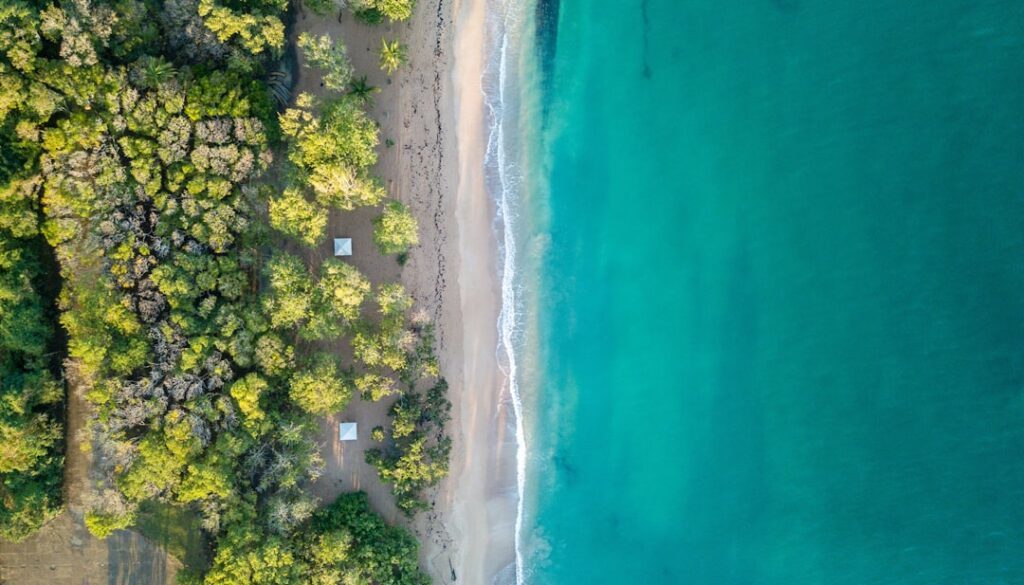
An aerial view of a large body of water, Basse-Terre, Guadeloupe
FAQs: Your Basse-Terre, Guadeloupe Questions Answered
1. Is Basse-Terre, Guadeloupe safe at night?
The city center is generally safe for travelers at night, but as with any destination, it’s wise to stay aware of your surroundings. Stick to well-lit, populated areas. Petty theft from cars can occur, so never leave valuables visible. The hiking trails should not be attempted after dark.
2. What currency is used and are credit cards accepted?
The official currency is the Euro (€). Credit cards (Visa/Mastercard) are widely accepted in hotels, restaurants, and larger shops. However, smaller snacks, market stalls, and some rural attractions may only accept cash. Your best bet is to always carry some euros.
3. How do I get from the airport to the city center?
Pointe-à-Pitre Airport (PTP) is on Grande-Terre. The most convenient option is a pre-booked taxi (approx. €80-100 to Basse-Terre) or a rental car. There is no direct public bus. Book airport transfers at GetYourGuide for convenience.
4. Do I need to speak the local language?
While you can manage in major tourist spots with English, French is essential for deeper exploration, reading menus, and interacting outside resorts. Locals are warm and will appreciate any effort. A phrasebook or translation app is highly recommended.
5. What’s the appropriate dress code?
Light, breathable clothing is key. For hiking, wear sturdy shoes, long pants (for protection), and a rain layer. In towns, casual but conservative dress (covering shoulders and knees) is respectful, especially when visiting religious sites. Always have swimwear and a cover-up ready for impromptu beach stops.
Final Thoughts: Basse-Terre, Guadeloupe Awaits
Basse-Terre offers a profound contrast to the typical Caribbean vacation. This is not a destination of passive lounging, but of active discovery—where the scent of wet earth on a
Explore More Destinations
- Jozani, Tanzania on a Budget: an Ancient Forest for $35/Day (2026)
- Nsumbu, Zambia on a Budget: Wild Africa for $40/Day (2026)
- Semporna, Malaysia on a Budget: Paradise for $35/Day (2026)
- Khuzestan, Iran on a Budget: Ancient Empires for $30/Day (2026)
- Ngerulmud, Palau on a Budget: Island Majesty for $45/Day (2026)
Ready to Visit Basse-Terre?
Start planning your trip today. Compare hotels, find the best tours, and get insider tips.
Your adventure in Basse-Terre starts here →
Related Guides
Explore more destinations similar to Basse-Terre:
- Pipa, Brazil’s Essential Dolphins, Dunes & Bohemian Bliss (2026)
- Mongolia’s Orkhon Valley, Mongolia: Best Nomadic Spirit, Ancient Empires & Epic Landscapes (2026)
- Gusinje, Montenegro: Hidden Alpine Trails, Ottoman History & Mountain Hospitality (2026)
- Nicoya, Costa Rica’s Ultimate Blue Zones, Beaches & Bovine Culture (2026)

