
Willemstad, Curaçao: Hidden Pastel Architecture, Caribbean Culture & Underwater Wonders (2026)
While crowds flock to the cruise ports of Aruba, Willemstad, Curaçao delivers a genuine Dutch-Caribbean cultural cocktail without the overwhelming tourist sprawl. Here, you can wander a UNESCO World Heritage city center painted in 42 distinct pastel hues, snorkel a sunken tugboat just 50 feet from shore, and sip the namesake liqueur at its 19th-century distillery, all within a 5-mile radius. This is the Caribbean with a distinctly European soul and an adventurous spirit.
Why Willemstad, Curaçao Stands Out

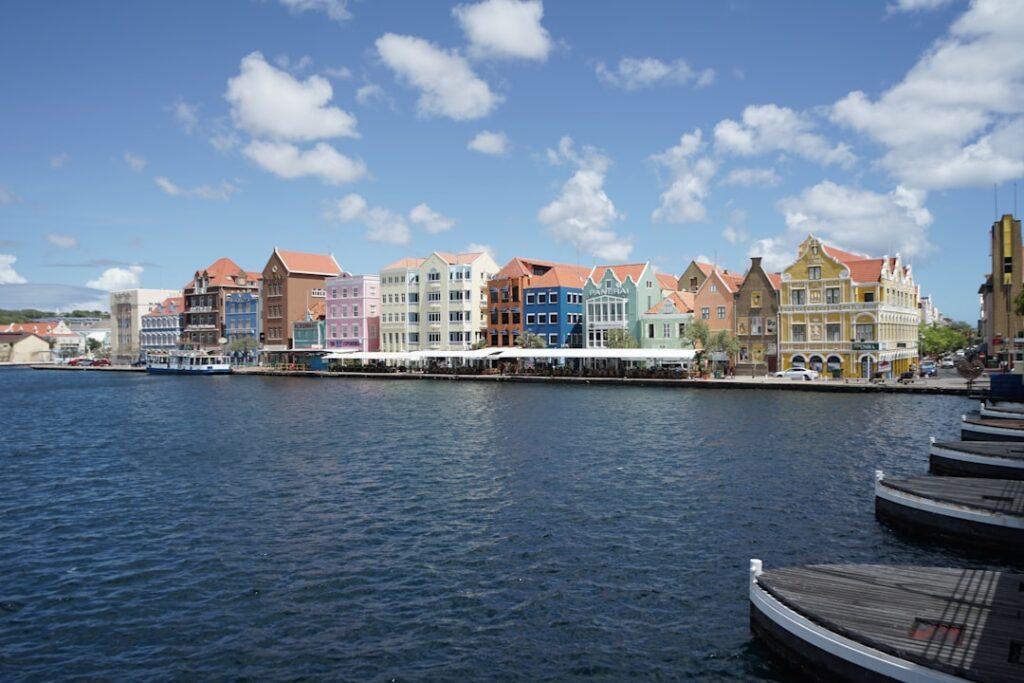
A row of colorful buildings on the side of a body of water, Willemstad, Curaçao
- Historic Architecture: The Handelskade waterfront, a row of 18th-century Dutch colonial buildings painted in vibrant pastels, is a UNESCO site and the city’s iconic postcard view.
- Cultural Scene: The Curaçao Carnival, a month-long explosion of parades, music, and “Tumba” rhythms culminating before Lent, is one of the Caribbean’s largest and most vibrant celebrations.
- Local Specialties: You must try Keshi Yena, a savory masterpiece of spiced meat (often chicken or beef) stuffed inside a shell of melted Gouda or Edam cheese, a dish born from the ingenuity of the enslaved.
Pro Tip: Visit between mid-April and early December (outside peak season) for significantly lower hotel rates and fewer crowds. The weather is fantastic year-round, but you’ll find the best value and a more relaxed pace during these months.
Map of Willemstad, Curaçao
Use these interactive maps to explore Willemstad, Curaçao and plan your route:
📍 View Willemstad, Curaçao on OpenStreetMap
🗺️ Open Willemstad, Curaçao in Google Maps
Planning Your Trip: Practical Essentials
Getting There and Around
- By Air: Curaçao International Airport (CUR) is the main hub, served by airlines like KLM, JetBlue, American, and Air Canada. A taxi to Punda/Otrobanda costs about $25-35. Book flights at Skyscanner for best deals.
- By Train: No train service exists on the island. Inter-island travel is by air or sea.
- By Car: Renting a car is highly recommended for exploring beyond Willemstad. Driving is on the right. Compare car rentals at RentalCars.com.
- Local Transport: Public buses (called “konvooi”) are cheap but infrequent. Taxis are unmetered; agree on a price first. The free “Pontoon” ferry connects Punda and Otrobanda across Sint Anna Bay.
Best Time to Visit
Curaçao lies outside the hurricane belt, making it a year-round destination. The peak season (Dec-Apr) brings perfect weather and higher prices, while the shoulder and summer months offer better value with slightly warmer temperatures and brief, passing showers.
| Season | Weather | Highlights |
|---|---|---|
| Summer (Jun–Aug) | 85-90°F, sunny with occasional short showers | Lower prices, great for diving/snorkeling, lively summer festivals. |
| Winter (Dec–Feb) | 80-85°F, near-perfect dry and sunny days | Ideal beach weather, bustling atmosphere, but peak rates and crowds. |
| Shoulder (Apr–May/Sep–Oct) | 82-88°F, minimal rain, steady trade winds | The sweet spot: great weather, lower crowds, and attractive pricing. |
Budgeting for Willemstad, Curaçao

A bridge over a body of water with buildings in the background, Willemstad, Curaçao
| Category | Budget | Mid-range | Luxury |
|---|---|---|---|
| Accommodation | $70-120/night (guesthouse) | $150-300/night (boutique hotel) | $400+/night (5-star resort) |
| Meals | $10-15 (food truck/snack) | $25-45 (sit-down restaurant) | $75+ (fine dining tasting menu) |
| Transport | $2-5 (bus), Free ferry | $40/day (rental car), $20 taxi rides | $100+/day (private driver) |
| Activities | Free (beaches, walking tours) | $25-60 (museum entry, snorkel trip) | $120+ (private boat charter) |
| Daily Total | $90-150 | $250-450 | $700+ |
Top Attractions and Must-See Sights
| Attraction | Description | Hours | Entry Fee |
|---|---|---|---|
| Queen Emma Pontoon Bridge | The iconic “Swinging Old Lady,” a floating pedestrian bridge that opens for ships, offering fantastic photo ops. | 24/7 (opens for marine traffic) | Free |
| Mikvé Israel-Emanuel Synagogue | The oldest continuously used synagogue in the Americas (built 1732), with a floor of sand representing the desert. | Mon-Fri 9am-4:30pm | $10 |
| Kura Hulanda Museum | A profound and well-curated museum complex in Otrobanda detailing the Atlantic slave trade and African heritage. | Mon-Sat 10am-5pm | $10 |
| Landhuis Chobolobo | The historic 19th-century mansion and distillery where the famous Curaçao Liqueur is made; enjoy a tasting tour. | Mon-Fri 8am-5pm, Sat 10am-4pm | $6 (tour & tasting) |
3-Day Itinerary: Willemstad, Curaçao’s Highlights & Hidden Gems
Day 1: Historic Heart & Handelskade Hues
- Morning (7-9 AM): Start early with a walk across the Queen Emma Bridge to Punda. The morning light on the colorful Handelskade is magical. Pop into the Floating Market to see Venezuelan boats selling fresh tropical produce.
- Afternoon (12-3 PM): Explore the Mikvé Israel-Emanuel Synagogue and its museum. For lunch, head to Plasa Bieu (Old Market), a bustling food hall. Grab a plate of Keshi Yena from one of the stalls for about $12.
- Evening (6-8 PM): Cross back to Otrobanda via the bridge (lit up beautifully at night) for dinner at Restaurant & Café Gouverneur de Rouville, set in a historic governor’s mansion with stunning bay views.
Day 2: Culture, Cuisine & The Countryside
- Morning (9 AM): Visit the powerful Kura Hulanda Museum (allow 2 hours). Then, take a 5-minute taxi to Landhuis Chobolobo for a 30-minute tour and tasting of the iconic blue liqueur ($6).
- Afternoon (1 PM): Rent a car for the afternoon (approx. $40). Drive 20 minutes to Landhuis Jan Kok, a restored plantation house turned art gallery, famous for its resident flamingos. Have a late lunch at Jaanchie’s Restaurant, where local birds might join you, and try the fresh red snapper.
- Evening (7 PM): Return to Willemstad. For a sophisticated cocktail, find Saint Tropez Ocean Club at the Renaissance Hotel for drinks on their infinity pool deck overlooking the harbor.
Day 3: Beach Bliss & Underwater Adventures
- Morning (8 AM): Drive 15 minutes to Mambo Beach. Rent a lounger ($3) and snorkel gear ($10). Just south, at the Sunset Waters Beach Resort area, you can snorkel the Tugboat wreck in shallow, calm water—it’s incredible and accessible.
- Afternoon (1 PM): Enjoy a casual beachfront lunch at Zanzibar Beach & Restaurant at Mambo Beach. After, drive 10 minutes to the dramatic cliffs and natural pools of Shete Boka National Park ($6 entry) to watch waves crash into caverns.
- Evening (6 PM): For your final dinner, savor modern Caribbean cuisine at Kome in the historic Pietermaai District. Afterwards, stroll the beautifully lit, renovated streets of Pietermaai, the city’s trendy nightlife hub.
Cultural Insights & Etiquette
- Language: The official languages are Dutch, Papiamentu (a Creole blend), and English. English is widely spoken in tourist areas. A friendly “Bon dia” (Good day) or “Danki” (Thank you) in Papiamentu is appreciated.
- Customs: Curaçao is generally informal and friendly. A handshake is a common greeting. It’s polite to ask permission before taking close-up photos of people in markets or neighborhoods.
- Tipping: A service charge is often included in restaurant bills. If not, leaving 10-15% is customary for good service. Tip taxi drivers and tour guides 10-15% as well.
- Dress Code: Beachwear is for the beach. When walking in town or visiting religious sites, cover shoulders and knees. Smart-casual is fine for most restaurants.
- Business Hours: Shops generally open 8:00 AM-6:00 PM, often closing for a midday break (12:00-2:00 PM). Many are closed on Sunday. Banks are open weekdays 8:00 AM-3:30 PM.
Where to Eat: Willemstad, Curaçao’s Best Bites
Curaçao’s cuisine is a flavorful fusion of Afro-Caribbean, Dutch, Spanish, and Portuguese influences. Seafood is a staple, and you’ll find everything from no-frills food halls to world-class fine dining.
Must-Try Local Specialties
- Keshi Yena: The national dish. For an authentic, hearty version, head to the stalls at Plasa Bieu (Old Market) in Punda.
- Stoba (Stew): Often made with goat or beef. Restaurant La Bahia in an old fort on the Spanish Water is a local favorite for a rich, flavorful stoba.
- Funchi & Arepa: Funchi is a polenta-like cornmeal side; Arepas are cornmeal patties. Try them as sides at any local “krioyo” (Creole) restaurant like Plein Café Wilhelmina.
Restaurant Recommendations by Budget
| Type | Restaurant | Specialty | Price Range |
|---|---|---|---|
| Budget | Plasa Bieu (Old Market), Punda | Authentic local plates like Keshi Yena and fresh fish | $10-15 per plate |
| Mid-range | Mundo Bizarro, Pietermaai | Creative international dishes in a quirky, artistic setting | $25-40 for a main |
| Fine dining | Fort Nassau Restaurant, near Otrobanda | Exquisite French-Caribbean fusion with panoramic city views from a historic fort | $75+ for a multi-course meal |
Where to Stay
Willemstad offers diverse lodging, from historic boutique hotels in the city center to all-inclusive resorts on the coast. For culture, stay in Punda, Otrobanda, or Pietermaai. For beach access, look at areas like Jan Thiel or the coast west of the city. Compare prices and book at Booking.com or Airbnb for apartments.
Best Neighborhoods for Accommodation
- Punda & Otrobanda: The historic core. You’re steps from major sights, restaurants, and shopping. Best for walkers who want to immerse in culture. Can be noisy and parking is challenging.
- Pietermaai District: A revitalized historic area southeast of Punda. Packed with chic boutique hotels, trendy restaurants, and nightlife. Has a cool, upscale vibe but is still walkable to the center.
- Jan Thiel / Sea Aquarium Area: Located east of the city. This is the spot for modern beach resorts, calm waters, and easy access to diving/snorkeling sites. You’ll need a car or taxi to reach downtown.

City buildings near body of water under blue sky during daytime, Willemstad, Curaçao
FAQs: Your Willemstad, Curaçao Questions Answered
1. Is Willemstad, Curaçao safe at night?
The main tourist areas of Punda, Pietermaai, and Otrobanda are generally safe at night, especially where there are crowds. As in any city, practice common sense: stick to well-lit areas, don’t flash valuables, and be cautious in quieter, deserted streets. Petty theft can occur, so secure your belongings.
2. What currency is used and are credit cards accepted?
The official currency is the Netherlands Antillean Guilder (ANG), but the US Dollar is universally accepted at a fixed rate of 1 USD = 1.80 ANG. Credit cards (Visa/Mastercard) are widely accepted in hotels, restaurants, and shops. It’s wise to carry some small bills for markets, food stalls, and taxis.
3. How do I get from the airport to the city center?
Curaçao International Airport (CUR) is about a 15-minute drive to Willemstad. Official taxis are available outside arrivals; the fare to Punda/Otrobanda is a fixed $25-35. There is no public bus from the airport. Pre-booking a transfer is a stress-free option. Book airport transfers at GetYourGuide for convenience.
4. Do I need to speak the local language?
No. English is spoken fluently in all tourist areas, hotels, and restaurants. Dutch and Papiamentu are the official languages, but you will have no communication issues. Learning a few basic Papiamentu greetings will earn you warm smiles.
5. What’s the appropriate dress code?
Light, breathable clothing is essential. Swimwear is for the beach/pool only. When exploring town, wear casual resort wear. For nicer restaurants, smart casual (collared shirts, sundresses) is appropriate. Bring a hat, sunglasses,
{“@context”: “https://schema.org”, “@type”: “FAQPage”, “mainEntity”: [{“@type”: “Question”, “name”: “What is the best time to visit Willemstad?”, “acceptedAnswer”: {“@type”: “Answer”, “text”: “The best time to visit Willemstad depends on your preferences. Generally, the dry season offers the most pleasant weather for sightseeing and outdoor activities.”}}, {“@type”: “Question”, “name”: “How many days do I need in Willemstad?”, “acceptedAnswer”: {“@type”: “Answer”, “text”: “Most travelers spend 3-5 days in Willemstad to see the main attractions. A week allows for a more relaxed pace and day trips.”}}, {“@type”: “Question”, “name”: “Is Willemstad expensive to visit?”, “acceptedAnswer”: {“@type”: “Answer”, “text”: “Willemstad can be visited on various budgets. Accommodation ranges from hostels to luxury hotels, and local restaurants offer affordable dining.”}}]}
Related Guides
Explore more destinations similar to Willemstad:
- Hoi An’s Best Lanterns, Silk & Riverside Magic (2025)
- Danum Valley, Malaysia’s Essential Primates, Peaks & Primeval Rainforest (2026)
- Bojnurd, Iran: Hidden Rugged Landscapes, Ancient Caravanserais & Turkmen Culture (2026)
- Zhytomyr, Ukraine’s Best History, Resilience & Authentic Ukrainian Spirit (2025)

