
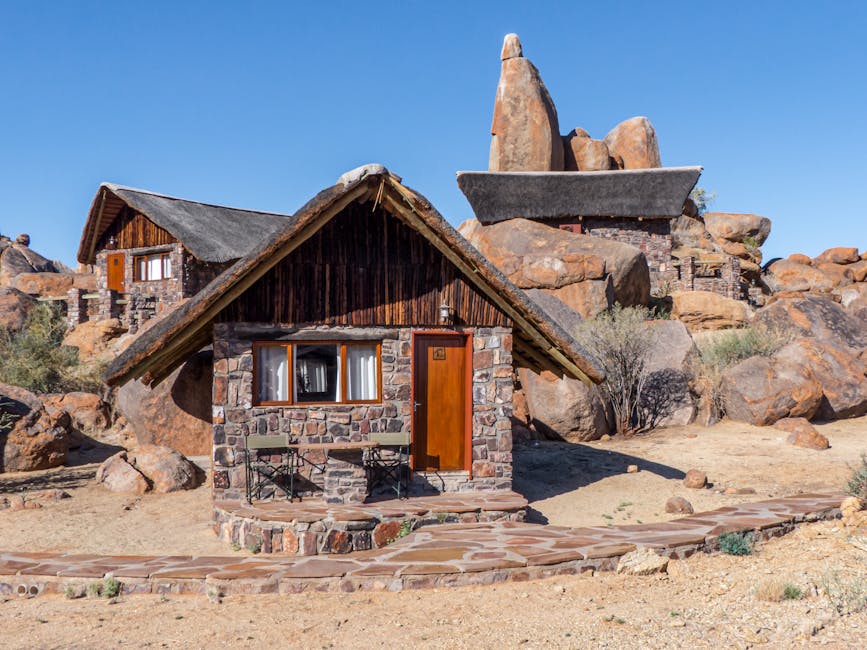
Gobabis, Namibia’s Ultimate Cattle Country, Kalahari Sunsets & Frontier Spirit (2026)
While crowds flock to Sossusvlei’s dunes, Gobabis, Namibia delivers an authentic slice of Kalahari frontier life without the tour buses. This is the capital of Namibia’s cattle country, where the horizon stretches forever under a sky that ignites in fiery oranges and purples each evening. Here, the rhythm is set by livestock auctions, the history is etched into colonial-era buildings, and the welcome is as warm as the midday sun. Savvy travelers choose differently to connect with the heart of Omaheke region.
Why Gobabis, Namibia Stands Out

Close-up of a black rhinoceros standing in the Namibian savannah, Gobabis, Namibia
- Historic Architecture: The Gobabis Museum, housed in the old German fort built in 1896, tells the turbulent story of colonial conflict and local Herero resistance.
- Cultural Scene: The annual Gobabis Agricultural Show every September is a vibrant mix of prize livestock, local crafts, and community celebration that defines the town’s character.
- Local Specialties: Don’t miss perfectly grilled Kalahari beef, often served as a *braai* (barbecue), renowned for its flavor from free-range cattle.
Pro Tip: Plan your visit for a Tuesday. The weekly livestock auction at the Gobabis Showgrounds is a fascinating, authentic spectacle of local commerce and culture that few tourists ever see. Arrive by 9 AM for the best action.
Map of Gobabis, Namibia
Use these interactive maps to explore Gobabis, Namibia and plan your route:
📍 View Gobabis, Namibia on OpenStreetMap
🗺️ Open Gobabis, Namibia in Google Maps
Planning Your Trip: Practical Essentials
Getting There and Around
- By Air: The nearest major airport is Hosea Kutako International Airport (WDH) near Windhoek, about 200km (a 2-hour drive) west. From there, you’ll need a rental car or a private transfer. Book flights at Skyscanner for best deals.
- By Train: Namibia’s passenger rail service, TransNamib, runs the *StarLine* from Windhoek to Gobabis. The journey takes about 5-6 hours and offers a scenic, slow-travel experience through the bushveld. Reserve tickets at Trainline or the national railway website.
- By Car: Gobabis is a straight shot east from Windhoek on the B6 highway, a well-maintained tar road. Driving is the most flexible option. Parking is easy and free throughout town. Compare car rentals at RentalCars.com.
- Local Transport: There is no formal public bus system. Your best bets are walking within the compact town center, using taxis (readily available but agree on a price first, typically NAD 30-50 for short trips), or relying on your rental car.
Best Time to Visit
Gobabis experiences a semi-arid climate with hot summers and mild, dry winters. The cooler winter months (May to September) are ideal for exploration, while the summer brings dramatic afternoon thunderstorms that transform the landscape.
| Season | Weather | Highlights |
|---|---|---|
| Winter (May–Aug) | Sunny, dry days (20-25°C) and cold nights (can drop to 5°C). Zero rain. | Perfect for all outdoor activities, wildlife viewing, and clear skies. Peak tourist season for Namibia overall. |
| Summer (Nov–Mar) | Hot days (30-35°C+) with high humidity and brief, intense afternoon thunderstorms. | Lush, green scenery, dramatic skies, and lower accommodation rates. Can be very hot for midday activities. |
| Shoulder (Apr & Oct) | Pleasant, warm days (25-30°C) and mild evenings. Low chance of rain. | Excellent balance of good weather and fewer visitors. Ideal for a relaxed pace. |
Budgeting for Gobabis, Namibia

Black and white image of a building on stilts in Walvis Bay, Gobabis, Namibia
| Category | Budget | Mid-range | Luxury |
|---|---|---|---|
| Accommodation | NAD 400-600 (guesthouse) | NAD 800-1200 (comfortable lodge/B&B) | NAD 1500+ (full-service game lodge) |
| Meals | NAD 80-120 (cafe lunch/braai pack) | NAD 150-250 (restaurant dinner with drink) | NAD 350+ (fine dining steakhouse) |
| Transport | NAD 50 (local taxi trips) | NAD 300-500 (daily car rental) | NAD 800+ (private driver/guide) |
| Activities | Free (museum, sunset drive) | NAD 200-400 (guided farm tour) | NAD 600+ (private wildlife safari) |
| Daily Total | NAD 600-800 | NAD 1500-2200 | NAD 3000+ |
Top Attractions and Must-See Sights
| Attraction | Description | Hours | Entry Fee |
|---|---|---|---|
| Gobabis Museum & Old Fort | Explore the town’s history from pre-colonial times through German settlement in this well-preserved 19th-century fort. | Mon-Fri 9 AM – 1 PM, 2 PM – 5 PM | NAD 20 |
| Oanob Dam Recreation Resort | A serene oasis 7km south of town perfect for picnics, birdwatching, and watching a spectacular Kalahari sunset over the water. | Gates open 7 AM – 7 PM | NAD 30 per vehicle |
| Epukiro Post 3 (Rock Paintings) | Venture 90km north to see ancient San/Bushman rock art, a testament to the region’s earliest inhabitants. | Daylight hours; guide recommended | Small community fee (~NAD 50) |
| Local Cattle & Game Farms | Arrange a visit to a working farm to understand the backbone of the local economy and see wildlife like oryx and springbok. | By prior arrangement only | Varies (NAD 200-500 for a tour) |
3-Day Itinerary: Gobabis, Namibia’s Highlights & Hidden Gems
Day 1: History & Heart of Town
- Morning (7-9 AM): Start with a strong coffee and a *boerewors* roll at Café Prestige. Then, head to the **Gobabis Museum** for a 90-minute tour. Your best bet is to chat with the curator for personal stories not on the plaques.
- Afternoon (12-3 PM): Browse for local crafts and unique souvenirs at **Omatex Trading** or **Penduka Craft Shop**. For lunch, grab a table at **Die Bäckerei** for their famous schnitzel and fresh bread.
- Evening (6-8 PM): Take a short drive to **Oanob Dam** for sunset. Afterwards, enjoy a classic Namibian *braai* dinner at **Kalahari Sands Restaurant**, ordering their signature grilled ribeye.
Day 2: Farm Life & Frontier Culture
- Morning (8 AM): If it’s a Tuesday, immerse yourself in the **Gobabis Livestock Auction** (free to watch). Otherwise, book a half-day **guided farm tour** (approx. NAD 400 per person) to see cattle, horses, and local game up close.
- Afternoon (12-3 PM): Enjoy a late, hearty lunch at **The Ranch House Grill**, a local institution. Then, take a leisurely drive along the D1882 dirt road towards Epukiro, keeping an eye out for grazing wildlife and pastoral scenes.
- Evening (6 PM): Experience a more intimate dinner at a guesthouse like **Blümchen Guest Farm**, where you can often dine with hosts and other travelers under the stars.
Day 3: Ancient Art & Scenic Drives
- Morning (7 AM): Pack a picnic and drive north (90 mins) to **Epukiro Post 3** to see the San rock paintings. A local guide (arrange through your lodge) is essential for finding the sites and understanding their significance.
- Afternoon (1 PM): Enjoy your picnic amidst the ancient rocks before returning towards Gobabis. Stop for a cold drink at a roadside *cuca shop* (local tavern).
- Evening (6 PM): For your final night, savor a sundowner on the porch of your accommodation, reflecting on the vast, quiet beauty of the Kalahari that defines the Gobabis experience.
Cultural Insights & Etiquette
- Language: English is the official language and widely understood. Afrikaans and Oshiwambo are also common. A simple “Dankie” (Thank you in Afrikaans) or “Wa uwa” (Hello in Oshiwambo) is appreciated.
- Customs: Greetings are important. Always greet shopkeepers or people you meet with a “Good morning/afternoon.” The pace of life is slower; patience is a virtue. Always ask permission before photographing people.
- Tipping: 10% is standard in restaurants if service is not included. For guides, NAD 50-100 per day is customary for good service. Round up taxi fares.
- Dress Code: Casual and comfortable is fine. However, smart-casual is appreciated for nicer restaurants. Bring a jacket for cool winter evenings and a hat for the relentless sun.
- Business Hours: Typically Mon-Fri 8 AM – 5 PM, Sat 8 AM – 1 PM. Most businesses are closed on Sunday. Major public holidays like Independence Day (March 21) will see everything closed.
Where to Eat: Gobabis, Namibia’s Best Bites
Dining in Gobabis revolves around meat, specifically its legendary beef, but you’ll also find German-inspired bakeries and simple, hearty fare. This is not a place for fussy cuisine, but for generous portions of flavorful, locally sourced food.
Must-Try Local Specialties
- Kalahari Beef Braai: More than a meal, it’s a social event. The beef, raised on local bush, is lean and flavorful. Try it at any guest farm or at Kalahari Sands Restaurant.
- Boerewors: A coiled, spiced farmer’s sausage essential to any barbecue. Grab one from a butchery like Meatmaster for a true taste.
- Potjiekos: A slow-cooked stew made in a three-legged cast-iron pot over coals. Often found at guesthouses and lodges, especially in winter.
Restaurant Recommendations by Budget
| Type | Restaurant | Specialty | Price Range |
|---|---|---|---|
| Budget | Café Prestige (Town Center) | Big breakfasts, burgers, and excellent coffee | NAD 70-120 |
| Mid-range | The Ranch House Grill (B6 Highway) | Huge steaks, schnitzels, and a classic local vibe | NAD 130-250 |
| Fine dining | Kalahari Sands Restaurant (at the hotel) | Upscale grill menu, wine list, and elegant setting | NAD 250-400 |
Where to Stay
Accommodation ranges from simple guesthouses in town to expansive game lodges on private farms just outside. Staying on a farm offers a more immersive experience. Compare prices and book at Booking.com or Airbnb for apartments.
Best Neighborhoods for Accommodation
- In Town (e.g., near the B6): Convenient for shops, fuel, and restaurants. Offers guesthouses and hotels like Hotel zum Grünen Kranz. Perfect for a one-night stopover.
- Outskirts & Farm Stays (within 20km): The top choice for atmosphere. Places like Blümchen Guest Farm or Oanob Dam Resort offer peace, stunning views, and true Kalahari immersion. You’ll need your own transport.
- Game Lodges (Epukiro/Drimiopsis area): For a fuller wildlife experience, look to lodges northeast of town. These often include game drives and are ideal for travelers seeking both Gobabis culture and safari-lite activities.

Explore the serene coastline of Swakopmund, Gobabis, Namibia
FAQs: Your Gobabis, Namibia Questions Answered
1. Is Gobabis, Namibia safe at night?
Gobabis is generally safe, but standard precautions apply. Avoid walking alone in poorly lit areas at night. The town center is quiet after dark. Your best bet is to drive or take a short taxi ride between your accommodation and restaurants. Keep car doors locked and valuables out of sight, as petty theft can occur.
2. What currency is used and are credit cards accepted?
The Namibian Dollar (NAD) is the currency, and it’s pegged 1:1 to the South African Rand (ZAR), which is also widely accepted. Major credit cards (Visa, Mastercard) are accepted at hotels, larger restaurants, and supermarkets. However, always carry some cash for smaller shops, markets, taxis, and community fees. ATMs are available in town.
3. How do I get from the airport to the city center?
Hosea Kutako International Airport is 200km away. There are no direct buses or trains. You must pre-book a private transfer (cost: NAD 1500-2500 one-way) or, more practically, pick up a rental car at the airport for the 2-hour drive to Gobabis. Book airport transfers at GetYourGuide for convenience.
4. Do I need to speak the local language?
Not at all. English is sufficient for all tourist interactions. However, learning a few basic greetings in Afrikaans or Oshiwambo will earn you warm smiles and shows respect. Phrases like “Dankie” (Thank you) and “Hoe gaan dit?” (How are you?) go a long way.
5. What’s the appropriate dress code?
Dress is casual and practical. For daytime, wear light, breathable clothing, a wide-brimmed hat, sunglasses, and strong sunscreen. Evenings, especially in winter, require a warm jacket or fleece. For dining out, neat casual wear (clean trousers, a collared shirt, or a casual dress) is perfectly acceptable. Avoid overly revealing clothing in town as a sign of respect.
Final Thoughts: Gobabis, Namibia Awaits
Gobabis offers something increasingly rare: an authentic, unfilter
{“@context”: “https://schema.org”, “@type”: “FAQPage”, “mainEntity”: [{“@type”: “Question”, “name”: “What is the best time to visit Gobabis?”, “acceptedAnswer”: {“@type”: “Answer”, “text”: “The best time to visit Gobabis depends on your preferences. Generally, the dry season offers the most pleasant weather for sightseeing and outdoor activities.”}}, {“@type”: “Question”, “name”: “How many days do I need in Gobabis?”, “acceptedAnswer”: {“@type”: “Answer”, “text”: “Most travelers spend 3-5 days in Gobabis to see the main attractions. A week allows for a more relaxed pace and day trips.”}}, {“@type”: “Question”, “name”: “Is Gobabis expensive to visit?”, “acceptedAnswer”: {“@type”: “Answer”, “text”: “Gobabis can be visited on various budgets. Accommodation ranges from hostels to luxury hotels, and local restaurants offer affordable dining.”}}]}
Related Guides
Explore more destinations similar to Gobabis:
- Bihac, Bosnia and Herzegovina: Hidden River Adventures, Ottoman History & Forested Serenity (2026)
- Koh Lanta, Thailand’s Hidden Beaches, Culture & Untouched Nature (2025)
- Ocú, Panama’s Best Folklore, Festivals & Rural Charm (2026)
- N’Délé, Central African Republic: Essential History, Resilience & Untamed Savannah (2026)

