
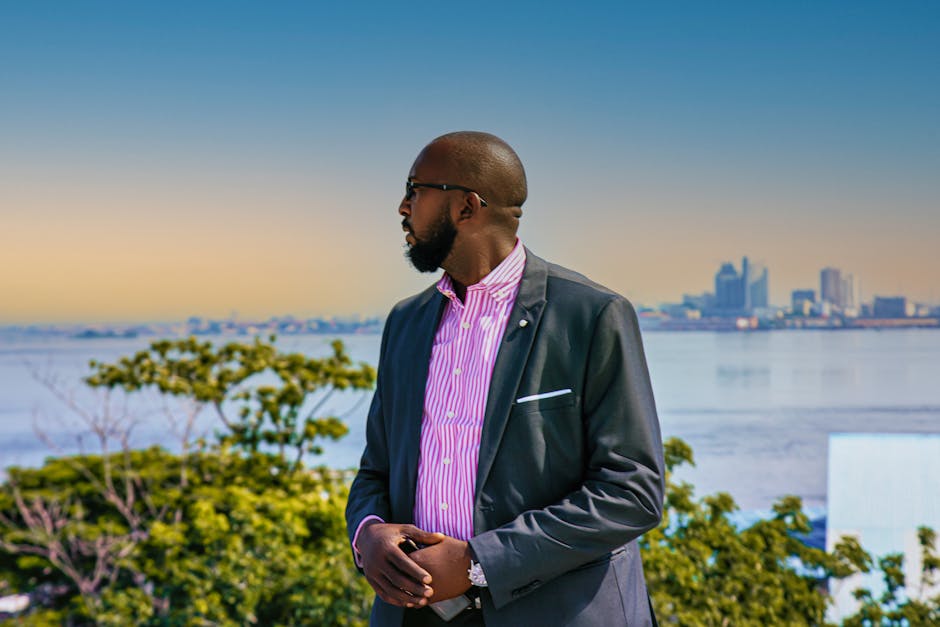
Brazzaville, Republic of the Congo: Stunning Rhythms, River Views & Revolutionary History (2026)
While crowds flock to the skyscrapers of Kinshasa just across the Congo River, Brazzaville delivers a distinctly laid-back, artistic soul without the overwhelming bustle. Here, you can stand on the very spot where Charles de Gaulle declared Free France in 1940, then minutes later be sipping a cold Ngok beer while watching traditional pirogues glide across the world’s deepest river. This is the “Little Paris of Africa,” a city where French colonial architecture meets the vibrant, percussive heartbeat of Congolese rumba.
Why Brazzaville, Republic of the Congo Stands Out

Elegant woman in black swimwear sitting poolside in Brazzaville, Brazzaville, Republic of the Congo
- Historic Architecture: The Basilique Sainte-Anne, completed in 1949, dazzles with its unique green-tiled roof and wooden interior, a masterpiece of French colonial design.
- Cultural Scene: The city pulses to the rhythm of Congolese rumba; catch a live, impromptu performance in the Poto-Poto quartier any weekend night.
- Local Specialties: You must try *Poulet Moambé*, a rich, savory chicken stew in a palm nut sauce, served with fufu or plantains.
Pro Tip: Visit during the dry season from June to September for the most pleasant weather, but for a truly local experience, time your trip for the FESPAM (Pan-African Music Festival) which happens every odd-numbered year in July, transforming the city into a continent-wide musical celebration.
Map of Brazzaville, Republic of the Congo
Use these interactive maps to explore Brazzaville, Republic of the Congo and plan your route:
📍 View Brazzaville, Republic of the Congo on OpenStreetMap
🗺️ Open Brazzaville, Republic of the Congo in Google Maps
Planning Your Trip: Practical Essentials
Getting There and Around
- By Air: You’ll arrive at Maya-Maya Airport (BZV). Major carriers include Air France, Ethiopian Airlines, and ASKY Airlines. A taxi to the city center takes 20 minutes and costs around 5,000-7,000 CFA ($8-$12). Book flights at Skyscanner for best deals.
- By Train: The legendary Congo-Ocean Railway (CFCO) connects Brazzaville to the Atlantic port of Pointe-Noire. The 502km journey is an adventure, taking about 15-20 hours. Reserve tickets at Trainline or the national railway website.
- By Car: Driving from neighboring countries is complex due to road conditions and bureaucracy. Within the city, renting a car with a driver is recommended. Compare car rentals at RentalCars.com.
- Local Transport: Use green-and-white taxis (always negotiate the fare before getting in) or the colorful, crowded minibuses known as “cent-cent.” A short taxi ride in town costs 1,000-2,000 CFA ($1.60-$3.20).
Best Time to Visit
Brazzaville has a tropical climate with a long rainy season. Savvy visitors target the dry seasons for optimal exploration, when the humidity drops and the red dirt roads are more manageable.
| Season | Weather | Highlights |
|---|---|---|
| Long Dry (Jun–Sep) | Warm, 22-28°C (72-82°F), low humidity, sunny. | Best for all sightseeing and river activities; coincides with FESPAM festival in odd years. |
| Short Dry (Dec–Feb) | Hotter, 24-31°C (75-88°F), less predictable rain. | Good for travel, but can be quite warm; vibrant holiday atmosphere in December. |
| Rainy (Mar–May/Oct–Nov) | Hot, humid, with heavy daily downpours. | Lush, green scenery, but travel can be challenging with muddy roads and frequent storms. |
Budgeting for Brazzaville, Republic of the Congo

Two gold wedding rings placed on a delicate heart-shaped lace pillow agains…, Brazzaville, Republic of the Congo
| Category | Budget | Mid-range | Luxury |
|---|---|---|---|
| Accommodation | 15,000-25,000 CFA ($24-$40) for a basic guesthouse | 60,000-120,000 CFA ($95-$190) for a comfortable hotel | 150,000+ CFA ($240+) for international standard hotels |
| Meals | 3,000-5,000 CFA ($5-$8) for street food/maquis | 10,000-20,000 CFA ($16-$32) per meal in a good restaurant | 30,000+ CFA ($48+) for fine dining |
| Transport | 1,000 CFA/taxi ride, 500 CFA/minibus | Hiring a taxi for half-day: ~25,000 CFA ($40) | Private car & driver: 80,000+ CFA/day ($130+) |
| Activities | Free (walking tours, markets, Basilica) | 10,000-15,000 CFA for museum entries & tours | Private boat tours on the Congo: 100,000+ CFA ($160+) |
| Daily Total | ~30,000 CFA ($48) | ~100,000 CFA ($160) | 250,000+ CFA ($400+) |
Top Attractions and Must-See Sights
| Attraction | Description | Hours | Entry Fee |
|---|---|---|---|
| Basilique Sainte-Anne | A stunning architectural icon with a soaring green-tiled roof and a serene, wooden-vaulted nave. | Daily, 8 AM – 6 PM | Free (donation appreciated) |
| Pierre Savorgnan de Brazza Mausoleum | The striking marble tomb of the city’s founder, offering panoramic views of the river and Kinshasa. | Tue-Sun, 9 AM – 4 PM | ~2,000 CFA ($3.20) |
| Marché Total | The city’s bustling central market, a sensory overload of fabrics, crafts, spices, and daily Congolese life. | Daily, 7 AM – 6 PM | Free |
| National Museum of the Congo | Houses a compelling collection of traditional masks, musical instruments, and historical artifacts. | Mon-Fri, 8:30 AM – 3:30 PM | ~5,000 CFA ($8) |
3-Day Itinerary: Brazzaville, Republic of the Congo’s Highlights & Hidden Gems
Day 1: Historic Heart & Riverfront Rhythms
- Morning (7-9 AM): Start at the **Mausoleum of Pierre Savorgnan de Brazza**. The morning light over the Congo River is spectacular. Learn about the Italian-French explorer who founded the city in 1880.
- Afternoon (12-3 PM): Walk to the **Basilique Sainte-Anne**, then explore the **Marché Total** for vibrant fabrics. For lunch, head to **Le Jardin de l’Éden** near the market for a superb *Capitaine* (Nile perch) dish (~12,000 CFA).
- Evening (6-8 PM): Stroll along the **Boulevard du 28 Octobre 1960** riverfront. Watch the sunset with locals, then have dinner at **Chez Ntonton** in Bacongo for authentic *Poulet Moambé* (~8,000 CFA).
Day 2: Art, Culture & Congolese Rumba
- Morning (9 AM): Visit the **Poto-Poto Painting School** (~3,000 CFA entry) – the birthplace of a distinct Congolese artistic style. You can often watch artists at work and purchase originals.
- Afternoon (1 PM): Explore the **National Museum** to contextualize the art you’ve seen. For lunch, try **La Paillote** near the museum for excellent grilled meats and *attiéké* (cassava couscous, ~7,000 CFA).
- Evening (7 PM): Experience the soul of the city. Ask your hotel to direct you to a live rumba spot in Poto-Poto, like **Ndjéka** bar. It’s an informal, unforgettable night of music and dance.
Day 3: Island Escape & Local Flavors
- Morning (8 AM): Hire a taxi to the **Beach of the CEC** (15,000 CFA round-trip, 30 mins). This local weekend spot on the river offers a chance to swim and see traditional fishing pirogues.
- Afternoon (12 PM): Return to the city for a final market visit. Have lunch at **Le Chalet Suisse** in the Plateau district for a mix of European and Congolese cuisine (~15,000 CFA).
- Evening (6 PM): Enjoy a farewell drink at the terrace of the **Mikhael’s Hotel**, which offers one of the best elevated views of the river and the Kinshasa skyline across the water.
Cultural Insights & Etiquette
- Language: French is the official language. Learning a few Lingala phrases like “Mbote” (Hello) and “Matondi” (Thank you) will earn you warm smiles.
- Customs: Greetings are essential. Always shake hands (or touch right elbows if hands are dirty) and engage in brief pleasantries before business. Use your right hand for giving and receiving items.
- Tipping: Not mandatory but appreciated. In restaurants, rounding up the bill or leaving 5-10% is fine. For guides, 2,000-5,000 CFA per day is customary.
- Dress Code: Dress modestly and smartly. Congolese take pride in appearance. Avoid shorts and sleeveless tops in official or religious settings. For evenings out, smart casual is the norm.
- Business Hours: Government offices: 7:30 AM – 3:30 PM. Shops: 8 AM – 6 PM, often closed 12-3 PM. Many businesses close on Sundays.
Where to Eat: Brazzaville, Republic of the Congo’s Best Bites
Dining in Brazzaville is a social affair centered around shared dishes. You’ll find everything from bustling street-side *maquis* (grill houses) to upscale French-inspired restaurants. The local cuisine is hearty, featuring cassava, plantains, peanuts, and freshwater fish from the Congo River.
Must-Try Local Specialties
- Poulet Moambé: The national dish: chicken in a thick, flavorful sauce made from palm nuts, often served with fufu (cassava paste) or rice. Try it at any local *maquis* in the Bacongo district.
- Fumbwa: A stew made with wild spinach (Gnetum africanum) and peanuts, usually cooked with meat or fish. It has a unique, slightly bitter flavor. Look for it at market food stalls.
- Brochettes & Makayabu: Skewers of grilled goat or beef, served with *makayabu* (dried, salted fish) and a spicy pili-pili sauce. Perfect street food found all over the city.
Restaurant Recommendations by Budget
| Type | Restaurant | Specialty | Price Range |
|---|---|---|---|
| Budget | Maquis du Port (Poto-Poto) | Fresh grilled fish from the river, served with plantains. | 4,000-7,000 CFA |
| Mid-range | Le Bantu (City Center) | Sophisticated takes on Congolese classics in a stylish setting. | 12,000-20,000 CFA |
| Fine dining | L’Observatoire (Mikhael’s Hotel) | French-Continental fusion with an incredible panoramic view. | 25,000+ CFA |
Where to Stay
Accommodation ranges from basic guesthouses to international chain hotels. The Plateau is the administrative and business center with higher-end hotels, while Bacongo and Poto-Pato offer more local character. Compare prices and book at Booking.com or Airbnb for apartments.
Best Neighborhoods for Accommodation
- Plateau: The city center. Home to government buildings, embassies, and upscale hotels like the Radisson Blu. It’s secure and walkable, but less “local” at night. Best for first-time visitors and business travelers.
- Bacongo: A historic, residential southern district. You’ll find a more authentic atmosphere, vibrant markets, and great local eateries. Accommodation here tends to be smaller, family-run hotels.
- Poto-Poto: The artistic and musical heart of the city. This is where you feel the real pulse of Brazzaville. Stay here for cultural immersion, but options are more limited to guesthouses.

Explore a lush forest with scattered potted plants in Brazzaville, Brazzaville, Republic of the Congo
FAQs: Your Brazzaville, Republic of the Congo Questions Answered
1. Is Brazzaville, Republic of the Congo safe at night?
Brazzaville is generally calmer and considered safer than many regional capitals. However, standard precautions apply. Avoid walking alone at night in poorly lit areas, use registered taxis after dark, and leave valuables in your hotel safe. The Plateau area is particularly secure. Petty crime like pickpocketing can occur in crowded markets.
2. What currency is used and are credit cards accepted?
The currency is the Central African CFA franc (XAF). Cash is king, especially in markets, taxis, and local restaurants. Carry smaller bills (500, 1000, 5000 CFA). Major hotels, upscale restaurants, and some supermarkets in the Plateau accept Visa, but Mastercard is less common. ATMs are available in the city center but can be unreliable; it’s wise to bring some Euros or USD to exchange.
3. How do I get from the airport to the city center?
Maya-Maya Airport is very close to the city. Your best bet is to take an official airport taxi. The fixed fare to the Plateau district is approximately 7,000 CFA ($11). The journey takes 15-25 minutes depending on traffic. For convenience, you can pre-book a transfer at GetYourGuide.
4. Do I need to speak the local language?
French is essential. While you might find some English speakers in major hotels, very little English is spoken elsewhere
Explore More Destinations
- Jozani, Tanzania on a Budget: an Ancient Forest for $35/Day (2026)
- Nsumbu, Zambia on a Budget: Wild Africa for $40/Day (2026)
- Semporna, Malaysia on a Budget: Paradise for $35/Day (2026)
- Khuzestan, Iran on a Budget: Ancient Empires for $30/Day (2026)
- Ngerulmud, Palau on a Budget: Island Majesty for $45/Day (2026)
Ready to Visit Brazzaville?
Start planning your trip today. Compare hotels, find the best tours, and get insider tips.
Your adventure in Brazzaville starts here →
Related Guides
Explore more destinations similar to Brazzaville:
- Safranbolu, Turkey: Essential Ottoman Architecture, Saffron Fields & Living History (2025)
- Lomé, Togo’s Hidden Voodoo Markets, German Palaces & Atlantic Sunsets (2025)
- Salta, Argentina’s Ultimate Andean Peaks, Colonial Charm & Empanada Heaven (2025)
- Lake Tahoe, USA’s Hidden Alpine Lakes, Epic Slopes & Year-Round Adventure (2026)
{“@context”: “https://schema.org”, “@type”: “FAQPage”, “mainEntity”: [{“@type”: “Question”, “name”: “What is the best time to visit Brazzaville?”, “acceptedAnswer”: {“@type”: “Answer”, “text”: “The best time to visit Brazzaville depends on your preferences. Generally, the dry season offers the most pleasant weather for sightseeing and outdoor activities.”}}, {“@type”: “Question”, “name”: “How many days do I need in Brazzaville?”, “acceptedAnswer”: {“@type”: “Answer”, “text”: “Most travelers spend 3-5 days in Brazzaville to see the main attractions. A week allows for a more relaxed pace and day trips.”}}, {“@type”: “Question”, “name”: “Is Brazzaville expensive to visit?”, “acceptedAnswer”: {“@type”: “Answer”, “text”: “Brazzaville can be visited on various budgets. Accommodation ranges from hostels to luxury hotels, and local restaurants offer affordable dining.”}}]}

