
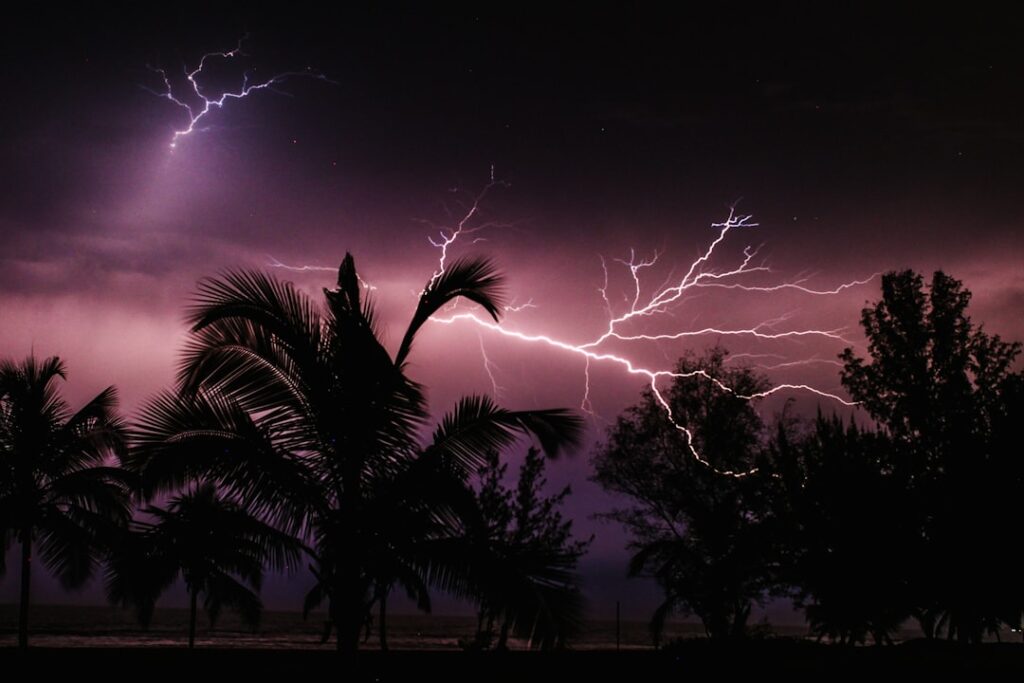
Monrovia, Liberia’s Stunning Resilience, Rhythms & Atlantic Sunsets (2026)
Sunset on Monrovia’s Atlantic coast reveals a city pulsing with life. The scent of grilled fish and pepper sauce drifts from beachside shacks as the rhythmic thump of Afrobeat mixes with the crash of waves against the iconic Ducor Hotel ruins. This is a capital of profound history and vibrant rebirth, where a stroll down Broad Street takes you past bullet-scarred buildings now housing bustling markets and art galleries. With fewer than 50,000 leisure tourists annually, you’re not just visiting a destination; you’re witnessing a nation’s remarkable story of resilience firsthand.
Why Monrovia, Liberia Stands Out

Low angle photo of coconut trees during daytime, Monrovia, Liberia
- Historic Architecture: The 1926 Masonic Temple, with its imposing Egyptian Revival facade, stands as a powerful symbol of Liberia’s unique founding by freed African-American settlers.
- Cultural Scene: The annual Poro and Sande society festivals, deeply rooted in indigenous traditions, offer a rare glimpse into sacred rituals and vibrant masked performances.
- Local Specialties: Don’t leave without trying a hearty bowl of fufu and pepper soup, a staple dish where pounded cassava meets a spicy, aromatic broth.
Pro Tip: Your best bet for pleasant weather and cultural immersion is during the dry season from November to April. For a truly unique experience, plan your visit around Independence Day on July 26th, when the city erupts in parades and celebrations, but book accommodations months in advance.
Map of Monrovia, Liberia
Use these interactive maps to explore Monrovia, Liberia and plan your route:
📍 View Monrovia, Liberia on OpenStreetMap
🗺️ Open Monrovia, Liberia in Google Maps
Planning Your Trip: Practical Essentials
Getting There and Around
- By Air: Roberts International Airport (ROB) is 35 miles from the city. Brussels Airlines, Royal Air Maroc, and ASKY Airlines are key carriers. A pre-booked private taxi to town costs about $60-80 USD. Book flights at Skyscanner for best deals.
- By Train: There are no passenger train services in Liberia. Long-distance travel is done via shared taxis or buses.
- By Car: Renting a car with a driver is highly recommended for navigating Monrovia’s chaotic traffic and unclear road rules. Expect to pay $80-120/day for a car and driver. Compare car rentals at RentalCars.com.
- Local Transport: “Penny-penny” shared taxis (yellow plates) are the lifeblood, with fares starting at 50 Liberian Dollars (LRD) per short trip. Motorbike taxis (“keh-keh”) are faster but riskier. Always negotiate the fare before getting in.
Best Time to Visit
Monrovia has a tropical climate with a distinct dry season and a very wet rainy season. Savvy travelers target the dry months for exploration.
| Season | Weather | Highlights |
|---|---|---|
| Dry Season (Nov–Apr) | Hot (75-90°F/24-32°C), humid, with little rain. Dusty harmattan winds can occur Dec-Feb. | Ideal for city tours, beach visits, and day trips. Peak tourist season with clear skies. |
| Rainy Season (May–Oct) | Very wet, hot, and humid. Heavy daily downpours, especially Jul-Sep. High chance of flooding. | Lush green scenery, lower prices, and fewer visitors. Many rural roads become impassable. |
| Shoulder (Nov & Apr) | Transitional periods with sporadic showers but generally good conditions. | A good balance of decent weather and slightly smaller crowds as seasons change. |
Budgeting for Monrovia, Liberia

Group of men holding shields during daytime, Monrovia, Liberia
| Category | Budget | Mid-range | Luxury |
|---|---|---|---|
| Accommodation | $30-50 (guesthouse) | $80-150 (3-4 star hotel) | $200+ (Mamba Point Hotel, Royal Grand) |
| Meals | $5-10 (street food/local chop bars) | $15-25 (restaurant with AC) | $40+ (fine dining/ hotel restaurant) |
| Transport | $3-5 (shared taxis daily) | $40-60 (private taxi for day) | $100+ (private car & driver) |
| Activities | Free (beaches, markets) | $10-20 (museum entries, guided tours) | $50+ (private cultural tours) |
| Daily Total | $40-65 | $150-250 | $400+ |
Top Attractions and Must-See Sights
| Attraction | Description | Hours | Entry Fee |
|---|---|---|---|
| Providence Island | The historic landing site of the first freed American settlers in 1822, marked by a simple monument and baobab trees. | Daylight Hours | Free (Tip guide $2-5) |
| Liberia National Museum | Houses key artifacts like the presidential desk of William V.S. Tubman and traditional masks, telling the nation’s complex story. | Mon-Fri 9am-5pm | $2 USD |
| Ducor Hotel & Cape Mesurado | The abandoned 1960s hotel offers panoramic city and ocean views, while the cape below is home to the historic lighthouse. | Daylight Hours | Free (Hotel access may require small tip to watchman) |
| Waterside Market | The sprawling, chaotic heart of Monrovian commerce where you can find everything from vibrant lappa fabric to fresh produce. | 7am-6pm daily | Free |
3-Day Itinerary: Monrovia, Liberia’s Highlights & Hidden Gems
Day 1: History & The Heart of the City
- Morning (7-9 AM): Start at the Centennial Pavilion on Ashmun Street for a quiet moment at the statue of Liberia’s founder, Joseph Jenkins Roberts. Your best bet is to go early to avoid the heat.
- Afternoon (12-3 PM): Visit the Liberia National Museum, then head to **Snapper Fish** on Randall Street for a lunch of perfectly grilled barracuda with jollof rice (about $12).
- Evening (6-8 PM): Watch the sunset from the ruins of the Ducor Hotel. For dinner, locals recommend **Kendejah Restaurant** on UN Drive for authentic Liberian stews like goat soup ($10-15).
Day 2: Culture, Crafts & The Coast
- Morning (8 AM): Explore the vibrant chaos of Waterside Market with a local guide (arrange through your hotel, ~$20 for 2 hours) to safely navigate and learn about goods like country cloth.
- Afternoon (1 PM): Take a shared taxi to **Sinkor** and visit the **African Dream** art gallery to see works by local artists. Lunch at **Mamba Point Hotel’s** café for a mix of international and local dishes in air-conditioned comfort ($20).
- Evening (6 PM): Experience Monrovia’s nightlife at **P.A.’s Ribhouse** in Sinkor, famous for its barbecue and live music on weekends. A plate of ribs runs about $15.
Day 3: Reflection & Relaxation
- Morning (9 AM): Hire a taxi for the day ($60) to visit **Providence Island**. Reflect on Liberia’s origins, then see the nearby **Bishop Ferguson Monument**.
- Afternoon (1 PM): Head to **Thinkers Village Beach** (ELWA) for a relaxed seaside lunch at one of the thatch-roofed beach bars. Grilled lobster with plantains costs around $18.
- Evening (5 PM): For your final evening, enjoy a sundowner at the **Royal Grand Hotel** rooftop bar, followed by a farewell dinner at **Sajj Restaurant** on Tubman Boulevard for excellent Lebanese and Liberian fusion (mains $18-25).
Cultural Insights & Etiquette
- Language: English is the official language. Learning a few Grebo or Kpelle greetings like “Tɔ́ hɛ́” (Hello in Kpelle) will earn you warm smiles.
- Customs: Always use your right hand for greetings, eating, and exchanging items. The left hand is considered unclean. A respectful greeting involves a handshake followed by a snap of the fingers—a tradition called the “Liberian snap.”
- Tipping: Not mandatory but appreciated. In restaurants, 10% is fine if service isn’t included. Tip guides $5-10 per day and hotel staff $1-2 for assistance.
- Dress Code: Modesty is valued. Avoid wearing shorts in government or formal settings. For beachwear, keep it to the beach. Travelers often discover that wearing local lappa fabric is a sign of respect.
- Business Hours: Government offices: 8am-4pm Mon-Fri. Shops: 8am-6pm. Many places close early on Wednesday. Major holidays like Independence Day (July 26) and J.J. Roberts’ Birthday (March 15) see full closures.
Where to Eat: Monrovia, Liberia’s Best Bites
Liberian cuisine is a hearty, flavorful blend of staples like rice, cassava, and fish, with a heavy use of palm oil, chilies, and smoked meats. Dining ranges from bustling “chop bars” to upscale hotel restaurants.
Must-Try Local Specialties
- Fufu and Pepper Soup: Pounded cassava or plantain dough served with a spicy, meaty broth. For an authentic version, try **Sweet Lips** on Carey Street.
- Jollof Rice: The West African classic, often cooked with chicken or fish and a rich tomato base. **Pan Africa Restaurant** on Tubman Boulevard is a local favorite.
- Roasted Cassava with Grilled Fish: A simple beachside delight. Your best bet is at any of the shacks on **Thinkers Village Beach**—fresh, smoky, and delicious.
Restaurant Recommendations by Budget
| Type | Restaurant | Specialty | Price Range |
|---|---|---|---|
| Budget | Mama’s Kitchen (Waterside) | Daily Liberian stews and rice | $3-7 |
| Mid-range | Sajj Restaurant (Tubman Blvd) | Lebanese-Liberian fusion, shawarma, kebabs | $12-25 |
| Fine dining | The Royal Grand Hotel Restaurant (Sinkor) | International fine dining with Liberian touches | $30-50+ |
Where to Stay
Accommodation is clustered in the central areas and the more diplomatic/commercial suburb of Sinkor. While international chains are absent, several comfortable local hotels offer good service. Compare prices and book at Booking.com or Airbnb for apartments.
Best Neighborhoods for Accommodation
- Mamba Point/Oldest Congo Town: The historic diplomatic enclave on a peninsula. Home to the Mamba Point Hotel, it’s secure, scenic, and walkable to some sites. Best for first-time visitors and business travelers.
- Sinkor: A long commercial strip with many mid-range hotels, restaurants, and embassies. More spread out, requiring taxis, but has the most dining options. Ideal for foodies and longer stays.
- Central Monrovia (around Broad St): The bustling, noisy heart of the city. Offers basic guesthouses and immediate access to markets. Suits very budget-conscious travelers comfortable with chaos.

Aloe vera plants are in a red cup., Monrovia, Liberia
FAQs: Your Monrovia, Liberia Questions Answered
1. Is Monrovia, Liberia safe at night?
Exercise heightened caution. Avoid walking alone after dark. Use registered hotel taxis for all evening travel. Petty crime like pickpocketing can occur in crowded areas. Stay in well-lit, populated areas and follow local advice. Most tourist areas like Mamba Point and major hotels in Sinkor have private security.
2. What currency is used and are credit cards accepted?
The Liberian Dollar (LRD) is the primary currency, but US Dollars are widely accepted (bring smaller bills like $1, $5, $10). Credit cards are only accepted at a few high-end hotels and restaurants in Sinkor. Savvy visitors know that cash is king—plan to withdraw or exchange upon arrival.
3. How do I get from the airport to the city center?
Roberts International Airport (ROB) is a 1.5 to 2-hour drive from Monrovia. The most reliable option is a pre-arranged hotel pickup or a private taxi, costing $60-80 USD. Avoid unmarked taxis. Shared taxis are cheaper (~$15 per seat) but less comfortable and secure after a long flight. Book airport transfers at GetYourGuide for convenience.
4. Do I need to speak the local language?
No. English is the official language and is spoken by everyone in tourist and business contexts. However, learning a few words in a local language like “Na wan?” (How are you? in Liberian English colloquialism) or “Thank you” will be greatly appreciated and enhance your interactions.
5. What’s the appropriate dress code?
Dress modestly and for the heat. Lightweight, breathable fabrics are essential. For men, trousers or long shorts with polo shirts are fine. For women, skirts/dresses below the knee or trousers are appropriate. Avoid revealing clothing in public. Pack a light rain jacket regardless of season and sturdy shoes for uneven terrain.
Final Thoughts: Monrovia, Liberia Awaits
Monrovia is not a destination of polished tourist trails, but one of raw, authentic experience. It challenges and rewards in equal measure. You’ll discover a city where history is not just in museums but etched into the very walls, where resilience is a way of life, and where the Atlantic sunset feels like a daily celebration. Come for the profound history, stay for the rhythm of the markets and the warmth of its people. Your best bet is to arrive with an open mind, respect for the past, and a readiness to be moved by a nation forever rising. Don’t miss the simple act of sharing a pepper soup with a local—it’s in these moments that Liberia’s true heart is revealed.
Explore More Destinations
- Jozani, Tanzania on a Budget: an Ancient Forest for $35/Day (2026)
- Nsumbu, Zambia on a Budget: Wild Africa for $40/Day (2026)
- Semporna, Malaysia on a Budget: Paradise for $35/Day (2026)
- Khuzestan, Iran on a Budget: Ancient Empires for $30/Day (2026)
- Ngerulmud, Palau on a Budget: Island Majesty for $45/Day (2026)
Ready to Visit Monrovia?
Start planning your trip today. Compare hotels, find the best tours, and get insider tips.
Your adventure in Monrovia starts here →
Related Guides
Explore more destinations similar to Monrovia:
- Kasane, Botswana: Essential River Safaris, Elephant Encounters & Four-Country Views (2025)
- Sinai Peninsula, Egypt’s Ultimate Diving, Deserts & Divine Sunrises (2026)
- Dalaba, Guinea’s Best Mountain Air, Colonial Charm & Fouta Djallon Culture (2026)
- Kpandai, Ghana: Essential Lakefront Serenity, Cultural Immersion & Untamed Nature (2026)

