
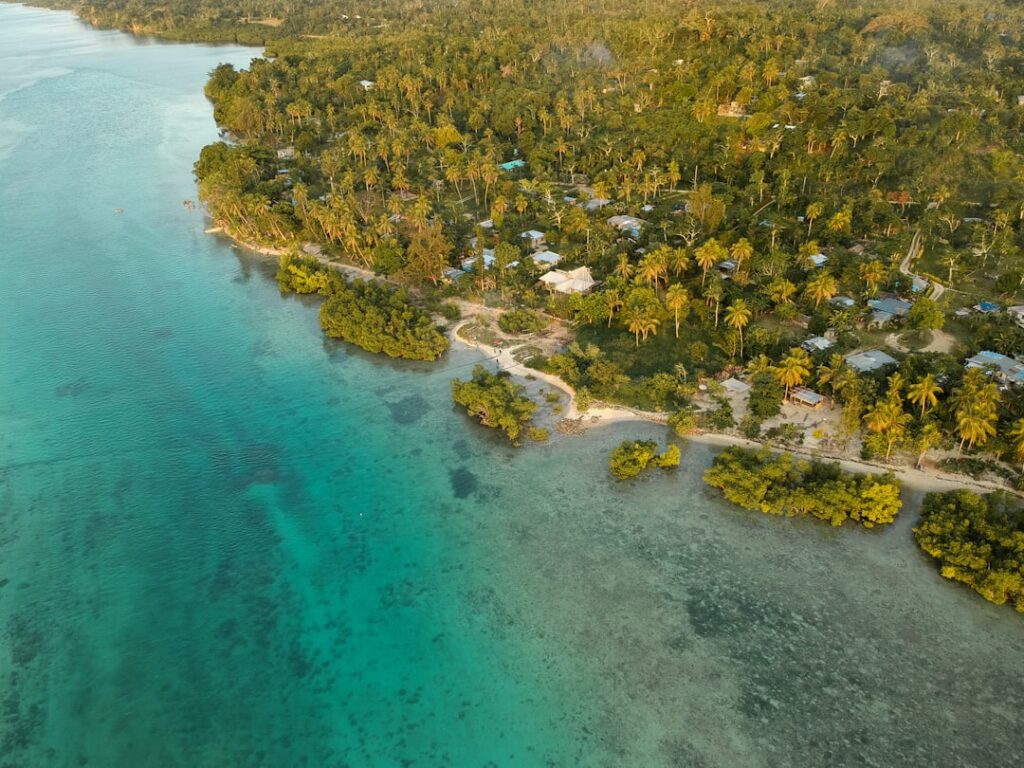
Tanna’s Volcano, Vanuatu’s Best Fire, Culture & Ancient Rainforest (2026)
What if you could stand on the rim of the world’s most accessible active volcano, watching its fiery heart pulse against a star-dusted sky? Mount Yasur on Tanna Island isn’t just a geological wonder; it’s a living deity to the local Ni-Vanuatu people, a place where the earth’s raw power meets profound cultural reverence. With eruptions occurring every few minutes for over 800 years, this is one of the few places on the planet where you can safely witness such a consistent, awe-inspiring display. Your journey here is as much about the people and their kastom (custom) villages as it is about the fire.
Why Tanna’s Volcano, Vanuatu Stands Out

Scenic landscape featuring the lush greenery and iconic Mayon Volcano under…, Tanna’s Volcano, Vanuatu
- Historic Architecture: The John Frum cargo cult ceremonial grounds in Yaohnanen village, active since the 1930s, where a unique blend of WWII mythology and indigenous belief created a lasting cultural movement.
- Cultural Scene: The Toka Festival, a massive, triennial kastom ceremony involving thousands of participants from across the island in dancing, pig-trading, and yam celebration, strengthening ancient alliances.
- Local Specialties: Lap Lap, the national dish of grated root vegetables (yam, taro, or manioc) mixed with coconut milk and meat or fish, wrapped in banana leaves and cooked in a ground oven (a ‘kakae’).
Pro Tip: The absolute best time for volcano viewing is the dry season, from April to October. For the most dramatic experience, plan your ascent for late afternoon so you witness the transition from daylight spectacle to the volcano’s fiery glow against the night sky. Avoid the peak of the wet season (January-February) when clouds can obscure the view and 4WD tracks become challenging.
Map of Tanna’s Volcano, Vanuatu
Use these interactive maps to explore Tanna’s Volcano, Vanuatu and plan your route:
📍 View Tanna’s Volcano, Vanuatu on OpenStreetMap
🗺️ Open Tanna’s Volcano, Vanuatu in Google Maps
Planning Your Trip: Practical Essentials
Getting There and Around
- By Air: Fly into Tanna’s Whitegrass Airport (TAH) from Port Vila (VLI) on Air Vanuatu. Flights are about 45 minutes. Book flights at Skyscanner for best deals. Transfers to the volcano area are exclusively by pre-arranged 4WD vehicle.
- By Train: There are no trains in Vanuatu. Inter-island travel is by air or sea.
- By Car: Independent car rental is not recommended for tourists due to rough, unmarked roads. All transport is via guided 4WD tours included in most accommodation packages. Compare any international car rentals for Port Vila at RentalCars.com.
- Local Transport: Your accommodation will arrange all necessary 4WD transport for tours. For short distances, you can hire a local truck “bus” for a few hundred vatu, but schedules are informal.
Best Time to Visit
The climate is tropical, with a warm, wet season and a cooler, dry season. The dry season offers the most reliable access and clear views, but the island is lush and green year-round.
| Season | Weather | Highlights |
|---|---|---|
| Dry Season (May–Oct) | 22°C – 28°C (72°F – 82°F), lower humidity, minimal rain. | Optimal volcano viewing, best road conditions, comfortable trekking. Peak tourist season. |
| Wet Season (Nov–Apr) | 25°C – 30°C (77°F – 86°F), high humidity, frequent heavy showers. | Lush, vibrant landscapes, fewer tourists, lower prices. Risk of cloud cover over the crater and muddy, difficult roads. |
| Shoulder (Apr & Nov) | A mix of dry and wet patterns, warm temperatures. | Good value, decent weather, a balance between crowd levels and accessibility. |
Budgeting for Tanna’s Volcano, Vanuatu

Close-up of a hermit crab in a shell underwater, Vanuatu., Tanna’s Volcano, Vanuatu
| Category | Budget | Mid-range | Luxury |
|---|---|---|---|
| Accommodation | 3,000-6,000 VUV/night (basic bungalow) | 8,000-15,000 VUV/night (comfortable bungalow with meals) | 20,000+ VUV/night (exclusive eco-lodge) |
| Meals | 500-1,000 VUV (market fruit, simple lap lap) | 1,500-2,500 VUV (set meal at guesthouse) | 3,000+ VUV (multi-course lodge dinner) |
| Transport | Included in tour packages or local truck (~500 VUV) | 4WD tour transfers (included in most stays) | Private 4WD & guide (8,000-12,000 VUV/day) |
| Activities | Free village walks, beach time | Volcano tour ~8,000 VUV, Blue Cave ~2,000 VUV | Custom cultural tours, helicopter flight over crater |
| Daily Total | 8,000-12,000 VUV (~$70-$105 USD) | 18,000-25,000 VUV (~$155-$220 USD) | 35,000+ VUV (~$305+ USD) |
Top Attractions and Must-See Sights
| Attraction | Description | Hours | Entry Fee |
|---|---|---|---|
| Mount Yasur Volcano | The star attraction: a constantly active stratovolcano where you can peer directly into its roaring crater. | Access 24/7, but tours go for sunset/evening. | ~8,000 VUV (includes park fee & 4WD transfer) |
| Yaohnanen & Yakel Kastom Villages | Authentic traditional villages where people live by ancient customs, famous for the John Frum cargo cult. | Visit by guided tour, usually mornings. | ~1,500-2,500 VUV (cultural donation) |
| Port Resolution & Blue Cave | A stunning, sheltered bay where Captain Cook landed, with a nearby luminous seawater cave for swimming. | Daylight hours for swimming and exploring. | Blue Cave: ~2,000 VUV (boat ride included) |
| Lenakel Fresh Food Market | The island’s main market, a vibrant hub for local produce, crafts, and experiencing daily Ni-Vanuatu life. | Early morning until early afternoon. | Free to browse |
3-Day Itinerary: Tanna’s Volcano, Vanuatu’s Highlights & Hidden Gems
Day 1: Arrival & Cultural Immersion
- Morning: Fly into Whitegrass Airport (TAH) and take your pre-arranged 4WD transfer (1.5 hours) to your accommodation in the volcano region. Settle into your bungalow.
- Afternoon: Visit the Yaohnanen kastom village (2,500 VVT). Meet the community, learn about the John Frum movement, and see traditional nakamal (men’s meeting house). For lunch, enjoy a freshly prepared Lap Lap at your guesthouse.
- Evening: A gentle introduction with a 4WD trip to the volcano’s lower car park for a distant view at dusk (optional, may be included in next day’s tour). Dine at your lodge on local reef fish and taro.
Day 2: The Fiery Heart of Tanna
- Morning: Trek through the John Frum cargo cult’s ceremonial grounds with a local guide (5,000 VVT). Learn the fascinating history of this WWII-era belief system.
- Afternoon: Relax at your accommodation or take a short walk to a nearby black sand beach. Enjoy a light lunch of tropical fruit and fresh coconut.
- Evening: The main event. Depart around 3:30 PM for Mount Yasur (8,000 VVT). The 4WD journey across the ashen plains is an adventure itself. Arrive at the crater rim before sunset to witness the transformation into a spectacular nighttime pyrotechnic display. Return by 7:30 PM for a well-earned dinner.
Day 3: Coast, Cave & Departure
- Morning: 4WD transfer (1 hour, often included in packages) to the picturesque Port Resolution. Take a local boat (2,000 VVT) to the stunning Blue Cave for a refreshing swim in its ethereal, sunlit waters.
- Afternoon: Enjoy a final lunch of fresh lobster (if available) at a simple beachside shack in Port Resolution. Visit the small museum detailing Captain Cook’s 1774 landing.
- Evening: Transfer back to Whitegrass Airport for your departing flight to Port Vila, or extend your stay in a bungalow overlooking the bay for a more relaxed end to your trip.
Cultural Insights & Etiquette
- Language: The national languages are Bislama (a pidgin English), French, and English. In villages, local Tanna languages are spoken. Learn a few Bislama phrases: “Tangkyu” (Thank you), “Halo” (Hello), “Mi laekem” (I like it).
- Customs: Always ask permission before taking photos of people or villages. A small donation (500-1000 Vatu) is appropriate for village visits. Respect the “kastom” (traditional) laws—your guide will advise.
- Tipping: Not expected but greatly appreciated for good service. A tip of 500-1000 Vatu to your guide or driver is a kind gesture.
- Dress Code: Modesty is key, especially in villages. Women should wear skirts or sarongs below the knee; shoulders should be covered. Men should avoid wearing only shorts. Swimwear is for the beach only.
- Business Hours: Shops and markets operate from early morning to mid-afternoon. Sunday is a day of rest and church; virtually everything is closed, and travel is restricted in many kastom areas.
Where to Eat: Tanna’s Volcano, Vanuatu’s Best Bites
Dining on Tanna is almost exclusively tied to your accommodation. Meals are typically fresh, locally sourced, and served as a set menu. The focus is on root vegetables, coconut, and freshly caught seafood or locally raised meat.
Must-Try Local Specialties
- Lap Lap: The national dish. Your best bet is trying it at your guesthouse, where it’s cooked in a traditional ground oven for hours, infusing the root vegetables with smoky, coconut flavor.
- Nalot: A simple but delicious dish of mashed taro or banana mixed with coconut cream. Often served as a side. Look for it at any local meal.
- Fresh Lobster & Reef Fish: Grilled over an open fire, often served at beachside locations like Port Resolution. Ask your host what’s fresh that day.
Restaurant Recommendations by Budget
| Type | Restaurant | Specialty | Price Range |
|---|---|---|---|
| Budget | Lenakel Market Stalls | Fresh tropical fruit (papaya, pineapple), roasted nuts, and simple snacks. | 100-500 VUV |
| Mid-range | Your Guesthouse Kitchen (e.g., Friendly Beach, White Grass) | Hearty set-menu dinners featuring Lap Lap, fresh fish, and local vegetables. | 1,500-2,500 VUV |
| Fine dining | Tanna Evergreen Resort & Tours Restaurant | Multi-course dinners with European influences using local ingredients, often with volcano views. | 3,000+ VUV |
Where to Stay
Accommodation is in rustic bungalows or eco-lodges, clustered mainly in two areas: near the volcano on the ash plains, or along the coast at Port Resolution. Most operate on a full-board basis, including meals and mandatory tour transport. Compare prices and book at Booking.com or Airbnb for apartments (though Airbnbs are very rare on Tanna).
Best Neighborhoods for Accommodation
- Volcano Region (Ash Plain): Characterized by sparse, moon-like landscapes. Pros: Closest access to Mount Yasur for evening tours. Cons: Remoter, less lush. Suits travelers prioritizing the volcano experience above all else.
- Port Resolution: A beautiful, sheltered bay with black sand beaches. Pros: Stunning coastal setting, access to Blue Cave, more relaxed vibe. Cons: Longer, bumpier transfer to the volcano (about 1 hour). Suits those wanting a mix of fire and sea.
- West Coast (Near Whitegrass): Areas like Whitegrass itself. Pros: Closer to the airport, often more upscale lodge options. Cons: Furthest from the volcano. Suits travelers seeking more comfort and don’t mind longer daily transfers for activities.

Stunning view of Popocatépetl volcano during an eruption in Puebla, Mexico., Tanna’s Volcano, Vanuatu
FAQs: Your Tanna’s Volcano, Vanuatu Questions Answered
1. Is Tanna’s Volcano, Vanuatu safe at night?
Yes, Tanna is generally very safe. However, you should not walk around unaccompanied at night due to uneven terrain, lack of lighting, and animals. Evening activities like volcano tours are always conducted in groups with guides and 4WD transport. Petty crime is low, but always secure your valuables.
2. What currency is used and are credit cards accepted?
The local currency is the Vanuatu Vatu (VUV). Carry ample cash, as credit cards are rarely accepted outside of a few upscale resorts in Port Vila. There are only a couple of ATMs on Tanna (in Lenakel), and they can be unreliable. Exchange money or withdraw cash before flying from Port Vila.
3. How do I get from the airport to the volcano area?
You must have a pre-arranged transfer through your accommodation. Upon landing at Whitegrass Airport (TAH), your driver/guide will be waiting with a sign. The journey to the volcano region takes about 1.5 hours by 4WD over rough roads—it’s part of the adventure. Book airport transfers at GetYourGuide for convenience, but note that most lodges include this.
4. Do I need to speak the local language?
No. English and Bislama are widely understood, especially by those working in tourism. Your guides will speak excellent English. Learning a few Bislama greetings, however, will earn you big smiles and is a sign of great respect.
5. What’s the appropriate dress code?
Pack for
Explore More Destinations
- Jozani, Tanzania on a Budget: an Ancient Forest for $35/Day (2026)
- Nsumbu, Zambia on a Budget: Wild Africa for $40/Day (2026)
- Semporna, Malaysia on a Budget: Paradise for $35/Day (2026)
- Khuzestan, Iran on a Budget: Ancient Empires for $30/Day (2026)
- Ngerulmud, Palau on a Budget: Island Majesty for $45/Day (2026)
Ready to Visit Tanna’s Volcano?
Start planning your trip today. Compare hotels, find the best tours, and get insider tips.
Your adventure in Tanna’s Volcano starts here →
Related Guides
Explore more destinations similar to Tanna’s Volcano:
- Stunning hvar Secrets’s Ultimate 5 Best Places to Visit (2025)
- Travnik, Bosnia and Herzegovina’s Best Fortresses, Coffee & Ottoman Grandeur (2026)
- Vung Tau, Vietnam’s Best Beaches, French Heritage & Seafood Feasts (2025)
- Mirriah, Niger’s Best Ancient Architecture, Salt Caravans & Living Traditions (2025)

