
Kaolack, Senegal’s Incredible Salt, Spirituality & Senegal’s Commercial Heart (2026)
While Dakar’s Atlantic bustle draws the crowds, savvy travelers head 190km southeast to Kaolack, the true economic engine of Senegal. Here, the Saloum River isn’t just a waterway; it’s a liquid highway for the nation’s peanut trade, where over 100,000 tons of the crop are processed annually. At dawn, the port thrums not with tourist boats, but with the deep hum of commerce, a scent of earth and salt hanging in the air. This is where you experience Senegal’s industrious soul, far from the postcard-perfect beaches.
Why Kaolack, Senegal Stands Out

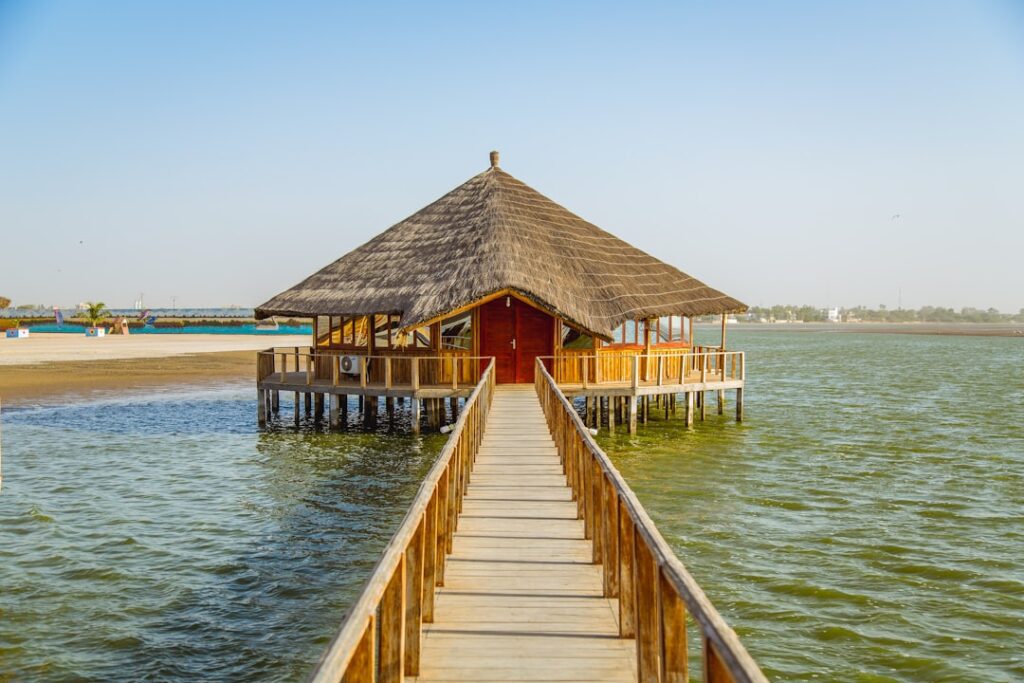
Sea dock through nipa hut, Kaolack, Senegal
- Historic Architecture: The Grande Mosquée de Kaolack, completed in 1972, is a landmark of modern Sahelian design, its towering minaret a beacon for the city’s deeply spiritual community.
- Cultural Scene: The annual Gamou festival, celebrating the birth of the Prophet Muhammad, transforms the city with all-night prayers, chants, and a pilgrimage atmosphere centered on the Medina Baay mosque complex.
- Local Specialties: You must try Thieboudienne, Senegal’s national dish of fish, rice, and vegetables, here often prepared with fresh catches from the Saloum River.
Pro Tip: Plan your visit for the dry season between November and March. The Gamou festival follows the Islamic lunar calendar, so check dates yearly; it’s a profound cultural experience but requires booking accommodation months in advance.
Map of Kaolack, Senegal
Use these interactive maps to explore Kaolack, Senegal and plan your route:
📍 View Kaolack, Senegal on OpenStreetMap
🗺️ Open Kaolack, Senegal in Google Maps
Planning Your Trip: Practical Essentials
Getting There and Around
- By Air: You’ll fly into Blaise Diagne International Airport (DSS) near Dakar. From there, your best bet is a 3-hour private transfer or shared taxi (“sept-place”) directly to Kaolack. Book flights at Skyscanner for best deals.
- By Train: The Dakar-Bamako railway line serves Kaolack, but service can be irregular. The journey from Dakar takes about 4-5 hours. Reserve tickets at Trainline or the national railway website, but confirm schedules locally.
- By Car: The N1 highway provides a straightforward drive from Dakar. Parking is generally available at hotels. Compare car rentals at RentalCars.com for pickup at the airport.
- Local Transport: Use local “cars rapides” (colorful minibuses) or taxis for short trips. A taxi ride within the city center should cost around 500-1000 CFA (approx. $1-$2). Always agree on the fare before starting your journey.
Best Time to Visit
Kaolack’s climate is hot year-round, but the dry winter season offers the most comfortable conditions for exploration. The city’s cultural heartbeat is strongest during religious festivals, which are spectacular but busy.
| Season | Weather | Highlights |
|---|---|---|
| Summer (Jun–Aug) | Hot & humid, 25-35°C (77-95°F), heavy rains | Lush landscapes, but travel can be disrupted; very few tourists. |
| Winter (Dec–Feb) | Hot & dry, 18-32°C (64-90°F), pleasant evenings | Ideal for all sightseeing; potential for the Gamou festival (dates vary). |
| Shoulder (Apr–May/Sep–Oct) | Very hot, 28-38°C (82-100°F), transitioning seasons | Good for deals and experiencing local life without peak festival crowds. |
Budgeting for Kaolack, Senegal

A farmer and child working in a rural field with a horse-drawn plow in Kaolack, Kaolack, Senegal
| Category | Budget | Mid-range | Luxury |
|---|---|---|---|
| Accommodation | 10,000-15,000 CFA ($17-$25) for a basic guesthouse | 25,000-40,000 CFA ($42-$67) for a comfortable hotel | 50,000+ CFA ($83+) for the city’s top hotel with pool |
| Meals | 1,500-3,000 CFA ($2.50-$5) for street food or local eateries | 5,000-8,000 CFA ($8-$13) for a restaurant meal | 10,000+ CFA ($17+) for fine dining (limited options) |
| Transport | 500-1,000 CFA ($1-$2) per taxi ride; cheap “cars rapides” | Private taxi for half-day: ~15,000 CFA ($25) | Private car with driver: 40,000+ CFA ($67+) per day |
| Activities | Free mosque exteriors, market browsing, river walks | Guided tour: 10,000-20,000 CFA ($17-$33); museum entry fees | Private cultural tours, excursions to Saloum Delta |
| Daily Total | 15,000-20,000 CFA ($25-$33) | 45,000-70,000 CFA ($75-$117) | 100,000+ CFA ($167+) |
Top Attractions and Must-See Sights
| Attraction | Description | Hours | Entry Fee |
|---|---|---|---|
| Medina Baay Mosque Complex | The spiritual heart of the Mouride brotherhood, a serene city-within-a-city of prayer halls, schools, and libraries. | Open daily for non-Muslim visitors outside prayer times (avoid Fri midday) | Free (Donations appreciated) |
| Kaolack Central Market | A sprawling, sensory-overload hub for everything from peanuts and fabric to traditional medicines and spices. | Mon-Sat: 7am-7pm, Sun: 8am-1pm (liveliest mornings) | Free |
| Port of Kaolack | Watch the economic lifeblood of Senegal flow as barges and pirogues load peanuts, salt, and goods on the Saloum River. | Daylight hours; most activity in the early morning | Free |
| Regional Museum of Kaolack | Small but insightful museum detailing the region’s history, from the Saloum kingdoms to the peanut trade. | Mon-Fri: 9am-1pm & 3pm-6pm (check for variations) | ~500 CFA ($0.85) |
3-Day Itinerary: Kaolack, Senegal’s Highlights & Hidden Gems
Day 1: Spiritual & Commercial Heart
- Morning (7-9 AM): Start at the bustling Port de Kaolack to see the river commerce in full swing. Watch pirogues unload fish and barges being loaded with sacks of peanuts.
- Afternoon (12-3 PM): Dive into the labyrinthine Kaolack Central Market. For lunch, head to nearby Restaurant Le Relais for a hearty plate of Mafé (peanut stew with meat).
- Evening (6-8 PM): Visit the exterior of the Grande Mosquée as the call to prayer echoes. Enjoy dinner at Chez Aïda, known for its grilled chicken and local atmosphere.
Day 2: Culture & History
- Morning (8 AM): Take a guided tour (approx. 10,000 CFA) of the Medina Baay complex. Dress modestly and be respectful—this is a deeply religious site, not just a tourist attraction.
- Afternoon (1 PM): Visit the Regional Museum, then enjoy a late lunch at La Palmeraie, a garden restaurant serving excellent Thieboudienne.
- Evening (6 PM): Experience a quieter side of the city with a stroll along the riverbank near the Pont de Kaolack as the sun sets.
Day 3: Excursion & Local Life
- Morning (7:30 AM): Hire a taxi (approx. 15,000 CFA roundtrip) for the 45-minute drive to the Salt Pans of Kahe. Witness the back-breaking work of salt harvesting—a stunning, otherworldly landscape.
- Afternoon (12:30 PM): Return to Kaolack for a final lunch at Snack Bar Africa, a local favorite for sandwiches and fresh juices.
- Evening (5 PM): Pick up last-minute souvenirs at the market—colorful fabrics or local peanuts—before a farewell dinner.
Cultural Insights & Etiquette
- Language: Wolof is the main local language; French is the official language. Learn greetings: “Salaam aleikum” (Hello, peace be upon you), “Jërejëf” (Thank you).
- Customs: Always use your right hand for eating, greeting, and giving/receiving items. Public displays of affection are frowned upon.
- Tipping: Not mandatory but appreciated. Round up taxi fares, leave 5-10% at sit-down restaurants if service isn’t included.
- Dress Code: Modesty is key, especially near religious sites. Cover shoulders and knees. Loose, breathable cotton clothing is ideal for the heat.
- Business Hours: Shops typically open 8am-12pm and 3pm-7pm. Many close Friday afternoons for prayers. Government offices keep morning hours.
Where to Eat: Kaolack, Senegal’s Best Bites
Dining in Kaolack is about robust, flavorful Senegalese staples. You’ll find few international menus here; the joy is in the local cuisine, often served communally from a large shared plate.
Must-Try Local Specialties
- Thieboudienne: The iconic “fish and rice” dish, cooked with tomato sauce, vegetables, and fermented fish (yet). Try it at La Palmeraie.
- Yassa Poulet: Succulent chicken marinated in lemon and onions, then grilled or stewed. Chez Aïda does a fantastic version.
- Fataya: Delicious fried pastries stuffed with fish or meat, perfect as a street food snack from market vendors.
Restaurant Recommendations by Budget
| Type | Restaurant | Specialty | Price Range |
|---|---|---|---|
| Budget | Snack Bar Africa (City Center) | Quick bites, sandwiches, and fresh juices | 1,000-3,000 CFA ($1.70-$5) |
| Mid-range | Restaurant Le Relais (Near Market) | Reliable Senegalese classics like Mafé and grilled fish | 4,000-7,000 CFA ($7-$12) |
| Fine dining | La Palmeraie (Garden Setting) | The best Thieboudienne in town in a pleasant outdoor setting | 7,000-10,000 CFA ($12-$17) |
Where to Stay
Accommodation in Kaolack is functional rather than luxurious, focused on serving business and religious travelers. Your best bet is to book a hotel with reliable air conditioning. Compare prices and book at Booking.com or Airbnb for apartments.
Best Neighborhoods for Accommodation
- City Centre: Close to the market, port, and main transport hubs. Convenient but can be noisy. Best for short stays and budget travelers.
- Near Medina Baay: Quieter, with a more spiritual atmosphere. Ideal for those visiting the mosque complex, but fewer dining options.
- Along the N1 Highway: You’ll find some of the newer, mid-range hotels here, often with better facilities like pools, but you’ll need taxis to get downtown.

Colorful Senegalese flag and nautical ropes on a boat deck, Kaolack, Senegal
FAQs: Your Kaolack, Senegal Questions Answered
1. Is Kaolack, Senegal safe at night?
Kaolack is generally safe, but standard precautions apply. Avoid poorly lit areas at night, don’t flash valuables, and use registered taxis for evening transport. The areas around major hotels and the Medina Baay are typically fine.
2. What currency is used and are credit cards accepted?
The West African CFA Franc (XOF) is the currency. Carry plenty of cash, as credit cards are rarely accepted outside of major hotels. ATMs are available in the city center, but it’s wise to have cash on arrival.
3. How do I get from the airport to the city center?
You’ll land in Dakar (DSS). The most efficient transfer is a pre-booked private car (approx. 60,000-80,000 CFA / $100-$133 for the 3-hour drive). Shared “sept-place” taxis from Dakar’s garages are cheaper (~10,000 CFA/$17) but less comfortable. Book airport transfers at GetYourGuide for convenience.
4. Do I need to speak the local language?
French is extremely helpful; English is not widely spoken. Learning a few Wolof greetings will earn you big smiles. Locals recommend having a translation app handy for more complex conversations.
5. What’s the appropriate dress code?
Modest, loose-fitting clothing is essential. For men, long trousers and shirts are best. For women, skirts/dresses below the knee and tops covering shoulders are expected, especially when visiting religious sites. A light scarf is useful for covering hair at mosques.
Final Thoughts: Kaolack, Senegal Awaits
Kaolack offers a raw, authentic slice of Senegal that few tourists seek out. This is not a place for resort luxury, but for cultural immersion. You’ll discover the rhythmic pulse of trade and faith that powers the nation, experience profound hospitality, and understand a way of life deeply connected to land and river. For the traveler looking beyond the obvious, Kaolack provides a memorable, grounding journey into Senegal’s heart. Your best closing memory? Sharing a plate of Thieboudienne with new acquaintances as the call to prayer settles over the city—a moment of pure, unvarnished connection.
Explore More Destinations
- Jozani, Tanzania on a Budget: an Ancient Forest for $35/Day (2026)
- Nsumbu, Zambia on a Budget: Wild Africa for $40/Day (2026)
- Semporna, Malaysia on a Budget: Paradise for $35/Day (2026)
- Khuzestan, Iran on a Budget: Ancient Empires for $30/Day (2026)
- Ngerulmud, Palau on a Budget: Island Majesty for $45/Day (2026)
Ready to Visit Kaolack?
Start planning your trip today. Compare hotels, find the best tours, and get insider tips.
Your adventure in Kaolack starts here →
Related Guides
Explore more destinations similar to Kaolack:
- Koroni, Greece’s Best Castles, Coastlines & Authentic Peloponnese Charm (2026)
- Maria La Gorda, Cuba’s Hidden Diving, Dolphins & Deserted Beaches (2025)
- Stunning Taiwan’s Epic Your Ultimate 3-Day Experience (2025)
- Quelimane, Mozambique: Essential Riverfront Charm, Portuguese Heritage & Spicy Piri-Piri (2026)
{“@context”: “https://schema.org”, “@type”: “FAQPage”, “mainEntity”: [{“@type”: “Question”, “name”: “What is the best time to visit Kaolack?”, “acceptedAnswer”: {“@type”: “Answer”, “text”: “The best time to visit Kaolack depends on your preferences. Generally, the dry season offers the most pleasant weather for sightseeing and outdoor activities.”}}, {“@type”: “Question”, “name”: “How many days do I need in Kaolack?”, “acceptedAnswer”: {“@type”: “Answer”, “text”: “Most travelers spend 3-5 days in Kaolack to see the main attractions. A week allows for a more relaxed pace and day trips.”}}, {“@type”: “Question”, “name”: “Is Kaolack expensive to visit?”, “acceptedAnswer”: {“@type”: “Answer”, “text”: “Kaolack can be visited on various budgets. Accommodation ranges from hostels to luxury hotels, and local restaurants offer affordable dining.”}}]}

