
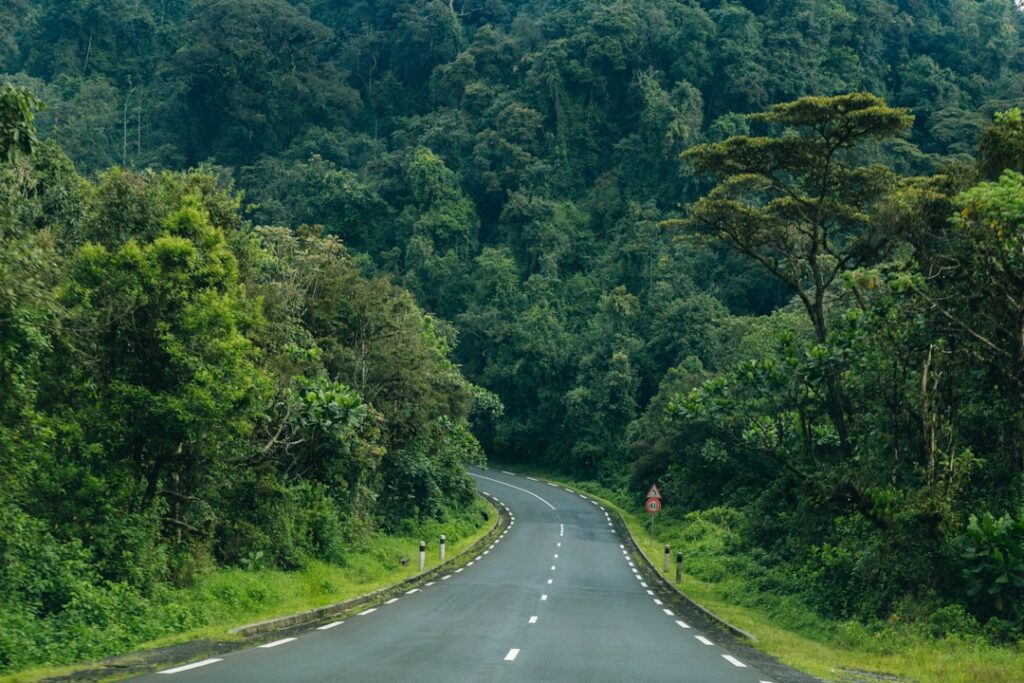
Nyungwe Forest, Rwanda’s Amazing Primates, Canopy Walks & Ancient Tea (2026)
At dawn, the mist hangs like a ghostly blanket over 1,019 square kilometers of montane rainforest, one of Africa’s oldest. The air, thin and cool at 2,000 meters above sea level, fills with a chorus of over 300 bird species and the distant, guttural calls of 13 primate species, including a quarter of the world’s remaining endangered Eastern chimpanzees. This is Nyungwe, a biodiversity ark where you don’t just see the forest—you traverse it on a 160-meter-long canopy walkway suspended 70 meters above the jungle floor, a perspective few ever witness.
Why Nyungwe Forest, Rwanda Stands Out
Explore Kigali’s illuminated stadium, Nyungwe Forest, Rwanda
- Historic Architecture: The Gisakura Tea Factory, established in the 1960s, processes leaves from the vast, emerald-green plantations that border the forest, representing a key chapter in Rwanda’s agricultural history.
- Cultural Scene: The annual Umuganura (National Harvest Day) celebrations in August see local communities share traditional dances and stories that speak to a deep, ancestral connection with the land.
- Local Specialties: You must try a cup of freshly brewed, high-altitude Nyungwe tea, often served with sweet, fried dough balls called *amandazi*.
Pro Tip: The absolute best time for chimpanzee trekking is during the two drier seasons: June to early September and December to February. For the most vivid floral displays, including orchids and giant lobelias, target the end of the rainy season in May or November.
Map of Nyungwe Forest, Rwanda
Use these interactive maps to explore Nyungwe Forest, Rwanda and plan your route:
📍 View Nyungwe Forest, Rwanda on OpenStreetMap
🗺️ Open Nyungwe Forest, Rwanda in Google Maps
Planning Your Trip: Practical Essentials
Getting There and Around
- By Air: You’ll fly into Kigali International Airport (KGL). From Kigali, it’s a 5-6 hour scenic drive southwest. Book flights at Skyscanner for best deals.
- By Train: There are currently no passenger train services to Nyungwe Forest. Travel is primarily by road.
- By Car: Hiring a 4×4 with a driver-guide is highly recommended for the mountainous terrain. The route from Kigali via Huye is well-paved. Compare car rentals at RentalCars.com.
- Local Transport: Once at your lodge, all activities are arranged through the park and include transport to trailheads. Public transport is not a viable option inside the park.
Best Time to Visit
Nyungwe is a year-round destination, but your experience is shaped by the rains. The dry seasons offer more reliable trekking conditions, while the wet seasons transform the forest into a lush, flowering paradise with fewer visitors.
| Season | Weather | Highlights |
|---|---|---|
| Dry Season (Jun–Aug) | Cool, 10-20°C, minimal rain, misty mornings. | Optimal primate trekking, clear trails, busy with tourists. |
| Short Dry (Dec–Feb) | Warm, 15-25°C, occasional showers. | Great for birding, chimpanzee tracking, pleasant hiking weather. |
| Wet Seasons (Mar–May, Sep–Nov) | Warm, 15-25°C, heavy afternoon rains. | Lush scenery, spectacular waterfalls, orchids bloom, lowest crowds. |
Budgeting for Nyungwe Forest, Rwanda

Chateau Le Marara standing majestically in Kibuye, Nyungwe Forest, Rwanda
| Category | Budget | Mid-range | Luxury |
|---|---|---|---|
| Accommodation | $30-50 (basic guesthouse) | $150-300 (comfortable lodge) | $400-800+ (luxury forest retreat) |
| Meals | $10-15 (local eateries) | $25-40 (lodge restaurant) | $60+ (fine dining experience) |
| Transport | $100/day (shared 4×4) | $150-200/day (private car/driver) | $300+/day (private luxury transfer) |
| Activities | $60 (nature walk) | $90 (Canopy Walk), $100 (Colobus trek) | $150 (Chimp permit + guide) |
| Daily Total | $200-225 | $400-600 | $900+ |
*Note: Park entry fee ($100 for non-resident adults) and activity permits are additional, significant costs.
Top Attractions and Must-See Sights
| Attraction | Description | Hours | Entry Fee |
|---|---|---|---|
| Chimpanzee Trekking | Track habituated families through dense forest for a life-changing, one-hour encounter. | Treks start at 5:00 AM & 1:00 PM | $150 permit + guide |
| Canopy Walkway | Walk 70m above the forest floor on East Africa’s only suspended canopy walk for breathtaking views. | 7:00 AM – 5:00 PM | $60 per person |
| Colobus Monkey Trek | Seek out troops of Angolan colobus monkeys, some numbering over 400 individuals—the largest troops in Africa. | 7:00 AM & 1:00 PM | $100 per person |
| Igishigishigi Trail & Waterfalls | A scenic hike combining the canopy walk with views of the majestic Kamiranzovu Marsh and waterfalls. | Dawn to Dusk | Incl. in walkway fee |
3-Day Itinerary: Nyungwe Forest, Rwanda’s Highlights & Hidden Gems
Day 1: Primate Prologue & Canopy Heights
- Morning (5:00 AM): Early briefing at the Uwinka Visitor Centre for chimpanzee trekking ($150). Your guide will lead you into the misty forest; the search itself is an adventure. Pack rain gear and sturdy boots.
- Afternoon (1:00 PM): After a packed lunch, take on the Igishigishigi Trail and Canopy Walkway ($60). The 2-3 hour hike culminates on the swaying walkway—a truly unforgettable perspective. Keep an eye out for blue monkeys in the treetops.
- Evening (7:00 PM): Enjoy a well-earned dinner at your lodge, like the Nyungwe Forest Lodge, savoring a hearty stew and sharing stories of the day’s sightings.
Day 2: Colobus Troops & Tea Culture
- Morning (7:00 AM): Trek to find the spectacular Angolan colobus monkey troops ($100). The sight and sound of hundreds of these black-and-white primates moving through the canopy is mesmerizing.
- Afternoon (12:30 PM): Drive to the Gisakura Tea Estate for a guided plantation tour (approx. $20). Walk among the manicured bushes and learn about the processing at the factory. Lunch on local fare at a simple spot in Gisakura village.
- Evening (6:00 PM): Opt for a guided night walk (if available at your lodge) to spot nocturnal creatures like bushbabies and chameleons, a completely different forest experience.
Day 3: Waterfall Serenity & Cultural Insight
- Morning (8:00 AM): Hike the Kamiranzovu Trail to the beautiful waterfall cascading into the vast marsh. This 10km round-trip is moderately challenging but rewards with serene, crowd-free beauty.
- Afternoon (1:00 PM): Enjoy a picnic lunch by the waterfall before heading back. En route to your lodge, stop at a local community cooperative to see traditional basket weaving and support local artisans.
- Evening (7:00 PM): Final forest dinner. Ask your lodge to arrange a performance of traditional Intore dance, a powerful display of Rwanda’s cultural heritage, as a perfect farewell.
Cultural Insights & Etiquette
- Language: The national languages are Kinyarwanda, French, and English. A simple “Muraho” (Hello) and “Murakoze” (Thank you) go a long way.
- Customs: Always greet people politely. It is considered rude to point with a single finger; use your whole hand. When receiving something, use your right hand or both hands as a sign of respect.
- Tipping: Tipping is appreciated but not always expected. For guides, consider 5-10% of the activity cost. For porters, $5-10 is standard. Tip in USD or Rwandan Francs (RWF).
- Dress Code: Modesty is valued. In the forest, wear neutral-colored, sturdy clothing. In villages, avoid overly revealing outfits. For the canopy walk, secure shoes are a must.
- Business Hours: Park activities have set hours. Shops in nearby towns typically operate from 8:00 AM to 6:00 PM. Remember the last Sunday of the month is *Umuganda*, a national community service day when businesses open late.
Where to Eat: Nyungwe Forest, Rwanda’s Best Bites
Dining in Nyungwe revolves around your lodge’s restaurant, as there are no independent eateries within the park. The focus is on hearty, sustaining meals, often featuring local produce, fresh fish from Lake Kivu, and international classics. The tea, of course, is exceptional.
Must-Try Local Specialties
- Brochettes: Marinated goat, beef, or fish skewers grilled over charcoal, often served with fried plantains (*ibitoke*) and *akabenz*, a spicy sauce. Best enjoyed at your lodge’s barbecue night.
- Isombe: A flavorful stew made from mashed cassava leaves, often cooked with palm oil, eggplant, and spinach, sometimes with fish. A true taste of local cuisine.
- Nyungwe Tea: Not a dish, but a must-sip. The high-altitude tea is bright, aromatic, and less bitter. Have it black to appreciate its full flavor.
Restaurant Recommendations by Budget
| Type | Restaurant | Specialty | Price Range |
|---|---|---|---|
| Budget | Gisakura Village Eateries | Simple, hearty plates of rice, beans, and stew. | $5-10 per meal |
| Mid-range | One&Only Nyungwe House Restaurant | Elegant, farm-to-table dishes with stunning forest views. | $40-70 per person |
| Fine dining | Nyungwe Forest Lodge Dining Room | Multi-course gourmet meals featuring European and Pan-African fusion. | $60+ per person |
Where to Stay
Accommodation is clustered near the park’s main entrances at Uwinka and Gisakura. Options range from basic guesthouses for researchers to some of Africa’s most luxurious forest lodges. Book well in advance, especially for peak season. Compare prices and book at Booking.com or Airbnb for apartments in nearby towns.
Best Areas for Accommodation
- Gisakura Area: Close to the park’s eastern edge and tea plantations. Offers a mix of lodges and guesthouses with easy access to colobus trekking. Suits mid-range and luxury travelers.
- Uwinka Area: Home to the main visitor center and canopy walk. Lodges here feel deeply immersed in the forest. Ideal for those prioritizing early morning hikes and maximum immersion.
- Kitabi Area (Southern Edge): Quieter, with fewer options but stunning views over the forest canopy. Best for travelers seeking solitude and longer, more remote trails.
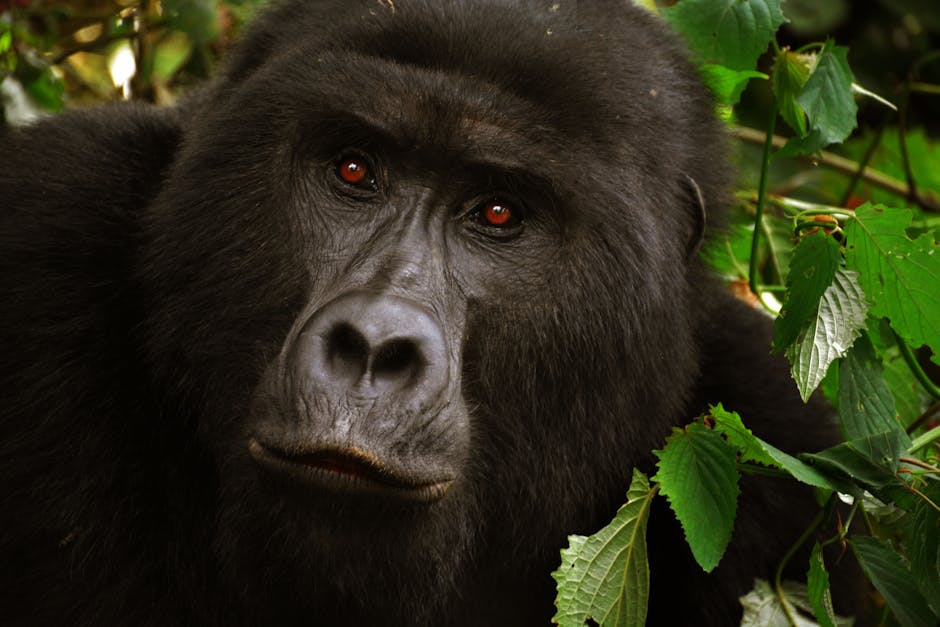
A close-up shot of a gorilla surrounded by lush green foliage, Nyungwe Forest, Rwanda
FAQs: Your Nyungwe Forest, Rwanda Questions Answered
1. Is Nyungwe Forest, Rwanda safe at night?
Yes, the park itself is safe, but you will not be moving around at night independently. All evening movement is within your secured lodge grounds. Wildlife does not approach the lodges. As anywhere, use common sense and follow your lodge’s guidance.
2. What currency is used and are credit cards accepted?
The Rwandan Franc (RWF) is the local currency, but US Dollars are widely accepted for park fees, tips, and at major lodges. Credit cards (Visa/Mastercard) are accepted at high-end lodges but not for park fees or in local villages. Savvy visitors know to carry ample small-denomination USD cash ($1, $5, $10 bills) for tips and incidentals.
3. How do I get from the airport to Nyungwe Forest?
You’ll need a private transfer or rental car from Kigali International Airport. The drive is 5-6 hours. Pre-booking a 4×4 with a driver-guide through a reputable tour operator is the most reliable and comfortable option (approx. $150-$250 per day). Book airport transfers at GetYourGuide for convenience.
4. Do I need to speak the local language?
No. English is widely spoken by all park guides, staff at lodges, and in the tourism industry. Learning a few basic Kinyarwanda greetings is a respectful gesture that is always warmly received.
5. What’s the appropriate dress code?
For the forest: sturdy, waterproof hiking boots, long pants, long-sleeved shirts in muted colors (no bright blue or white, which can attract bees), a rain jacket, and a hat. Evenings at lodges are smart-casual; a light sweater is useful as temperatures drop. Always dress modestly when visiting local communities outside the park.
Final Thoughts: Nyungwe Forest, Rwanda Awaits
Nyungwe Forest is not merely a stop on a Rwandan itinerary; it is a profound immersion into an ancient, breathing world. Beyond the bucket-list primate encounters, it offers the rare chance to walk among the treetops, sip tea at its source, and listen to the symphony of one of the planet’s most vital ecosystems. Travelers often discover that the forest’s true magic lies in its quiet moments—the sunbeam breaking through the canopy, the scent of damp earth, the realization of being a guest in a realm that has thrived for millennia. Your best bet is to plan for at least three full days, secure your chimpanzee permit months in advance, and come ready to engage all your senses. Nyungwe doesn’t just show you nature; it lets you step inside its living, green heart.
Explore More Destinations
- Jozani, Tanzania on a Budget: an Ancient Forest for $35/Day (2026)
- Nsumbu, Zambia on a Budget: Wild Africa for $40/Day (2026)
- Semporna, Malaysia on a Budget: Paradise for $35/Day (2026)
- Khuzestan, Iran on a Budget: Ancient Empires for $30/Day (2026)
- Ngerulmud, Palau on a Budget: Island Majesty for $45/Day (2026)
Ready to Visit Nyungwe Forest?
Start planning your trip today. Compare hotels, find the best tours, and get insider tips.
Your adventure in Nyungwe Forest starts here →
Related Guides
Explore more destinations similar to Nyungwe Forest:

