
Puglia, Italy’s Ultimate Trulli, Turquoise Seas & Rustic Cuisine (2026)
While crowds queue for Florence’s galleries and jostle on the Amalfi Coast, Puglia offers a slower, sun-drenched Italy that many miss. This 7,500-square-mile region, the heel of Italy’s boot, boasts over 500 miles of coastline—more than any other mainland region—yet receives a fraction of the visitors. Here, your euros stretch further on plates of handmade orecchiette, in centuries-old masserie turned boutique hotels, and along stretches of sand where the only footprints might be your own. This is Italy distilled to its authentic, rustic essence.
Why Puglia, Italy Stands Out

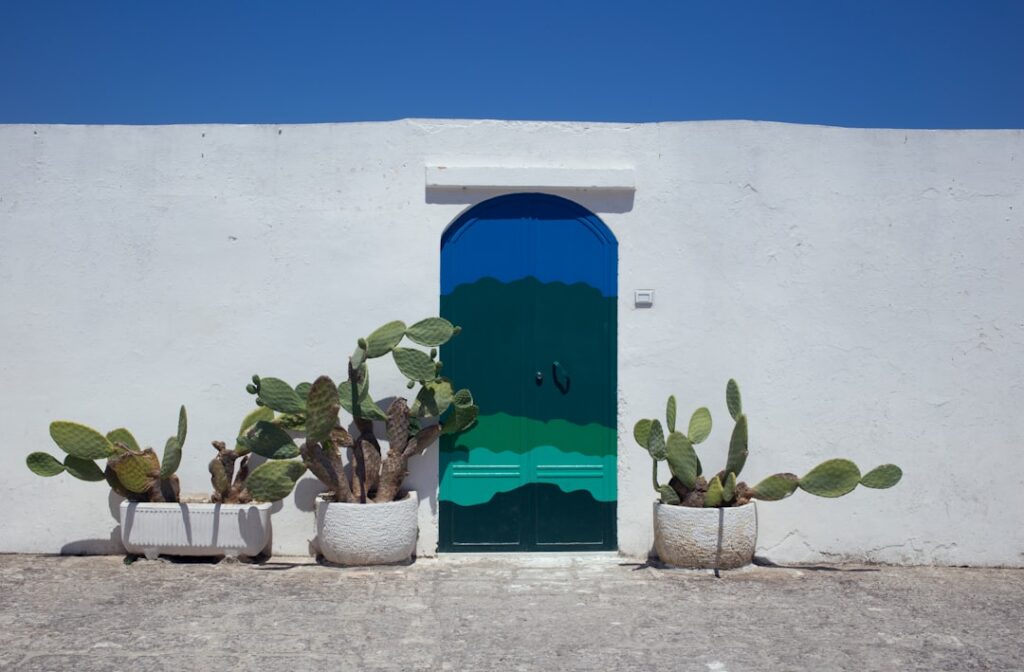
White house, Puglia, Italy
- Historic Architecture: The conical-roofed trulli of Alberobello, a UNESCO site since 1996, are a unique example of prehistoric building techniques still in use today.
- Cultural Scene: The Notte della Taranta festival in Salento each August transforms the region with a massive, passionate celebration of the traditional, hypnotic pizzica folk music.
- Local Specialties: You must try orecchiette con cime di rapa—handmade “little ear” pasta with bitter broccoli rabe, garlic, and chili, a signature of Bari’s old nonnas.
Pro Tip: Visit in late September or early October. The ferocious summer heat has broken, the sea is still warm, the grape and olive harvests are in full swing, and the tourist crowds from July and August have completely dissipated, offering a more local pace.
Map of Puglia, Italy
Use these interactive maps to explore Puglia, Italy and plan your route:
📍 View Puglia, Italy on OpenStreetMap
🗺️ Open Puglia, Italy in Google Maps
Planning Your Trip: Practical Essentials
Getting There and Around
- By Air: Bari Karol Wojtyła Airport (BRI) and Brindisi Airport (BDS) are the main international gateways, served by airlines like Ryanair, easyJet, and Alitalia. From the airport, pre-booked taxis or local train services (from Bari airport to Bari Centrale) are your best bet. Book flights at Skyscanner for best deals.
- By Train: Trenitalia connects major cities like Bari, Lecce, and Brindisi to Rome (approx. 4 hours) and Naples. Regional trains are slow but scenic. Reserve tickets at Trainline or the national railway website.
- By Car: A car is essential for exploring the countryside, trulli zones, and coastal coves. The A14 motorway runs up the coast. Book an automatic early; most rentals are manual. Compare car rentals at RentalCars.com.
- Local Transport: Regional trains connect larger towns, while a limited bus network serves villages. For true freedom, nothing beats your own set of wheels. Check official city transport websites for passes and schedules.
Best Time to Visit
Puglia enjoys a classic Mediterranean climate, with long, hot summers and mild, sometimes rainy winters. The shoulder seasons deliver the ideal balance of glorious weather and local life.
| Season | Weather | Highlights |
|---|---|---|
| Summer (Jun–Aug) | Hot & dry, 28-35°C (82-95°F) | Vibrant beach life, festivals, and long evenings; expect crowds and higher prices, especially in August. |
| Winter (Dec–Feb) | Mild & damp, 8-15°C (46-59°F) | Quiet, local atmosphere, lower prices; some coastal hotels and restaurants close. Ideal for city culture in Lecce. |
| Shoulder (Apr–May/Sep–Oct) | Pleasant & sunny, 18-25°C (64-77°F) | Perfect for cycling, hiking, and sightseeing. Sea is swimmable into October. Harvest seasons (olives, grapes) offer unique experiences. |
Budgeting for Puglia, Italy

An olive tree in the middle of a field, Puglia, Italy
| Category | Budget | Mid-range | Luxury |
|---|---|---|---|
| Accommodation | €50-80/night (B&B, agriturismo) | €120-220/night (boutique masseria, 4-star) | €300+/night (5-star masseria, luxury trullo) |
| Meals | €15-25 (panini, street food, pizza) | €35-55 (full meal with wine at a trattoria) | €80+ (fine dining, tasting menus) |
| Transport | €10/day (regional trains/buses) | €40-60/day (rental car + fuel) | €100+/day (private driver) |
| Activities | Free (beaches, old town walks) | €10-25 (castle/museum entry, wine tasting) | €80+ (private boat tour, cooking class) |
| Daily Total | €75-120 | €200-350 | €500+ |
Top Attractions and Must-See Sights
| Attraction | Description | Hours | Entry Fee |
|---|---|---|---|
| Trulli of Alberobello | A surreal hillside district of over 1,500 whitewashed, conical-roofed stone houses, a UNESCO World Heritage site. | Always open (exteriors); individual trulli shops 9am-8pm | Free to wander; €1.50 for Trullo Sovrano museum |
| Castel del Monte | Frederick II’s enigmatic 13th-century octagonal castle, a masterpiece of medieval architecture with perfect geometric symmetry. | 10:15am-7:45pm (varies seasonally) | €7 (plus €3 booking fee online) |
| Lecce Historic Centre | The “Florence of the South,” a Baroque masterpiece where ornate churches and palaces are carved from golden Lecce stone. | Always open; churches typically 9am-12pm & 4pm-7pm | Free to explore; cathedral €9 |
| Polignano a Mare | A breathtaking old town perched on limestone cliffs above turquoise grottoes, home to the famous cliffside restaurant Grotta Palazzese. | Always open | Free |
3-Day Itinerary: Puglia, Italy’s Highlights & Hidden Gems
Day 1: Baroque Splendor & Coastal Drama
- Morning (7-9 AM): Start early in Lecce. Have a caffè Leccese (iced coffee with almond milk) at Caffè Alvino in Piazza Sant’Oronzo before the crowds. Wander the empty, golden streets to see the Basilica di Santa Croce and the Roman Amphitheatre in the soft morning light.
- Afternoon (12-3 PM): Drive 45 minutes to the coast for lunch at Pescheria Due Mari in Torre dell’Orso for incredibly fresh, simple seafood on a terrace overlooking the bay. Then, visit the stunning Grotta della Poesia, a natural limestone swimming pool carved by the sea, once believed to be a source of poetic inspiration.
- Evening (6-8 PM): Head to Otranto. Walk the seaside walls of the Aragonese Castle (€8), then explore the cathedral with its haunting mosaic floor and skull chapel. Dine at Il Tempo Perso for creative Salento cuisine in a romantic, stone-vaulted setting.
Day 2: Trulli, Olive Groves & White Cities
- Morning (8 AM): Drive to Alberobello (1.5 hrs from Lecce). Park at the outskirts and explore the Rione Monti trulli district. Pop into Trullo Sovrano (€1.50), the only two-story trullo. For a less crowded experience, visit the adjacent Aia Piccola neighborhood.
- Afternoon (1 PM): Enjoy a rustic lunch at L’Aratro, a restaurant inside a trullo serving antipasti misti and bombette (stuffed pork rolls). Afterwards, drive 20 minutes to the “white city” of Locorotondo, a circular hilltop town with dazzling white lanes and panoramic views over the Valle d’Itria’s vineyards.
- Evening (7 PM): Check into a restored masseria or a trullo hotel. For dinner, drive to Cristina Bowan in Ceglie Messapica, a local favorite known for its innovative take on traditional dishes and exceptional wine cellar.
Day 3: Coastal Coves & Cliffside Towns
- Morning (9 AM): Drive to Polignano a Mare (1 hour). Walk the labyrinthine old town, peeking through arches to see dramatic sea views. Brave the steps down to the small, pebbly beach of Cala Porto for a swim in the electric-blue water.
- Afternoon (1 PM): Have a legendary panino at Super Mago del Gelo for some of Italy’s best gelato. Then, drive 15 minutes north to Monopoli, a working fishing port with a more lived-in charm. Stroll along the harbor and the castle walls.
- Evening (6 PM): Enjoy a final Pugliese feast at Osteria Perricci in Monopoli, a no-frills institution right on the sea since 1918, famous for its raw seafood and spaghetti ai ricci di mare (sea urchin).
Cultural Insights & Etiquette
- Language: Italian is spoken; local dialects are strong. Learn “buongiorno,” “grazie,” and “per favore.” In Salento, you might hear “Griko,” a ancient Greek dialect. A little effort goes a long way.
- Customs: Life revolves around family and food. Meals are long, social affairs. It’s polite to greet shopkeepers when entering. The passeggiata (evening stroll) is a sacred ritual—join in.
- Tipping: Not obligatory. Round up the bill at a café (e.g., €1.80 to €2). In restaurants, a 5-10% tip for excellent service is appreciated but not expected; often a “coperto” (cover charge) is already included.
- Dress Code: Smart-casual for towns and restaurants; cover shoulders and knees when entering churches. Beachwear is strictly for the beach.
- Business Hours: Long midday breaks (1pm-4pm or 5pm) are common, especially in smaller towns and in summer. Many shops and museums close on Monday mornings.
Where to Eat: Puglia, Italy’s Best Bites
Pugliese cuisine is a celebration of the land: hard durum wheat for pasta, pristine vegetables, olive oil, and seafood. It’s cucina povera (poor kitchen) at its most ingenious and delicious, where few ingredients are transformed into something sublime.
Must-Try Local Specialties
- Orecchiette con Cime di Rapa: The iconic dish. For the real deal, head to Bari Vecchia and look for the nonnas making pasta in the street, or try it at Terranima in Bari.
- Burrata di Andria: A creamy, dreamy cheese made from mozzarella and cream. Eat it within hours of being made, simply with tomatoes and olive oil. Lait in Andria is a temple to dairy.
- Frisella: A twice-baked, hard barley or wheat ring soaked in water and topped with tomato, oregano, and olive oil—the ultimate peasant snack. Perfect from any bakery or beach kiosk.
Restaurant Recommendations by Budget
| Type | Restaurant | Specialty | Price Range |
|---|---|---|---|
| Budget | Panificio F.lli Semeraro (Putignano) | Fresh, warm panzerotti (fried stuffed pastry) straight from the oven. | €1.50-€3 per item |
| Mid-range | Osteria degli Spiriti (Lecce) | Creative Salento dishes in a stunning, atmospheric courtyard. | €35-€50 per person |
| Fine dining | Pietra dei Folli (Ostuni) | A modern tasting menu showcasing hyper-local ingredients in a cave-like setting. | €80-€120 per person |
Where to Stay
Accommodation is part of the Puglian charm, from historic farmhouses to unique trulli dwellings. For the best experience, split your stay between the Salento region (Lecce/Otranto) and the Valle d’Itria (trulli zone). Compare prices and book at Booking.com or Airbnb for apartments.
Best Neighborhoods for Accommodation
- Lecce Historic Centre: Immersive Baroque beauty, walkable to all sights, vibrant evening atmosphere. Can be noisy. Best for culture lovers and first-time visitors.
- Valle d’Itria Countryside: Peaceful, scenic stays in trulli or masserie amidst olive groves. Requires a car. Ideal for a romantic, rural retreat and exploring the trulli towns.
- Salento Coast (near Otranto): Direct beach access, relaxed seaside vibe, great for families. More seasonal; some places close in winter. Perfect for a beach holiday combined with culture.

A large group of people are on the beach, Puglia, Italy
FAQs: Your Puglia, Italy Questions Answered
1. Is Puglia, Italy safe at night?
Puglia is generally very safe. Violent crime against tourists is rare. Standard precautions apply: be aware of your surroundings in empty streets at night, don’t leave valuables in parked cars (especially rental cars, which are targets for smash-and-grabs), and stick to well-lit areas in cities.
2. What currency is used and are credit cards accepted?
Italy uses the Euro (€). Credit cards (Visa/Mastercard) are widely accepted in hotels, restaurants, and larger shops. However, you should always carry some cash for small purchases at markets, bakeries, parking meters, and in rural trattorias, which may only accept cash.
3. How do I get from the airport to the city center?
From Bari Airport (BRI): The Ferrovie del Sud Est (
{“@context”: “https://schema.org”, “@type”: “FAQPage”, “mainEntity”: [{“@type”: “Question”, “name”: “What is the best time to visit Puglia?”, “acceptedAnswer”: {“@type”: “Answer”, “text”: “The best time to visit Puglia depends on your preferences. Generally, the dry season offers the most pleasant weather for sightseeing and outdoor activities.”}}, {“@type”: “Question”, “name”: “How many days do I need in Puglia?”, “acceptedAnswer”: {“@type”: “Answer”, “text”: “Most travelers spend 3-5 days in Puglia to see the main attractions. A week allows for a more relaxed pace and day trips.”}}, {“@type”: “Question”, “name”: “Is Puglia expensive to visit?”, “acceptedAnswer”: {“@type”: “Answer”, “text”: “Puglia can be visited on various budgets. Accommodation ranges from hostels to luxury hotels, and local restaurants offer affordable dining.”}}]}
Related Guides
Explore more destinations similar to Puglia:

