
Torngat Mountains, Canada: Essential Wilderness, Inuit Culture & Arctic Majesty (2026)
What if you could stand where the North American continent ends, on a coastline carved by glaciers over 3.8 billion years old? The Torngat Mountains National Park in northern Labrador proves that true wilderness still exists. Fewer than 500 travelers make the journey here annually, yet they’re rewarded with a landscape of raw, primordial power—home to the highest peaks east of the Rockies, polar bears, and a living Inuit culture that has thrived here for millennia. This isn’t a destination you simply visit; it’s one you experience with every sense.
Why Torngat Mountains, Canada Stands Out

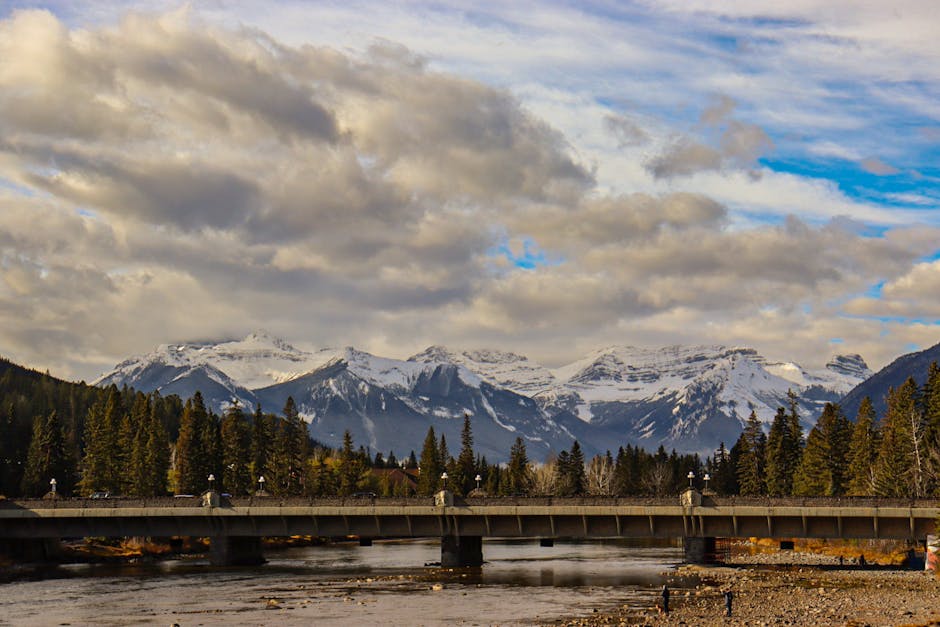
A woman holding the Canadian flag with mountains in Banff, Alberta, Canada., Torngat Mountains, Canada
- Historic Architecture: The Torngat Mountains Base Camp and Research Station, a seasonal hub of modern pods and traditional tents, is a feat of engineering in one of the planet’s most remote locations, operating entirely off-grid.
- Cultural Scene: The living tradition of Inuit storytelling and throat singing, shared by Inuit Bear Guards and elders, connects you directly to a 4,000-year-old heritage tied to these mountains and fjords.
- Local Specialties: Freshly caught Arctic char, grilled over an open fire on the shores of Saglek Fjord, offers a taste of the land and sea that is impossibly pure and direct.
Pro Tip: Your only realistic window to visit is from late July to early September. This is when the pack ice recedes enough for supply ships and expedition boats to access the coast, the 24-hour daylight is at its peak, and the Base Camp is operational. Book your entire trip—flights, charter, and camp—a full year in advance.
Map of Torngat Mountains, Canada
Use these interactive maps to explore Torngat Mountains, Canada and plan your route:
📍 View Torngat Mountains, Canada on OpenStreetMap
🗺️ Open Torngat Mountains, Canada in Google Maps
Planning Your Trip: Practical Essentials
Getting There and Around
- By Air: You must fly to Goose Bay, Newfoundland (YYR) via Air Canada or PAL Airlines. From there, a mandatory charter flight with Air Borealis or Provincial Airlines to the Torngat Mountains Base Camp airstrip near Saglek Fjord is required (approx. 2 hours, ~$2,500 CAD round-trip). Book flights at Skyscanner for best deals to Goose Bay.
- By Train: No train service exists this far north. All access is by air and then by boat within the park.
- By Car: The Trans-Labrador Highway ends hundreds of kilometers south. Driving to the park is impossible; the final approach is only by air or expedition sea vessel. Compare car rentals at RentalCars.com for exploring Labrador’s southern regions pre-trip.
- Local Transport: Within the park, transport is by guided Zodiac boat, hiking, or helicopter transfers (extra cost). The Base Camp operates on a hub-and-spoke model for daily excursions.
Best Time to Visit
The operational season is incredibly short, dictated by ice and weather. The prime time offers near-constant daylight, active wildlife, and access to the interior mountains.
| Season | Weather | Highlights |
|---|---|---|
| Summer (Late Jul–Early Sep) | 0°C to 15°C (32°F to 59°F). Highly variable: sun, fog, wind, and rain possible all in one day. | Base Camp is open. Peak accessibility for hiking, boating, and cultural programs. Best for seeing polar bears, caribou, and whales. No night, just endless “Arctic daylight.” |
| Winter (Oct–Jun) | -20°C to -40°C (-4°F to -40°F). Extreme cold, perpetual darkness or twilight, and sea ice. | The park is inaccessible to tourists. Only Inuit hunters and extreme researchers venture here. A season of profound silence and stark beauty for the very few. |
| Shoulder (N/A) | N/A | There is no true shoulder season. The park is either open for its brief summer or closed due to impenetrable ice. |
Budgeting for Torngat Mountains, Canada

Car on scenic road with view of Castle Mountain in Banff National Park, Canada., Torngat Mountains, Canada
| Category | Budget | Mid-range | Luxury |
|---|---|---|---|
| Accommodation | Not applicable; all-inclusive packages only. | ~$5,000 – $8,000 CAD for a 5-7 night all-inclusive Base Camp package. | ~$10,000+ CAD for extended stays, private guides, or helicopter-supported expeditions. |
| Meals | All meals are included in Base Camp packages. | All meals included, often featuring local game and fish. | All meals included, with potential for custom culinary experiences. |
| Transport | Charter flight from Goose Bay (~$2,500 CAD). | Charter flight + all in-park Zodiac transport. | Charter flight + private boat or helicopter charters. |
| Activities | Guided hikes and base activities included. | Included guided daily excursions (hiking, boating, cultural sessions). | Private guiding, specialized photography tours, extensive heli-hiking. |
| Daily Total | N/A (Package only) | ~$1,000 – $1,500 CAD/day (all-inclusive) | $2,000+ CAD/day |
Top Attractions and Must-See Sights
| Attraction | Description | Hours | Entry Fee |
|---|---|---|---|
| Mount Caubvick (D’Iberville) | Summit the highest peak in mainland Canada east of the Rockies at 1,652m, straddling the Labrador-Quebec border. | Accessible on guided multi-day climbs in good weather only. | Part of guided expedition packages ($8,000+). |
| Saglek Fjord | A breathtaking 40km-long fjord with 1,000m cliffs, ideal for Zodiac tours to see seals, whales, and archaeological sites. | Daylight hours; excursions depart from Base Camp. | Included in Base Camp packages. |
| Rose Island (Utshimassits) | The site of the former Moravian mission and the relocated Inuit community of Hebron, a place of profound historical reflection. | Daylight hours; visit by guided boat tour. | Included in Base Camp packages. |
| Nachvak Fjord | A deeper, more remote fjord than Saglek, offering spectacular hiking valleys and a higher chance of spotting polar bears. | Daylight hours; longer boat journey from Base Camp. | Included or optional extra in packages. |
3-Day Itinerary: Torngat Mountains, Canada’s Highlights & Hidden Gems
Day 1: Arrival & Immersion in Saglek Fjord
- Morning: Charter flight from Goose Bay at 7 AM, arriving at the Base Camp airstrip by 9 AM. Your first glimpse from the air of the jagged peaks and deep-blue fjords is unforgettable.
- Afternoon: Orientation and safety briefing, followed by a 1 PM Zodiac tour into Saglek Fjord. Keep an eye out for harp seals on ice floes. Lunch is back at camp—often a hearty soup and sandwiches.
- Evening: Welcome dinner at the Base Camp dining tent featuring Arctic char. Afterward, join an evening gathering with Inuit elders for an introductory storytelling session under the midnight sun.
Day 2: Hiking & Cultural Connection
- Morning: Guided hike up the North Arm of Saglek Fjord (8 AM departure). This 4-5 hour, moderate hike offers panoramic views and visits to ancient tent rings and food caches. Your Inuit guide shares the land’s stories.
- Afternoon: Return to Base Camp for a late lunch. Then, participate in a hands-on workshop—perhaps learning about traditional tools or trying your hand at Inuktitut syllables.
- Evening: A special “country food” dinner may include caribou or seal. Later, if weather permits, a short evening Zodiac cruise offers serene, golden-hour light on the still fjord waters.
Day 3: History & Deeper Wilderness
- Morning: Full-day boat excursion (9 AM departure, pack a lunch) to Rose Island. Walk among the restored buildings of the Hebron Mission, a poignant site of Inuit relocation in 1959, accompanied by an elder sharing personal histories.
- Afternoon: Continue the boat journey, exploring sea caves and looking for whales. Your guide will find a sheltered cove for a shore lunch—grilled char over an open fire.
- Evening: Farewell dinner at Base Camp. Savvy visitors know to spend their final “night” awake past midnight, hiking the small hill behind camp for a last, silent view of the sun grazing the horizon before it begins to climb again.
Cultural Insights & Etiquette
- Language: The local language is Inuktitut. English is spoken at Base Camp. Learn a greeting: “Atii” (Ah-tee) means “let’s go” or “come on.”
- Customs: Listen first, speak second. Inuit culture values humility and deep knowledge of the land. Always follow the lead of your Inuit Bear Guard or guide. Ask permission before photographing people.
- Tipping: Tipping is not a traditional Inuit custom, but it is appreciated by the seasonal staff at Base Camp. A collective tip of $100-$150 CAD per guest for the staff fund at the end of your stay is a generous gesture.
- Dress Code: Practical, warm, layered outdoor gear only. There are no formal occasions. Waterproof hiking boots, rain pants, and a warm mid-layer are non-negotiable.
- Business Hours: The Base Camp runs on “Arctic time,” loosely structured around meal times and weather windows for excursions. Flexibility is the only constant.
Where to Eat: Torngat Mountains, Canada’s Best Bites
Dining here is part of the adventure. All meals are communal events in the dining tent, prepared by talented chefs working with limited but incredibly fresh supplies. The focus is on hearty, energy-giving food, often featuring local ingredients.
Must-Try Local Specialties
- Arctic Char: This pink-fleshed, salmon-like fish is a staple, served grilled, smoked, or in chowder. Its fresh, clean taste is a direct result of the pristine icy waters.
- Bannock: A simple, dense bread fried over a fire, often enjoyed with stew or jam. It’s a survival food that has become a beloved tradition.
- Country Food: This refers to traditional Inuit foods like caribou, seal, and wild berries. If offered a small taste, it’s a sign of respect and sharing—approach it with an open mind.
Restaurant Recommendations by Budget
| Type | Restaurant | Specialty | Price Range |
|---|---|---|---|
| Budget | Base Camp Dining Tent | Daily rotating menu featuring char, stews, and fresh-baked goods. | Included in package. |
| Mid-range | Shore Lunch on the Fjord | Freshly caught char grilled over an open fire, prepared by your guide. | Included in package excursions. |
| Fine dining | Private Fjord-Side Dinner | A special arranged meal at a scenic location (must be pre-arranged). | $150+ CAD per person extra. |
Where to Stay
Your choice is simple but spectacular: the Torngat Mountains Base Camp. This seasonal, fly-in camp is your only hub for exploration. It features heated sleeping pods, shared washroom facilities, a dining tent, and common areas. It’s comfortable, eco-conscious, and perfectly positioned. Compare prices and book packages at Booking.com for hotels in Goose Bay or Airbnb for apartments before your charter flight.
Best Neighborhoods for Accommodation
- Torngat Mountains Base Camp: The only option within the park. It suits all visitors seeking guided access. Pros: All-inclusive, incredible location, cultural access. Cons: Shared facilities, very remote, weather-dependent.
- Goose Bay, NL: Your mandatory pre- and post-trip stopover. Stay near the airport for convenience. It’s a functional town with hotels and supplies, perfect for acclimating to the North.
- Expedition Vessel: For the ultra-luxury or extended explorer, a handful of operators run week-long liveaboard boat trips along the coast, with cabins and meals on board.

Stunning landscape of snow-capped mountains and turquoise lake in Jasper Na…, Torngat Mountains, Canada
FAQs: Your Torngat Mountains, Canada Questions Answered
1. Is Torngat Mountains, Canada safe at night?
Safety is paramount. You are in polar bear country. At Base Camp, you are accompanied by armed Inuit Bear Guards whenever you are outside the immediate camp perimeter, day or night. There is no wandering off alone. Inside the secure camp area, you are safe. The “night” is also bright with midnight sun during the season.
2. What currency is used and are credit cards accepted?
The Canadian Dollar (CAD) is used. At the remote Base Camp, there is nothing to purchase—everything is included. However, for the charter flight balance, tips, or any purchases in Goose Bay, credit cards (Visa/Mastercard) are widely accepted. It’s wise to carry some cash for tips at camp.
3. How do I get from the airport to the city center?
In Goose Bay, taxis are available from the airport to hotels (approx. $15-$20 CAD). For the critical leg to Torngat, your tour operator will coordinate your charter flight from Goose Bay Airport directly to the Base Camp airstrip. This is not a public flight; it’s part of your package. Book airport transfers at GetYourGuide for convenience in other destinations, but not for this specific remote transfer.
4. Do I need to speak the local language?
No. English is spoken by all Base Camp staff and guides. However, learning a few words of Inuktitut (like “nakurmiik” for thank you) is a wonderful way to show respect and connect with Inuit elders and Bear Guards.
5. What’s the appropriate dress code?
Forget fashion; think function. You need a full suite of technical outdoor clothing: waterproof hiking boots, rain jacket and pants, insulating layers (fleece, down), thermal base layers, gloves, and a warm hat. The weather can change from sunny to freezing rain in minutes. Dressing in layers is the golden rule.
Final Thoughts: Torngat Mountains, Canada Awa
Related Guides
Explore more destinations similar to Torngat Mountains:
- Fatick, Senegal’s Stunning Salt, Sine & Serenity (2026)
- Suceava, Romania’s Hidden Fortresses, Frescoes & Bucovina’s Heart (2026)
- Musandam’s Dibba, Oman’s Essential Fjords, Forts & Underwater Wonders (2025)
- Oslo’s Best Fjords, Modern Art & Nordic Cuisine (2025)
{“@context”: “https://schema.org”, “@type”: “FAQPage”, “mainEntity”: [{“@type”: “Question”, “name”: “What is the best time to visit Torngat Mountains?”, “acceptedAnswer”: {“@type”: “Answer”, “text”: “The best time to visit Torngat Mountains depends on your preferences. Generally, the dry season offers the most pleasant weather for sightseeing and outdoor activities.”}}, {“@type”: “Question”, “name”: “How many days do I need in Torngat Mountains?”, “acceptedAnswer”: {“@type”: “Answer”, “text”: “Most travelers spend 3-5 days in Torngat Mountains to see the main attractions. A week allows for a more relaxed pace and day trips.”}}, {“@type”: “Question”, “name”: “Is Torngat Mountains expensive to visit?”, “acceptedAnswer”: {“@type”: “Answer”, “text”: “Torngat Mountains can be visited on various budgets. Accommodation ranges from hostels to luxury hotels, and local restaurants offer affordable dining.”}}]}

