
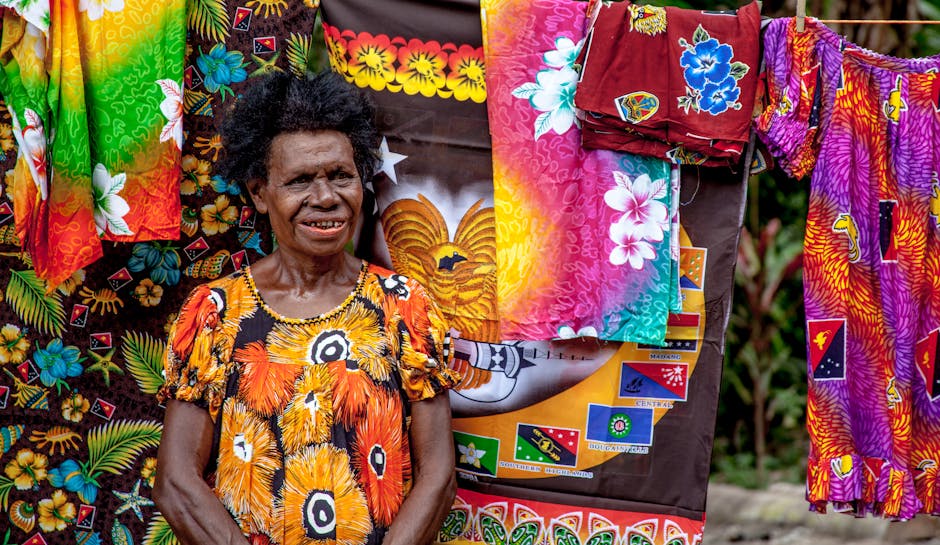
Wapenamanda, Papua New Guinea: Hidden Highlands Culture, Birdwatching & Untamed Landscapes (2026)
Ask locals about the Enga Province, and they’ll tell you the true cultural heart beats not just in Wabag, but in the surrounding valleys and villages where Wapenamanda serves as a vital gateway. Most guidebooks miss this completely, focusing on more accessible regions. Yet here, for around 80 PGK (about $22 USD) a day, you can experience authentic sing-sing performances, trek to remote waterfalls, and stay in a local guesthouse, a fraction of the cost of packaged tours elsewhere in the country. This is Papua New Guinea at its most raw and rewarding.
Why Wapenamanda, Papua New Guinea Stands Out

Colorful festival parade featuring participants in traditional attire and h…, Wapenamanda, Papua New Guinea
- Historic Architecture: The Wapenamanda airstrip, built during WWII in 1943, is a living relic of the region’s strategic role in the Pacific campaign, still serving as the lifeline for the community.
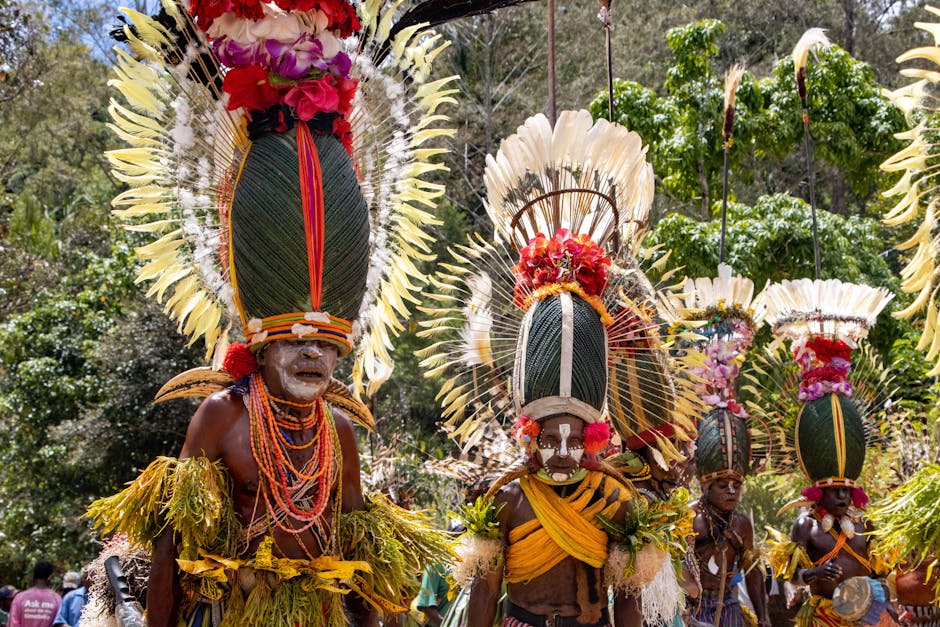
- Cultural Scene: The Enga Cultural Show, held biennially, is one of PNG’s most significant gatherings, where over 50 tribes from the province converge in a spectacular display of music, dance, and elaborate bilas (body decoration).
- Local Specialties: You must try mumu, a feast of pork, sweet potato, and greens slow-cooked in an underground oven with hot stones—the ultimate communal Highland meal.
Pro Tip: Plan your visit for the dry season months of May to October. Not only are the rugged roads more passable, but this period also aligns with major cultural shows. For the most authentic experience, coordinate with a local guide from Wapenamanda at least 2-3 months in advance to arrange village stays and secure invitations to smaller, private sing-sings.
Map of Wapenamanda, Papua New Guinea
Use these interactive maps to explore Wapenamanda, Papua New Guinea and plan your route:
📍 View Wapenamanda, Papua New Guinea on OpenStreetMap
🗺️ Open Wapenamanda, Papua New Guinea in Google Maps
Planning Your Trip: Practical Essentials
Getting There and Around
- By Air: Wapenamanda Airport (WBM) is served by Air Niugini and PNG Air with daily flights from Port Moresby (POM) and Mount Hagen (HGU). The flight from Hagen is a breathtaking 25-minute hop over the mountains. Book flights at Skyscanner for best deals.
- By Train: Papua New Guinea has no passenger rail system. All long-distance travel is by air or road.
- By Car: The Highlands Highway connects to Wapenamanda, but the drive from Mount Hagen (approx. 2-3 hours) is rugged and conditions are highly variable. A 4WD is essential. Self-driving is not recommended for first-time visitors due to road conditions and navigation challenges. Compare car rentals at RentalCars.com for options in Mount Hagen if you are an experienced driver.
- Local Transport: Public PMVs (Public Motor Vehicles) are crowded minibuses that run between towns. For exploration, your best bet is to hire a local vehicle with a driver/guide through your guesthouse or a tour operator, costing roughly 200-400 PGK per day.
Best Time to Visit
The climate in the Enga Highlands is tropical but moderated by altitude. The key distinction is between the wet and dry seasons, which dramatically affect accessibility and activities.
| Season | Weather | Highlights |
|---|---|---|
| Dry Season (May–Oct) | Sunny days, cool nights (15°C-25°C), low rainfall. | Optimal for trekking, road travel, and major cultural shows. Peak tourist season. |
| Wet Season (Nov–Apr) | Heavy daily rain, cooler temps, high humidity. Landslides can occur. | Lush, vibrant scenery and fewer visitors. Many roads become impassable, and flights may be disrupted. |
| Shoulder (Apr/Oct–Nov) | Transitional weather; periods of sun and rain. | A good balance with decent travel conditions and the chance to see preparations for or wind-down from festivals. |
Budgeting for Wapenamanda, Papua New Guinea
Colorful tribal dancers in traditional attire at a cultural festival in Pap…, Wapenamanda, Papua New Guinea
| Category | Budget | Mid-range | Luxury |
|---|---|---|---|
| Accommodation | 80-150 PGK (guesthouse) | 200-400 PGK (local lodge) | 500+ PGK (full-service tour package) |
| Meals | 15-30 PGK (market/mumus) | 40-70 PGK (lodge restaurant) | 100+ PGK (catered expedition dining) |
| Transport | 10-20 PGK (PMV rides) | 200-400 PGK/day (private 4WD & driver) | Custom charter flights/vehicles |
| Activities | Free (village walks) | 50-150 PGK (guide fees, show entry) | 500+ PGK (specialized guided treks) |
| Daily Total | 100-200 PGK | 350-800 PGK | 1,200+ PGK |
Top Attractions and Must-See Sights
| Attraction | Description | Hours | Entry Fee |
|---|---|---|---|
| Enga Take Anda (Cultural Centre) | A modern museum in Wabag showcasing Enga history, traditional artifacts, and contemporary art. | Mon-Fri 9am-4pm | 20 PGK |
| Laiagam Valley Trek | A guided day-trek through stunning valleys, coffee gardens, and traditional villages east of Wapenamanda. | Daylight hours | 100-200 PGK (incl. guide) |
| Wapenamanda Market | The bustling central market for local produce, bilum bags, and observing daily Highlander life. | Daily from 6am-2pm | Free |
| Birdwatching at Lake Ialibu | A high-altitude lake area (accessible via guided trip) known for birdlife, including endemic species. | Early morning best | Guide fee applies |
3-Day Itinerary: Wapenamanda, Papua New Guinea’s Highlights & Hidden Gems
Day 1: Arrival & Immersion in Highland Life
- Morning (7-9 AM): After your early flight into Wapenamanda airstrip, settle into your guesthouse. Then, head straight to the Wapenamanda Market. The morning is the most vibrant time to see fresh produce like kaukau (sweet potato) and brilliant bilum bags for sale. Your best bet is to go with a local guide who can facilitate introductions.
- Afternoon (12-3 PM): Take a guided tour to a nearby village, such as Sakarin. Witness traditional housing styles and, if arranged, a demonstration of fire-making or bilum weaving. For lunch, enjoy a simple packed meal or return to your lodge for a serving of chicken and rice.
- Evening (6-8 PM): Share a mumu feast at your guesthouse or a pre-arranged village home. This is the perfect opportunity to learn about the intricate social structures of Enga society from your hosts in a relaxed setting.
Day 2: Culture & Scenic Exploration
- Morning (7 AM): Depart early by 4WD for the town of Wabag (about 45 mins). Visit the Enga Take Anda Cultural Centre (20 PGK entry) to gain crucial context on the region’s history and art before seeing it firsthand.
- Afternoon (12-3 PM): Enjoy lunch at a local Wabag eatery like Timsgate Lodge, known for its steak and burgers. Then, embark on a scenic drive into the Laiagam Valley. Stop for short walks, photos of the dramatic landscapes, and visits to coffee gardens where you can see the bean-to-cup process.
- Evening (6 PM): Return to Wapenamanda. If it’s a weekend, ask your guide about any local sing-sing practices or church choir gatherings—both are integral to community life and offer incredible, spontaneous cultural insights.
Day 3: Trekking & Farewell
- Morning (7 AM): With a packed lunch, set out on a guided half-day trek (approx. 100 PGK guide fee). A recommended route is towards the Pausa area, traversing rolling hills, crossing streams on log bridges, and visiting a school or community project to see grassroots development in action.
- Afternoon (12-2 PM): Enjoy your picnic lunch by a stream. This is prime birdwatching territory, so keep an eye out for flashes of color from parrots and other highland birds.
- Evening (4 PM): Return to your accommodation. For your final evening, savor a celebratory dinner. If you’ve built rapport with a guide or host, this is the time to exchange small gifts—a bilum from you, perhaps a carved token from them—honoring the deep-seated Highlander tradition of reciprocity.
Cultural Insights & Etiquette
- Language: Tok Pisin is the lingua franca. English is spoken by officials and in tourism. Key phrases: Tenkyu (Thank you), Apinun (Good afternoon), Mi laik baim dispela (I would like to buy this).
- Customs: Always ask permission before taking photos of people. The concept of save (relationship/understanding) is key; building a connection through a guide is more respectful than approaching strangers directly. Avoid public displays of affection.
- Tipping: Not a traditional practice, but a small gift or extra payment for exceptional guide service is appreciated. It’s best framed as a “thank you” gift.
- Dress Code: Modesty is important. Women should wear skirts or dresses below the knee; men should avoid shorts in villages. A lightweight rain jacket is essential year-round.
- Business Hours: Government offices: 8am-4pm Mon-Fri. Markets operate from dawn until early afternoon. Sunday is a day of rest and church; almost everything is closed.
Where to Eat: Wapenamanda, Papua New Guinea’s Best Bites
Dining here is less about restaurants and more about experiential eating. You’ll typically eat at your guesthouse or lodge, which prepares hearty, simple meals. The real culinary adventures come from pre-arranged village feasts and market finds.
Must-Try Local Specialties
- Mumu: The iconic Highland banquet. Pork, sweet potato, greens, and sometimes rice, cooked for hours in a pit oven. The best versions are at village feasts arranged by your guide.
- Kaukau (Sweet Potato): The Highland staple, often roasted over an open fire. You’ll find it at every market and meal.
- Highlands Coffee: Some of the world’s finest organic Arabica is grown here. Try a fresh-brewed cup at a local plantation or lodge.
Restaurant Recommendations by Budget
| Type | Restaurant | Specialty | Price Range |
|---|---|---|---|
| Budget | Wapenamanda Market Stalls | Roasted kaukau, fried dough balls, fresh fruit. | 5-15 PGK |
| Mid-range | Your Guesthouse/Lodge Kitchen | Set meals of rice, chicken/beef, and local vegetables. | 30-50 PGK per meal |
| Fine dining | Timsgate Lodge (Wabag) | The closest to a restaurant experience; serves grilled meats and standard Western/PNG dishes. | 50-80 PGK for a main |
Where to Stay
Accommodation is basic but functional. The focus is on community-based guesthouses and a few local lodges, which provide security, meals, and vital guide connections. Book well in advance, often via direct email or phone, as online portals are limited. Compare prices and book at Booking.com for some options, or Airbnb for apartments (very rare in this region).
Best Neighborhoods for Accommodation
- Central Wapenamanda (near airstrip): Most convenient for arrivals/departures and accessing the market. Offers a couple of guesthouses like Wapenamanda Guesthouse. Perfect for short stays and easy logistics.
- Outskirts/Village Stays: Arranged through tour operators. Offers deep cultural immersion, tranquility, and stunning views. Suits adventurous travelers seeking authentic interaction. Amenities are very basic (shared facilities).
- Wabag Town: The provincial capital, about 45 minutes away. Has slightly more formal lodging like Timsgate Lodge. A good base for exploring the cultural centre and as an alternative if Wapenamanda is full.

Portrait of a Papua tribesman wearing traditional costume under clear blue sky., Wapenamanda, Papua New Guinea
FAQs: Your Wapenamanda, Papua New Guinea Questions Answered
1. Is Wapenamanda, Papua New Guinea safe at night?
Safety requires situational awareness. Violent crime against tourists is rare, but petty theft can occur. Avoid walking alone at night. Stay within your guesthouse compound after dark and always follow the advice of your local guide. Travelers who move with respect and local knowledge generally have very safe experiences.
2. What currency is used and are credit cards accepted?
The Papua New Guinea Kina (PGK) is the currency. Carry ample cash in small denominations, as ATMs are unreliable outside Mount Hagen or Wabag, and credit cards are virtually never accepted in Wapenamanda. Guesthouses and guides expect cash payment.
3. How do I get from the airport to the city center?
Wapenamanda airstrip is essentially in the “town center.” Your pre-arranged guesthouse or guide will meet you at the airport fence—this is standard and crucial. There are no official taxis. Walking to accommodation is possible if you have very light luggage and know exactly where you’re going. For peace of mind, book airport transfers at GetYourGuide for convenience, but confirm local operator details as services are limited.
4. Do I need to speak the local language?
No, but it helps immensely. English is understood in tourism contexts, but learning a few Tok Pisin phrases will delight locals and open doors
Related Guides
Explore more destinations similar to Wapenamanda:

