
Discover essential Salento (Colombia) travel tips. Practical advice for exploring the coffee region. Plan your perfect trip with our expert guide.
Introduction
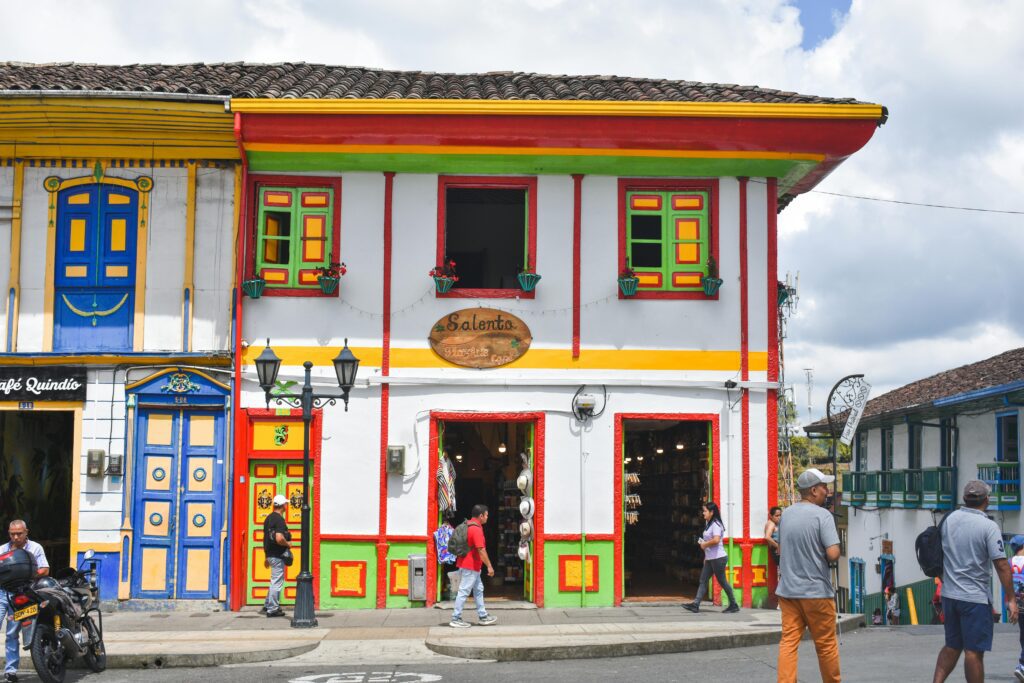
Stepping off the bus into Salento’s crisp mountain air, I was immediately enveloped in a kaleidoscope of color—vibrant colonial balconies draped in bougainvillea, the earthy aroma of freshly roasted coffee, and the distant hum of Willys Jeeps rumbling through cobblestone streets. Nestled in Colombia’s Coffee Triangle, Salento is more than a destination; it’s a sensory immersion into Andean culture, where wax palms pierce misty valleys and baristas brew some of the world’s finest Arabica.

Founded in 1842, Salento balances heritage with adventure. This guide delivers practical planning advice, a 3-day itinerary, and local secrets to help you experience Salento like a pro.
Why Visit Salento?
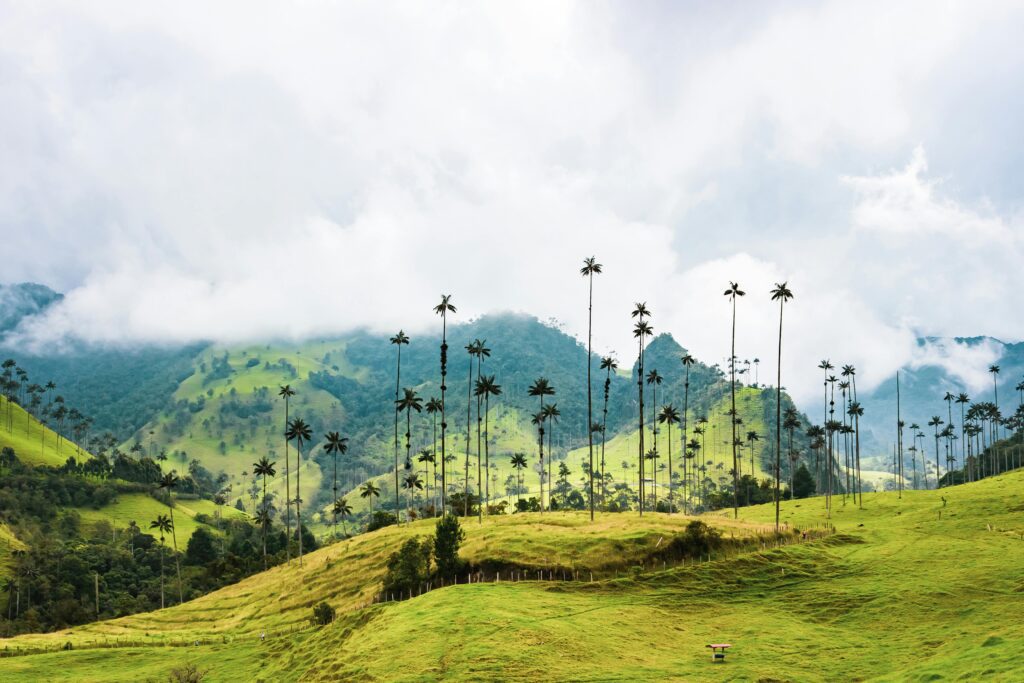
- Cocora Valley: Hike among 60-meter wax palms, Colombia’s national tree, in a surreal landscape that feels like a scene from Jurassic Park.
- Coffee Farms: Tour family-run fincas (like El Ocaso or Buenos Aires) to sip single-origin brews while learning about sustainable farming.
- Quindío Culture: Savor trucha (rainbow trout) at Brunch de Salento, browse guadua bamboo crafts on Calle Real, and dance to vallenato music in the plaza.
- Adventure Activities: From horseback riding to waterfall rappelling, Salento thrills outdoor enthusiasts.
Best Time to Visit: December–March (dry season) or July–August (cooler temps). Avoid April–May (heavy rains), when trails turn to mud and fog obscures Cocora’s vistas.
Planning Your Trip
Getting There
- By Air: Fly into Pereira (PEI) or Armenia (AXM), then take a bus (1–1.5 hours, ~$2 USD). Flights from Bogotá cost ~$50–80 USD.
- By Bus: Direct routes from Bogotá (8 hours, ~$20 USD via Bolivariano) or Medellín (6 hours, ~$15 USD via Flota Occidental). Buses are comfortable but pack snacks—stops are limited.
Pro Tip: Book a private transfer (~$30 USD) for scenic detours to Filandia’s mirador or Santa Rosa de Cabal’s thermal springs.
Packing Essentials
- Clothing: Light layers (mornings are chilly, afternoons warm), waterproof jacket, and sturdy hiking boots for Cocora’s muddy trails.
- Gear: Reusable water bottle (fill up at tiendas), daypack, and a Colombian SIM card (Claro/Movistar for better rural coverage).
- Extras: Cash (many places don’t accept cards), sunscreen (UV is intense at 1,895m altitude), and a portable charger (power outages happen).
3-Day Salento Itinerary
Day 1: Coffee & Culture
Morning:
– Coffee Tour at Finca El Ocaso (9 AM, $10 USD): A 2-hour deep dive into organic farming. Taste caturra and castillo varietals while toucans flutter overhead.
– Brunch at Café Jesús Martín: Try arepas de choclo (sweet corn cakes) with hogao sauce and a tinto (black coffee). The café’s garden is a hummingbird haven.
Afternoon:
– Explore Calle Real: Photograph rainbow-painted facades and shop for handwoven mochilas (Wayuu bags) or guadua crafts. Pop into Artesanías El Bambú for souvenirs.
– Visit Mirador Alto de la Cruz: Climb 250 steps past Stations of the Cross for 360° views of the Quindío mountains. Time it for golden hour!

Evening:
– Dinner at Brunch de Salento: Order trucha al ajillo (garlic trout) with patacones (fried plantains). The cozy, candlelit patio is perfect for people-watching.
Day 2: Cocora Valley Adventure
Morning:
– Hike Cocora Valley (5 AM start): The 12km loop (5 hours, $3 USD entry) begins at Acaima, winding through cloud forest to the Finca La Montaña hummingbird sanctuary. The wax palms emerge like sentinels in the mist—bring a rain poncho!
Afternoon:
– Lunch at Donde Juan B: Warm up with ajiaco (creamy chicken-potato soup) or bandeja paisa (hearty platter with beans, rice, and chorizo).
– Horseback Riding ($25 USD): Local guides lead 3-hour rides to Cascada Santa Rita, a hidden waterfall. No experience needed—just grip the saddle tight!
Evening:
– Craft Beer at Cervecería Trementina: Sample guayaba (guava) ale or café stout brewed with local beans. The rooftop has fire pits and mountain views.
Day 3: Off-the-Beaten-Path
Morning:
– Visit Filandia: A quieter pueblo 30 minutes away. Stroll Calle del Tiempo Detenido (“Street of Stopped Time”), lined with artisan workshops. Don’t miss Helena Adentro for gourmet Colombian fusion.
Afternoon:
– Coffee Tasting at Finca Buenos Aires: Sip rare Gesha varietals ($15 USD) on a terrace overlooking coffee terraces. The owner’s stories about “liquid gold” are captivating.
Evening:
– Sunset at Mirador de Salento: Toast with canelazo (cinnamon-laced rum) as the valley glows pink. Locals gather here for impromptu guitar sessions.
Local Tips & Safety
Cultural Etiquette
- Greetings: A handshake or single cheek kiss is standard. Say “buenos días/tardes” to shopkeepers.
- Tipping: 10% in restaurants; round up taxi fares. For guides, $2–5 USD is appreciated.
- Coffee Culture: Never refuse a tinto (small black coffee)—it’s a gesture of hospitality.
Safety Advice
- Avoid: Walking alone at night in Cocora Valley (trails aren’t lit). Stick to groups for hikes.
- Emergency Contacts: Police (123), Hospital Universitario del Quindío (+57 6 745 5555 in Armenia).
Pro Tip: Use ATMs inside banks (like Bancolombia) to avoid skimming scams.
Budget Breakdown
| Category | Cost (USD) | Notes |
|---|---|---|
| Hostel (dorm) | $7–15/night | The Plantation House has a social vibe. |
| Mid-range hotel | $30–50/night | Hotel Kawa Mountain Retreat offers private balconies. |
| Meals (local) | $3–8 | Menú del día (set lunch) is a steal at $3. |
| Coffee tour | $10–20 | El Ocaso ($10) vs. premium tastings ($20). |
| Willy’s Jeep ride | $2 | Departs from Plaza de Bolívar. |
Total for 3 days: ~$150–200 USD (budget traveler). Add $50/day for luxury stays or private tours.
FAQs
1. Is Salento safe for solo travelers?
Yes! Violent crime is rare, but petty theft happens. Keep valuables hidden and avoid deserted areas at night. Solo female travelers report feeling safe—just use common sense.
2. How do I get to Cocora Valley?
Willy’s Jeeps leave Salento’s plaza (~$2 USD, 20 minutes) from 6 AM–4 PM. Share a ride with 6–8 others. Private taxis cost ~$15 USD.
3. Can I drink tap water?
Yes—Salento’s water is safe, but bottled is preferred for sensitive stomachs. Many hostels have filters.
4. What’s the best coffee farm to visit?
- El Ocaso: Best for beginners (interactive tours).
- Buenos Aires: For connoisseurs (rare Gesha tastings).
- Finca Las Brisas: Off-the-radar, family-run gem.
5. Are credit cards accepted?
Most places are cash-only. ATMs in town often run out of cash—withdraw in Armenia/Pereira.
Conclusion
Salento is Colombia’s hidden gem—a place where coffee-fueled sunrises, emerald valleys, and warm paisa hospitality collide. Whether you’re sipping tinto at a finca or hiking among giants in Cocora, every moment here feels like a postcard come to life.
SEO Keywords:
– Primary: “Best Salento (Colombia) travel guide”
– Secondary: “3-day Salento itinerary,” “Salento backpacking tips”
– Location: “Cocora Valley hike,” “Salento coffee tours,” “Filandia day trip”
Keywords:
“Salento Colombia travel” “best time to visit Salento Colombia” “what to do in Salento Colombia” “Salento Colombia attractions” “Salento Colombia coffee tour”
Explore More Destinations
- Jozani, Tanzania on a Budget: an Ancient Forest for $35/Day (2026)
- Nsumbu, Zambia on a Budget: Wild Africa for $40/Day (2026)
- Semporna, Malaysia on a Budget: Paradise for $35/Day (2026)
- Khuzestan, Iran on a Budget: Ancient Empires for $30/Day (2026)
- Ngerulmud, Palau on a Budget: Island Majesty for $45/Day (2026)
Ready to Visit How to Discover Salento’s (colombia) Most Stunning Hidden Gems?
Start planning your trip today. Compare hotels, find the best tours, and get insider tips.
Your adventure in How to Discover Salento’s (colombia) Most Stunning Hidden Gems starts here →
Related Guides
Explore more destinations similar to How to Discover Salento’s (colombia) Most Stunning Hidden Gems:

