
Isla del Coco National Park, Costa Rica’s Best Sharks, Seclusion & Pirate Lore (2026)
While crowds flock to Costa Rica’s mainland beaches, a 36-hour boat journey into the Pacific delivers you to a world apart. Isla del Coco National Park, a UNESCO World Heritage site 340 miles offshore, is where the ocean’s drama unfolds on a cinematic scale. Here, you’ll find the highest density of sharks on the planet—hammerheads by the hundreds, gliding through cobalt waters. This isn’t a beach holiday; it’s a raw, immersive plunge into a living, breathing marine wilderness that sees fewer than 2,000 visitors a year, each arriving by liveaboard dive vessel for a true expedition.
Why Isla del Coco National Park, Costa Rica Stands Out

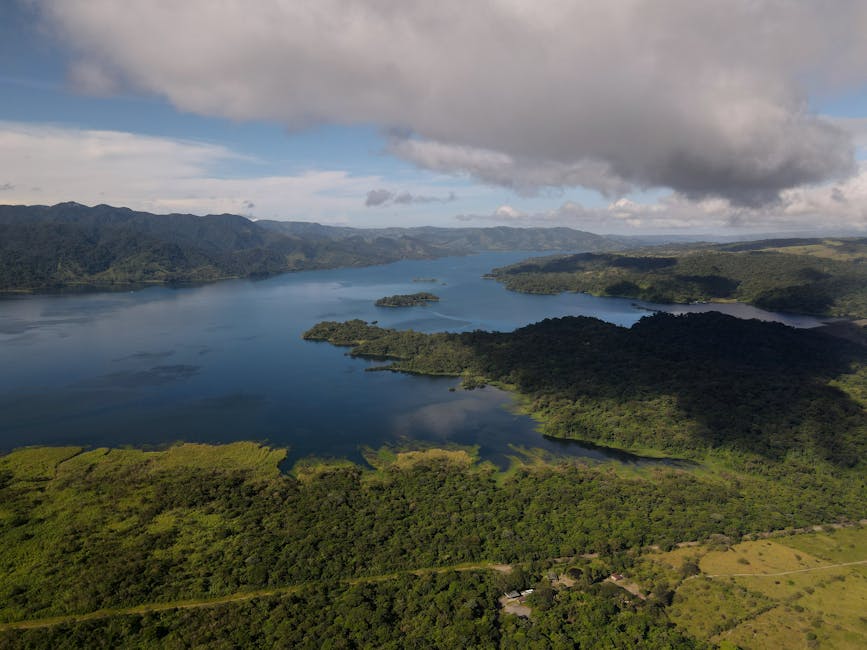
Stunning aerial shot of the lush coastline and turquoise waters of Manuel A…, Isla del Coco National Park, Costa Rica
- Historic Architecture: The 19th-century lighthouse at Wafer Bay, built in 1897, stands as a solitary sentinel, a testament to the island’s long history as a navigational landmark and pirate refuge.
- Cultural Scene: The only “cultural event” is the nightly ritual aboard your liveaboard, where divers from around the world share stories of the day’s sightings over the hum of the ship’s generator.
- Local Specialties: Fresh ceviche, prepared by your boat’s crew with fish caught en route, is the celebratory dish after a successful dive with schooling hammerheads.
Pro Tip: The absolute best time to visit is during the “dry” window from December to May or August to September, when seas are calmer and underwater visibility can exceed 30 meters (100 feet). Book your liveaboard spot a full year in advance, as spaces are extremely limited and coveted by the global diving community.
Map of Isla del Coco National Park, Costa Rica
Use these interactive maps to explore Isla del Coco National Park, Costa Rica and plan your route:
📍 View Isla del Coco National Park, Costa Rica on OpenStreetMap
🗺️ Open Isla del Coco National Park, Costa Rica in Google Maps
Planning Your Trip: Practical Essentials
Getting There and Around
- By Air: There is no airport. All access is by sea. You must fly into San José, Costa Rica (SJO). From the port of Puntarenas, a 36-hour journey on a licensed liveaboard dive boat is the only way. Book flights at Skyscanner for best deals.
- By Train: Not applicable. After your flight, you’ll take a 1.5-hour road transfer from San José to Puntarenas to board your vessel.
- By Car: You can rent a car to drive from San José to Puntarenas, but parking for a 10+ day trip is a consideration. Most liveaboard packages include this transfer. Compare car rentals at RentalCars.com if exploring mainland Costa Rica first.
- Local Transport: Your feet and your dive boat’s tender (small support boat). Once on the island, you explore designated trails on foot; all diving is accessed via tender from your mothership.
Best Time to Visit
Timing is dictated by ocean conditions and marine life behavior, not traditional seasons. The goal is to balance calmer seas with optimal underwater visibility and shark activity.
| Season | Weather | Highlights |
|---|---|---|
| Dry Season (Dec–May) | Calmest seas, highest surface sun, water temps 26-29°C (79-84°F). | Best for overall comfort and visibility; peak season for liveaboards, so book far ahead. |
| Rainy Season (Jun–Nov) | More rain, potentially rougher seas, water temps 28-30°C (82-86°F). | Excellent plankton blooms attract massive whale sharks (especially Sep-Nov); fewer boats but more challenging conditions. |
| Shoulder (Aug–Sep) | A transitional period with variable conditions, often a mix of dry and rainy traits. | A potential sweet spot with a chance of whale sharks and decent visibility; a less predictable but rewarding gamble. |
Budgeting for Isla del Coco National Park, Costa Rica
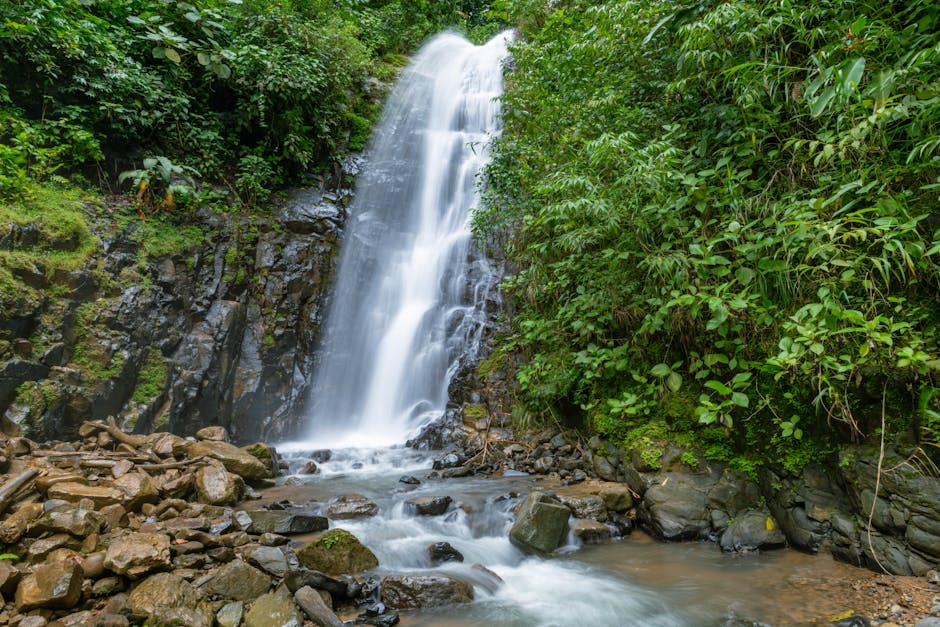
Serene waterfall cascading into rocky pool in Costa Rica’s rainforest., Isla del Coco National Park, Costa Rica
| Category | Budget | Mid-range | Luxury |
|---|---|---|---|
| Accommodation/Board | N/A (Liveaboard only) | $5,000 – $7,000 (10-day trip) | $8,000+ (Premium boat, suite) |
| Meals | All included on boat | All included + snacks | All included, premium dining |
| Transport | Included in package | Included (SJO transfer) | Included (private transfer) |
| Activities | ~3-4 dives/day included | All dives, nitrox, guide | All dives, nitrox, private guide |
| Daily Total | N/A | $500 – $700/day | $800+/day |
Note: This is an all-inclusive expedition cost. Budget extra for flights to Costa Rica, gear rental, park fees (~$50/day), crew tips (10-15%), and pre/post-trip hotels.
Top Attractions and Must-See Sights
| Attraction | Description | Hours | Entry Fee |
|---|---|---|---|
| Manuelita Deep/Coral Garden | The island’s signature dive: a cleaning station where schools of 200+ hammerhead sharks gather in the blue. | Dive schedules set by boat | Included in liveaboard |
| Dirty Rock | A submerged pinnacle attracting huge schools of jacks, trevally, Galapagos sharks, and frequent manta ray visits. | Dive schedules set by boat | Included in liveaboard |
| Chatham Bay Waterfall Trail | A lush inland hike from the landing beach to a beautiful waterfall, through forests teeming with endemic species. | Daylight hours, guided only | Park fee covers access |
| Wafer Bay & The Lighthouse | The main ranger station area; hike to the historic lighthouse for panoramic views and a sense of island history. | Daylight hours | Park fee covers access |
3-Day Itinerary: Isla del Coco National Park, Costa Rica’s Highlights & Hidden Gems
Note: A typical trip is 10 days (2 days transit, 8 days diving). This is a sample of three peak diving days on-site.
Day 1: Giants of the Deep
- Morning (7:00 AM): Pre-breakfast check-out dive at “Bajo Alcyone.” This submerged mount is a famous hotspot for gigantic, filter-feeding whale sharks, especially from September to November.
- Afternoon (12:30 PM): Dive at “Manuelita Outside.” After a surface interval lunch on the boat, descend along the dramatic wall to witness the famous hammerhead shark schools patrolling the currents. The sheer number is breathtaking.
- Evening (6:30 PM): Night dive at “Chatam Bay.” With powerful torches, you’ll spot sleeping white-tip reef sharks, hunting moray eels, and spectacular biofluorescent organisms. Dinner onboard is always a lively recap of the day’s encounters.
Day 2: Pelagic Action & Island Lore
- Morning (7:30 AM): Dive at “Dirty Rock.” This is where the big fish action happens. Prepare for swirling tornadoes of big-eye trevally, hunting Galapagos sharks, and if you’re lucky, a curious manta ray. The current can be strong, making it an advanced dive.
- Afternoon (1:00 PM): Shore excursion to Wafer Bay. After two dives, take the tender to land. Hike to the 1897 lighthouse with a park ranger, who will share tales of pirates like Benito “Bloody Sword” Bonito, who allegedly hid treasure here. Look for the endemic Cocos Island finch.
- Evening (5:30 PM): Sunset dive at “Punta Maria.” A gentler dive along a coral-filled slope teeming with green morays, marble rays, and large lobsters. The late-day light creates magical beams through the water.
Day 3: Walls, Caves, and Farewell
- Morning (8:00 AM): Dive at “Submerged Rock.” Explore swim-throughs and small caves adorned with colorful sea fans and black coral trees. Eagle rays and large tuna are often seen cruising past the openings.
- Afternoon (12:00 PM): Final dive at “Manuelita Coral Garden.” A shallower, relaxing dive on the island’s leeward side. This coral garden is a bustling metropolis of tropical fish, perfect for macro photography—look for harlequin shrimp and frogfish.
- Evening (4:00 PM): The boat begins its 36-hour return journey. The evening is for sorting photos, swapping contact info with fellow divers, and enjoying a special farewell dinner from the crew, often featuring that day’s fresh catch as ceviche.
Cultural Insights & Etiquette
- Language: Spanish is official; boat crews are bilingual (Spanish/English). Key phrases: “¡Tiburón!” (Shark!), “Corriente fuerte” (Strong current), “Gracias” (Thank you).
- Customs: This is a protected national park, not a resort. Respect is paramount: never touch, chase, or harass marine life. Follow the rangers’ and dive guides’ instructions without exception.
- Tipping: Tipping the liveaboard crew is customary and vital. Budget 10-15% of your trip cost, given in an envelope to the captain on the final day for distribution.
- Dress Code: Practicality rules. Quick-dry clothing, swimwear, and sun protection on deck. No need for formal wear. Be mindful of limited freshwater; short showers are the norm.
- Business Hours: The park ranger station operates during daylight hours. Your liveaboard runs on a strict dive-eat-sleep schedule. The “shop” is the boat’s small stash of spare gear and t-shirts.
Where to Eat: Isla del Coco National Park, Costa Rica’s Best Bites
All meals are provided on your liveaboard vessel. The culinary experience is one of hearty, fuel-focused meals prepared by talented cooks working in a compact galley. Expect a mix of international and Costa Rican staples, with an emphasis on carbs and protein to keep divers energized.
Must-Try Local Specialties (Onboard)
- Fresh Ceviche: If the crew catches tuna or dorado on the journey, they’ll often prepare a massive bowl of citrus-marinated ceviche with cilantro and onions. It’s a celebratory, shared treat.
- Gallo Pinto: The classic Costa Rican breakfast of rice and beans, often served with eggs, plantains, and tortillas. It’s the perfect pre-dive fuel.
- Olla de Carne: A hearty beef and vegetable stew sometimes served for lunch, embodying traditional Costa Rican comfort food, ideal after a cool, deep dive.
Restaurant Recommendations by Budget
| Type | Restaurant | Specialty | Price Range |
|---|---|---|---|
| Budget | Your Liveaboard Galley | All-inclusive buffet-style meals, snacks, and hydration stations. | Included |
| Mid-range | Your Liveaboard Galley | The same, but on a higher-end boat with more varied menu planning and presentation. | Included |
| Fine dining | Your Liveaboard Galley (Premium) | Chef-prepared multi-course dinners, higher-quality ingredients, and perhaps a sushi night. | Included |
Where to Stay
There is no land-based accommodation. Your “hotel” is your liveaboard dive boat for the entire expedition. Choosing the right vessel is critical. Compare options and book through specialized dive travel agencies or directly with operators like Booking.com for pre/post-trip hotels in San José or Airbnb for apartments.
Best “Neighborhoods” for Accommodation (Types of Liveaboards)
- Standard/Functional Boats: Older vessels with basic cabins (often bunk beds) and shared bathrooms. They get you there and offer great diving at a lower cost, ideal for hardy, budget-conscious divers focused purely on the water.
- Mid-Range/Comfort Boats: The most common choice. Modern vessels with private ensuite cabins, A/C, dedicated camera stations, and spacious dive decks. They offer the best balance of comfort, service, and value (e.g., Argo, Sea Hunter).
- Premium/Luxury Yachts: Larger staterooms, superior cuisine, higher crew-to-guest ratios, and amenities like hot tubs or lounges. The focus is on a top-tier overall experience, not just diving (e.g., Undersea Hunter).

Tropical beach in Limón, Isla del Coco National Park, Costa Rica
FAQs: Your Isla del Coco National Park, Costa Rica Questions Answered
1. Is Isla del Coco National Park, Costa Rica safe at night?
You will be safely onboard your vessel at night. The island itself is uninhabited and off-limits after dark. On the boat, standard maritime safety applies. The primary “safety” concern is responsible diving: following guides, monitoring depth and air, and being aware of strong currents. Crime is nonexistent in this remote location.
2. What currency is used and are credit cards accepted?
The currency is the Costa Rican Colón (CRC), but US dollars are widely accepted. On your liveaboard, all major costs are pre-paid. You will need cash (USD is best) for the national park fee (approx. $50/day, paid onboard), alcoholic beverages (if not all-inclusive), and crew tips. Credit cards are not used on the island or typically on the boat for incidental purchases.
3. How do I get from the airport to the city center?
You’ll fly into San José (SJO). Most liveaboard packages include a shared transfer from a designated hotel in San José to the port of Puntarenas (1.5 hours). You typically need to arrange your own pre-night hotel near that pickup point. For independent transfers, official airport taxis are safe. Book airport transfers at GetYourGuide for convenience if your package doesn’t include it.
4. Do I need to speak the local language?
No. English is the lingua fran
{“@context”: “https://schema.org”, “@type”: “FAQPage”, “mainEntity”: [{“@type”: “Question”, “name”: “What is the best time to visit Isla del Coco National Park?”, “acceptedAnswer”: {“@type”: “Answer”, “text”: “The best time to visit Isla del Coco National Park depends on your preferences. Generally, the dry season offers the most pleasant weather for sightseeing and outdoor activities.”}}, {“@type”: “Question”, “name”: “How many days do I need in Isla del Coco National Park?”, “acceptedAnswer”: {“@type”: “Answer”, “text”: “Most travelers spend 3-5 days in Isla del Coco National Park to see the main attractions. A week allows for a more relaxed pace and day trips.”}}, {“@type”: “Question”, “name”: “Is Isla del Coco National Park expensive to visit?”, “acceptedAnswer”: {“@type”: “Answer”, “text”: “Isla del Coco National Park can be visited on various budgets. Accommodation ranges from hostels to luxury hotels, and local restaurants offer affordable dining.”}}]}
Related Guides
Explore more destinations similar to Isla del Coco National Park:

