
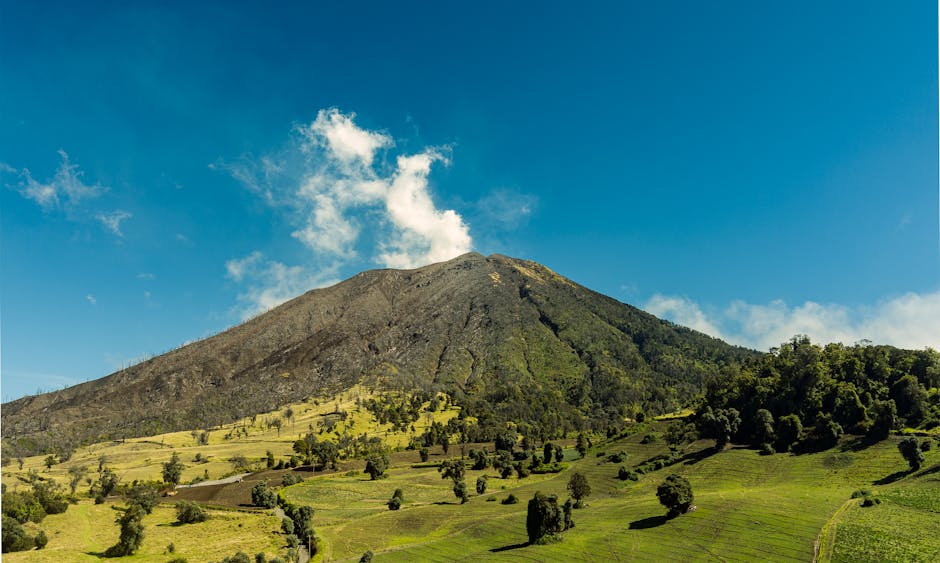
Turrialba Volcano, Costa Rica’s Epic Adventure, Coffee & Living Landscapes (2026)
While crowds flock to the postcard-perfect cone of Arenal, Turrialba Volcano delivers a raw, untamed encounter with a living, breathing mountain. Standing at 3,340 meters, this is one of Costa Rica’s most active volcanoes, with its last significant eruptive phase beginning in 2014. Here, you won’t find a manicured park leading to a perfect viewpoint; you’ll find a landscape still being shaped by the earth’s immense power, where the scent of sulfur hangs in the mist and the sound of rumbling is a reminder of nature’s force. This is for the traveler who wants to feel the planet’s pulse.
Why Turrialba Volcano, Costa Rica Stands Out
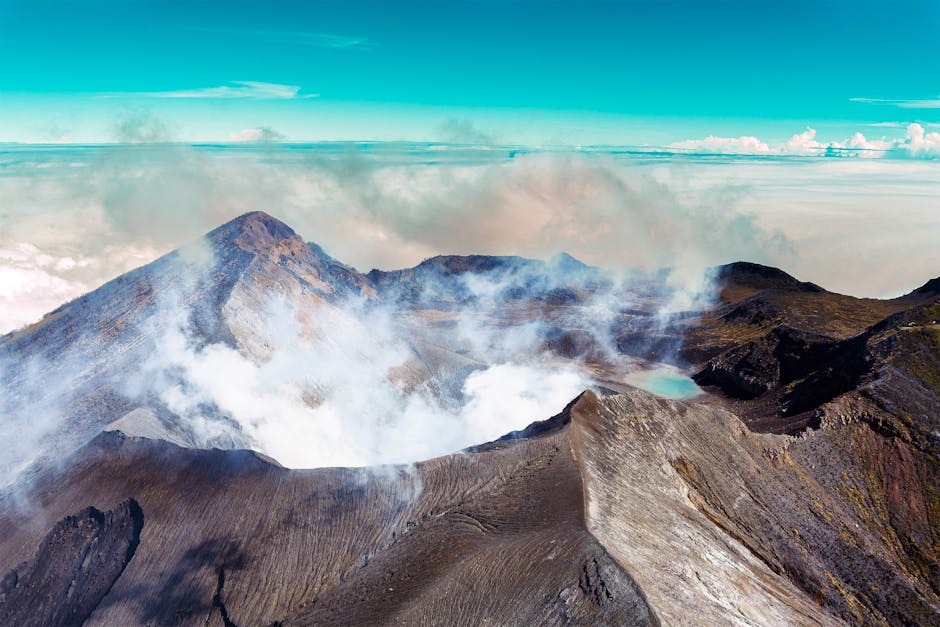
A breathtaking aerial shot of the Turrialba Volcano crater with smoke risin…, Turrialba Volcano, Costa Rica
- Historic Architecture: The Guayabo National Monument, a pre-Columbian archaeological site dating from 1000 B.C. to 1400 A.D., features intricate stone pathways, aqueducts, and ceremonial mounds hidden in the jungle.
- Cultural Scene: The annual Turrialba Cheese Festival celebrates the region’s famed dairy production with tastings, folk music, and traditional oxcart parades, a nod to Costa Rican heritage.
- Local Specialties: You must try *turrialba cheese*, a firm, mild white cheese considered some of the best in the country, often paired with fresh tortillas or sweet guava paste.
Pro Tip: Your best bet for clear views of the volcano’s crater is during the dry season mornings (December to April), but always check with the National Park System or local guides for real-time volcanic activity and access permissions, as trails can close with little notice.
Map of Turrialba Volcano, Costa Rica
Use these interactive maps to explore Turrialba Volcano, Costa Rica and plan your route:
📍 View Turrialba Volcano, Costa Rica on OpenStreetMap
🗺️ Open Turrialba Volcano, Costa Rica in Google Maps
Planning Your Trip: Practical Essentials
Getting There and Around
- By Air: Fly into Juan Santamaría International Airport (SJO) near San José. From there, it’s a 1.5 to 2-hour drive. Domestic flights to the nearby Tobías Bolaños Airport are less common. Book flights at Skyscanner for best deals.
- By Train: While scenic passenger trains run from San José to the Atlantic, service directly to Turrialba town is limited. The most reliable option is bus or car. Check current schedules with Incofer.
- By Car: The most flexible option. Take Route 32 from San José towards Limón, then exit towards Turrialba (Route 230). Roads are winding but paved. A 4×4 is recommended for exploring remote farms or unpaved access roads. Compare car rentals at RentalCars.com.
- Local Transport: Public buses connect Turrialba town with San José frequently. Within the region, you’ll rely on taxis, organized tours, or your own vehicle. There’s no comprehensive public transport to the volcano’s remote trails.
Best Time to Visit
The Turrialba region has a microclimate distinct from the coasts. The key is balancing volcano visibility with overall travel comfort. The dry season offers clearer skies, but the green season reveals a stunningly lush landscape, with afternoon showers being the norm.
| Season | Weather | Highlights |
|---|---|---|
| Dry Season (Dec–Apr) | Sunny mornings, low rain, temps 18-28°C (64-82°F). Cooler at elevation. | Best chance for unobstructed volcano views; ideal for hiking and river trips; peak tourist crowds. |
| Green Season (May–Nov) | Lush scenery, sunny mornings with afternoon showers, temps consistent. | Fewer visitors, lower prices, vibrant green landscapes; river rafting is fantastic with higher water. |
| Shoulder (May/Jun & Nov) | Transitional weather, a mix of sun and short rains. | A sweet spot with decent weather, manageable crowds, and the landscape at its most vibrant. |
Budgeting for Turrialba Volcano, Costa Rica
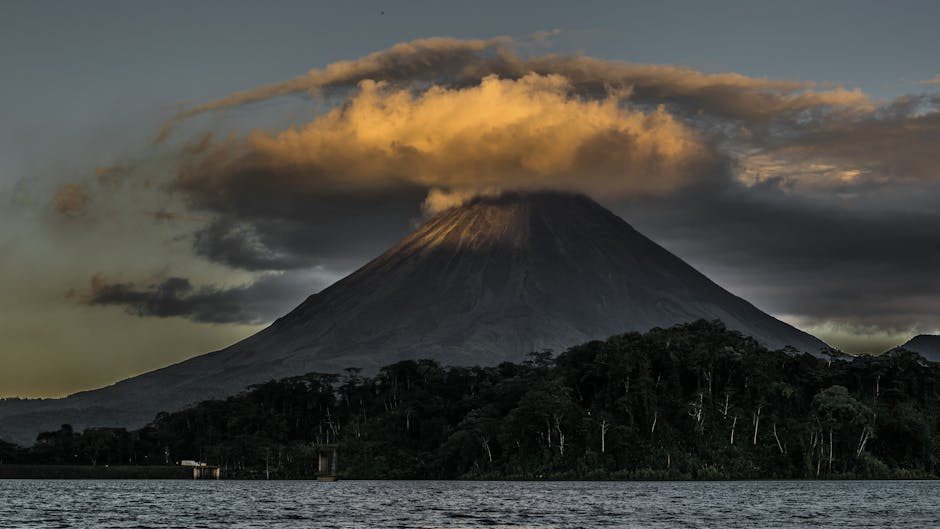
Stunning view of Arenal Volcano with glowing clouds at dusk in Costa Rica, Turrialba Volcano, Costa Rica
| Category | Budget | Mid-range | Luxury |
|---|---|---|---|
| Accommodation | $30-50/night (hostel, basic *cabina*) | $80-150/night (comfortable lodge/B&B) | $200+/night (private villa, luxury eco-lodge) |
| Meals | $10-15/day (*sodas*, market food) | $25-40/day (local restaurants) | $60+/day (fine dining, all-inclusive) |
| Transport | $5-10/day (public bus) | $40-60/day (rental car, fuel) | $100+/day (private driver, tours) |
| Activities | $0-30/day (self-guided hikes) | $50-100/day (guided tour, rafting) | $150+/day (private guided experiences) |
| Daily Total | $45-105 | $195-350 | $510+ |
Top Attractions and Must-See Sights
| Attraction | Description | Hours | Entry Fee |
|---|---|---|---|
| Guayabo National Monument | Explore Costa Rica’s most significant archaeological site, with ancient stone structures and aqueducts shrouded in cloud forest. | 8:00 AM – 3:30 PM Daily | $5 for foreigners |
| Whitewater Rafting on the Pacuare River | World-class Class III-IV rapids through pristine rainforest, often ranked among the top rafting rivers on the planet. | Tours depart 7-9 AM | $90-$120 per person |
| CATIE Botanical Garden | A living museum of tropical agriculture with one of the world’s most important collections of coffee, cacao, and tropical fruits. | 7:00 AM – 4:00 PM Mon-Fri | $10 self-guided tour |
| Volcano Viewpoints (Mirador La Central) | While the national park is often closed due to activity, this nearby farm offers stunning, safe views of the steaming crater. | Dawn to Dusk (Access varies) | $5-$10 donation |
3-Day Itinerary: Turrialba Volcano, Costa Rica’s Highlights & Hidden Gems
Day 1: Ancient Stones & Volcanic Vistas
- Morning (7-9 AM): Arrive early at Guayabo National Monument to beat any crowds and experience the misty atmosphere of the cloud forest among the ancient ruins. Listen for howler monkeys in the canopy.
- Afternoon (12-3 PM): Drive to a working dairy or coffee farm like Finca La Flor for a tour. For lunch, stop at Soda La Amistad in Turrialba town for a massive *casado* (typical plate with rice, beans, protein, and salad) for about $6.
- Evening (6-8 PM): Head to a viewpoint like Mirador La Central (confirm access in advance) for sunset views of Turrialba Volcano’s plume. Enjoy dinner at Restaurante El Rodeo for hearty Costa Rican steak and, of course, local cheese.
Day 2: Adrenaline on the River
- Morning (Early activity): A full-day whitewater rafting trip on the Pacuare River with a reputable operator like Exploradores Outdoors or Ríos Tropicales (from $95). You’ll paddle through breathtaking canyons and past waterfalls, with a riverside lunch included.
- Afternoon: The rafting trip encompasses most of the day. You’ll return to Turrialba tired but exhilarated by late afternoon.
- Evening: For a relaxed evening, grab wood-fired pizza and a local craft beer at CECI’s Pizza in town, a favorite among guides and returning rafters.
Day 3: Coffee, Cacao & Countryside
- Morning: Take a 20-minute drive to CATIE for a 9 AM guided tour of their botanical gardens and agroforestry collections ($20). Don’t miss their cacao and coffee genetic banks.
- Afternoon: Enjoy a hands-on chocolate tour at a local *finca* like Reserva Natural Aquiares. For lunch, have a farm-to-table meal at the on-site café. Then, take a leisurely drive through the rolling hills of the coffee plantations.
- Evening: Your final dinner should feature the region’s star. Head to Restaurante Balcón del Volcán for traditional cuisine with a spectacular view (weather permitting), savoring one last piece of turrialba cheese for dessert.
Cultural Insights & Etiquette
- Language: Spanish is essential here, more so than in tourist hubs. Learn basics: *Buenos días* (Good morning), *Por favor* (Please), *Gracias* (Thank you). “Pura vida” is the national motto meaning “pure life,” used as a greeting, goodbye, or to express that all is well.
- Customs: Costa Ricans (*Ticos*) are famously polite and non-confrontational. Greetings are important. A handshake is standard, and close friends may exchange a light hug or a kiss on the cheek. Always be respectful when visiting farms or private land.
- Tipping: A 10% service charge is often added to restaurant bills. It’s customary to leave a little extra (5-10%) for excellent service. For tour guides, tip $5-$10 per person for a full-day tour.
- Dress Code: Casual and practical is key. Pack quick-dry clothing, sturdy hiking shoes, a rain jacket, and layers for cooler mountain temperatures. Swimwear is for the beach or pool only.
- Business Hours: Typical hours are 8 AM-5 PM for businesses, with a midday break (*siesta*) less common in tourist areas. Many shops close on Sundays. Banks have shorter hours.
Where to Eat: Turrialba Volcano, Costa Rica’s Best Bites
Dining here is about hearty, farm-fresh *comida típica* (typical food). You’ll find family-run *sodas* (small, informal restaurants) serving generous plates. The town of Turrialba is your hub for a variety of options, but some of the best meals are at rustic lodges or farm restaurants in the countryside.
Must-Try Local Specialties
- Turrialba Cheese: A semi-hard, mild cheese, perfect on its own, in sandwiches (*sandwich de queso*), or melted in *chorreadas* (sweet corn pancakes). Buy it fresh from the *queserías* (cheese factories) like Dos Pinos or smaller local producers.
- Olla de Carne: A hearty beef and vegetable stew, considered a national comfort food. Locals recommend it at traditional spots like Soda La Amistad for an authentic, filling meal.
- Chorreadas con Queso Turrialba: A sweet corn pancake often served for breakfast or as a snack, drizzled with *natilla* (sour cream) and topped with the local cheese. Find them at roadside stands or market stalls.
Restaurant Recommendations by Budget
| Type | Restaurant | Specialty | Price Range |
|---|---|---|---|
| Budget | Soda La Amistad (Turrialba town center) | Massive, delicious *casados* and *olla de carne* in a no-frills setting. | $5-$8 per plate |
| Mid-range | Restaurante El Rodeo (On the road to CATIE) | Excellent grilled meats (*churrasco*), local cheese dishes, and a welcoming atmosphere. | $12-$20 per main |
| Fine dining | Balcón del Volcán (Santa Cruz de Turrialba) | Elevated Costa Rican cuisine with stunning volcano views (when clear). Reservations advised. | $25-$40 per main |
Where to Stay
Accommodation ranges from simple town hotels to stunning eco-lodges nestled in the hills. Staying outside Turrialba town offers more immersion in nature and better volcano views, but requires your own transport. Compare prices and book at Booking.com or Airbnb for apartments.
Best Neighborhoods for Accommodation
- Turrialba Town Center: The most convenient base with the most dining options, bus station, and services. Best for budget travelers and those without a car. It’s a functional town, not a picturesque destination itself.
- Surrounding Hills & Fincas: The area along the roads toward the volcano (like towards Santa Cruz) is dotted with B&Bs, lodges, and working farms offering stays. This is your best bet for views, tranquility, and authentic rural charm. You will need a car.
- Near the Pacuare River: Several rustic eco-lodges are situated closer to the river, ideal for rafting enthusiasts and those seeking deep jungle immersion. These are often all-inclusive and remote.

Breathtaking aerial view of Arenal Volcano at sunset in Alajuela Province, Turrialba Volcano, Costa Rica
FAQs: Your Turrialba Volcano, Costa Rica Questions Answered
1. Is Turrialba Volcano, Costa Rica safe at night?
Turrialba town is generally safe, but as with anywhere, practice common sense: avoid poorly lit areas alone at night and keep valuables secure. The greater risk in the region is on the roads—drive carefully, especially on winding mountain roads after dark. When hiking, always stick to known trails and inform someone of your plans.
2. What currency is used and are credit cards accepted?
The currency is the Costa Rican Colón (CRC). US dollars are widely accepted in tourist areas, but you’ll often get change in colones. In Turrialba, it’s wise to carry colones, especially at smaller *sodas*, markets, and for taxis. Credit cards (Visa/Mastercard) are accepted at most hotels, tour operators, and nicer restaurants.
3. How do I get from the airport to the city center?
From Juan Santamaría Airport (SJO), the most direct options are a private transfer (book in advance, ~$80-100 for the 1.5-2 hour trip), a rental car, or a taxi. Shared shuttles are less frequent to this region. The public bus requires a taxi from the airport to San José’s main bus terminal (Gran Terminal del Caribe), then a bus to Turrialba (2.5 hours total, ~$5). Book airport transfers at GetYourGuide for convenience.
4. Do I need to speak the local language?
While you can manage with English at major tour operators and hotels, basic
Explore More Destinations
- Jozani, Tanzania on a Budget: an Ancient Forest for $35/Day (2026)
- Nsumbu, Zambia on a Budget: Wild Africa for $40/Day (2026)
- Semporna, Malaysia on a Budget: Paradise for $35/Day (2026)
- Khuzestan, Iran on a Budget: Ancient Empires for $30/Day (2026)
- Ngerulmud, Palau on a Budget: Island Majesty for $45/Day (2026)
Ready to Visit Turrialba Volcano?
Start planning your trip today. Compare hotels, find the best tours, and get insider tips.
Your adventure in Turrialba Volcano starts here →
Related Guides
Explore more destinations similar to Turrialba Volcano:
- Arica, Peru’s Best Coastal Charm, Pre-Columbian Mysteries & Eternal Spring (2025)
- Fergusson Island, Papua New Guinea: Essential Volcanoes, Kula & Uncharted Culture (2026)
- Pitlochry, Scotland’s Essential Whisky, Waterfalls & Victorian Grandeur (2025)
- Stunning Santa Catalina (panama) Secrets’s Epic Best Places to Visit (2025)
{“@context”: “https://schema.org”, “@type”: “FAQPage”, “mainEntity”: [{“@type”: “Question”, “name”: “What is the best time to visit Turrialba Volcano?”, “acceptedAnswer”: {“@type”: “Answer”, “text”: “The best time to visit Turrialba Volcano depends on your preferences. Generally, the dry season offers the most pleasant weather for sightseeing and outdoor activities.”}}, {“@type”: “Question”, “name”: “How many days do I need in Turrialba Volcano?”, “acceptedAnswer”: {“@type”: “Answer”, “text”: “Most travelers spend 3-5 days in Turrialba Volcano to see the main attractions. A week allows for a more relaxed pace and day trips.”}}, {“@type”: “Question”, “name”: “Is Turrialba Volcano expensive to visit?”, “acceptedAnswer”: {“@type”: “Answer”, “text”: “Turrialba Volcano can be visited on various budgets. Accommodation ranges from hostels to luxury hotels, and local restaurants offer affordable dining.”}}]}

