
Poas Volcano National Park, Costa Rica: Hidden Craters, Clouds & Coffee Culture (2026)
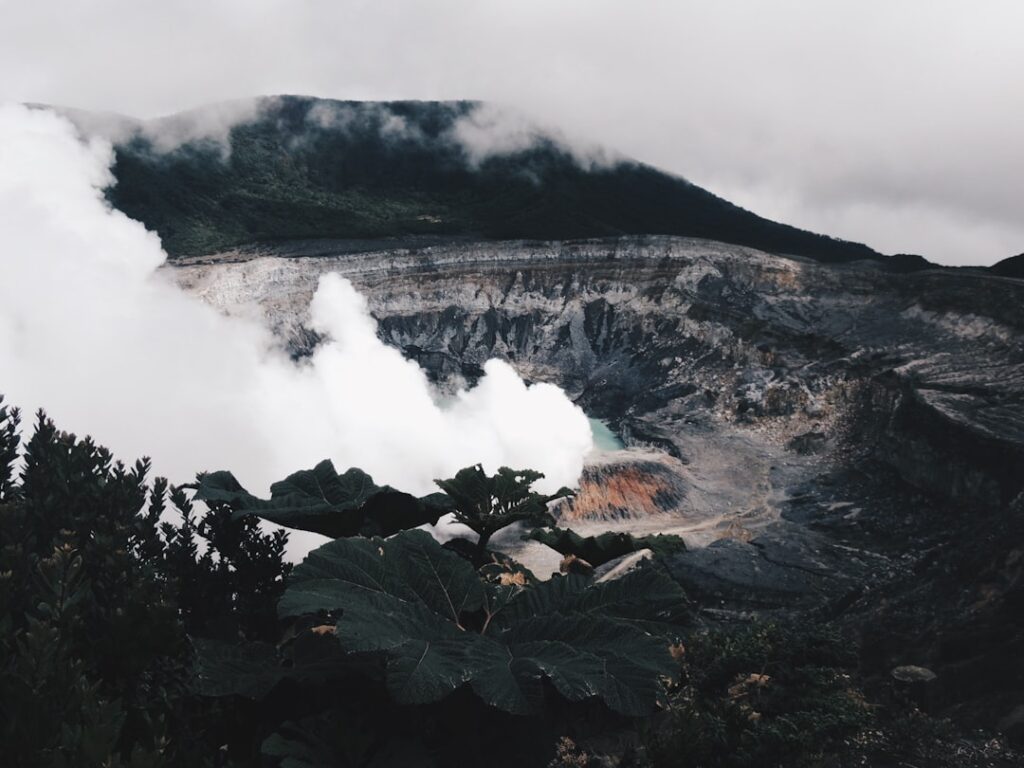
At 7:15 AM, the gates of Poas Volcano National Park open, and a quiet race against the clouds begins. You’ll join a small procession of early risers walking the paved path, the air crisp and smelling of sulfur and damp earth. The prize? A fleeting, unobstructed view into one of the world’s largest active craters, a 1.7-kilometer-wide, 300-meter-deep cauldron of acidic turquoise water and steaming fumaroles. By 9:30 AM, the famous clouds often roll in, swallowing the vista whole. This daily drama of visibility is what makes a visit here so uniquely thrilling and strategic.
Why Poas Volcano National Park, Costa Rica Stands Out

Aerial view of lake in the middle of mountains during daytime, Poas Volcano National Park, Costa Rica
- Historic Architecture: The park’s modern visitor center, inaugurated in 2011, is an architectural marvel built to withstand seismic activity, featuring a striking green roof that blends into the surrounding cloud forest.
- Cultural Scene: The annual Día del Agricultor (Farmer’s Day) in nearby Alajuela celebrates the region’s rich coffee-growing heritage, a direct result of the volcano’s fertile volcanic soil.
- Local Specialties: You must try a cup of locally grown *café de altura* (high-altitude coffee) at a nearby *finca*; the volcanic minerals impart a uniquely bright, clean acidity to the beans.
Pro Tip: Your absolute best chance for a clear crater view is on a weekday, arriving the moment the park opens at 7:00 AM. The dry season (December to April) offers better odds, but even then, afternoon clouds are almost guaranteed. Book your mandatory online ticket for the 7:00-7:30 AM entry slot weeks in advance during peak season.
Map of Poas Volcano National Park, Costa Rica
Use these interactive maps to explore Poas Volcano National Park, Costa Rica and plan your route:
📍 View Poas Volcano National Park, Costa Rica on OpenStreetMap
🗺️ Open Poas Volcano National Park, Costa Rica in Google Maps
Planning Your Trip: Practical Essentials
Getting There and Around
- By Air: All international flights land at Juan Santamaría International Airport (SJO) in Alajuela, just 1.5 hours from the park. Airlines like American, Delta, United, and Avianca serve SJO. Book flights at Skyscanner for best deals. From the airport, a rental car or pre-booked shuttle is your best bet.
- By Train: Costa Rica’s passenger train network does not service the volcano directly. The nearest major transport hub is Alajuela city.
- By Car: The drive from San José or Alajuela is straightforward via Route 9. The winding final ascent offers stunning views. Parking at the park is ample and free. Compare car rentals at RentalCars.com.
- Local Transport: Public buses run from San José’s “TUASA” terminal to the park entrance (approx. 2 hours), but schedules are limited and won’t get you there for opening time. Most travelers opt for organized day tours or private transport for flexibility.
Best Time to Visit
Timing is everything at Poas, balancing crater visibility with overall weather. The dry season provides a higher probability of clear skies, but the lush cloud forest is at its most vibrant in the green season.
| Season | Weather | Highlights |
|---|---|---|
| Dry Season (Dec–Apr) | Sunny mornings, cool temps (50-70°F/10-21°C), frequent afternoon clouds. | Highest chance of crater views, best hiking conditions, but also peak crowds; book tickets far in advance. |
| Green Season (May–Nov) | Rainy afternoons, misty, lush (temps similar). Mornings can be clear. | Fewer visitors, intensely green scenery, dramatic cloud formations. You trade guaranteed sun for atmospheric mystery. |
| Shoulder (Apr–May/Nov) | Transitional weather; sunny spells mixed with quick showers. | A good compromise—decreasing or increasing chance of rain with moderate visitor numbers. |
Budgeting for Poas Volcano National Park, Costa Rica

A breathtaking aerial view of the Poás Volcano crater in Costa Rica surroun…, Poas Volcano National Park, Costa Rica
| Category | Budget | Mid-range | Luxury |
|---|---|---|---|
| Accommodation | $15-30 (hostel in Alajuela) | $80-150 (B&B or lodge near volcano) | $200+ (luxury eco-lodge with views) |
| Meals | $5-10 (soda meals, picnic) | $15-25 (restaurant at a coffee farm) | $40+ (gourmet dining at top hotel) |
| Transport | $5 (public bus one-way) | $50-80 (day tour from San José) | $150+ (private driver for the day) |
| Activities | $15 (park entry) | $30-50 (park entry + coffee tour) | $100+ (private guided hike & tasting) |
| Daily Total | $40-60 | $120-200 | $350+ |
Top Attractions and Must-See Sights
| Attraction | Description | Hours | Entry Fee |
|---|---|---|---|
| Main Crater Viewpoint | Peer into the awe-inspiring active crater with its mesmerizing, acidic lagoon. | 7:00 AM – 1:30 PM (entry slots every 30 mins) | $15 + online service fee |
| Botero’s Lagoon (Laguna Botos) | A serene, cold-water crater lake reached via a beautiful 30-minute hike through cloud forest. | Same as park hours | Included with park entry |
| Cloud Forest Trails | Well-maintained trails like the Escalonia Path, where you might spot hummingbirds, toucanets, and coati. | Same as park hours | Included with park entry |
| Poas Volcano National Park Museum | Interactive exhibits on vulcanology, the park’s ecology, and the major 2017 eruptions. | 8:00 AM – 3:30 PM | Included with park entry |
3-Day Itinerary: Poas Volcano National Park, Costa Rica’s Highlights & Hidden Gems
Day 1: Volcano Summit & Cloud Forest Immersion
- Morning (5:30 AM – 11:00 AM): Depart your lodging early. Enter Poas Volcano National Park at your pre-booked 7:00 AM slot. Spend 45 minutes at the main crater, then hike the 0.7 km trail to Laguna Botos (round trip 45 min). Visit the museum before clouds descend.
- Afternoon (12:00 PM – 4:00 PM): Drive 20 minutes to Freddo Fresas for a hearty lunch—try their legendary strawberry milkshakes and *casado*. Then, visit the Doka Estate for a 2:00 PM coffee tour ($25) to see the full process from bean to cup.
- Evening (6:00 PM onwards): Check into a lodge in the hills of Vara Blanca. Enjoy a relaxed dinner at your lodge, listening to the sounds of the cloud forest.
Day 2: Waterfalls, Farms & Local Flavors
- Morning (8:00 AM – 12:00 PM): Visit the stunning La Paz Waterfall Gardens (opens at 8:00 AM, approx. $48). It’s a well-developed nature park with five waterfalls, a butterfly observatory, and hummingbird gardens—a great contrast to Poas’s stark beauty.
- Afternoon (1:00 PM – 4:00 PM): Have lunch at the park’s restaurant. Then, take a scenic drive to a smaller, family-run farm like North Fields Coffee for a more intimate tour. Sample local cheeses or strawberries from a roadside vendor (*fresas con crema*).
- Evening (6:00 PM onwards): Dine at Mirador Vista del Valle in Vara Blanca, known for its spectacular valley views and traditional Costa Rican cuisine. Try the *olla de carne* (beef stew).
Day 3: Alajuela Culture & Departure
- Morning (9:00 AM – 12:00 PM): Drive 1 hour to the charming city of Alajuela. Visit the Juan Santamaría Historical Museum ($5) in the old jail, dedicated to Costa Rica’s national hero. Stroll through the central park facing the iconic, red-domed Cathedral.
- Afternoon (12:30 PM – 3:00 PM): Enjoy a final lunch at Los Antojitos de la Tía, a beloved local *soda* for massive, authentic *gallo pinto*. Pick up some premium coffee beans from the Cafetería de Altura roastery near the park.
- Evening: Depart for the airport (20-min drive) or continue your journey to another region like the Arenal Volcano.
Cultural Insights & Etiquette
- Language: Spanish is official. Key phrases: “Buenos días” (Good morning), “Gracias” (Thank you), “¿Cuánto cuesta?” (How much?). English is common in tourist areas but attempts in Spanish are appreciated.
- Customs: Costa Ricans (*Ticos*) are famously polite and peaceful. Greet people with a handshake or a light kiss on the cheek among women. “Pura Vida” is the national motto—it means “pure life” and is used as hello, goodbye, and “all’s good.”
- Tipping: A 10% service charge is often added to bills. It’s customary to leave a little extra (5-10% more) for good service in restaurants. Tip tour guides $5-10 per person for a half-day tour.
- Dress Code: Casual and practical. Wear layers at Poas—it can be cold and windy. Sturdy walking shoes are essential. Pack a rain jacket year-round. Modest dress is respected in towns.
- Business Hours: Typical hours are 8:00 AM – 5:00 PM. Many shops close for a midday break. Banks close at 3:00 or 4:00 PM. Everything closes on major holidays like Easter and Christmas.
Where to Eat: Poas Volcano National Park, Costa Rica’s Best Bites
Dining near Poas revolves around hearty, farm-fresh *comida típica*. You’ll find simple *sodas* (family-run eateries) serving generous plates, and charming restaurants on coffee estates with stunning views. The region is known for its strawberries, dairy, and of course, coffee.
Must-Try Local Specialties
- Gallo Pinto: The national breakfast of rice and beans, often served with eggs, sour cream, and fried plantain. Best tried at any authentic *soda* like Los Antojitos de la Tía in Alajuela.
- Olla de Carne: A hearty beef and vegetable stew, perfect for the cool highland climate. Mirador Vista del Valle in Vara Blanca serves an excellent version.
- Fresas con Crema: Fresh local strawberries served with sweet cream. You can buy these from roadside stands along the route to the volcano, or at Freddo Fresas.
Restaurant Recommendations by Budget
| Type | Restaurant | Specialty | Price Range |
|---|---|---|---|
| Budget | Freddo Fresas (Vara Blanca) | Strawberry everything, massive *casados* | $5-10 per plate |
| Mid-range | Restaurante Doka Estate (Sabanilla) | Traditional Costa Rican lunch with panoramic coffee farm views | $12-20 per plate |
| Fine dining | Xandari Restaurant (Alajuela) | Gourmet farm-to-table cuisine in a stunning artistic resort | $30+ per plate |
Where to Stay
Accommodation ranges from budget hostels in Alajuela to stunning eco-lodges perched on the volcano’s slopes. Staying nearby allows for that crucial early morning arrival. Compare prices and book at Booking.com or Airbnb for apartments.
Best Neighborhoods for Accommodation
- Vara Blanca/Volcano Slope: The most atmospheric choice. You’ll find charming B&Bs and lodges nestled in the cloud forest, just 15-20 minutes from the park. Pros: Proximity for early access, stunning natural setting. Cons: Limited dining options, cooler temperatures. Suits nature lovers and photographers.
- Alajuela City: The practical urban base. Offers a wide range of hotels, hostels, and restaurants, and is close to the airport. Pros: More amenities, better dining, lower prices. Cons: 1.5-hour drive to the park for a 7 AM arrival. Suits budget travelers and those with early/late flights.
- Heredia/San José Area: The metropolitan option. Provides maximum choice in lodging and international cuisine. Pros: Vibrant city life, cultural attractions. Cons: Longest drive to Poas (1.5-2 hours). Suits travelers combining a volcano visit with extensive city exploration.

A peaceful river cascading through a lush forest with rocky shores, Poas Volcano National Park, Costa Rica
FAQs: Your Poas Volcano National Park, Costa Rica Questions Answered
1. Is Poas Volcano National Park, Costa Rica safe at night?
The park itself is only open during daylight hours. The surrounding rural areas and towns like Vara Blanca are generally very safe. Standard precautions apply: avoid isolated areas after dark, secure valuables, and use common sense. The main risks in the park are natural—staying on marked trails is crucial due to toxic gases and unstable terrain near the crater.
2. What currency is used and are credit cards accepted?
The Costa Rican Colón (CRC) is the official currency, but US dollars are widely accepted in tourist areas. You’ll often get change in colones. Credit cards (Visa/Mastercard) are accepted at the park entrance, larger restaurants, and hotels. However, smaller *sodas* and roadside stands are cash-only. Your best bet is to carry a mix of colones and small US bills.
3. How do I get from the airport to the park?
Juan Santamaría Airport (SJO) is about 1.5 hours by road. Options: Rental Car: Most flexible for early arrival (~$40
{“@context”: “https://schema.org”, “@type”: “FAQPage”, “mainEntity”: [{“@type”: “Question”, “name”: “What is the best time to visit Poas Volcano National Park?”, “acceptedAnswer”: {“@type”: “Answer”, “text”: “The best time to visit Poas Volcano National Park depends on your preferences. Generally, the dry season offers the most pleasant weather for sightseeing and outdoor activities.”}}, {“@type”: “Question”, “name”: “How many days do I need in Poas Volcano National Park?”, “acceptedAnswer”: {“@type”: “Answer”, “text”: “Most travelers spend 3-5 days in Poas Volcano National Park to see the main attractions. A week allows for a more relaxed pace and day trips.”}}, {“@type”: “Question”, “name”: “Is Poas Volcano National Park expensive to visit?”, “acceptedAnswer”: {“@type”: “Answer”, “text”: “Poas Volcano National Park can be visited on various budgets. Accommodation ranges from hostels to luxury hotels, and local restaurants offer affordable dining.”}}]}
Related Guides
Explore more destinations similar to Poas Volcano National Park:
- Koh Kong, Cambodia’s Hidden Waterfalls, Mangroves & Untamed Wilderness (2025)
- Tweed Heads, Australia: Hidden Coastal Walks, Fishing Culture & Border Town Charm (2025)
- Vanadzor, Armenia’s Best Soviet Architecture, Forest Trails & Artisan Culture (2025)
- Fredonia, USA’s Best Historic Charm, Wine Country & Lakeside Living (2025)

