
Teotihuacan, Mexico’s Best Pyramids, Mysteries & Ancient Avenues (2026)
Just after dawn, the Avenue of the Dead in Teotihuacan reveals its true scale as the first rays of sun cast long, sharp shadows from the Pyramid of the Moon. The air is cool and filled with the scent of copal incense from early morning ceremonies, and the only sounds are the crunch of gravel underfoot and distant bird calls. This is the sacred city at its most powerful, a sprawling 32-square-mile metropolis that once rivaled ancient Rome, built by a civilization whose name and ultimate fate remain one of archaeology’s greatest enigmas.
Why Teotihuacan, Mexico Stands Out

Woman putting a clear plastic bottle on her head, Teotihuacan, Mexico
- Historic Architecture: The Pyramid of the Sun, constructed around 200 CE, is the third-largest pyramid in the world, a monumental feat of engineering aligned with celestial events.
- Cultural Scene: The annual Spring Equinox celebration draws thousands who dress in white and climb the pyramids to absorb the “cosmic energy” of the sun’s alignment.
- Local Specialties: You must try a bowl of hearty, pre-Hispanic-inspired *sopa de hongos* (mushroom soup) at a nearby *pulquería*, often paired with the fermented agave drink, pulque.
Pro Tip: Arrive at the archaeological zone gates at 7:45 AM, just before the 8:00 AM opening. You’ll have the Avenue of the Dead virtually to yourself for a full hour before the tour buses arrive, and the morning light is perfect for photography. Avoid Sundays, when entry is free for Mexican nationals and crowds are at their peak.
Map of Teotihuacan, Mexico
Use these interactive maps to explore Teotihuacan, Mexico and plan your route:
📍 View Teotihuacan, Mexico on OpenStreetMap
🗺️ Open Teotihuacan, Mexico in Google Maps
Planning Your Trip: Practical Essentials
Getting There and Around
- By Air: All international flights land at Mexico City International Airport (MEX). From there, your best bet is a pre-booked private transfer (1-hour drive) or a taxi from a designated sitio. Book flights at Skyscanner for best deals.
- By Train: There is no direct train service to the archaeological site. The most efficient public transport from Mexico City is the Autobuses Teotihuacan bus from Terminal del Norte. Reserve tickets at Trainline or the national railway website for other Mexican rail journeys.
- By Car: Take Highway 85D (Mexico-Pachuca) from Mexico City; the drive takes about an hour. Parking at the site’s main gates (Puerta 1, 2, or 5) costs around 50 MXN. Compare car rentals at RentalCars.com.
- Local Transport: Within the site, you’ll be walking. For exploring the surrounding towns of San Juan Teotihuacan or San Martín de las Pirámides, local colectivos (shared vans) are cheap and frequent. Check official city transport websites for passes and schedules for Mexico City connections.
Best Time to Visit
The climate here is generally dry and mild, but timing your visit can dramatically affect your experience. The dry season offers clear skies, while the shoulder seasons provide a sweet spot of pleasant weather and thinner crowds.
| Season | Weather | Highlights |
|---|---|---|
| Dry Season (Nov–Apr) | Sunny, 70-80°F days, cool 45-55°F nights. Virtually no rain. | Ideal for climbing pyramids; peak tourist season, especially around Easter/Equinox. |
| Rainy Season (May–Oct) | Warm, 75-85°F with afternoon showers (3-4 PM). High humidity. | Lush green landscapes, fewer crowds. Mornings are reliably clear for exploration. |
| Shoulder (Late Oct, Early Nov, Apr) | Pleasant, 70-78°F, minimal rain. | The perfect balance: great weather, manageable visitor numbers, and lower prices. |
Budgeting for Teotihuacan, Mexico

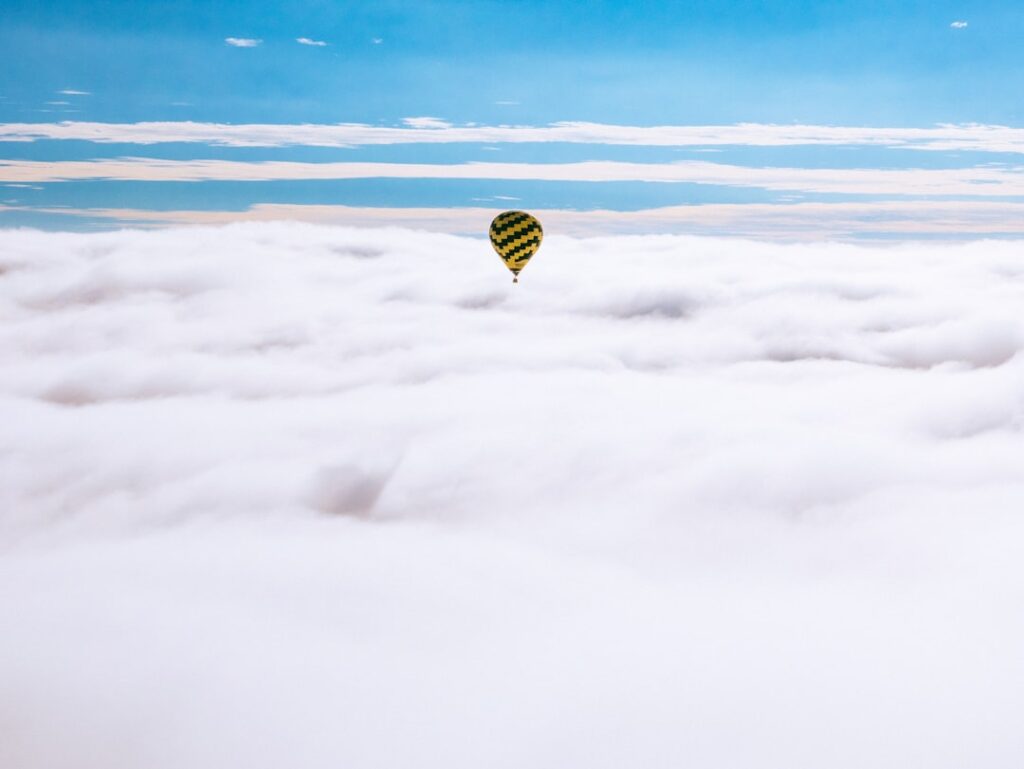
Silhouette of hot air balloon during sunset, Teotihuacan, Mexico
| Category | Budget | Mid-range | Luxury |
|---|---|---|---|
| Accommodation | Hostel/MXN 400-600 | Boutique Hotel/MXN 1200-2000 | Luxury Hacienda/MXN 3500+ |
| Meals | Market Tacos/MXN 80-150 | Set-menu Comida/MXN 200-350 | Gourmet Dining/MXN 600+ |
| Transport | Public Bus/MXN 100 | Taxi/Rental Car/MXN 400-800 | Private Driver/MXN 1500+ |
| Activities | Site Entry/MXN 90 | Guided Tour/MXN 300-500 | Hot Air Balloon/MXN 2500-3500 |
| Daily Total | MXN 670-940 | MXN 2100-3650 | MXN 8100+ |
Top Attractions and Must-See Sights
| Attraction | Description | Hours | Entry Fee |
|---|---|---|---|
| Pyramid of the Sun | Climb 248 steep steps to the top for a breathtaking, panoramic view of the entire ceremonial complex. | 9:00 AM – 5:00 PM | Included in general site fee (MXN 90) |
| Pyramid of the Moon | Though shorter, its summit perfectly frames the Avenue of the Dead and offers the most iconic photo op. | 9:00 AM – 5:00 PM | Included in general site fee |
| Temple of Quetzalcóatl | Admire the stunning, well-preserved stone carvings of the feathered serpent and rain god Tlaloc. | 9:00 AM – 5:00 PM | Included in general site fee |
| Museo de la Pintura Mural | An underrated gem housing exquisite, colorful murals that reveal the artistry of Teotihuacan’s people. | 9:00 AM – 4:30 PM | Included in general site fee |
3-Day Itinerary: Teotihuacan, Mexico’s Highlights & Hidden Gems
Day 1: The Ancient Metropolis
- Morning (7:45 AM): Be at Puerta 1. Walk the Avenue of the Dead to the Pyramid of the Moon, then climb the Pyramid of the Sun. The morning light is sublime and crowds are minimal.
- Afternoon (12:30 PM): Explore the Palace of Quetzalpapálotl and the Temple of Quetzalcóatl. For lunch, head to **La Gruta** (inside a natural cave) for their famous *mixiote* (steamed lamb).
- Evening (6:00 PM): Return to your hotel to rest, then have a casual dinner at **Los Amantes** in San Juan for excellent *tinga* tostadas and local craft beer.
Day 2: Culture, Crafts & Balloons
- Morning (5:30 AM): Splurge on a **hot air balloon flight** (approx. MXN 2500-3500). Seeing the pyramids from above at sunrise is an unforgettable experience.
- Afternoon (12:00 PM): Visit the **Museo de la Pintura Mural**. Afterwards, explore the **obsidian workshops** in San Martín de las Pirámides, where you can see artisans carving the volcanic glass.
- Evening (7:00 PM): Enjoy a traditional *comida* at **Restaurante Mayahuel** and try their *pollo en salsa de hormiga chicatana* (chicken in flying ant sauce), a true pre-Hispanic delicacy.
Day 3: Local Life & Pulque
- Morning (9:00 AM): Take a *colectivo* (MXN 10) to the **San Juan Teotihuacan Market**. It’s a vibrant local market, not a tourist trap. Look for huarache sandals and local pottery.
- Afternoon (1:00 PM): Have lunch at a market stall, then visit a **pulquería** like **La Pirámide**. Try a *curado* (flavored pulque) like oatmeal or pineapple.
- Evening (5:00 PM): For a final majestic view, revisit the archaeological zone’s perimeter near Puerta 5 to watch the sunset paint the pyramids in golden light.
Cultural Insights & Etiquette
- Language: Spanish is key. Learn “Buenos días,” “Gracias,” and “¿Cuánto cuesta?” Locals appreciate the effort. English is limited outside main tourist spots.
- Customs: When climbing the pyramids, do so with respect. It’s considered a spiritual site for many. Avoid loud behavior at the summits.
- Tipping: 10-15% in sit-down restaurants is standard. For guides, tip MXN 50-100 per person for a half-day tour if service was good.
- Dress Code: Wear sturdy, comfortable walking shoes—the stone steps are uneven. A hat, sunglasses, and sunscreen are non-negotiable. Dress modestly out of respect.
- Business Hours: The archaeological site is open 9 AM-5 PM daily. Smaller shops and restaurants may close for a siesta from 2-4 PM.
Where to Eat: Teotihuacan, Mexico’s Best Bites
The food here is a direct link to the past, emphasizing corn, beans, squash, and native herbs. You’ll find everything from simple street food to restaurants reviving ancient recipes. Don’t just eat near the site gates; venture into the towns for authentic flavors.
Must-Try Local Specialties
- Barbacoa: Lamb or goat slow-cooked in maguey leaves underground. The best is found in family-run *fondas* in San Martín de las Pirámides on weekends.
- Pulque: The fermented sap of the maguey plant, viscous and slightly sour. Visit a traditional *pulquería* for the authentic experience, often served from large barrels.
- Gusanos de Maguey: Maguey worms, often toasted and salted, served as a snack or ground into salsa. They’re a protein-rich legacy of pre-Hispanic cuisine.
Restaurant Recommendations by Budget
| Type | Restaurant | Specialty | Price Range |
|---|---|---|---|
| Budget | **El Ranchito** (near Puerta 2) | Huge, delicious *tortas* and *tacos de barbacoa*. | MXN 50-120 |
| Mid-range | **La Gruta** (inside the archaeological zone) | Atmospheric cave dining with traditional *mixiote* and live mariachi. | MXN 250-450 |
| Fine dining | **Restaurante Mayahuel** (San Juan) | Innovative tasting menus based on pre-Hispanic ingredients and techniques. | MXN 600+ |
Where to Stay
Most visitors stay in nearby towns like San Juan Teotihuacan or San Martín, which offer more character than the generic hotels by the highway. For the ultimate experience, consider a historic hacienda. Compare prices and book at Booking.com or Airbnb for apartments.
Best Neighborhoods for Accommodation
- San Juan Teotihuacan: The municipal seat, with a charming zócalo (main square), good restaurants, and a local market. It’s lively and offers a genuine small-town feel.
- San Martín de las Pirámides: Closer to the site’s main gates. Quieter than San Juan, known for its obsidian workshops and excellent weekend barbacoa stands.
- Historic Haciendas: Converted 17th-century estates like **Hacienda Temascalapa** or **Hacienda San Miguel**. They offer luxury, history, and stunning grounds, often a short drive from the site.

Grayscale photo of concrete building, Teotihuacan, Mexico
FAQs: Your Teotihuacan, Mexico Questions Answered
1. Is Teotihuacan, Mexico safe at night?
The archaeological site itself closes at 5 PM. The surrounding towns are generally safe for travelers at night, but standard precautions apply. Stick to well-lit areas, don’t flash valuables, and use authorized taxis or pre-arranged transport for getting around after dark. The main risk here is typically dehydration or sunburn, not crime.
2. What currency is used and are credit cards accepted?
The Mexican Peso (MXN) is the currency. While larger restaurants and hotels accept credit cards, you’ll need cash for market stalls, small eateries, colectivos, and tips. There are ATMs in San Juan Teotihuacan. Savvy visitors always carry a mix of small bills and coins.
3. How do I get from the airport to Teotihuacan?
Mexico City Airport (MEX) is about 50 km away. The most convenient option is a pre-booked private transfer (approx. MXN 800-1200, 1 hour). For budget travel, take an Uber to Terminal del Norte bus station, then catch the Autobuses Teotihuacan bus (MXN 60, 1.5 hours). Book airport transfers at GetYourGuide for convenience.
4. Do I need to speak the local language?
You can manage with basic English at the site entrance and major hotels, but Spanish is essential for deeper interaction. Learning a few phrases will greatly enhance your experience with vendors, taxi drivers, and restaurant staff. A translation app on your phone is a wise backup.
5. What’s the appropriate dress code?
Practical and respectful. Wear breathable clothing, a wide-brimmed hat, and very sturdy, closed-toe shoes with good grip for climbing the pyramids. The stone is uneven and can be slippery. Bring a light jacket for early mornings or evenings. Avoid overly revealing clothing as a sign of respect for the cultural significance of the site.
Final Thoughts: Teotihuacan, Mexico Awaits
Teotihuacan is more than a collection of ruins; it’s a place where history feels tangible, where you walk the same causeways as a mysterious, powerful civilization. You’ll leave not just with photos of grand pyramids, but with a sense
Explore More Destinations
- Jozani, Tanzania on a Budget: an Ancient Forest for $35/Day (2026)
- Nsumbu, Zambia on a Budget: Wild Africa for $40/Day (2026)
- Semporna, Malaysia on a Budget: Paradise for $35/Day (2026)
- Khuzestan, Iran on a Budget: Ancient Empires for $30/Day (2026)
- Ngerulmud, Palau on a Budget: Island Majesty for $45/Day (2026)
Ready to Visit Teotihuacan?
Start planning your trip today. Compare hotels, find the best tours, and get insider tips.
Your adventure in Teotihuacan starts here →
Related Guides
Explore more destinations similar to Teotihuacan:


Pingback: Marino Ballena National Park, Costa Rica: Best Whales, Tombolas & Bioluminescent Bays (2026) - tangyOcean