
Manipur, India’s Hidden Polo, Floating Islands & Living Traditions (2026)
Ask locals about Manipur, and they’ll tell you about the Loktak Lake, where over 200 floating islands called *phumdis* drift, supporting the world’s only floating national park. Most guidebooks miss this completely, focusing instead on its famous polo history. Yet here, you can watch fishermen navigate these buoyant ecosystems in the morning mist, a sight so unique it feels like stepping into a different world, all while being in one of India’s least-visited states.
Why Manipur, India Stands Out

A boat floating on top of a river next to a lush green forest, Manipur, India
- Historic Architecture: The 15th-century Kangla Fort, once the seat of Manipuri kings, is a sprawling complex of sacred sites, moats, and ruins that whispers tales of a powerful, independent kingdom.
- Cultural Scene: Witness the ethereal Ras Lila dance, a devotional performance dedicated to Lord Krishna, where dancers in elaborate costumes move with hypnotic grace, telling stories from the Bhagavata Purana.
- Local Specialties: You must try Eromba, a fiery and flavorful dish of fermented fish, vegetables, and lots of fiery king chilies, best enjoyed with steamed rice.
Pro Tip: For the perfect blend of pleasant weather and cultural vibrancy, target October to March. To experience Manipur at its most spectacular, plan your visit to coincide with the Yaoshang (Holi) festival in March or the Manipur Sangai Festival in November, when the state’s arts, culture, and sports are on full display.
Map of Manipur, India
Use these interactive maps to explore Manipur, India and plan your route:
📍 View Manipur, India on OpenStreetMap
🗺️ Open Manipur, India in Google Maps
Planning Your Trip: Practical Essentials
Getting There and Around
- By Air: Imphal International Airport (IMF) connects to Kolkata, Delhi, Guwahati, and Bangalore via airlines like IndiGo and Air India. Pre-book a taxi for the 8 km ride to the city center. Book flights at Skyscanner for best deals.
- By Train: The nearest major railhead is in Dimapur, Nagaland (about 215 km/5-6 hours by road from Imphal). From there, you’ll need a taxi or shared sumo (jeep). Reserve tickets at Trainline or the national railway website.
- By Car: The NH-2 and NH-37 connect Manipur to neighboring states. Driving offers scenic views but requires an Inner Line Permit (ILP) for non-locals. Compare car rentals at RentalCars.com.
- Local Transport: Auto-rickshaws and shared taxis (known as “sumos”) are the primary modes. For flexibility, hiring a cab with a driver for the day (approx. ₹2000-3000) is a savvy traveler’s choice for visiting outlying attractions.
Best Time to Visit
Manipur enjoys a temperate climate for most of the year. The winter months are crisp and clear, ideal for sightseeing, while the monsoon transforms the landscape into a lush, green paradise, albeit with heavy rainfall.
| Season | Weather | Highlights |
|---|---|---|
| Summer (Jun–Aug) | 22°C to 32°C, humid with heavy monsoon rains | Loktak Lake is at its most verdant; fewer tourists; expect frequent showers. |
| Winter (Dec–Feb) | 4°C to 21°C, dry and pleasantly cool | Perfect for exploring forts and parks; clear skies for photography; peak festival season. |
| Shoulder (Apr–May/Sep–Oct) | 15°C to 28°C, moderate with sporadic rain | Ideal trekking conditions, especially in the Ukhrul district; comfortable for all activities. |
Budgeting for Manipur, India

A lush green hillside with a house on top of it, Manipur, India
| Category | Budget | Mid-range | Luxury |
|---|---|---|---|
| Accommodation | ₹800 – ₹1,500 (guesthouses) | ₹2,500 – ₹4,500 (3-star hotels) | ₹6,000+ (boutique/heritage stays) |
| Meals | ₹150 – ₹300 (local eateries) | ₹400 – ₹800 (restaurants) | ₹1,200+ (fine dining) |
| Transport | ₹200/day (auto/shared taxi) | ₹1,500/day (private cab hire) | ₹3,000+ (premium car & driver) |
| Activities | Free (walks, markets) | ₹500 (park entry, boat rides) | ₹2,000+ (guided cultural tours) |
| Daily Total | ₹1,150 – ₹2,300 | ₹4,900 – ₹7,800 | ₹12,200+ |
Top Attractions and Must-See Sights
| Attraction | Description | Hours | Entry Fee |
|---|---|---|---|
| Loktak Lake & Keibul Lamjao National Park | The world’s largest freshwater floating lake and the only floating national park, home to the endangered Sangai deer. | Sunrise to Sunset | Lake: Free; Boat Ride: ₹500-800; Park: ₹100 |
| Kangla Fort | The ancient political and spiritual heart of Manipur, featuring sacred ponds, excavated ruins, and historic gateways. | 9:00 AM – 5:00 PM (Closed Mon) | ₹50 for Indians; ₹100 for Foreigners |
| Shree Govindajee Temple | The largest Vaishnavite temple in Imphal, an elegant twin-domed structure central to the city’s religious life. | 5:30 AM – 12:00 PM, 4:00 PM – 8:30 PM | Free |
| Ima Keithel (Mothers’ Market) | A unique market entirely run by women, with over 3,000 vendors selling everything from produce to traditional handicrafts. | 7:00 AM – 6:00 PM | Free |
3-Day Itinerary: Manipur, India’s Highlights & Hidden Gems
Day 1: Imphal’s Heartbeat
- Morning (7-9 AM): Start with a serene walk through Kangla Fort. Your best bet is to hire a guide at the gate (approx. ₹200) to understand the significance of the sacred sites, like the coronation hall and the ancient citadel.
- Afternoon (12-3 PM): Dive into the sensory overload of Ima Keithel. After exploring, head to Luxmi Kitchen nearby for an authentic Manipuri thali featuring Iromba (fermented bamboo shoot) and Chamthong (vegetable stew).
- Evening (6-8 PM): Visit the peaceful Shree Govindajee Temple during the evening aarti (prayer ceremony). For dinner, savor local flavors at Hotel Nirmala, known for its excellent Paknam (steamed fish cake).
Day 2: Lakes, Legends & Polo
- Morning (7 AM): Hire a cab for the 1-hour drive to Loktak Lake (₹2000 round-trip). Take a shared boat (₹500 per person) to see the phumdis and, with luck, spot the rare Sangai deer in Keibul Lamjao National Park.
- Afternoon (1 PM): Enjoy a simple lunch of fresh fish at a lakeside shack. On the return to Imphal, stop at the historic Manipur State Museum (Entry: ₹20) to see artifacts tracing the region’s history back to the 1st century AD.
- Evening (6 PM): Witness the birthplace of modern polo at the Polo Ground. If your timing is right, catch a practice match. For dinner, try the classic Eromba at Lamyanba Sanglen.
Day 3: Culture & Countryside
- Morning (8 AM): Drive to the Andro Village (25 km, 45 mins). Explore the unique Andro Gramshang, an open-air museum showcasing traditional pottery (notably the *phougak*, a pitcher for storing rice beer) and Meitei culture. (Entry: ₹50).
- Afternoon (1 PM): Have lunch at a village homestay, trying local delicacies like Ngari (fermented fish). Visit the 200-year-old Chumpha Temple, a beautiful thatched structure.
- Evening (5 PM): Return to Imphal. For a final cultural immersion, check if a performance of the classical Ras Lila or Pung Cholom (drum dance) is scheduled at the Jawaharlal Nehru Dance Academy. Enjoy a farewell dinner at The Classic Hotel’s restaurant, which offers a refined take on regional cuisine.
- Language: Manipuri (Meiteilon) is the official language. Hindi and English are widely understood in Imphal. A simple “Hello” is “Khurumjari” and “Thank you” is “Yamna nungaijare”.
- Customs: Manipuris are warm but reserved. Always ask permission before photographing people, especially in rural areas and of the elderly. When visiting homes or temples, remove your shoes.
- Tipping: Not mandatory but appreciated. In restaurants, 5-10% for good service is fine. For cab drivers hired for the day, a tip of ₹100-200 is a generous gesture.
- Dress Code: Modesty is key. Avoid shorts and sleeveless tops, especially when visiting religious sites. Women will feel more comfortable in skirts or pants below the knee.
- Business Hours: Shops generally open from 9:30 AM to 6:30 PM. Government offices and museums often close on Mondays and public holidays.
- Eromba: The quintessential dish—a spicy mash of boiled vegetables, fermented fish, and roasted chili. Locals swear by the version at family-run eateries in Khwairamband Bazaar.
- Singju: A piquant salad made with herbs, vegetables, roasted gram flour, and fermented fish paste. The perfect street food snack, best tried at Ima Keithel.
- Chak-hao Kheer: A delightful dessert of black rice pudding cooked with milk and jaggery, known for its stunning purple color and nutty flavor. Find it at most sweet shops.
- Thangal Bazar/Paona Bazar: The bustling commercial heart. You’ll find most hotels, restaurants, and shops here. Ideal for first-time visitors who want convenience, though it can be noisy.
- Canchipur: A quieter, more residential area near Kangla Fort and the university. Suits travelers looking for peace and easy access to historical sites.
- Loktak Lake (Sendra Island): For a unique getaway, stay in a cottage on Sendra Island. Perfect for nature lovers and photographers wanting to experience the lake at dawn, though amenities are basic.
Cultural Insights & Etiquette
Where to Eat: Manipur, India’s Best Bites
Manipuri cuisine is a bold, fermented, and fiery affair, centered around rice, fresh local herbs, bamboo shoots, and the ubiquitous *ngari* (fermented fish). Meals are often a harmonious spread of multiple dishes, each with a distinct flavor profile.
Must-Try Local Specialties
Restaurant Recommendations by Budget
| Type | Restaurant | Specialty | Price Range |
|---|---|---|---|
| Budget | Luxmi Kitchen, near Ima Keithel | Authentic, no-frills Manipuri thali | ₹150-₹300 |
| Mid-range | Lamyanba Sanglen, Thangal Bazar | Comprehensive local menu including Kangsoi (a herbal stew) | ₹400-₹700 |
| Fine dining | Rasoi, The Classic Hotel | Elevated Northeastern Indian cuisine in a sophisticated setting | ₹800-₹1,500 |
Where to Stay
Most accommodations are centered in Imphal, offering a base to explore from. For a more immersive experience, consider a homestay near Loktak Lake. Compare prices and book at Booking.com or Airbnb for apartments.
Best Neighborhoods for Accommodation
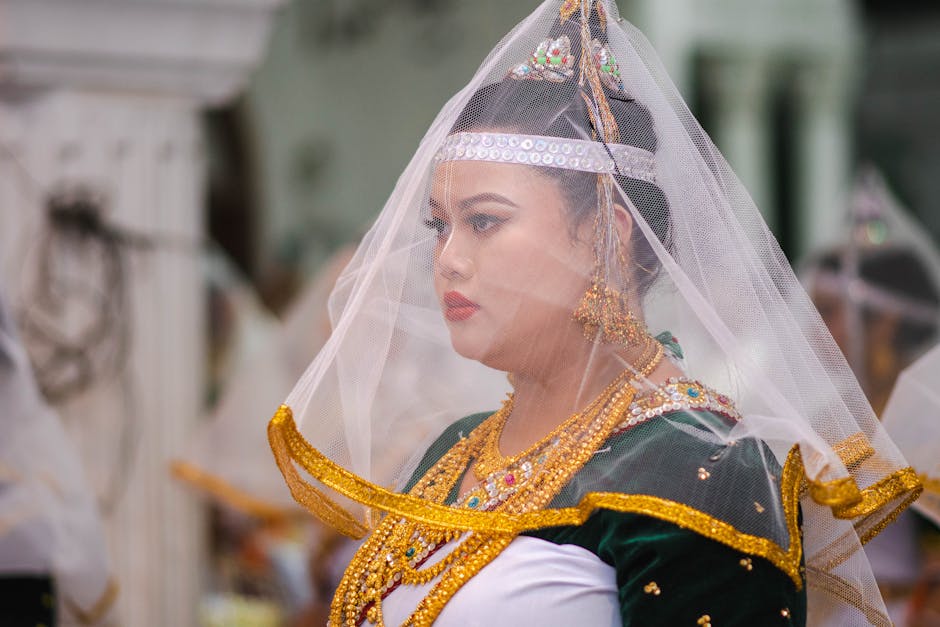
Close-up of a woman in traditional Manipuri attire during a cultural dance …, Manipur, India
FAQs: Your Manipur, India Questions Answered
1. Is Manipur, India safe at night?
Imphal is generally safe, but like anywhere, it’s wise to take precautions. Avoid walking alone in poorly lit areas late at night. Use pre-booked taxis for evening travel. Always check the latest travel advisories from your government regarding the state’s specific districts before planning.
2. What currency is used and are credit cards accepted?
The Indian Rupee (INR) is the currency. While major hotels and some upscale restaurants in Imphal accept credit/debit cards, cash is king, especially in markets, smaller eateries, and for transport. ATMs are widely available in the city.
3. How do I get from the airport to the city center?
Imphal International Airport is 8 km southwest of the city. Pre-paid taxi counters are available inside the terminal; a ride to Thangal Bazar costs around ₹300-400. Alternatively, you can book a private transfer in advance. Book airport transfers at GetYourGuide for convenience.
4. Do I need to speak the local language?
Not necessarily. English is commonly spoken in hotels, tourist spots, and by younger generations in Imphal. Learning a few basic Meiteilon phrases like “Yamna nungaijare” (thank you) will be greatly appreciated and enhance your interactions.
5. What’s the appropriate dress code?
Dress modestly and comfortably. For general sightseeing, light cotton trousers and shirts or tunics are perfect. For temple visits, ensure shoulders and knees are covered. A light jacket is essential for winter evenings and boat rides on Loktak Lake.
Final Thoughts: Manipur, India Awaits
Manipur offers a travel experience that feels genuinely undiscovered. Beyond its stunning natural beauty—from the drifting islands of Loktak to the rolling hills of Ukhrul—lies a cultural depth seen in its ancient dances, vibrant markets run by women, and living history at Kangla Fort. It’s a destination for the curious traveler, one who finds joy in authentic interactions and landscapes untouched by mass tourism. Your best bet
{“@context”: “https://schema.org”, “@type”: “FAQPage”, “mainEntity”: [{“@type”: “Question”, “name”: “What is the best time to visit Manipur?”, “acceptedAnswer”: {“@type”: “Answer”, “text”: “The best time to visit Manipur depends on your preferences. Generally, the dry season offers the most pleasant weather for sightseeing and outdoor activities.”}}, {“@type”: “Question”, “name”: “How many days do I need in Manipur?”, “acceptedAnswer”: {“@type”: “Answer”, “text”: “Most travelers spend 3-5 days in Manipur to see the main attractions. A week allows for a more relaxed pace and day trips.”}}, {“@type”: “Question”, “name”: “Is Manipur expensive to visit?”, “acceptedAnswer”: {“@type”: “Answer”, “text”: “Manipur can be visited on various budgets. Accommodation ranges from hostels to luxury hotels, and local restaurants offer affordable dining.”}}]}
Related Guides
Explore more destinations similar to Manipur:

