
West Bengal, India’s Epic Culture, Cuisine & Colonial Grandeur (2026)
While crowds flock to the Golden Triangle, West Bengal delivers a profound cultural immersion without the overwhelming tourist crush. Here, you can sip sweet *cha* from a clay cup for 10 rupees as a 150-year-old tram rattles past colonial facades in Kolkata, then find yourself in the Himalayan foothills the next day, all within a single, remarkably affordable state. Savvy travelers choose differently to experience India’s intellectual heart and staggering diversity firsthand.
Why West Bengal, India Stands Out

Green trees on green grass field during daytime, West Bengal, India
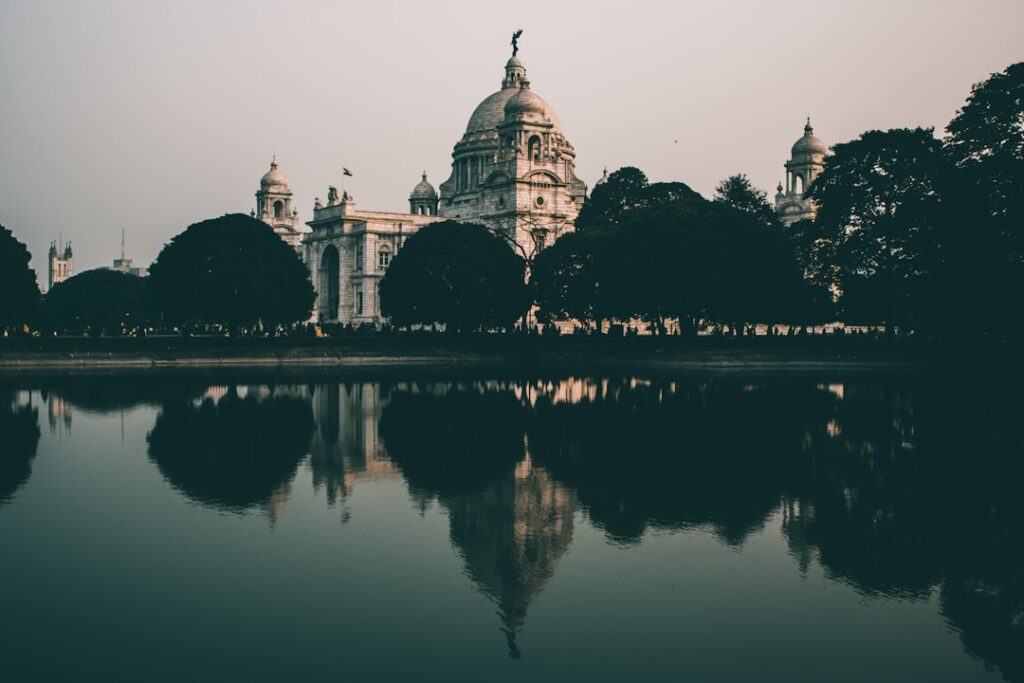
- Historic Architecture: The Victoria Memorial, completed in 1921, is a stunning white marble monument that perfectly encapsulates Kolkata’s colonial past and enduring grandeur.
- Cultural Scene: The Durga Puja festival transforms the entire state for five days each autumn, turning streets into breathtaking open-air art galleries with thousands of elaborate, temporary temples.
- Local Specialties: You must try a steaming plate of *Kosha Mangsho*, a slow-cooked, richly spiced mutton curry that is the soul of Bengali comfort food.
Pro Tip: To experience Kolkata’s famous festivals without the peak crowds, plan your visit for the week after Durga Puja (usually early October) or during the January Kolkata Book Fair. The city retains its festive buzz, but hotels are cheaper and attractions are far more accessible.
Map of West Bengal, India
Use these interactive maps to explore West Bengal, India and plan your route:
📍 View West Bengal, India on OpenStreetMap
🗺️ Open West Bengal, India in Google Maps
Planning Your Trip: Practical Essentials
Getting There and Around
- By Air: Netaji Subhas Chandra Bose International Airport (CCU) in Kolkata is the main gateway, served by international and domestic carriers. Pre-paid taxi counters offer fixed-rate rides to the city (approx. 500 INR). Book flights at Skyscanner for best deals.
- By Train: Howrah and Sealdah stations are major rail hubs. The Darjeeling Mail (overnight to New Jalpaiguri for Darjeeling) is a classic journey. Reserve tickets at Trainline or the national railway website.
- By Car: Driving is chaotic; hiring a car with a driver is recommended for day trips (from 2000 INR/day). Compare car rentals at RentalCars.com.
- Local Transport: Kolkata’s metro is efficient (10-25 INR). The iconic tram (7 INR) is a must for the experience. Yellow Ambassador taxis and app-based cabs (Uber, Ola) are ubiquitous.
Best Time to Visit
The ideal window is the cool, dry winter, but each season offers a distinct character, from monsoon mystique to springtime festivals.
| Season | Weather | Highlights |
|---|---|---|
| Summer (Jun–Aug) | Hot, humid (30-38°C) with heavy monsoon rains. | Lush landscapes, fewer tourists. Hill stations like Darjeeling are pleasant. City travel can be challenging. |
| Winter (Dec–Feb) | Cool and dry (12-27°C), perfect for exploration. | Peak season for festivals (Christmas, Book Fair), ideal for city tours and Sundarbans safaris. Book accommodation early. |
| Shoulder (Apr–May/Sep–Oct) | Warm to hot (25-35°C) with occasional showers. | Best for Durga Puja (Sep/Oct). Spring (Feb-Mar) has pleasant weather and the Holi festival. |
Budgeting for West Bengal, India

Man in white dress shirt riding on red and black trike, West Bengal, India
| Category | Budget | Mid-range | Luxury |
|---|---|---|---|
| Accommodation | Hostel/Guesthouse: 800-1500 INR | 3-4 Star Hotel: 4000-8000 INR | 5-Star Heritage/Resort: 12,000+ INR |
| Meals | Street Food/Local Eatery: 200-400 INR | Restaurant Meal: 600-1200 INR | Fine Dining: 2500+ INR |
| Transport | Metro/Tram/Bus: 100-200 INR | App Cabs/Day Taxi: 500-1500 INR | Private Car & Driver: 3000+ INR |
| Activities | Free Temples, Walking Tours: 0-500 INR | Museum Entries, Boat Tours: 500-1500 INR | Guided Sundarbans Safari: 8000+ INR |
| Daily Total | 1500-2500 INR | 6000-12,000 INR | 20,000+ INR |
Top Attractions and Must-See Sights
| Attraction | Description | Hours | Entry Fee |
|---|---|---|---|
| Victoria Memorial | A majestic marble museum and gardens showcasing Kolkata’s colonial history and art. | 10:00 AM – 5:00 PM (Closed Mon) | 30 INR (Indians), 500 INR (Foreigners) |
| Indian Museum | India’s oldest and largest museum, with fascinating galleries from archaeology to zoology. | 10:00 AM – 5:00 PM (Closed Mon) | 50 INR |
| Darjeeling Himalayan Railway | The famous “Toy Train,” a UNESCO World Heritage Site, offering breathtaking hill journeys. | Departs 10:00 AM from Darjeeling (Joyride) | Joyride: ~1500 INR (Foreigner) |
| Sundarbans National Park | The world’s largest mangrove forest and a UNESCO site, home to the Royal Bengal Tiger. | Safaris at Dawn & Dusk | Park Fee + Boat Safari: ~2000 INR/day |
3-Day Itinerary: West Bengal, India’s Highlights & Hidden Gems
Day 1: Colonial Kolkata & Culinary Delights
- Morning (7-9 AM): Start with a walk across the Howrah Bridge as the city wakes up. Then, take a ride on a vintage tram (Route 24/25 from Esplanade) for a moving view of colonial architecture.
- Afternoon (12-3 PM): Explore the grand Victoria Memorial and its gardens. For lunch, head to **Kewpie’s** in Elgin Street for an authentic Bengali *thali* (around 600 INR) in a charming old-house setting.
- Evening (6-8 PM): Witness the evening *aarti* ceremony at the Dakshineswar Kali Temple across the Hooghly River. Follow with dinner at **6 Ballygunge Place** for sublime *Kosha Mangsho*.
Day 2: Markets, Literature & River Life
- Morning (8 AM): Dive into the sensory overload of the **Flower Market** (Mallick Ghat) under Howrah Bridge—it’s free and unforgettable. Then, browse the century-old used book stalls along College Street.
- Afternoon: Visit the serene St. John’s Church and the adjacent South Park Street Cemetery, a hauntingly beautiful relic of the 18th century. Grab a quick lunch of *kathi rolls* at **Nizam’s** in New Market.
- Evening: Take a sunset boat ride on the Hooghly River from Prinsep Ghat (approx. 300 INR). Later, enjoy a cultural performance at the Indian Museum courtyard if available, or simply relax at a *cha* stall.
Day 3: Hill Station Escape (Darjeeling Preview)
- Morning (7 AM): If time is short, experience a hill station vibe locally. Take a shared taxi (approx. 2000 INR round-trip) to **Mohanpur** to see the iconic Coronation Bridge and the Teesta River. Alternatively, book a day tour to the tea gardens of **Dooars**.
- Afternoon: Visit a working tea estate like **Gopaldhara** for a factory tour and tasting (free, but purchase expected). Enjoy a simple lunch at a local dhaba with a view of the rolling hills.
- Evening: Return to Kolkata. For your final dinner, savor Chinese-Indian fusion at **Tung Fong** in Central Kolkata, a legacy of the Chinese community in Tangra, or enjoy a refined meal at **Oh! Calcutta**.
Cultural Insights & Etiquette
- Language: Bengali is the state language. Key phrases: *Nomoskar* (Hello), *Dhonnobad* (Thank You). English is widely understood in cities and tourist areas.
- Customs: Use your right hand for eating and giving/receiving items. Avoid touching books or someone’s head with your feet—books are revered. A slight bow with hands together (*pronam*) is a respectful greeting.
- Tipping: Not mandatory but appreciated. 50-100 INR for porters, 10% in mid-range restaurants (check if service charge is added). Round up taxi fares.
- Dress Code: Modesty is key. Cover shoulders and knees, especially at religious sites. Light, breathable cotton is ideal for the climate.
- Business Hours: Shops: 10:30 AM – 8:00 PM. Government offices: 10 AM – 5 PM (closed weekends). Many museums are closed on Mondays.
Where to Eat: West Bengal, India’s Best Bites
Bengali cuisine is a symphony of flavors—sweet, savory, spicy, and bitter, often balanced in a single meal. Fish and rice are staples, and meals are an elaborate, multi-course affair. Don’t miss the street food culture; it’s an integral part of the experience.
Must-Try Local Specialties
- Macher Jhol: The quintessential Bengali fish curry, light, turmeric-based, and served with rice. For a classic version, try **Kasturi** near Rabindra Sadan.
- Rosogolla & Sandesh: Bengal’s iconic sweets. **KC Das** is the legendary originator of the rosogolla, while **Balaram Mullick & Radharaman Mullick** in South Kolkata offer artisanal *sandesh*.
- Phuchka: Kolkata’s answer to pani puri, with a tangy tamarind water and mashed potato filling. The stalls at **Victoria Memorial** or **Southern Avenue** are legendary.
Restaurant Recommendations by Budget
| Type | Restaurant | Specialty | Price Range |
|---|---|---|---|
| Budget | **Bhojohori Manna** (multiple locations) | Authentic, no-fuss Bengali home-style meals | 300-600 INR |
| Mid-range | **Peter Cat** (Park Street) | Famous sizzling Chelo Kebabs and old-world charm | 800-1500 INR |
| Fine dining | **Sonargaon** (The Taj Bengal) | Exquisite Bengali and Indian royal cuisine in a luxurious setting | 3000+ INR |
Where to Stay
Kolkata offers everything from heritage palaces to backpacker hostels. The city center (around Park Street, Sudder Street) is most convenient for sightseeing. Book hill station stays in Darjeeling or Kalimpong months in advance for peak seasons. Compare prices and book at Booking.com or Airbnb for apartments.
Best Neighborhoods for Accommodation
- Park Street/Sudder Street Area: The tourist hub. Pros: Walking distance to major sights, great dining, transport links. Cons: Can be noisy and crowded. Best for first-time visitors and nightlife seekers.
- Ballygunge: An upscale, residential neighborhood. Pros: Quieter, excellent local restaurants, closer to South Kolkata’s attractions. Cons: Further from some central landmarks. Ideal for travelers seeking a local vibe.
- The Darjeeling Mall Road: If staying in the hills. Pros: Heart of Darjeeling, stunning mountain views, colonial charm. Cons: Can be very cold, crowded in season. Perfect for the classic hill station experience.

White and brown rocks near body of water during daytime, West Bengal, India
FAQs: Your West Bengal, India Questions Answered
1. Is West Bengal, India safe at night?
Kolkata is generally considered one of India’s safer major cities. Well-lit, busy areas like Park Street are fine at night. As always, exercise standard precautions: avoid isolated areas, use registered taxis or app-based cabs, and keep valuables secure. Solo travelers, especially women, should be cautious in less crowded places after dark.
2. What currency is used and are credit cards accepted?
The Indian Rupee (INR) is the currency. Credit and debit cards are widely accepted in hotels, larger restaurants, and shops in cities. However, you must carry sufficient cash for street food, local markets, rickshaws, and smaller establishments. ATMs are plentiful in urban areas.
3. How do I get from the airport to the city center?
The most reliable options are the pre-paid taxi counters inside the airport terminal (approx. 500 INR to Park Street, 45-90 mins depending on traffic). App-based cabs (Uber/Ola) operate from the designated pickup zone. There is also a direct bus service (Route AC-39) to the city. Book airport transfers at GetYourGuide for convenience.
4. Do I need to speak the local language?
Not at all for the main tourist trail. English is commonly spoken in hotels, restaurants, and by guides. Learning a few Bengali phrases, however, will be met with delighted smiles and can greatly enrich your interactions with locals outside the tourist centers.
5. What’s the appropriate dress code?
Opt for conservative, lightweight clothing. For men, trousers and shirts are fine. For women, long skirts, trousers, or dresses that cover the knees, with tops covering the shoulders, are recommended. Carrying a scarf is useful for temple visits. In hill stations like Darjeeling, pack warm layers regardless of the season.
Final Thoughts: West Bengal, India Awaits
West Bengal is not a destination you simply see; it’s one you feel and debate with. It’s the intellectual fervor of a coffee house debate, the profound devotion in a temple *aarti*, the untamed wilds of the Sundarbans, and the misty silence of a Darjeeling dawn. It challenges and charms in equal measure. Your best souvenir won’t be a trinket, but the memory of a conversation, a flavor, or a moment of unexpected beauty. For a journey that
Explore More Destinations
- Jozani, Tanzania on a Budget: an Ancient Forest for $35/Day (2026)
- Nsumbu, Zambia on a Budget: Wild Africa for $40/Day (2026)
- Semporna, Malaysia on a Budget: Paradise for $35/Day (2026)
- Khuzestan, Iran on a Budget: Ancient Empires for $30/Day (2026)
- Ngerulmud, Palau on a Budget: Island Majesty for $45/Day (2026)
Ready to Visit West Bengal?
Start planning your trip today. Compare hotels, find the best tours, and get insider tips.
Your adventure in West Bengal starts here →
Related Guides
Explore more destinations similar to West Bengal:
- Mljet, Croatia’s Hidden Salt Lakes, Sacred Forests & Adriatic Serenity (2026)
- Koh Nang Yuan, Thailand’s Essential Sandbars, Snorkeling & Aerial Vistas (2026)
- Los Roques, Venezuela’s Ultimate Seclusion, Sand & Spectacular Diving (2026)
- Lucerne Travel Guide: The Unforgettable Swiss Experience
{“@context”: “https://schema.org”, “@type”: “FAQPage”, “mainEntity”: [{“@type”: “Question”, “name”: “What is the best time to visit West Bengal?”, “acceptedAnswer”: {“@type”: “Answer”, “text”: “The best time to visit West Bengal depends on your preferences. Generally, the dry season offers the most pleasant weather for sightseeing and outdoor activities.”}}, {“@type”: “Question”, “name”: “How many days do I need in West Bengal?”, “acceptedAnswer”: {“@type”: “Answer”, “text”: “Most travelers spend 3-5 days in West Bengal to see the main attractions. A week allows for a more relaxed pace and day trips.”}}, {“@type”: “Question”, “name”: “Is West Bengal expensive to visit?”, “acceptedAnswer”: {“@type”: “Answer”, “text”: “West Bengal can be visited on various budgets. Accommodation ranges from hostels to luxury hotels, and local restaurants offer affordable dining.”}}]}

