
Haryana, India’s Incredible Heritage, Heartland & Culinary Grit (2026)
While crowds flock to the forts of Rajasthan, Haryana delivers a profound, unfiltered connection to India’s rural soul without the tourist premiums. Here, you won’t find palaces built for kings, but the living, breathing cradle of the ancient Indus Valley and Vedic civilizations. This is where the epic Mahabharata was fought on the plains of Kurukshetra, and where today, you can walk through mustard fields unchanged for millennia, all while being a 90-minute drive from Delhi’s international airport.
Why Haryana, India Stands Out

Brown concrete building near body of water during daytime, Haryana, India
- Historic Architecture: The 16th-century Sheikh Chilli’s Tomb in Kurukshetra, a serene Mughal-era complex dedicated to a Sufi saint, showcases exquisite Persian-inspired design amidst peaceful gardens.
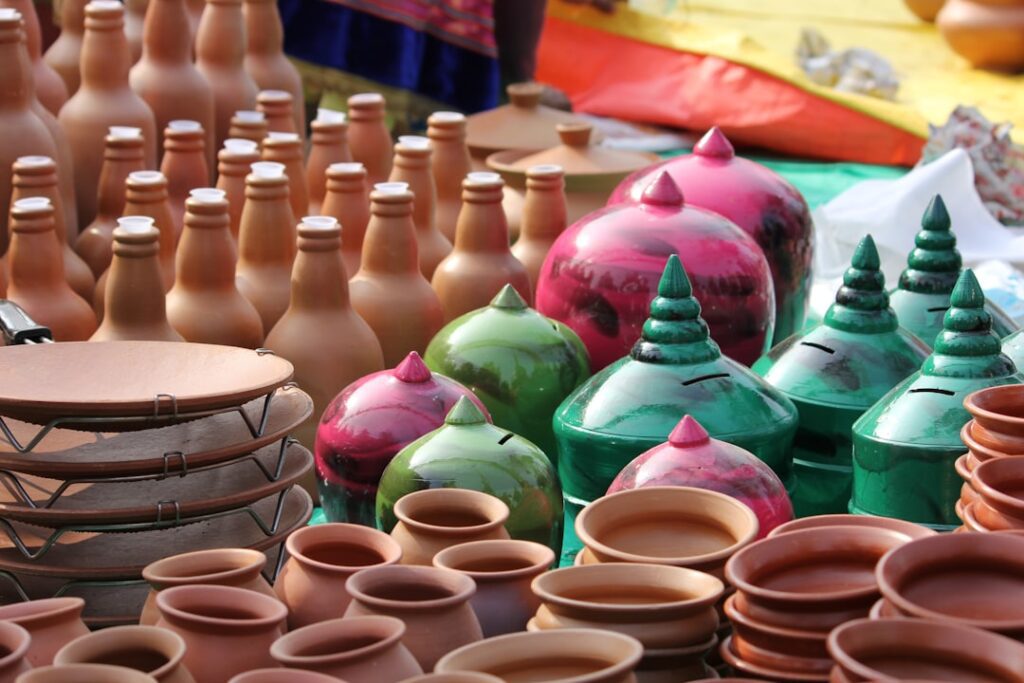
- Cultural Scene: The Surajkund International Crafts Mela each February transforms into a vibrant global village, where over 20 countries and every Indian state showcase handicrafts, folk dances, and cuisines in one spectacular fair.
- Local Specialties: You must try Kadhi Pakora, a tangy, spiced yogurt-based curry studded with deep-fried gram flour fritters, best enjoyed with steaming hot rice.
Pro Tip: For the perfect blend of weather and culture, visit in February. You’ll avoid the intense summer heat (April-June) and catch the world-famous Surajkund Mela. Arrive at major sites like Kurukshetra’s Brahma Sarovar just after sunrise to experience their spiritual ambiance in peaceful solitude.
Map of Haryana, India
Use these interactive maps to explore Haryana, India and plan your route:
📍 View Haryana, India on OpenStreetMap
🗺️ Open Haryana, India in Google Maps
Planning Your Trip: Practical Essentials
Getting There and Around
- By Air: Indira Gandhi International Airport (DEL) in Delhi is the primary gateway. From there, pre-book a cab for the 1.5-2 hour drive to cities like Gurugram or Faridabad. Book flights at Skyscanner for best deals.
- By Train: Haryana is well-connected via Indian Railways. The Shatabdi Express from Delhi to Kalka (via Chandigarh) stops at several Haryana stations. A journey from Delhi to Kurukshetra takes about 3 hours. Reserve tickets at Trainline or the national railway website.
- By Car: Driving from Delhi is straightforward via the NH44 or NH48 highways. Renting a car with a driver is a popular and cost-effective (approx. ₹2000-3000/day) way to explore. Compare car rentals at RentalCars.com.
- Local Transport: Auto-rickshaws are ubiquitous for short trips; always agree on a fare before starting. For inter-city travel, use Haryana Roadways buses, which are frequent and economical. Taxi apps like Uber and Ola operate efficiently in major cities like Gurugram.
Best Time to Visit
The ideal window to explore Haryana is during the cooler, dry months, aligning with major festivals. Summers can be brutally hot, while winters are crisp and pleasant, perfect for sightseeing.
| Season | Weather | Highlights |
|---|---|---|
| Summer (Jun–Aug) | Very Hot (30°C–45°C) with high humidity; occasional dust storms. | Few tourists; indoor museum visits; hotel rates are lowest. Not ideal for extensive outdoor exploration. |
| Winter (Dec–Feb) | Cool and Pleasant (5°C–22°C); mornings can be foggy. | Perfect for temple tours, heritage walks, and rural excursions. Peak season for the Surajkund Mela (Feb). |
| Shoulder (Oct–Nov/Mar) | Mild (18°C–30°C); clear skies and comfortable. | Excellent for all activities. Enjoy post-monsoon greenery in October or the festive spirit around Holi in March. |
Budgeting for Haryana, India

City skyline under blue and orange sky during sunset, Haryana, India
| Category | Budget | Mid-range | Luxury |
|---|---|---|---|
| Accommodation | ₹800-₹1500 (basic guesthouse) | ₹2500-₹5000 (3-4 star business hotel) | ₹7000+ (5-star resorts in Gurugram) |
| Meals | ₹200-₹400 (street food/dhaba) | ₹500-₹1000 (restaurant meal) | ₹1500+ (fine dining) |
| Transport | ₹200-₹400 (auto/bus) | ₹1000-₹2000 (cab for day trips) | ₹3000+ (private car & driver) |
| Activities | ₹0-₹200 (many temples/sites free) | ₹500 (museum entries, guided tours) | ₹2000+ (private heritage tours) |
| Daily Total | ₹1200-₹2500 | ₹4500-₹8500 | ₹13,500+ |
Top Attractions and Must-See Sights
| Attraction | Description | Hours | Entry Fee |
|---|---|---|---|
| Brahma Sarovar, Kurukshetra | A vast, ancient sacred tank where thousands of devotees take a holy dip, especially during solar eclipses. | Open 24 hours | Free |
| Sultanpur National Park (Bird Sanctuary) | A Ramsar site and haven for migratory birds like Siberian cranes, best visited in winter. | 7:00 AM – 5:30 PM | ₹40 (Indians), ₹200 (Foreigners) |
| Pinjore Gardens (Yadavindra Gardens) | A stunning 17th-century Mughal terraced garden with fountains, pavilions, and fragrant flower beds. | 7:00 AM – 10:00 PM | ₹25 |
| Chandigarh (Capital City) | Though a separate Union Territory, it’s the shared capital and a masterpiece of modernist architecture by Le Corbusier. | City-wide | Free (museums charge fees) |
3-Day Itinerary: Haryana, India’s Highlights & Hidden Gems
Day 1: The Epic Heartland of Kurukshetra
- Morning (7-9 AM): Start at the serene Brahma Sarovar. Witness the morning rituals and take a peaceful walk around the tank. Your best bet is to hire a local cycle-rickshaw (approx. ₹200 for 2 hours) to navigate the key sites.
- Afternoon (12-3 PM): Visit the Kurukshetra Panorama & Science Centre (₹50 entry) for a vivid audio-visual depiction of the Mahabharata war. For lunch, head to Bishan Dhaba on the Kurukshetra-Pehowa road for legendary stuffed parathas and lassi.
- Evening (6-8 PM): Explore the beautiful Sheikh Chilli’s Tomb complex in the golden hour light. Conclude with dinner at Haveli, a themed restaurant offering a grand thali meal with live folk music.
Day 2: From Mughal Gardens to Feathered Friends
- Morning (7:30 AM): Drive to Pinjore Gardens (approx. 1.5 hrs from Kurukshetra). Explore the seven terraces; the early visit avoids crowds. Don’t miss the mini-zoo and the historic Baoli (stepwell) within.
- Afternoon (12-3 PM): Head to Sultanpur National Park (30 mins drive). Rent binoculars at the gate (₹100) and stroll the trails spotting flamingos, herons, and eagles. Have a simple packed lunch or eat at the basic canteen.
- Evening (6 PM): Drive towards Gurugram. For dinner, experience the bustling Cyber Hub for a mix of upscale Indian and international cuisine. Try the regional platter at Punjab Grill.
Day 3: Modernism & Craftsmanship
- Morning (8 AM): Take a cab to Chandigarh (from Gurugram, approx. 3 hrs, ₹2500). Visit the iconic Rock Garden (₹30), a surreal 40-acre fantasyland built from industrial and urban waste by artist Nek Chand.
- Afternoon (1 PM): See the architectural marvel of the Capital Complex (Open House days on weekends) and have lunch at Swagath Restaurant in Sector 26 for excellent South Indian seafood.
- Evening (5 PM): If your visit coincides with the season (Feb), spend your final evening at the Surajkund Crafts Mela. If not, explore the boutique shops in Gurugram’s Galleria Market for handicrafts before a farewell dinner.
Cultural Insights & Etiquette
- Language: Hindi is the official language, with Haryanvi as the regional dialect. English is widely understood in cities and tourist areas. Useful phrases: “Ram Ram” (a common greeting), “Kitna hua?” (How much is it?).
- Customs: Haryana has a strong rural and agrarian culture. Respect is paramount. Always remove your shoes before entering a temple or someone’s home. Use your right hand for eating and giving/receiving items.
- Tipping: Not mandatory but appreciated. In restaurants, 5-10% of the bill is fine if service charge isn’t included. For drivers/guides, ₹200-500 per day is customary.
- Dress Code: Modest dress is advised, especially at religious sites. Cover shoulders and knees. In rural areas, avoid overly revealing clothing to blend in respectfully.
- Business Hours: Shops generally open 10:00 AM – 8:00 PM. Government offices and museums often close on Mondays. Major festivals like Diwali and Holi may see widespread closures.
Where to Eat: Haryana, India’s Best Bites
Haryanvi cuisine is robust, earthy, and designed for the hard-working farmer. It’s characterized by abundant use of dairy (ghee, buttermilk), gram flour, and locally grown millets and vegetables. The quintessential experience is at a highway ‘dhaba’ (roadside eatery).
Must-Try Local Specialties
- Bajra Khichdi: A hearty porridge made from pearl millet and lentils, often served with a dollop of ghee and tangy kadhi or buttermilk. Best tried in a rural home-stay or at traditional eateries in smaller towns.
- Singri ki Sabzi: A unique dried desert bean cooked in a spicy yogurt gravy. This winter specialty is a true taste of the region’s ingenuity and is served in local restaurants in districts like Sirsa.
- Hara Dhania Cholia: A fresh, vibrant curry made with tender green chickpeas and coriander, typically enjoyed with makki ki roti (cornbread). Find it seasonally (spring) at markets and traditional thali restaurants.
Restaurant Recommendations by Budget
| Type | Restaurant | Specialty | Price Range |
|---|---|---|---|
| Budget | Mohan’s Dhaba, NH44 near Murthal | Legendary all-you-can-eat parathas with white butter | ₹200-₹400 per person |
| Mid-range | Chotu Motu Rajput, Faridabad | Authentic Haryanvi thali with multiple curries and desserts | ₹500-₹800 per person |
| Fine dining | Damroo’s The Haryanvi, Gurugram | Upscale regional cuisine in a themed setting with live folk music | ₹1200-₹2000 per person |
Where to Stay
Accommodation ranges from business-centric hotels in the National Capital Region (NCR) cities to basic guesthouses in pilgrimage towns. For a unique experience, consider a farmstay near Surajkund or a heritage property in Farrukhnagar. Compare prices and book at Booking.com or Airbnb for apartments.
Best Neighborhoods for Accommodation
- Gurugram (Cyber City/DLF Phase): The modern face of Haryana, packed with international hotels, malls, and restaurants. Ideal for business travelers and those seeking convenience, but less “cultural.”
- Faridabad (Sector): A well-planned residential city with good mid-range hotels. It’s a practical, quieter base for exploring the Surajkund Mela and nearby attractions like the Asola Bhatti Wildlife Sanctuary.
- Kurukshetra (Near Brahma Sarovar): Offers basic to mid-range hotels and dharamshalas (pilgrim guesthouses). Perfect for travelers focused on the historic and spiritual sites, providing an immersive experience.

A small bird sitting on top of a tree branch, Haryana, India
FAQs: Your Haryana, India Questions Answered
1. Is Haryana, India safe at night?
Major cities like Gurugram and Faridabad are generally safe, with well-lit areas and active nightlife. However, as in any destination, it’s wise to avoid isolated areas late at night. In smaller towns, evenings are quiet. Always use registered taxi services or apps like Ola/Uber for night travel.
2. What currency is used and are credit cards accepted?
The Indian Rupee (INR) is the currency. Credit and debit cards are widely accepted in hotels, malls, and upscale restaurants in cities. However, in rural areas, dhabas, small shops, and auto-rickshaws operate on cash. Your best bet is to always carry a mix of cash (especially smaller denominations) and cards.
3. How do I get from the airport to the city center?
From Delhi’s IGI Airport, pre-paid taxi counters are the most reliable option. A cab to Gurugram costs ₹1200-₹1500 and takes 1.5-2 hours depending on traffic. App-based cabs (Uber/Ola) are also available at the designated pick-up points. For a hassle-free experience, you can book airport transfers at GetYourGuide for convenience.
4. Do I need to speak the local language?
Not necessarily. English is
Explore More Destinations
- Jozani, Tanzania on a Budget: an Ancient Forest for $35/Day (2026)
- Nsumbu, Zambia on a Budget: Wild Africa for $40/Day (2026)
- Semporna, Malaysia on a Budget: Paradise for $35/Day (2026)
- Khuzestan, Iran on a Budget: Ancient Empires for $30/Day (2026)
- Ngerulmud, Palau on a Budget: Island Majesty for $45/Day (2026)
Ready to Visit Haryana?
Start planning your trip today. Compare hotels, find the best tours, and get insider tips.
Your adventure in Haryana starts here →
Related Guides
Explore more destinations similar to Haryana:
- Pitlochry, Scotland’s Essential Whisky, Waterfalls & Victorian Grandeur (2025)
- Lençóis Brazil, Brazil’s Hidden Waterfalls, Caves & Colonial Charm (2026)
- Tsingy’s Formations, Madagascar’s Best Stone Forests, Lemurs & Epic Adventure (2026)
- Danilovgrad, Montenegro: Ultimate Authentic Culture, Dramatic Canyons & Hearty Cuisine (2026)

