
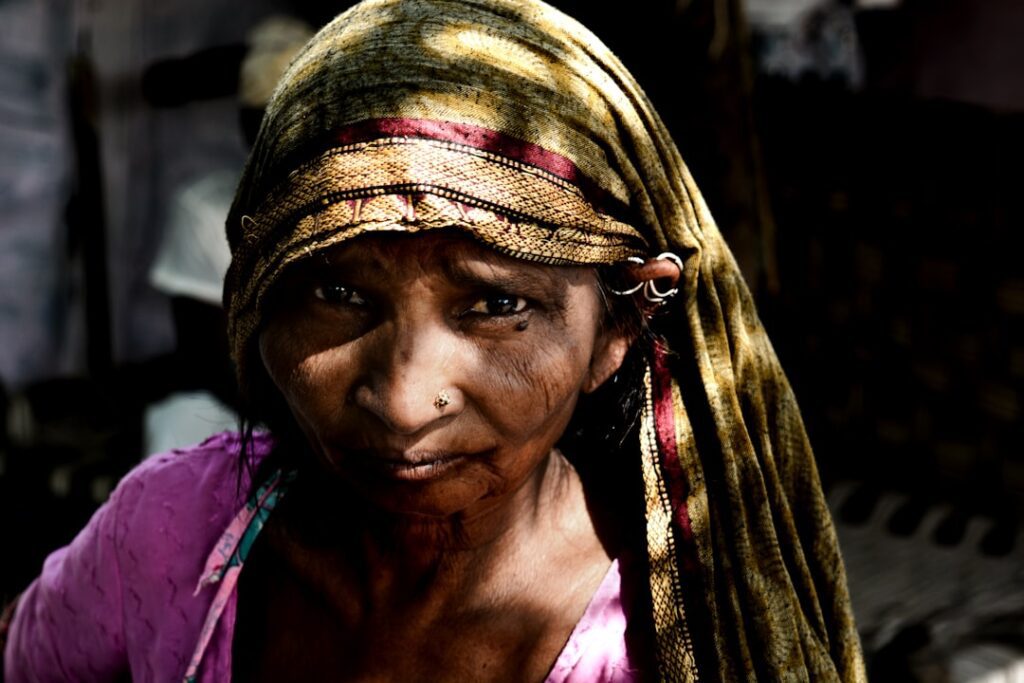
Gujarat, India’s Hidden Wildlife, Ancient Temples & Vibrant Textiles (2026)
While over 10 million international tourists head to the Golden Triangle annually, fewer than 200,000 venture to Gujarat, India’s westernmost state. Yet here, you can track the last 700 Asiatic lions on Earth in their only natural habitat, wander through a 15th-century stepwell that descends five stories underground, and watch artisans weave silk so fine it was once reserved for Mughal emperors. This is India, distilled and undiscovered.
Why Gujarat, India Stands Out

Silhouette of peacock, Gujarat, India
- Historic Architecture: The 15th-century Rani ki Vav in Patan is a UNESCO-listed inverted temple and a masterpiece of Maru-Gurjara architecture, with over 500 principal sculptures.
- Cultural Scene: The nine-night Navratri festival transforms the entire state into a whirl of synchronized Garba dance, with locals in dazzling chaniya cholis dancing until dawn.
- Local Specialties: You must try a full Gujarati Thali, a symphony of sweet, spicy, and sour flavors featuring dishes like undhiyu and shrikhand, served on a silver platter.
Pro Tip: For the perfect blend of weather and culture, visit in late September or October. You’ll catch the tail end of the monsoon’s greenery and the beginning of the festive season, including Navratri, while avoiding the peak winter tourist rush in December and January.
Map of Gujarat, India
Use these interactive maps to explore Gujarat, India and plan your route:
📍 View Gujarat, India on OpenStreetMap
🗺️ Open Gujarat, India in Google Maps
Planning Your Trip: Practical Essentials
Getting There and Around
- By Air: Sardar Vallabhbhai Patel International Airport (AMD) in Ahmedabad is the main international gateway, with direct flights from London, Dubai, and Singapore. Book flights at Skyscanner for best deals.
- By Train: Gujarat is exceptionally well-connected by Indian Railways. The Rajdhani Express from Delhi to Ahmedabad takes about 12 hours. Reserve tickets at Trainline or the national railway website.
- By Car: Renting a car with a driver is the most flexible way to explore. The drive from Ahmedabad to the Gir Forest is about 7 hours. Compare car rentals at RentalCars.com.
- Local Transport: Auto-rickshaws are ubiquitous and affordable (₹50-100 for short hops). For intercity travel, state-run buses (GSRTC) are reliable and very cheap.
Best Time to Visit
The ideal window to visit Gujarat is during the cool, dry winter months. The summer is fiercely hot, while the monsoon brings lush landscapes but high humidity. The festive period from September to February is particularly vibrant.
| Season | Weather | Highlights |
|---|---|---|
| Summer (Jun–Aug) | Very hot, 30°C–45°C (86°F–113°F), dry heat | Lowest prices and crowds; best for indoor museums and early morning activities. |
| Winter (Dec–Feb) | Pleasant, 10°C–28°C (50°F–82°F), sunny days | Perfect for wildlife safaris, temple-hopping, and desert festivals like the Rann Utsav. |
| Shoulder (Apr–May/Sep–Oct) | Warm to hot, 25°C–38°C (77°F–100°F) | Great for experiencing Navratri (Sep/Oct) and enjoying post-monsoon greenery with fewer tourists than winter. |
Budgeting for Gujarat, India

Tesbih praying beads of person’s left palm, Gujarat, India
| Category | Budget | Mid-range | Luxury |
|---|---|---|---|
| Accommodation | ₹800-1,500/night (guesthouses, hostels) | ₹3,000-7,000/night (3-4 star hotels, heritage stays) | ₹12,000+/night (5-star resorts, luxury tents at Rann Utsav) |
| Meals | ₹200-400 (street food, local thali joints) | ₹600-1,200 (restaurant thalis, multi-cuisine) | ₹2,000+ (fine dining, curated experiences) |
| Transport | ₹300/day (local buses, auto-rickshaws) | ₹1,500-2,500/day (taxi for day trips, AC train) | ₹5,000+/day (private car with driver) |
| Activities | Free (beaches, temples) to ₹500 (museum entry) | ₹1,200-2,500 (Gir safari, guided heritage walks) | ₹4,000+ (private guided tours, special access) |
| Daily Total | ₹1,500-2,500 | ₹6,000-12,000 | ₹20,000+ |
Top Attractions and Must-See Sights
| Attraction | Description | Hours | Entry Fee |
|---|---|---|---|
| Gir National Park | The only place on Earth to see wild Asiatic lions, alongside leopards and antelope. | Safaris at 6:30 AM & 3 PM (Oct-Jun) | ₹1,200-1,800 per safari + guide fee |
| Rani ki Vav, Patan | An 11th-century stepwell, a UNESCO World Heritage site, famed for its intricate sculptures of deities. | 8:00 AM – 6:00 PM | ₹40 for Indians, ₹600 for foreigners |
| The Great Rann of Kutch | A vast, surreal salt desert that appears to stretch into infinity, especially magical under a full moon. | 24/7, best visited Oct-Feb | Free, but permits needed for certain areas |
| Sabarmati Ashram, Ahmedabad | Mahatma Gandhi’s serene riverside headquarters from 1917-1930, where he planned the Dandi March. | 8:30 AM – 6:30 PM | Free |
3-Day Itinerary: Gujarat, India’s Highlights & Hidden Gems
Day 1: Ahmedabad’s Heritage & Handicrafts
- Morning (7-9 AM): Start with a peaceful walk along the Sabarmati Riverfront, then explore the Sabarmati Ashram when it opens. Your best bet is to hire the audio guide (₹100) for deep historical context.
- Afternoon (12-3 PM): Dive into the old city for a guided heritage walk through the Pols (walled neighborhoods). Stop for a legendary Gujarati thali at Agashiye (₹1,200), set on a beautiful terrace overlooking the city.
- Evening (6-8 PM): Witness the ritual of the evening border-closing ceremony at the Attari-Wagah border (a unique spectacle). For dinner, head to Vishalla, an experiential village-themed restaurant serving food on leaf plates under the stars.
Day 2: Stepwells & Silk Weaving
- Morning (Early Departure): Hire a taxi (approx. ₹3,000 round trip) for the 2-hour drive to Patan. Your first stop is the breathtaking Rani ki Vav. Arrive by 10 AM to see the sunlight illuminate the sculptures.
- Afternoon: Visit the Patola House to see the painstaking process of double-ikat silk weaving—a single sari can take 6 months to complete. Have a simple local lunch at Hotel Patan.
- Evening: Return to Ahmedabad and explore the Law Garden Night Market for handicrafts and street food. Try the famous *Gwalior* dosa or *pani puri* from a bustling stall.
Day 3: Into the Wild at Gir
- Morning (5 AM): Take an early morning flight or a pre-arranged car (4-5 hour drive) to Sasan Gir. Check into your forest lodge and head straight for your pre-booked afternoon safari.
- Afternoon: Your 3 PM safari is prime time for spotting lions. Keep an eye out for the majestic males and playful cubs. Guides often know the prides’ favorite spots.
- Evening: Enjoy a relaxed dinner at your lodge, sharing stories of the day’s sightings. Many lodges, like the Fern Gir Forest Resort, offer cultural performances in the evening.
Cultural Insights & Etiquette
- Language: Gujarati is the local language. Hindi is widely understood, and English is common in tourist areas. Learn “Kem cho?” (How are you?) and “Aavjo” (Goodbye).
- Customs: Gujarat is largely vegetarian and alcohol-free due to strong Jain and Gandhian influences. Public consumption of alcohol is frowned upon and availability is limited to specific hotels.
- Tipping: Not mandatory but appreciated. In restaurants, 5-10% is fine if service charge isn’t included. Tip safari guides and drivers ₹200-500.
- Dress Code: Modesty is key. Shoulders and knees should be covered, especially when visiting temples and rural areas. Light, breathable cotton is ideal.
- Business Hours: Shops generally open 10 AM-7 PM, with a break in the afternoon. Many close on Sundays. Major holidays like Diwali and Navratri can see widespread closures.
Where to Eat: Gujarat, India’s Best Bites
Gujarati cuisine is a revelation—primarily vegetarian, it masterfully balances sweet, salty, spicy, and tangy flavors in one meal. Dining is often a thali experience, with an array of small bowls served with rice, rotis, and desserts.
Must-Try Local Specialties
- The Gujarati Thali: The ultimate culinary experience. Don’t miss the *dal dhokli* (lentil stew with wheat dumplings) and *keri no ras* (raw mango pulp). Try it at Agashiye in Ahmedabad or Gordhan Thal in multiple cities.
- Dhokla: A savory, steamed fermented cake made from rice and chickpea batter, typically enjoyed as a snack with green chutney. The best are found at local stalls or Jay Mahakali Dhokla in Ahmedabad.
- Undhiyu: A complex, slow-cooked winter dish of mixed vegetables, fenugreek dumplings, and spices, traditionally cooked upside-down in an earthen pot. For an authentic taste, seek it out during winter months at traditional restaurants.
Restaurant Recommendations by Budget
| Type | Restaurant | Specialty | Price Range |
|---|---|---|---|
| Budget | Swati Snacks, Ahmedabad | Legendary *pani puri* and innovative vegetarian snacks | ₹200-400 per person |
| Mid-range | Gordhan Thal, Ahmedabad & Vadodara | Unlimited, authentic Gujarati thali in a lively setting | ₹600-900 per person |
| Fine dining | Vishalla, Ahmedabad | An immersive village-style dining experience with traditional表演 | ₹1,200-1,800 per person |
Where to Stay
Accommodation ranges from heritage havelis and palace hotels to comfortable budget lodges and luxurious tent cities in the Rann of Kutch. Book well in advance for festivals. Compare prices and book at Booking.com or Airbnb for apartments.
Best Neighborhoods for Accommodation
- Ahmedabad (City Center): Ideal for first-time visitors, with easy access to the Ashram, museums, and restaurants. It’s bustling but convenient. Suits culture and food lovers.
- Sasan Gir: The base for wildlife enthusiasts. Options range from forest department guesthouses to luxury jungle lodges. You’re here for the safaris and the sounds of the forest.
- Bhuj or Dhordo (Kutch): The gateway to the Great Rann. Stay in Bhuj for heritage or in the temporary, magical tent cities of Dhordo during the Rann Utsav for a once-in-a-lifetime experience.

Low-angle photo on concrete building under blue sky, Gujarat, India
FAQs: Your Gujarat, India Questions Answered
1. Is Gujarat, India safe at night?
Gujarat is considered one of India’s safest states. Ahmedabad and other major cities are generally safe to walk in at night in well-lit, populated areas. As always, exercise standard precautions: avoid isolated areas, and women may feel more comfortable traveling in groups after dark.
2. What currency is used and are credit cards accepted?
The Indian Rupee (INR) is the currency. Credit and debit cards are widely accepted in hotels, larger restaurants, and shops in cities. However, you’ll need cash for auto-rickshaws, street food, local markets, and in smaller towns. ATMs are readily available.
3. How do I get from the airport to the city center?
From Ahmedabad’s SVPI Airport, pre-paid taxis are the most reliable option, costing around ₹400-500 to the city center (a 30-minute ride). App-based cabs like Uber and Ola also operate. For hassle-free arrival, book airport transfers at GetYourGuide for convenience.
4. Do I need to speak the local language?
Not at all. While Gujarati is the local tongue, Hindi serves as a lingua franca. English is commonly spoken in the tourism and hospitality industry—hotels, tour guides, and upscale restaurants. Learning a few basic Gujarati greetings, however, will earn you warm smiles.
5. What’s the appropriate dress code?
Modest, conservative clothing is recommended. For both men and women, clothes that cover shoulders and knees are essential, especially for temple visits. Light, loose-fitting cotton is perfect for the climate. If attending a Garba dance during Navratri, women can rent a traditional *chaniya choli*.
Final Thoughts: Gujarat, India Awaits
Gujarat offers a travel experience that feels both profoundly ancient and vibrantly alive. It’s where you can trace the footsteps of Gandhi, stand in awe of craftsmanship passed down for generations, and lock eyes with a regal Asiatic lion in the golden light of dawn. This is not the India of crowded tourist trails, but of authentic encounters and staggering diversity. Savvy travelers know that the true magic lies in the details: the taste of a perfectly balanced thali, the intricate carvings in a sunlit stepwell, the silence of the salt desert at sunset.
{“@context”: “https://schema.org”, “@type”: “FAQPage”, “mainEntity”: [{“@type”: “Question”, “name”: “What is the best time to visit Gujarat?”, “acceptedAnswer”: {“@type”: “Answer”, “text”: “The best time to visit Gujarat depends on your preferences. Generally, the dry season offers the most pleasant weather for sightseeing and outdoor activities.”}}, {“@type”: “Question”, “name”: “How many days do I need in Gujarat?”, “acceptedAnswer”: {“@type”: “Answer”, “text”: “Most travelers spend 3-5 days in Gujarat to see the main attractions. A week allows for a more relaxed pace and day trips.”}}, {“@type”: “Question”, “name”: “Is Gujarat expensive to visit?”, “acceptedAnswer”: {“@type”: “Answer”, “text”: “Gujarat can be visited on various budgets. Accommodation ranges from hostels to luxury hotels, and local restaurants offer affordable dining.”}}]}
Related Guides
Explore more destinations similar to Gujarat:
- Manipur, India’s Hidden Polo, Floating Islands & Living Traditions (2026)
- Kabul, Afghanistan’s Hidden History, Resilience & Mountain Majesty (2026)
- Zadar’s Hidden Sea Organ Sunsets, Roman Ruins & Adriatic Cuisine (2025)
- Antigua Guatemala, Guatemala: Essential Colonial Charm, Volcanic Hikes & Coffee Culture (2025)

