
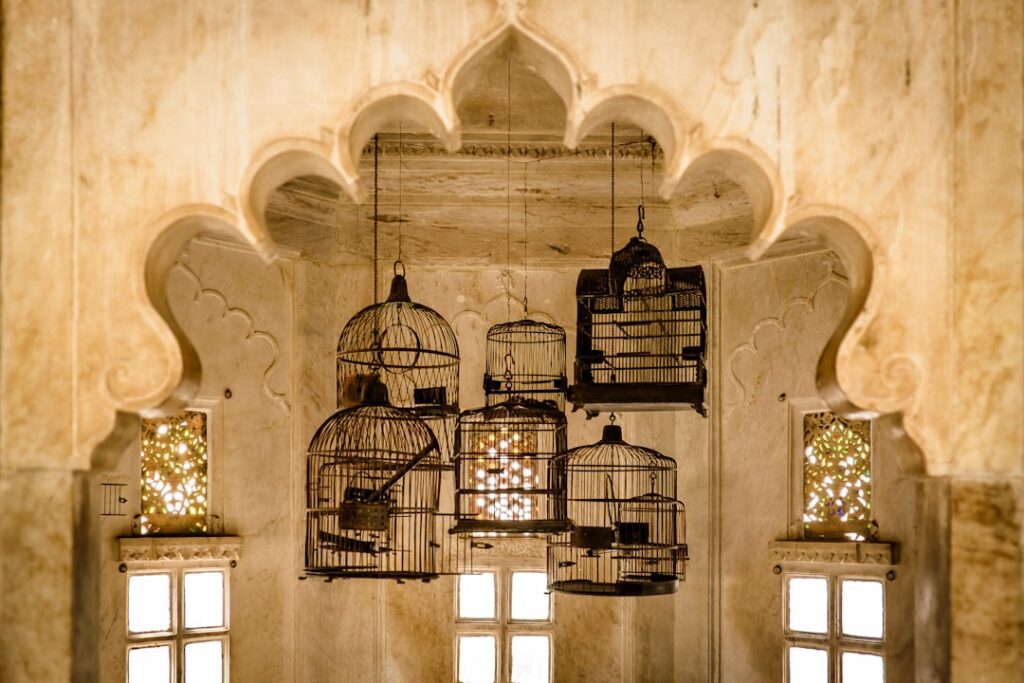
Rajasthan, India’s Hidden Forts, Festivals & Royal Hospitality (2026)
Sunrise at the Ghats of Pushkar reveals a thousand pilgrims descending marble steps into the sacred lake, their murmured prayers mingling with the scent of marigolds and incense. As the first light hits the desert fortress of Jaisalmer, turning it to molten gold, you realize this isn’t just a state—it’s a living museum of Rajput valor, where 19 former princely kingdoms left behind over 200 forts and palaces. While many travelers stick to the “Golden Triangle,” Rajasthan’s true magic unfolds in the rhythm of its rural villages and the grandeur of its forgotten citadels.
Why Rajasthan, India Stands Out

Brown concrete building during daytime, Rajasthan, India
- Historic Architecture: The 15th-century Mehrangarh Fort in Jodhpur, towering 400 feet above the “Blue City,” is one of India’s most formidable and well-preserved forts, with palaces carved from rock within its walls.
- Cultural Scene: The Pushkar Camel Fair every November transforms a holy town into a vibrant spectacle of 50,000 camels, traders, musicians, and pilgrims—a cultural immersion unlike any other.
- Local Specialties: You must try Laal Maas, a fiery mutton curry slow-cooked with Mathania red chilies, a dish born in the royal kitchens of Jodhpur to warm warriors in the desert cold.
Pro Tip: To avoid the extreme heat and peak tourist crowds, plan your visit for the shoulder months of October-November or February-March. For a truly magical experience, book a heritage hotel (a former palace or haveli) in a smaller city like Bundi or Mandawa—you’ll get royal treatment at half the price and crowds of Udaipur or Jaipur.
Map of Rajasthan, India
Use these interactive maps to explore Rajasthan, India and plan your route:
📍 View Rajasthan, India on OpenStreetMap
🗺️ Open Rajasthan, India in Google Maps
Planning Your Trip: Practical Essentials
Getting There and Around
- By Air: Jaipur International Airport (JAI) is the main gateway, with direct flights from major Indian cities and some international hubs like Dubai. From the airport, a pre-paid taxi to the city center costs about ₹500-700. Book flights at Skyscanner for best deals.
- By Train: Rajasthan is excellently connected by Indian Railways. The Shatabdi and Rajdhani Express trains offer comfortable travel between cities (e.g., Delhi to Jaipur takes 4-5 hours). Reserve tickets at Trainline or the national railway website.
- By Car: Hiring a car with a driver is a popular and practical way to explore. A typical rate is ₹2000-3000 per day, including fuel and driver. Self-driving is challenging due to traffic. Compare car rentals at RentalCars.com.
- Local Transport: Auto-rickshaws are ubiquitous; always agree on a fare before riding (₹50-100 for short hops). Intercity buses are cheap but crowded; opt for private Volvo buses for longer journeys like Jaipur to Udaipur.
Best Time to Visit
The ideal time to visit is during the cool, dry winter, which is also festival season. Summers are fiercely hot, while the monsoon brings brief, refreshing rains to the desert.
| Season | Weather | Highlights |
|---|---|---|
| Summer (Jun–Aug) | Extremely hot, 40°C to 48°C (104°F to 118°F), dry | Lowest prices and crowds; best for indoor palace tours early in the day; very challenging for exploration. |
| Winter (Dec–Feb) | Pleasant and cool, 10°C to 27°C (50°F to 80°F), sunny days | Perfect for desert safaris and city tours; peak tourist season with major festivals like Pushkar Fair and Desert Festival; book everything in advance. |
| Shoulder (Apr–May/Sep–Oct) | Warm to hot, 25°C to 38°C (77°F to 100°F) | Good deals on heritage stays; September-October sees festive preparations; April can be very warm but manageable with planning. |
Budgeting for Rajasthan, India

Portrait photograph of camel, Rajasthan, India
| Category | Budget | Mid-range | Luxury |
|---|---|---|---|
| Accommodation | ₹800-1500 (hostels/guesthouses) | ₹4000-8000 (heritage hotels/boutique stays) | ₹15,000+ (palace hotels like Taj/Rambagh) |
| Meals | ₹200-500 (street food/thalis) | ₹800-1500 (restaurant meals) | ₹3000+ (fine dining) |
| Transport | ₹300-500 (buses/auto-rickshaws) | ₹2000-3000 (car with driver per day) | ₹5000+ (private chauffeur) |
| Activities | ₹0-500 (free temples, walking tours) | ₹1000-2000 (fort entries, camel safari) | ₹5000+ (private guided tours, hot air balloon) |
| Daily Total | ₹1300-2500 (~$16-30) | ₹7800-14500 (~$95-175) | ₹23,000+ (~$275+) |
Top Attractions and Must-See Sights
| Attraction | Description | Hours | Entry Fee |
|---|---|---|---|
| Amber Fort, Jaipur | A majestic 16th-century fort complex with mirrored halls, elephant rides (controversial), and stunning Maota Lake views. | 8:00 AM – 5:30 PM | ₹500 for foreigners, ₹100 for Indians |
| Mehrangarh Fort, Jodhpur | An imposing fortress museum with intricate palaces, a fascinating history gallery, and panoramic views of the blue-hued city below. | 9:00 AM – 5:00 PM | ₹600 for foreigners, ₹100 for Indians |
| City Palace, Udaipur | A sprawling palace complex on Lake Pichola’s banks, featuring exquisite mosaics, courtyards, and the famous peacock windows. | 9:30 AM – 5:30 PM | ₹300 for foreigners, ₹100 for Indians |
| Jaisalmer Fort | A UNESCO World Heritage Site and one of the world’s last “living forts,” with homes, temples, and guesthouses within its golden sandstone walls. | Open 24 hrs (shops 9 AM-9 PM) | No fort entry fee; fees for specific havelis |
3-Day Itinerary: Rajasthan, India’s Highlights & Hidden Gems
Day 1: The Pink City’s Majesty & Markets
- Morning (7-9 AM): Beat the crowds at the Hawa Mahal (Palace of Winds). Arrive at opening to see its 953 windows glow in the soft morning light without the tour buses. Entry: ₹200.
- Afternoon (12-3 PM): Explore the astronomical wonders of Jantar Mantar, then lunch at Laxmi Mishthan Bhandar (LMB) in Johari Bazaar for a legendary Rajasthani Thali and their famous Pyaaz Kachori.
- Evening (6-8 PM): Witness the chaotic charm of Jaipur from the Nahargarh Fort viewpoint at sunset, followed by a regal dinner at 1135 AD in Amber, set in a 12th-century palace.
Day 2: Desert Colors & Citadels
- Morning (Early Activity): Take a 6 AM shared jeep (₹400 per person) from Jaisalmer to the Sam Sand Dunes. A sunrise camel ride (₹500-800) here is quieter and more atmospheric than at sunset.
- Afternoon: Return to explore the labyrinthine lanes and ornate merchant havelis (like Patwon Ki Haveli, entry ₹120) within Jaisalmer Fort. Lunch at Desert Boy’s Dhani for authentic local fare.
- Evening: Attend a cultural performance at the Jaisalmer Fort Palace Museum terrace as the golden fort illuminates, then dine at 1st Gate Hotel for rooftop views.
Day 3: Lake City Romance & Craft
- Morning: Fly or take an early train to Udaipur (flight ~1hr, from ₹3000; overnight train from Jaisalmer also an option). Visit the serene Jagdish Temple and the intricate City Palace.
- Afternoon: Take a boat ride (₹400) on Lake Pichola to the marble Jag Mandir island palace. Enjoy a lakeside lunch at Ambrai Restaurant, with unmatched views of the City Palace.
- Evening: Browse the exquisite miniature paintings at the Bharatiya Lok Kala Museum, then enjoy a final royal feast at Raaj Bagh by the lake.
Cultural Insights & Etiquette
- Language: Hindi is official, but Rajasthani dialects are common. Key phrases: “Khamma Ghani” (Hello/Respectful greeting), “Shukriya” (Thank you). English is widely understood in tourist areas.
- Customs: Always remove shoes before entering temples or homes. Use your right hand for eating and giving/receiving items. Public displays of affection are frowned upon.
- Tipping: Not mandatory but appreciated. Tip drivers ₹100-200 per day, restaurant staff 10% if service charge isn’t included, and hotel porters ₹50 per bag.
- Dress Code: Dress modestly, especially at religious sites. Cover shoulders and knees. Light, breathable cotton is ideal. A scarf is useful for women.
- Business Hours: Shops generally open 10 AM-7 PM, often closing 1-4 PM for lunch. Many museums are closed on national holidays like Republic Day (Jan 26).
Where to Eat: Rajasthan, India’s Best Bites
Rajasthani cuisine is a hearty legacy of the arid landscape and warrior culture, featuring drought-resistant ingredients like gram flour, millet, and lentils, often cooked in ghee and spiced for preservation.
Must-Try Local Specialties
- Dal Baati Churma: The state’s signature dish: baked wheat balls (baati) served with lentil curry (dal) and a sweet crushed wheat mixture (churma). Try it at Chokhi Dhani (Jaipur) for the full cultural experience.
- Gatte Ki Sabzi: Gram flour dumplings in a spicy yogurt-based curry. For an authentic version, head to Shri Mishrilal Hotel in Udaipur near the ghats.
- Mohan Maas: A luxurious, slow-cooked mutton dish in a rich, mild gravy of milk, cream, and almonds. A royal specialty best sampled at fine dining venues like Sheesh Mahal at the Lake Palace Hotel.
Restaurant Recommendations by Budget
| Type | Restaurant | Specialty | Price Range |
|---|---|---|---|
| Budget | Santosh Bhojanalaya, Jaipur (near Hawa Mahal) | Unlimited vegetarian thali in a no-frills setting | ₹150-250 per person |
| Mid-range | Jharokha, Jodhpur (inside Mehrangarh Fort) | Classic Rajasthani dishes with a breathtaking fort view | ₹800-1200 per person |
| Fine dining | Upre by 1559 AD, Udaipur | Modern Indian fusion in a 350-year-old heritage haveli with lake views | ₹2500+ per person |
Where to Stay
Your accommodation can be a highlight, from converted palaces and merchant mansions (havelis) to desert camps. Booking a heritage property is highly recommended for the atmosphere. Compare prices and book at Booking.com or Airbnb for apartments.
Best Neighborhoods for Accommodation
- Old City, Jaipur: Immersive, chaotic, and close to major sights like Hawa Mahal and bazaars. Perfect for culture lovers, but can be noisy. Suits budget and mid-range travelers.
- Inside Jaisalmer Fort: A unique experience staying within the ancient fort walls. Offers incredible sunrise views and atmosphere, but be mindful of the fort’s fragile ecosystem. Suits adventurous souls.
- Lake Pichola, Udaipur: The most romantic and scenic area, with hotels offering postcard views of the lake and City Palace. Generally higher-priced and quieter. Ideal for couples and luxury seekers.

Closeup photo of desert, Rajasthan, India
FAQs: Your Rajasthan, India Questions Answered
1. Is Rajasthan, India safe at night?
Rajasthan is generally very safe for tourists. In major cities, well-lit market areas are fine at night. As always, exercise standard precautions: avoid isolated areas, use registered taxis or ride-sharing apps at night, and women may feel more comfortable traveling in groups after dark. Solo female travelers report feeling relatively safe, especially in tourist hubs.
2. What currency is used and are credit cards accepted?
The Indian Rupee (INR) is the currency. While credit/debit cards are widely accepted in hotels, upscale restaurants, and larger shops, cash is king in local markets, for auto-rickshaws, and at smaller eateries. ATMs are plentiful in cities. Always carry a mix of smaller denomination notes (₹50, ₹100, ₹500).
3. How do I get from the airport to the city center?
Jaipur Airport (JAI) has a pre-paid taxi booth just outside arrivals. A taxi to the city center (e.g., Hawa Mahal) costs a fixed ₹500-700 and takes 30-45 minutes. Uber and Ola (Indian ride-share) also operate reliably. For other cities like Udaipur or Jodhpur, pre-booking a hotel transfer is often the easiest option. Book airport transfers at GetYourGuide for convenience.
4. Do I need to speak the local language?
Not at all. English is commonly spoken in the tourism and hospitality industry. In markets and with drivers, you’ll manage with basic English and gestures. Learning a few Hindi phrases like “Kitna hua?” (How much?) and
Related Guides
Explore more destinations similar to Rajasthan:
- Nazaré, Portugal’s Essential Giant Waves, Timeless Traditions & Coastal Charm (2026)
- Why Skip Mykonos? Visit Sikinos in 2025
- Pitlochry, Scotland’s Essential Whisky, Waterfalls & Victorian Grandeur (2025)
- Zurich, Switzerland’s Best Precision, Panoramas & Lakeside Luxury (2026)
{“@context”: “https://schema.org”, “@type”: “FAQPage”, “mainEntity”: [{“@type”: “Question”, “name”: “What is the best time to visit Rajasthan?”, “acceptedAnswer”: {“@type”: “Answer”, “text”: “The best time to visit Rajasthan depends on your preferences. Generally, the dry season offers the most pleasant weather for sightseeing and outdoor activities.”}}, {“@type”: “Question”, “name”: “How many days do I need in Rajasthan?”, “acceptedAnswer”: {“@type”: “Answer”, “text”: “Most travelers spend 3-5 days in Rajasthan to see the main attractions. A week allows for a more relaxed pace and day trips.”}}, {“@type”: “Question”, “name”: “Is Rajasthan expensive to visit?”, “acceptedAnswer”: {“@type”: “Answer”, “text”: “Rajasthan can be visited on various budgets. Accommodation ranges from hostels to luxury hotels, and local restaurants offer affordable dining.”}}]}

