
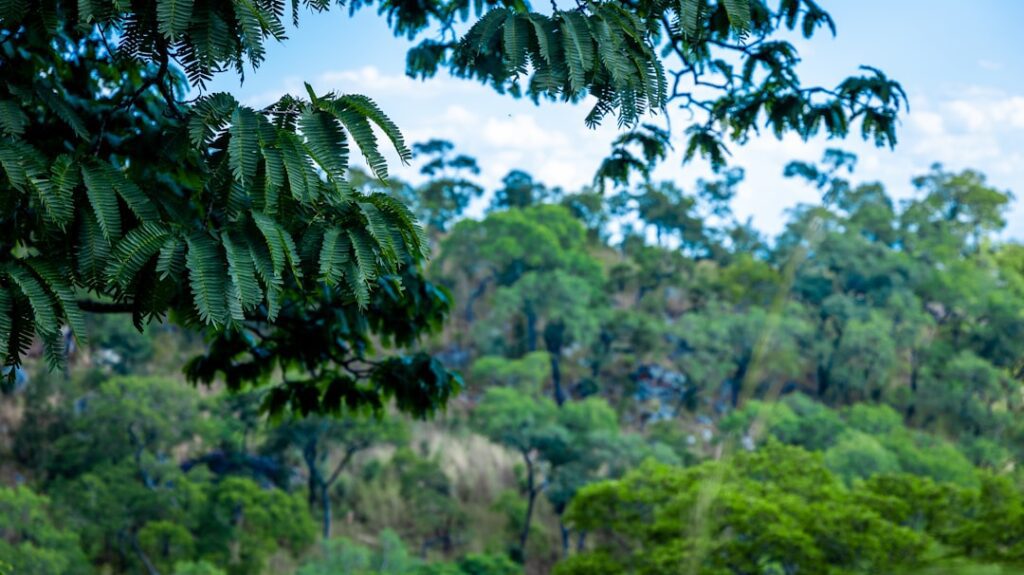
Mulanje, Malawi’s Stunning Hiking, Tea & Sky-High Waterfalls (2026)
While crowds flock to the beaches of Lake Malawi, Mulanje, Malawi delivers Africa’s most dramatic granite hiking without the safari park prices. Here, for under $50 a day, you can summit a 3,002-meter peak, explore vast tea estates older than the country itself, and find waterfalls hidden in cloud forests where your only company is the call of the rare Mulanje cedar. This isn’t just a mountain; it’s a self-contained world of adventure.
Why Mulanje, Malawi Stands Out

A river running through a lush green forest, Mulanje, Malawi
- Historic Architecture: The Likhubula House, built in the 1920s as a forester’s lodge, is a charming stone-and-thatch basecamp with a history of hosting legendary climbers.
- Cultural Scene: The annual Mulanje Porters Race in September sees local guides sprint up the mountain in a breathtaking display of strength and local pride.
- Local Specialties: You must try a cup of Mulanje Gold, a smooth, malty black tea grown on the mountain’s slopes, best enjoyed at a local estate.
Pro Tip: The absolute best time for clear summit views and dry trails is between May and August. Avoid the rainy season from November to March, when trails become slippery and leeches are prevalent. For the most solitude, hike mid-week.
Map of Mulanje, Malawi
Use these interactive maps to explore Mulanje, Malawi and plan your route:
📍 View Mulanje, Malawi on OpenStreetMap
🗺️ Open Mulanje, Malawi in Google Maps
Planning Your Trip: Practical Essentials
Getting There and Around
- By Air: Fly into Chileka International Airport (BLZ) in Blantyre, about a 90-minute drive away. Ethiopian Airlines, Kenya Airways, and South African Airways offer connections. Pre-book a private transfer (approx. $60) or take a minibus to Limbe bus station, then another to Mulanje. Book flights at Skyscanner for best deals.
- By Train: Malawi’s passenger rail service is limited and not a practical option for reaching Mulanje. Focus on road transport.
- By Car: The drive from Blantyre is straightforward on the M2 road. A 4×4 is only necessary if venturing onto rough estate roads. Parking is available at trailheads like Likhubula. Compare car rentals at RentalCars.com.
- Local Transport: Shared minibuses are the local workhorse, connecting Mulanje town to Blantyre and surrounding villages. For trailheads, you’ll need to hire a local taxi or arrange transport through your lodge. Expect to pay around $15-20 for a one-way drop to Likhubula from town.
Best Time to Visit
The climate on Mulanje Mountain is dramatically different from the lowlands. The key is targeting the cool, dry winter months for optimal hiking conditions, though the shoulder seasons offer lush greenery at the cost of some rain.
| Season | Weather | Highlights |
|---|---|---|
| Cool & Dry (May–Aug) | 16-25°C (lowlands), near freezing at night on summits. Clear, sunny days. | Perfect hiking weather, excellent visibility, busy on trails and in huts. |
| Hot & Wet (Nov–Mar) | 25-35°C with high humidity. Daily afternoon thunderstorms on the mountain. | Lush, green landscapes, fewer hikers. Trails are muddy and leeches are active. |
| Shoulder (Apr & Sep–Oct) | 20-30°C, sporadic rain. Warm days and pleasant evenings. | Good hiking conditions, transitioning scenery, fewer crowds than peak season. |
Budgeting for Mulanje, Malawi

A man standing next to a bike on a dirt road, Mulanje, Malawi
| Category | Budget | Mid-range | Luxury |
|---|---|---|---|
| Accommodation | $10-15 (camping/basic hostel) | $40-80 (comfortable lodge/guesthouse) | $120+ (full-board estate house) |
| Meals | $5-10 (local eateries, self-catering) | $15-25 (lodge restaurant meals) | $40+ (fine dining at estates) |
| Transport | $3-5 (local minibuses) | $20-40/day (private taxi for trips) | $60+/day (private 4×4 with driver) |
| Activities | $10 (hiking permits, hut fees) | $30-50 (guided day hike) | $150+ (multi-day guided trek with porter) |
| Daily Total | $30-50 | $80-150 | $250+ |
Top Attractions and Must-See Sights
| Attraction | Description | Hours | Entry Fee |
|---|---|---|---|
| Mount Mulanje Summit (Sapitwa Peak) | Scale the highest point in Central Africa at 3,002m for breathtaking views across Malawi and Mozambique. | Daylight hours only; multi-day trek required | Hiking Permit: ~$10 pp; Guide required (~$25/day) |
| Lichenya Plateau & Waterfalls | A vast, otherworldly highland dotted with pristine pools and dramatic waterfalls like the 100m-high Chambe Falls. | Accessible during daylight | Included in hiking permit |
| Satemwa Tea Estate | One of Malawi’s oldest and most beautiful tea producers, offering tours and stays in historic colonial houses. | Tours at 10 AM & 2 PM by appointment | Tour: ~$15 per person |
| Likhubula Falls & Forestry Office | The main trailhead featuring a beautiful waterfall and the essential stop for registering hikes and hiring guides. | Forestry Office: 7:30 AM – 5 PM | Waterfall: Free; Registration mandatory |
3-Day Itinerary: Mulanje, Malawi’s Highlights & Hidden Gems
Day 1: Acclimatization & Tea Culture
- Morning (7-9 AM): Arrive at Likhubula Forestry Office to register your hike, pay permits ($10), and arrange a guide for Day 2. Take the easy 45-minute walk to the base of Likhubula Falls—your first taste of the mountain’s beauty.
- Afternoon (12-3 PM): Drive 30 minutes to the historic Satemwa Tea Estate. Book their 2 PM tour ($15) to walk through emerald-green tea fields and learn about the processing from leaf to cup. Lunch on-site at their cafe, trying their “Tea-Infused Chicken” with a pot of fresh Mulanje Gold.
- Evening (6-8 PM): Check into your lodge. For dinner, head to Mulanje Golf Club for a surprisingly good meal (try the beef stew) in a relaxed, local setting, chatting with resident expats and tea planters for insider tips.
Day 2: Highland Adventure to Chambe Hut
- Morning (7 AM): Start the iconic Chambe Plateau hike from Likhubula with your guide (~$25). The 4-5 hour ascent via the Skyline Path is strenuous but rewards you with ever-expanding views. Pack water and snacks.
- Afternoon (1 PM): Arrive at Chambe Hut, a basic mountain refuge at 2,000m. Drop your gear, then take a short walk to the edge of the plateau to gaze directly across at the sheer rock face of Chambe Peak. Enjoy a packed lunch with a view you’ve earned.
- Evening (6 PM): Cook a simple dinner on the hut’s stove (bring your own food), share stories with other hikers, and witness an unforgettable sunset that paints the granite domes in shades of orange and pink before the stars emerge in brilliant clarity.
Day 3: Waterfalls & Return to Base
- Morning (8 AM): After a hut breakfast, hike for 90 minutes across the plateau to the viewpoint for the majestic Chambe Falls. In the dry season, it’s a silver ribbon; in the wet, a thundering cascade.
- Afternoon (12 PM): Begin your descent via a different route, perhaps the less-traveled path towards Thuchila Hut, for new perspectives. Arrive back at Likhubula by 3 PM, return your hut key, and settle your guide’s fee.
- Evening (6 PM): Celebrate your climb with a well-deserved dinner at your lodge. If staying at Mulanje Cafe & Lodge, their pizza is a legendary post-hike treat. Reflect on the mountain’s quiet power over a final cup of local tea.
Cultural Insights & Etiquette
- Language: Chichewa is the national language. English is widely spoken in tourist areas. Learn “Moni” (Hello), “Zikomo” (Thank you), and “Pepani” (Excuse me/sorry).
- Customs: Always greet people politely before asking for directions or help. Use your right hand for giving and receiving items, including money. It’s respectful to ask permission before taking photos of people.
- Tipping: Not mandatory but deeply appreciated. Tip guides $5-10 per day, porters $3-5 per day. In restaurants, a 10% tip is generous if service isn’t already included.
- Dress Code: Modesty is key, especially in towns and villages. Avoid short shorts and revealing tops. On the mountain, functional hiking gear is fine. Always carry a cover-up for when you finish your hike.
- Business Hours: Shops typically open 7:30 AM-5 PM, often closing for an hour at lunch. Government offices (like the Forestry Office) keep similar hours. Major holidays can see everything shut down.
Where to Eat: Mulanje, Malawi’s Best Bites
Dining in Mulanje revolves around hearty, fuel-for-hiking fare and the incredible local produce, especially tea, coffee, and tropical fruits. You’ll find a mix of simple local *nsima* (stiff maize porridge) joints and charming lodge restaurants catering to travelers.
Must-Try Local Specialties
- Nsima with Relish: The national staple. The *nsima* itself is mild, served with a flavorful side (*ndiwo*) like pumpkin leaves, beans, or fried fish. Try it at a local market stall for an authentic experience.
- Mulanje Gold Tea: This isn’t just any tea. Grown at high altitude, it’s smooth and complex. Buy it at the estates or enjoy a proper pot at Satemwa’s Huntingdon House.
- Chambo: A delicious tilapia fish from Lake Malawi, often grilled or fried whole. While not from the mountain, it’s a Malawian classic you’ll find on most lodge menus, like at Mulanje Cafe & Lodge.
Restaurant Recommendations by Budget
| Type | Restaurant | Specialty | Price Range |
|---|---|---|---|
| Budget | Local Market Eateries (Mulanje Boma) | Fresh, cheap *nsima* with bean or vegetable relish | $2-4 per meal |
| Mid-range | Mulanje Cafe & Lodge (Mulanje Town) | Huge wood-fired pizzas, burgers, and great breakfasts | $8-15 per main |
| Fine dining | Huntingdon House, Satemwa Estate (Thyolo) | Multi-course dinners using estate-grown tea, coffee, and produce | $30-50 per person |
Where to Stay
Accommodation ranges from basic mountain huts to charming colonial-era estate houses. Your choice depends on your hiking plans and comfort level. Most places are not in a centralized “town” but scattered around the mountain’s foothills. Compare prices and book at Booking.com or Airbnb for apartments.
Best Neighborhoods for Accommodation
- Likhubula Area: The classic hiker’s base, right at the main trailhead. You’re steps from the forest and waterfalls. It’s remote, quiet, and perfect for early starts. Best for serious hikers. (e.g., Likhubula House).
- Mulanje Town (Boma): The commercial center with banks, markets, and more dining options. A practical base with easy access to transport and supplies, but a drive from the trails. (e.g., Mulanje Cafe & Lodge).
- Tea Estates (Thyolo/Mulanje outskirts): For a touch of colonial-era charm and luxury amidst stunning scenery. Ideal for those wanting to combine hiking with relaxation and tea tours. Requires your own transport. (e.g., Huntingdon House at Satemwa).
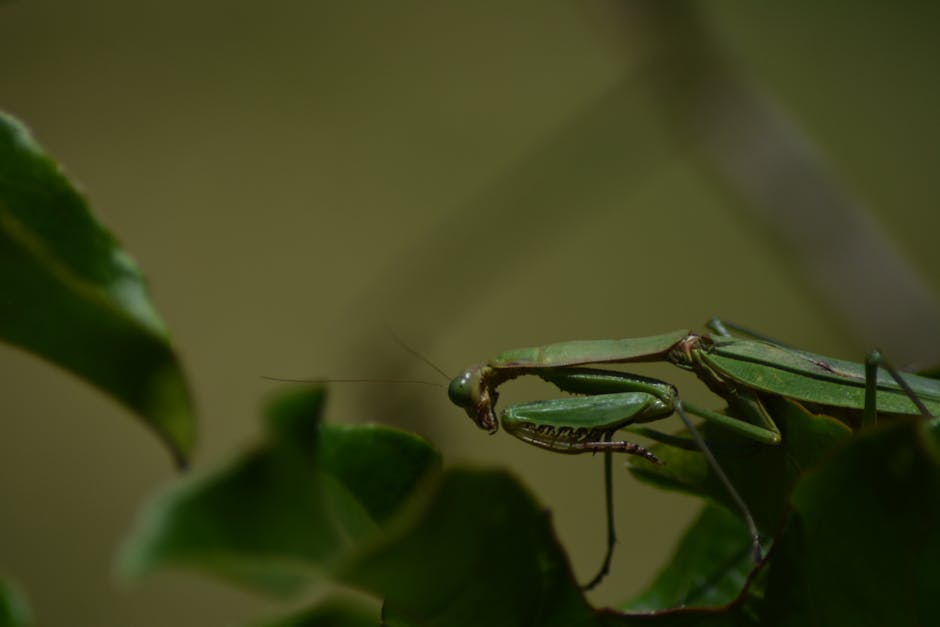
A close-up of a green praying mantis resting on leaves in Mzuzu, Mulanje, Malawi
FAQs: Your Mulanje, Malawi Questions Answered
1. Is Mulanje, Malawi safe at night?
Mulanje is generally very safe. Violent crime against tourists is rare. Standard precautions apply: avoid walking alone in unlit areas at night, secure your valuables, and use common sense. On the mountain, the main risks are environmental—getting lost or injured. This is why hiring a local guide is strongly recommended, not just for safety but for route-finding and enriching the experience.
2. What currency is used and are credit cards accepted?
The Malawian Kwacha (MWK) is the local currency. Carry cash, as credit cards are only accepted at a few upscale lodges and estates (Satemwa, Huntingdon House). ATMs are available in Mulanje town, but they can run out of cash. It’s wise to withdraw money in Blantyre before arriving. USD can be exchanged at banks in town.
3. How do I get from the airport to Mulanje?
From Chileka Airport (BLZ), your best bet is to pre-arrange a transfer with your accommodation (approx. $60-70). The cheaper but more complex option is to take a taxi to Limbe bus station in Blantyre (~$15), then catch a crowded but lively minibus to Mulanje town (~$3, 90 mins). From town, you’ll need another taxi to your specific lodge. Book airport transfers at GetYourGuide for convenience.
4. Do I need to speak the local language?
No. English is an official language and is spoken by anyone involved in tourism—guides, lodge staff, and forestry officials. Learning a few basic Chichewa phrases, however, will delight locals and show respect. A simple “Zikomo” (thank you) goes a very long way.
5. What’s the appropriate dress code?
Dress modestly in towns and villages—
Explore More Destinations
- Jozani, Tanzania on a Budget: an Ancient Forest for $35/Day (2026)
- Nsumbu, Zambia on a Budget: Wild Africa for $40/Day (2026)
- Semporna, Malaysia on a Budget: Paradise for $35/Day (2026)
- Khuzestan, Iran on a Budget: Ancient Empires for $30/Day (2026)
- Ngerulmud, Palau on a Budget: Island Majesty for $45/Day (2026)
Ready to Visit Mulanje?
Start planning your trip today. Compare hotels, find the best tours, and get insider tips.
Your adventure in Mulanje starts here →
Related Guides
Explore more destinations similar to Mulanje:
- The Ultimate Talara, Peru Guide (2026)
- Lunda Norte, Angola’s Stunning Diamonds, Deep Culture & Untamed Rivers (2026)
- Phatthalung, Thailand’s Hidden Limestone Peaks, Shadow Puppets & Lotus Lakes (2026)
- Koper’s Essential Venetian Charm, Coastal Delights & Mediterranean Sun (2025)
{“@context”: “https://schema.org”, “@type”: “FAQPage”, “mainEntity”: [{“@type”: “Question”, “name”: “What is the best time to visit Mulanje?”, “acceptedAnswer”: {“@type”: “Answer”, “text”: “The best time to visit Mulanje depends on your preferences. Generally, the dry season offers the most pleasant weather for sightseeing and outdoor activities.”}}, {“@type”: “Question”, “name”: “How many days do I need in Mulanje?”, “acceptedAnswer”: {“@type”: “Answer”, “text”: “Most travelers spend 3-5 days in Mulanje to see the main attractions. A week allows for a more relaxed pace and day trips.”}}, {“@type”: “Question”, “name”: “Is Mulanje expensive to visit?”, “acceptedAnswer”: {“@type”: “Answer”, “text”: “Mulanje can be visited on various budgets. Accommodation ranges from hostels to luxury hotels, and local restaurants offer affordable dining.”}}]}

