
Quibdó, Colombia: Amazing Afro-Colombian Rhythms, Rainforest Rivers & Resilient Culture (2026)
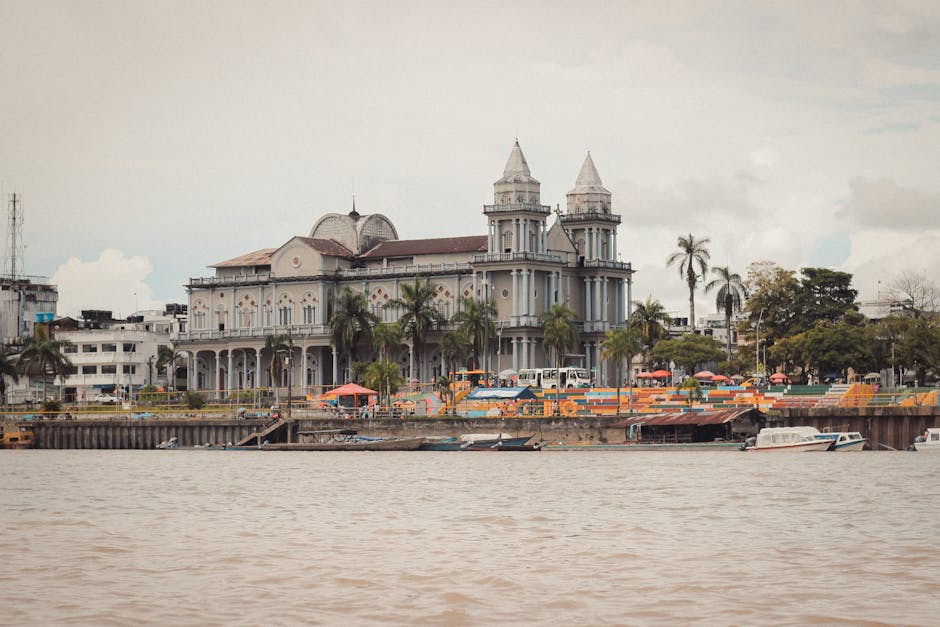
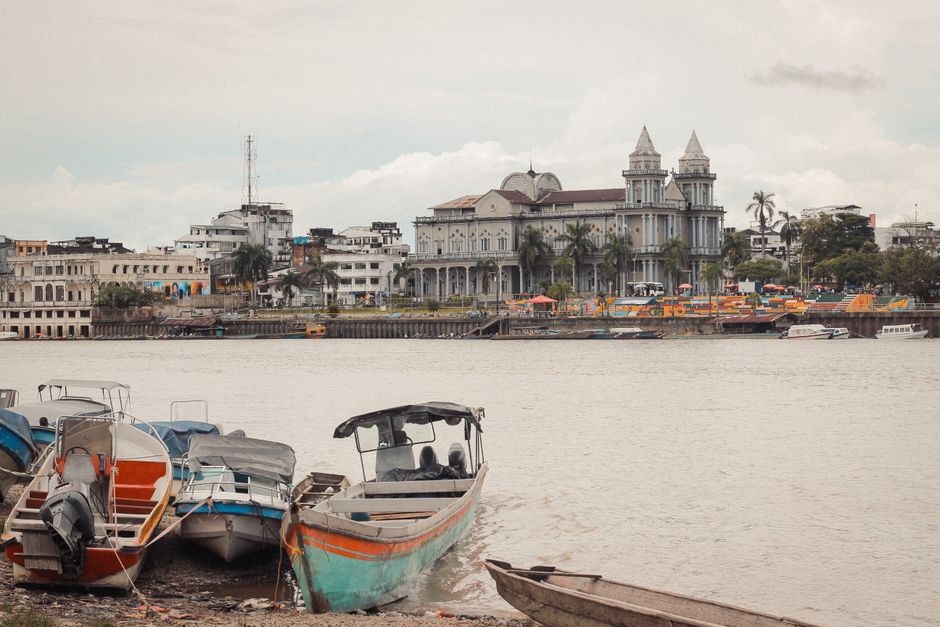
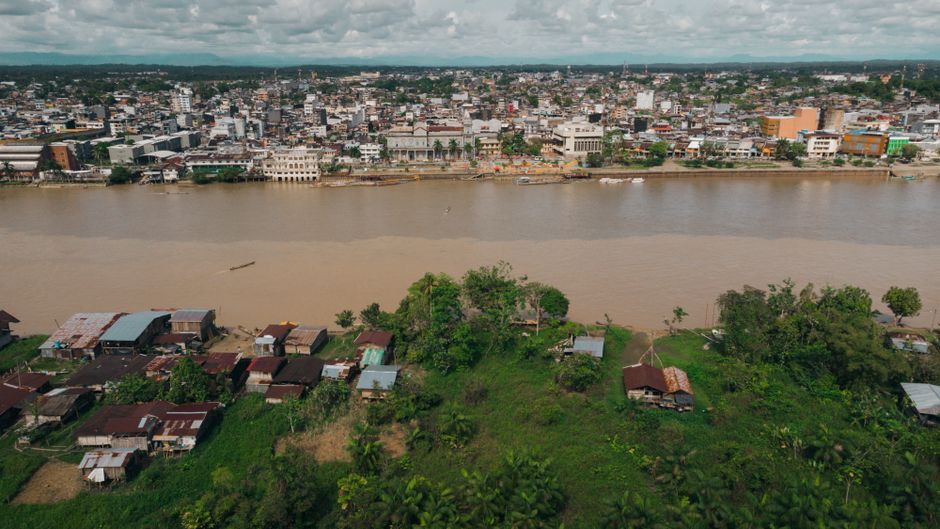
While crowds flock to Cartagena’s colonial plazas, Quibdó, the vibrant capital of the Chocó department, delivers an unfiltered, soul-stirring immersion into Afro-Colombian culture without the tourist veneer. Here, the Atrato River isn’t just a backdrop; it’s the city’s lifeblood, where wooden *pangas* glide past stilt houses and the air thrums with the distant beat of *currulao* drums. This is the authentic, beating heart of the Colombian Pacific, where community and tradition run as deep as the jungle-clad rivers.
Why Quibdó, Colombia Stands Out
St, Quibdó, Colombia
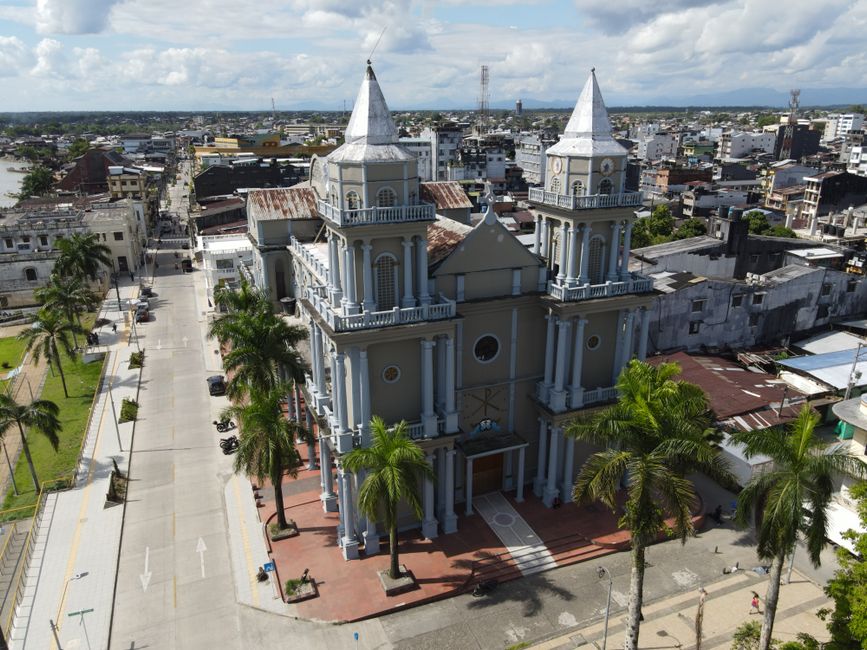
- Historic Architecture: The Catedral de San Francisco de Asís, rebuilt in 1947 after a fire, stands as a symbol of resilience with its striking yellow facade overlooking the riverfront.
- Cultural Scene: The Festival de San Pacho in September, a 10-day fusion of Catholic and African traditions with vibrant parades and *alabados* (religious chants), is a UNESCO-recognized cultural heritage event.
- Local Specialties: You must try *pescado de mar en tapao*, a rich, coconut-based fish stew cooked with green plantains, a cornerstone of Chocóano cuisine.
Pro Tip: Plan your visit for late September to experience the Festival de San Pacho (Sept 20-30), but book accommodation at least 3-4 months in advance. For a quieter trip with good weather, aim for the drier window from mid-December to March.
Map of Quibdó, Colombia
Use these interactive maps to explore Quibdó, Colombia and plan your route:
📍 View Quibdó, Colombia on OpenStreetMap
🗺️ Open Quibdó, Colombia in Google Maps
Planning Your Trip: Practical Essentials
Getting There and Around
- By Air: El Caraño Airport (UIB) is the main gateway, with regular flights from Medellín (45 min) on airlines like SATENA and ADA. A taxi to the city center costs about 15,000 COP ($3.50 USD). Book flights at Skyscanner for best deals.
- By Train: There are no passenger train services to Quibdó. Overland access is primarily by road or river.
- By Car: The Medellín-Quibdó road (Route 62) is a scenic but demanding 7-9 hour journey through mountains and jungle. 4×4 is recommended. Driving in the city is manageable, but parking can be tight. Compare car rentals at RentalCars.com from Medellín.
- Local Transport: *Mototaxis* are the king of local transport; a short ride costs 2,000-3,000 COP ($0.50-$0.70 USD). Collective taxis and *chivas* (colorful open-sided buses) run set routes. Always agree on the fare before starting a mototaxi journey.
Best Time to Visit
Quibdó has a tropical rainforest climate—it’s warm, humid, and rainy year-round, but precipitation levels vary. The “drier” period offers more predictable travel for excursions, while the rainy season showcases the region’s lush, powerful beauty.
| Season | Weather | Highlights |
|---|---|---|
| Drier Period (Dec–Mar) | Hot, humid, with frequent but shorter showers. Avg 28°C (82°F). | Best for river tours and jungle hikes. Fewer rain disruptions. Ideal for general exploration. |
| Rainy Season (Apr–Nov) | Heavy, prolonged rainfall. Very high humidity. Avg 27°C (81°F). | Rivers are fullest and most dramatic. Lush, vibrant greenery. Includes the famous Festival de San Pacho in Sept. |
| Shoulder (Late Nov / Late Mar) | Transitional weather, still quite rainy but with some breaks. | Potential for good weather deals on travel. A balance between accessibility and authentic climate. |
Budgeting for Quibdó, Colombia
Aerial photo of Quibdó cityscape with buildings and river under cloudy sky., Quibdó, Colombia
| Category | Budget | Mid-range | Luxury |
|---|---|---|---|
| Accommodation | 60,000-80,000 COP ($14-19 USD) for a basic hostel or *hospedaje*. | 150,000-250,000 COP ($35-60 USD) for a comfortable hotel with A/C. | 300,000+ COP ($70+ USD) for the top city hotel with full amenities. |
| Meals | 15,000 COP ($3.50 USD) for a *comida corriente* set lunch; 5,000 COP for street food. | 25,000-40,000 COP ($6-9 USD) for a sit-down restaurant meal. | 50,000+ COP ($12+ USD) for a multi-course meal at a top local establishment. |
| Transport | 2,000-5,000 COP ($0.50-$1.20 USD) per mototaxi ride; walk where possible. | 10,000-15,000 COP ($2.50-$3.50) for in-city taxi trips. | Private car with driver for day: ~200,000 COP ($47 USD). |
| Activities | Free walking along the malecón; visiting churches; market browsing. | Guided city tour: ~50,000 COP ($12 USD). Half-day river trip: 80,000 COP ($19 USD). | Full-day private jungle & river expedition: 300,000+ COP ($70+ USD). |
| Daily Total | 85,000-110,000 COP ($20-26 USD) | 250,000-350,000 COP ($59-82 USD) | 600,000+ COP ($140+ USD) |
Top Attractions and Must-See Sights
| Attraction | Description | Hours | Entry Fee |
|---|---|---|---|
| Malecón & Atrato Riverfront | The city’s social hub where you can watch wooden boats unload, see stilt houses, and feel the pulse of daily life. | Always accessible | Free |
| Catedral de San Francisco de Asís | The iconic yellow cathedral, central to the San Pacho festival, offering a quiet respite and views of the plaza. | 7:00 AM – 7:00 PM daily | Free (donations welcome) |
| Centro Cultural Casa de la Cultura | Housed in a traditional wooden building, it’s the best place to learn about Chocó’s Afro-Colombian history, art, and music. | Mon-Fri 8:00 AM – 12:00 PM, 2:00 PM – 6:00 PM | ~5,000 COP ($1.20 USD) |
| Mercado Municipal | A sensory overload of fresh river fish, tropical fruits like borojó and chontaduro, and the buzz of local commerce. | 5:00 AM – 4:00 PM daily (best in AM) | Free |
3-Day Itinerary: Quibdó, Colombia’s Highlights & Hidden Gems
Day 1: Immersion in the River City
- Morning (7-9 AM): Start at the **Mercado Municipal** as it comes to life. Try a fresh *chontaduro* (peach palm fruit) with salt and honey from a vendor. Watch the *pangas* arrive with the morning’s catch.
- Afternoon (12-3 PM): Take a guided **walking tour** (book via your hotel, ~50,000 COP) of the center, visiting the Cathedral and learning about Quibdó’s history. For lunch, head to **Restaurante Donde Mery** for an authentic *pescado frito con patacones* (fried fish with plantains) for about 20,000 COP.
- Evening (6-8 PM): Stroll the **malecón** at sunset. For dinner, find a simple *fritanga* stall for *empanadas de pescado* (fish empanadas) and a cold beer, soaking in the relaxed evening atmosphere.
Day 2: Culture & Currents
- Morning (8 AM): Visit the **Centro Cultural Casa de la Cultura**. Spend time with the exhibits on *currulao* music and the marimba. Ask if any local dance or music workshops are scheduled.
- Afternoon (1 PM): Embark on a **river tour** on the Atrato (arrange through operators like ‘Chocó Andino Tours’ the day before, ~80,000 COP for 3 hours). See villages, lush banks, and maybe spot birds. Have a late lunch at **Asadero Costeño** for grilled meats.
- Evening (7 PM): Inquire locally about a **community cultural night**. Sometimes, neighborhoods or cultural groups host informal gatherings with music. If not, enjoy a relaxed dinner at **Pizzería La Fogata**.
Day 3: Flavors & Farewells
- Morning (9 AM): Take a *mototaxi* to the **Barrio La Yesquita** neighborhood for a **cooking class** in Chocóano cuisine (arrange via your hotel or a tour operator, ~70,000 COP). Learn to make *tapao* or *encocado*.
- Afternoon (1 PM): Enjoy the meal you helped prepare for lunch. Return to the center for last-minute souvenir shopping—look for handmade jewelry or carved tagua nuts.
- Evening (6 PM): Your final dinner should be at a local favorite like **Restaurante Sazón Pacífico** for a definitive taste of the region. Order the *arrollado de pescado* (spiced and rolled fish). Reflect on your journey along the malecón one last time.
Cultural Insights & Etiquette
- Language: Spanish is essential. Basic phrases like “¿Cómo está?” (How are you?) and “Gracias” go far. Locals appreciate the effort immensely. Some communities also speak indigenous languages or creole dialects.
- Customs: Greetings are important. A handshake or a nod with a smile is standard. Always ask permission before taking photos of people. The culture is deeply community-oriented and religious; be respectful during festivals and in churches.
- Tipping: Not universally expected but appreciated. In sit-down restaurants, 5-10% is generous if service isn’t included. For guides, 10-15% of the tour cost is a good guideline.
- Dress Code: Casual, light, breathable clothing due to heat and humidity. However, dress modestly when visiting churches or during religious festivals. Quick-dry fabrics are a traveler’s best friend.
- Business Hours: Shops typically open 8:00 AM – 12:00 PM and 2:00 PM – 6:00 PM, with a siesta break. Government offices keep similar hours. Many places close on Sundays.
Where to Eat: Quibdó, Colombia’s Best Bites
Dining in Quibdó is a celebration of the Pacific’s bounty. The cuisine is a flavorful testament to Afro-Colombian heritage, centered on coconut, river fish, plantains, and tropical fruits. Don’t look for fancy decor; seek out bustling spots filled with locals for the truest flavors.
Must-Try Local Specialties
- Pescado en Tapao: The signature dish: fish, green plantains, and yuca cooked in a flavorful broth with cilantro and other herbs. Best tried at family-run spots like **Sazón Pacífico**.
- Encocado de Jaiba: Crab stew in a rich, creamy coconut sauce, often served with rice. Find it at **Marisquería El Boga** near the river.
- Aborrajados: Sweet, ripe plantains stuffed with cheese, battered, and deep-fried. The perfect street food snack, sold at market stalls and from street carts.
Restaurant Recommendations by Budget
| Type | Restaurant | Specialty | Price Range |
|---|---|---|---|
| Budget | **Comedor Popular** (near market) / Street Food Stalls | *Comida corriente* (set lunch plates) / *Empanadas de pescado* | 8,000-15,000 COP ($2-3.50 USD) |
| Mid-range | **Restaurante Sazón Pacífico** (Carrera 3) | Authentic *arrollado de pescado* and *tapao* | 20,000-35,000 COP ($5-8 USD) |
| Fine dining | **Restaurante La Casona** (Hotel Diez) | Upscale interpretations of regional classics in an air-conditioned setting. | 40,000-60,000 COP ($9-14 USD) |
Where to Stay
Accommodation in Quibdó ranges from basic *hospedajes* to a few comfortable business-style hotels. The city center is the most convenient base, putting you within walking distance of key sights, the malecón, and restaurants. Compare prices and book at Booking.com or Airbnb for apartments.
Best Neighborhoods for Accommodation
- Centro (City Center): The most practical area for first-time visitors. You’ll be close to the cathedral, malecón, and main restaurants. It can be noisy and bustling. Best for those who want to be in the heart of the action.
- Barrio El Reposo: A quieter, more residential area a short mototaxi ride from the center. Offers a more local feel. Suitable for travelers seeking peace after a day of exploration.
- Along the River Road (Vía al Aeropuerto): A few hotels are located here, offering more space and sometimes river views. The trade-off is requiring transport for every outing into the center.
Drone shot of a cathedral in Quibdó, Quibdó, Colombia
FAQs: Your Quibdó, Colombia Questions Answered
1. Is Quibdó, Colombia safe at night?
Exercise common sense and caution. The central malecón area is generally lively and safe in the early evening. Avoid walking alone in poorly lit or deserted areas after dark. Always use registered mototaxis or taxis at night, and ask your hotel to call one for you. Keep valuables discreet and be aware of your surroundings.
2. What currency is used and are credit cards accepted?
The Colombian Peso (COP) is the currency. Carry ample cash, as many smaller restaurants, markets, and transport options
Explore More Destinations
- Jozani, Tanzania on a Budget: an Ancient Forest for $35/Day (2026)
- Nsumbu, Zambia on a Budget: Wild Africa for $40/Day (2026)
- Semporna, Malaysia on a Budget: Paradise for $35/Day (2026)
- Khuzestan, Iran on a Budget: Ancient Empires for $30/Day (2026)
- Ngerulmud, Palau on a Budget: Island Majesty for $45/Day (2026)
Ready to Visit Quibdó?
Start planning your trip today. Compare hotels, find the best tours, and get insider tips.
Your adventure in Quibdó starts here →
Related Guides
Explore more destinations similar to Quibdó:
- Cannes’s Epic Glamour, Film & Mediterranean Magic (2025)
- Tavua, Fiji: Best Sugar Cane Heritage, Volcanic Landscapes & Authentic Fijian Culture (2025)
- Malekula, Vanuatu’s Essential Cannibal History, Coral Reefs & Kastom Culture (2025)
- Cayenne, French Guiana’s Best Spaceports, Rainforests & Creole Culture (2025)
{“@context”: “https://schema.org”, “@type”: “FAQPage”, “mainEntity”: [{“@type”: “Question”, “name”: “What is the best time to visit Quibdu00f3?”, “acceptedAnswer”: {“@type”: “Answer”, “text”: “The best time to visit Quibdu00f3 depends on your preferences. Generally, the dry season offers the most pleasant weather for sightseeing and outdoor activities.”}}, {“@type”: “Question”, “name”: “How many days do I need in Quibdu00f3?”, “acceptedAnswer”: {“@type”: “Answer”, “text”: “Most travelers spend 3-5 days in Quibdu00f3 to see the main attractions. A week allows for a more relaxed pace and day trips.”}}, {“@type”: “Question”, “name”: “Is Quibdu00f3 expensive to visit?”, “acceptedAnswer”: {“@type”: “Answer”, “text”: “Quibdu00f3 can be visited on various budgets. Accommodation ranges from hostels to luxury hotels, and local restaurants offer affordable dining.”}}]}

