
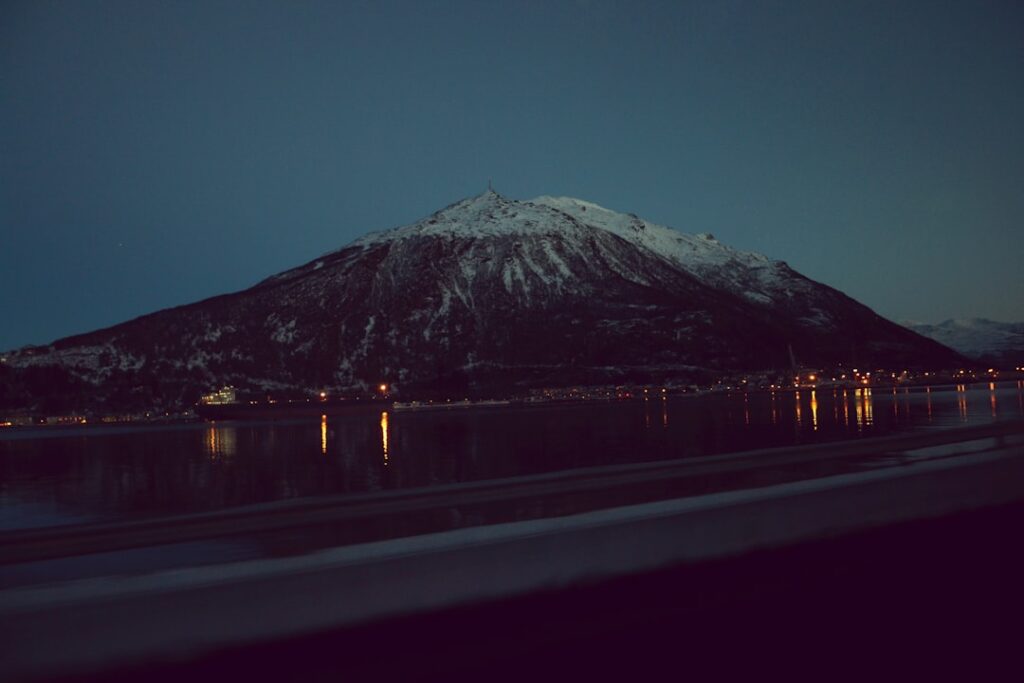
Narvik, Norway’s Epic Fjords, Northern Lights & WWII History (2026)
At 68°26′N, Narvik sits 220 kilometers inside the Arctic Circle, yet its deep, ice-free harbor creates a microclimate where winter temperatures average a surprisingly mild -5°C. This geographical quirk made it a strategic prize during the Second World War and today makes it one of the most accessible gateways to the raw, dramatic landscapes of Northern Norway. Here, you can ride the world’s northernmost railway to a mountain summit for midnight sun views, then descend to a waterfront where history is etched into the rebuilt architecture.
Why Narvik, Norway Stands Out

A couple of people standing outside of a house in the snow, Narvik, Norway
- Historic Architecture: The Narvik War Museum (opened 2015) is a striking modern structure of glass and steel built into the hillside, offering panoramic views of the very fjord where the brutal 1940 naval battles raged.
- Cultural Scene: The Narvik Winter Festival (Vinterfestuka) in early March transforms the town with concerts, snow sports, and the unique “Rockefest,” a massive outdoor rock concert held in the snow.
- Local Specialties: You must try fresh, Arctic-caught skrei (migrating cod) served poached with liver and roe, a traditional Norwegian delicacy available from January to April.
Pro Tip: For the perfect balance of activities and manageable crowds, visit during the shoulder seasons of late May or September. You’ll catch either the start of the midnight sun or the beginning of the aurora season, with far fewer tourists than in peak summer or the deep winter Northern Lights chase.
Map of Narvik, Norway
Use these interactive maps to explore Narvik, Norway and plan your route:
📍 View Narvik, Norway on OpenStreetMap
🗺️ Open Narvik, Norway in Google Maps
Planning Your Trip: Practical Essentials
Getting There and Around
- By Air: Harstad/Narvik Airport (EVE) is located in Evenes, about a 90-minute drive away. SAS and Widerøe operate regular flights from Oslo and other Norwegian cities. The Flybussen airport coach (approx. 300 NOK one-way) meets all flights. Book flights at Skyscanner for best deals.
- By Train: The Ofoten Railway from Stockholm (via Kiruna, Sweden) is a spectacular 20-hour journey, while the northern line from Bodø offers stunning coastal views. The train station is centrally located. Reserve tickets at Trainline or the national railway website.
- By Car: The E6 and E10 highways connect Narvik to the rest of Norway and Sweden. Parking is generally easy and affordable. An electric car is a savvy choice given Norway’s excellent charging network. Compare car rentals at RentalCars.com.
- Local Transport: Narvik is very walkable. For outlying attractions, the local bus network (Nordland fylkeskommune) is reliable. A 24-hour bus pass costs around 100 NOK. Check official city transport websites for passes and schedules.
Best Time to Visit
Your ideal time in Narvik depends entirely on your desired experience. Summer offers endless daylight for hiking and fjord tours, while winter is a snowy wonderland dedicated to Northern Lights and skiing. The shoulder seasons provide a quieter, more affordable taste of both worlds.
| Season | Weather | Highlights |
|---|---|---|
| Summer (Jun–Aug) | 8°C to 15°C, Midnight Sun from late May to mid-July, long days. | Hiking, fjord cruises, cable car rides, festivals. Busy but vibrant. |
| Winter (Dec–Feb) | -10°C to -2°C, snow-covered, polar night (sun doesn’t rise) in late Dec. | Prime Northern Lights viewing, ski resort at Narvikfjellet, dog sledding. Magical atmosphere. |
| Shoulder (Apr–May/Sep–Oct) | -2°C to 8°C, unpredictable mix of sun, rain, and early/late snow. | Best value, fewer crowds, possible aurora sightings (Sep-Oct), spring skiing (Apr). |
Budgeting for Narvik, Norway

A tree with no leaves in front of a sunset, Narvik, Norway
| Category | Budget | Mid-range | Luxury |
|---|---|---|---|
| Accommodation | 600-900 NOK (hostel/dorm) | 1200-2000 NOK (hotel/private cabin) | 2500+ NOK (design hotel/suite) |
| Meals | 150-250 NOK (hotdog/kebab, supermarket picnic) | 300-500 NOK (main course at a casual restaurant) | 800+ NOK (tasting menu with wine pairing) |
| Transport | 100 NOK (daily bus pass) | 500-800 NOK (daily car rental, fuel not included) | 2000+ NOK (private guided transfers) |
| Activities | Free hiking, war memorials | 350 NOK (cable car), 150 NOK (museum) | 2500 NOK (private Northern Lights/ski guide, fjord safari) |
| Daily Total | 850-1250 NOK | 2150-3500 NOK | 5800+ NOK |
Top Attractions and Must-See Sights
| Attraction | Description | Hours | Entry Fee |
|---|---|---|---|
| Narvikfjellet Cable Car | Scenic 13-minute ride to 656m summit for breathtaking fjord & mountain views, with a restaurant at the top. | 10:00-22:00 (summer), variable in winter | 350 NOK round-trip |
| Narvik War Museum | World-class museum detailing the critical WWII Battles of Narvik through immersive exhibits and artifacts. | 10:00-16:00 (Mon-Fri), 11:00-17:00 (Sat-Sun) | 150 NOK |
| Ofoten Museum | Explore the region’s cultural history, from Sami heritage to the construction of the Ofoten Railway. | 11:00-15:00 (Tue-Fri, shorter hours off-season) | 80 NOK |
| Polar Park | Norway’s northernmost wildlife park, a 90-min drive away, home to arctic animals like wolves, lynx, and muskoxen. | 10:00-16:00 (summer), 11:00-15:00 (winter) | 350 NOK |
3-Day Itinerary: Narvik, Norway’s Highlights & Hidden Gems
Day 1: History & Heights
- Morning (9:00 AM): Start at the Narvik War Museum. Spend two hours understanding the strategic importance of the town. The view from the museum’s cafe is a history lesson in itself.
- Afternoon (1:00 PM): Walk to the town center for lunch at Kafé Stav for a hearty “Lapskaus” stew (approx. 180 NOK). Then, take the short walk to the Narvik Church, a distinctive post-war building.
- Evening (6:00 PM): Ride the Narvikfjellet Cable Car. In summer, enjoy the midnight sun views with a drink at the summit restaurant. In winter, this is a prime, dark spot for early Northern Lights scanning. Descend for dinner at Fiskehallen on the pier for ultra-fresh fish.
Day 2: Fjords & Frontiers
- Morning (8:30 AM): Book a 3-hour RIB fjord safari with Narvik Adventure (from 1200 NOK). You’ll speed past WWII shipwrecks, see eagle nests, and feel the scale of the Ofotfjord.
- Afternoon (1:30 PM): Warm up with lunch at Garnbua, a cozy spot known for its fish soup and local atmosphere. Afterwards, visit the Ofoten Museum to contextualize the morning’s landscapes with human history.
- Evening (7:00 PM): For a unique experience, drive 25 minutes to the Bjørnfjell Mountain Lodge. This historic station on the Ofoten Railway serves a rustic, set-menu dinner (booking essential) in a truly remote setting.
Day 3: Railways & Remembrance
- Morning (9:15 AM): Take the Ofoten Railway south towards Sweden. The 75-minute journey to the border station of Riksgränsen (approx. 200 NOK one-way) is one of Europe’s most dramatic train rides, traversing steep mountainsides and tunnels.
- Afternoon (12:30 PM): Disembark at Riksgränsen (pack a picnic or check if the hotel restaurant is open). Hike around the stark, beautiful terrain before catching a return train. Alternatively, stay on to Kiruna, Sweden.
- Evening (6:00 PM): Back in Narvik, have a final dinner at Anker Hotel’s Bistro for modern Norwegian cuisine. Then, take a contemplative walk along the harbor to the British and German war memorials, illuminated against the night sky.
Cultural Insights & Etiquette
- Language: Norwegian is official, but English fluency is excellent. A friendly “Takk” (thank you) or “God dag” (good day) is appreciated. In Sami areas, “Bures” (hello) is a respectful greeting.
- Customs: Norwegians value personal space, quietness in public, and punctuality. It’s customary to remove your shoes when entering someone’s home.
- Tipping: Not expected, as service is included. For exceptional service, rounding up the bill or leaving 5-10% is a generous gesture.
- Dress Code: Functional, weather-appropriate layers are key—think waterproof jackets and sturdy shoes. Even for nice dinners, smart-casual is perfectly acceptable.
- Business Hours: Shops typically open 10:00-18:00 on weekdays, close earlier on Saturdays, and are closed Sunday. Many museums have reduced hours outside summer.
Where to Eat: Narvik, Norway’s Best Bites
Dining in Narvik revolves around the sea. The harbor guarantees seafood that was swimming hours before, and local chefs take pride in simple, high-quality preparations. You’ll find a mix of traditional “kafés,” modern bistros, and the ever-reliable “gatekjøkken” (street food kiosk) for a quick pølse (hot dog).
Must-Try Local Specialties
- Skrei: The winter cod, prized for its firm texture. Try it classically boiled with potatoes, carrots, and melted butter at Fiskehallen.
- Reinsdyr (Reindeer): A lean, flavorful red meat, often served as a steak or in a stew. Anker Bistro does an excellent version.
- Brunost: The iconic brown “cheese” made from caramelized goat’s milk. Try a thin slice on toast or waffles at any breakfast buffet.
Restaurant Recommendations by Budget
| Type | Restaurant | Specialty | Price Range |
|---|---|---|---|
| Budget | Kafé Stav (Kongensgate 46) | Homemade Norwegian classics like meatballs and fish cakes. | 150-250 NOK |
| Mid-range | Fiskehallen (Fjordgata 4) | The day’s catch displayed on ice, cooked to order on the pier. | 300-450 NOK |
| Fine dining | Restaurant Naust (Skistua, Narvikfjellet) | Arctic fine dining with panoramic views at the cable car summit. | 600-900 NOK |
Where to Stay
Accommodation ranges from functional city hotels to mountain lodges. Staying centrally puts everything within walking distance, while a cabin or lodge outside town offers deeper immersion in nature. Compare prices and book at Booking.com or Airbnb for apartments.
Best Neighborhoods for Accommodation
- Sentrum (City Center): The most convenient base. You’re steps from shops, restaurants, the train station, and the war museum. Best for first-time visitors and those without a car.
- Fagernes: A quiet, primarily residential area on a peninsula just east of the center. Offers beautiful water views, easy walking access to town, and a more local feel.
- Narvikfjellet/Mountain Lodges: For ski-in/ski-out access in winter or dedicated hikers in summer. Requires transport to town but offers unparalleled scenery and tranquility. Check options like Bjørnfjell or Rombaksbotn.

A long bridge over a large body of water, Narvik, Norway
FAQs: Your Narvik, Norway Questions Answered
1. Is Narvik, Norway safe at night?
Extremely safe. Norway has very low crime rates, and Narvik is a peaceful town. Standard precautions apply, but you can comfortably walk alone at night. In winter, be more mindful of icy sidewalks than personal safety.
2. What currency is used and are credit cards accepted?
The Norwegian Krone (NOK) is the currency. Credit and debit cards (especially Visa and Mastercard) are universally accepted, even for tiny purchases. You rarely need cash, but having a few hundred kroner can be useful for small markets or parking.
3. How do I get from the airport to the city center?
The Flybussen coach is the most straightforward option, taking about 90 minutes and costing approximately 300 NOK one-way. It’s timed with flight arrivals. Taxis are available but very expensive (1500+ NOK). Pre-booking a shared shuttle can offer savings. Book airport transfers at GetYourGuide for convenience.
4. Do I need to speak the local language?
Not at all. Virtually everyone in the tourism industry and most locals under 70 speak fluent English. Learning a few basic Norwegian phrases is a polite gesture, but you will have no trouble communicating.
5. What’s the appropriate dress code?
Think practical, not formal. Waterproof and windproof outer layers are essential year-round. In winter, thermal base layers, a warm hat, gloves, and insulated, grippy boots are non-negotiable. In summer, pack layers including a fleece and a light waterproof jacket, plus sturdy
Explore More Destinations
- Jozani, Tanzania on a Budget: an Ancient Forest for $35/Day (2026)
- Nsumbu, Zambia on a Budget: Wild Africa for $40/Day (2026)
- Semporna, Malaysia on a Budget: Paradise for $35/Day (2026)
- Khuzestan, Iran on a Budget: Ancient Empires for $30/Day (2026)
- Ngerulmud, Palau on a Budget: Island Majesty for $45/Day (2026)
Ready to Visit Narvik?
Start planning your trip today. Compare hotels, find the best tours, and get insider tips.
Your adventure in Narvik starts here →
Related Guides
Explore more destinations similar to Narvik:
- Diyala, Iraq’s Essential Ancient Rivers, Date Palms & Mesopotamian Echoes (2026)
- Amazing Salta Argentina’s Epic Best 3-Day Adventure Tips (2025)
- Reykjavík, Iceland: Essential Northern Lights, Geothermal Wonders & Viking Heritage (2025)
- Tam Đảo, Vietnam’s Best Misty Peaks, French Villas & Mountain Serenity (2026)

