
Khorasan, Iran: Ultimate Silk Road Mystique, Turquoise Domes & Epic Landscapes (2026)
While crowds flock to the mosques of Isfahan, Khorasan, Iran delivers a profound sense of ancient Persia without the tour buses. This vast province, once the heart of the Silk Road, is where you’ll find the tomb of the epic poet Ferdowsi, the dazzling turquoise dome of Imam Reza’s shrine, and landscapes that shift from stark desert to the snow-capped Hezar Masjed mountains. Savvy travelers choose differently to walk in the footsteps of caravans and scholars, discovering a region that feels both monumental and deeply authentic.
Why Khorasan, Iran Stands Out

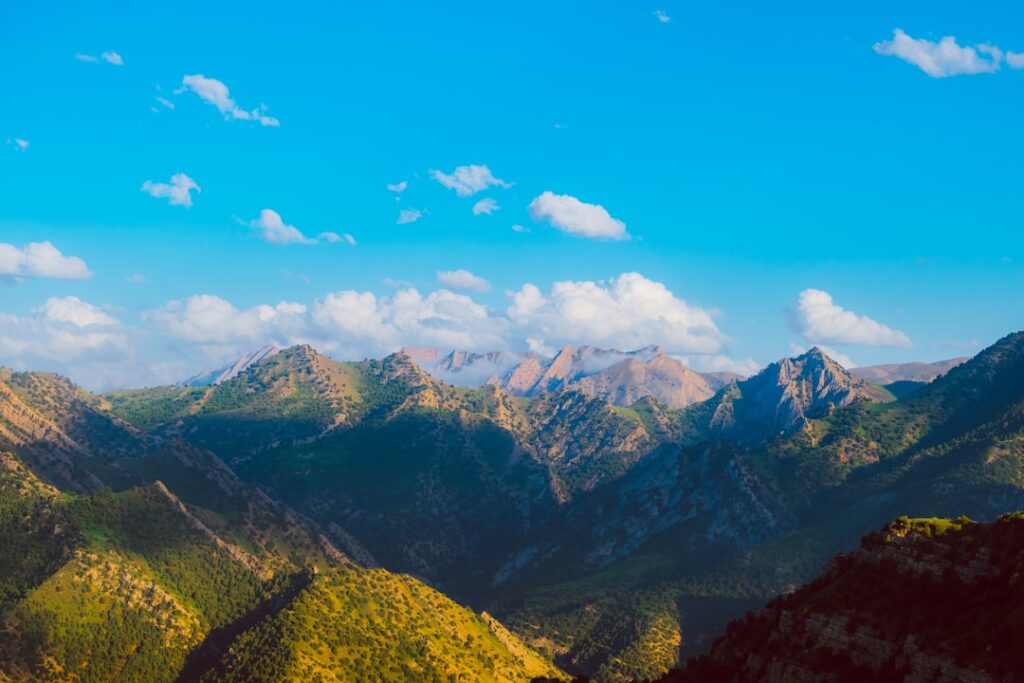
Brown mountains under white clouds during daytime, Khorasan, Iran
- Historic Architecture: The Goharshad Mosque (1418 CE) in Mashhad is a masterpiece of Timurid-era tilework, its intricate mosaics telling stories of faith and artistry.
- Cultural Scene: The Neyshabur Turquoise Festival each spring celebrates the region’s famed gemstone with traditional music, crafts, and mine tours.
- Local Specialties: You must try Sholeh Mashhadi, a rich, saffron-infused lamb and wheat porridge that’s been a local comfort food for centuries.
Pro Tip: For the best experience at the holy shrine in Mashhad, visit on a weekday morning around 9 AM. This avoids the intense crowds of Iranian pilgrims that gather on Thursday evenings and Fridays, giving you more space to appreciate the architecture. The complex is vast, so wear comfortable, slip-on shoes as you’ll need to remove them frequently.
Map of Khorasan, Iran
Use these interactive maps to explore Khorasan, Iran and plan your route:
📍 View Khorasan, Iran on OpenStreetMap
🗺️ Open Khorasan, Iran in Google Maps
Planning Your Trip: Practical Essentials
Getting There and Around
- By Air: Mashhad International Airport (MHD) is the main gateway, with direct flights from Tehran, Istanbul, and Dubai on airlines like Iran Air, Mahan Air, and Turkish Airlines. A taxi to the city center costs about 800,000 IRR (~$2). Book flights at Skyscanner for best deals.
- By Train: Overnight trains from Tehran to Mashhad are a classic, comfortable journey (approx. 12 hours). The VIP sleeper compartments are your best bet. Reserve tickets at Trainline or the national railway website.
- By Car: Renting a car is ideal for exploring sites like Neyshabur and Tus. Roads are generally good. An international driving permit is required. Compare car rentals at RentalCars.com.
- Local Transport: Mashhad has an efficient metro system; a single ride is 50,000 IRR. For inter-city travel, use shared taxis (savari) or VIP buses from the main terminals. Check official city transport websites for passes and schedules.
Best Time to Visit
The ideal times are during the mild shoulder seasons. Summers can be hot in the cities, while winters bring snow and cold, especially in the mountains, offering a different but beautiful perspective.
| Season | Weather | Highlights |
|---|---|---|
| Summer (Jun–Aug) | Hot and dry, 25°C to 35°C (77°F to 95°F) | Vibrant atmosphere at holy sites, clear mountain skies for trekking, but expect peak domestic pilgrimage crowds in Mashhad. |
| Winter (Dec–Feb) | Cold, often below freezing with snow, -5°C to 10°C (23°F to 50°F) | Dramatic, snow-dusted landscapes, fewer visitors, and a uniquely serene atmosphere at historical sites. Pack very warm clothing. |
| Shoulder (Apr–May/Sep–Oct) | Pleasant and mild, 15°C to 25°C (59°F to 77°F) | The absolute best time for sightseeing and exploration. Comfortable temperatures, blooming flowers (especially in spring), and manageable tourist numbers. |
Budgeting for Khorasan, Iran

Blue dome building, Khorasan, Iran
| Category | Budget | Mid-range | Luxury |
|---|---|---|---|
| Accommodation | Hostel/Guesthouse: 8,000,000 IRR ($15-20) | 3-Star Hotel: 15,000,000 IRR ($30-40) | 5-Star Hotel: 40,000,000+ IRR ($80+) |
| Meals | Street Food/Kebab Shop: 2,000,000 IRR ($4-5) | Local Restaurant: 5,000,000 IRR ($10-12) | Fine Dining: 15,000,000+ IRR ($30+) |
| Transport | Metro/Bus: 200,000 IRR/day ($0.50) | Private Taxis: 3,000,000 IRR/day ($6-7) | Private Driver: 30,000,000+ IRR/day ($60+) |
| Activities | Many shrines & gardens are free/low cost | Museum entries: ~1,000,000 IRR ($2) | Private guided tours: 20,000,000+ IRR ($40+) |
| Daily Total | ~12,000,000 IRR ($25) | ~25,000,000 IRR ($50) | ~100,000,000+ IRR ($200+) |
Top Attractions and Must-See Sights
| Attraction | Description | Hours | Entry Fee |
|---|---|---|---|
| Imam Reza Holy Shrine | The spiritual heart of Iran, a breathtaking complex of mosques, museums, and courtyards adorned with mirror-work and gold. | 24/7 for courtyards; museums 8 AM-8 PM | Free (Museums ~1,000,000 IRR) |
| Tomb of Ferdowsi (Tus) | The majestic memorial to Iran’s Homer, whose epic Shahnameh preserved the Persian language, set in a serene garden. | 8 AM-8 PM | 1,000,000 IRR |
| Tomb of Omar Khayyam (Neyshabur) | A beautiful, modern canopy designed by Hooshang Seyhoun marks the grave of the legendary poet, astronomer, and mathematician. | 8 AM-6 PM | 500,000 IRR |
| Kang Village (Near Neyshabur) | A stunning, stepped village carved into the mountainside, offering incredible views and a glimpse into traditional rural life. | Always accessible | Free |
3-Day Itinerary: Khorasan, Iran’s Highlights & Hidden Gems
Day 1: The Spiritual & Historic Core of Mashhad
- Morning (7-9 AM): Enter the Imam Reza Holy Shrine complex at sunrise for the most peaceful atmosphere. Focus on the Goharshad Mosque and the Astan Quds Razavi Museum, which houses priceless Qurans and carpets.
- Afternoon (12-3 PM): Explore the Kooh Sangi park and have lunch at Shandiz Mashhad Restaurant for their legendary lamb chops (Barg) with fresh sangak bread. Expect to pay around 8,000,000 IRR.
- Evening (6-8 PM): Wander the bustling Reza Bazaar for saffron, turquoise, and prayer beads. For dinner, head to Sonati Haj Mahmoud for an authentic taste of Sholeh Mashhadi.
Day 2: A Journey to the Poets’ Realm
- Morning (8 AM): Hire a private taxi for the day (~40,000,000 IRR) for the 1.5-hour drive to Tus. Visit the Tomb of Ferdowsi and the adjacent museum to understand his monumental impact.
- Afternoon (1 PM): Continue to Neyshabur (45 mins). Visit the tranquil Tomb of Omar Khayyam and the nearby Tomb of Attar, another great Sufi poet. Lunch at a local kababi near the Attar tomb.
- Evening (6 PM): Return to Mashhad. For a different vibe, enjoy dinner in the more modern Vakil Abad area at Bermuda Restaurant, known for its contemporary Persian cuisine.
Day 3: Mountains, Villages & Caravanserais
- Morning (7 AM): Take a shared taxi to Kang Village (cost: ~2,000,000 IRR per person). Hike the ancient stairways for breathtaking panoramic views of the valley—your camera will thank you.
- Afternoon (12 PM): On the return journey, stop at the Robat Sharaf caravanserai, a stunning 12th-century desert outpost on the Silk Road. Pack a picnic lunch to eat in its historic courtyard.
- Evening (5 PM): Back in Mashhad, enjoy a final stroll through the Mellat Park. For a memorable farewell dinner, book a table at Bagh-e Behesht, a restaurant in a beautiful garden setting.
Cultural Insights & Etiquette
- Language: Persian (Farsi) is spoken. Learn “Salam” (hello), “Merci” (thank you), and “Lotfan” (please). In holy sites, you’ll hear “Salaam aleikum.”
- Customs: Always remove shoes before entering carpeted areas in homes, mosques, and some shops. When offered tea (which is constantly), accept it as a sign of hospitality.
- Tipping: Not mandatory but appreciated. Round up taxi fares, leave 5-10% in sit-down restaurants, and tip hotel porters 1,000,000-2,000,000 IRR.
- Dress Code: For women, a headscarf (rousari) and manteau (long coat) are mandatory in public. Men should avoid shorts. Dress is especially conservative within the shrine complex—chadors are provided at entrances.
- Business Hours: Government offices and many shops close on Fridays. Typical hours are 8 AM-1 PM and 4 PM-8 PM. Everything slows or closes during Ramadan daylight hours.
Where to Eat: Khorasan, Iran’s Best Bites
Khorasani cuisine is hearty and aromatic, defined by saffron, barberries (zereshk), lamb, and wheat. Dining is a social, leisurely affair. Don’t just eat—linger over tea and conversation.
Must-Try Local Specialties
- Sholeh Mashhadi: The ultimate local dish, a thick, savory porridge of lamb, wheat, beans, and spices, slow-cooked for days. Find it at traditional restaurants like Sonati Haj Mahmoud.
- Shandizi Kebab: Tender, marinated lamb chops or minced meat kebabs, traditionally served with raw onions, fresh herbs, and grilled tomatoes. The restaurants in the Shandiz district, northwest of Mashhad, are famous for this.
- Qottab: A sweet, deep-fried pastry from Neyshabur, filled with almonds, cardamom, and powdered sugar. Perfect with tea from any local bakery.
Restaurant Recommendations by Budget
| Type | Restaurant | Specialty | Price Range |
|---|---|---|---|
| Budget | Ferdowsi Grand Hotel Restaurant (Downtown Mashhad) | Classic chelo kabab in a no-frills, local setting | 3,000,000-5,000,000 IRR |
| Mid-range | Shandiz Mashhad Restaurant (Shandiz Area) | Atmospheric garden setting for iconic Shandizi kebabs | 8,000,000-15,000,000 IRR |
| Fine dining | Bagh-e Behesht (Mashhad) | Elegant Persian cuisine in a beautiful park-like environment | 20,000,000+ IRR |
Where to Stay
Most visitors stay in Mashhad, the central hub. The areas closest to the Holy Shrine are bustling and ideal for pilgrims, while districts further afield offer more tranquility. Compare prices and book at Booking.com or Airbnb for apartments.
Best Neighborhoods for Accommodation
- Around the Holy Shrine: The most atmospheric and convenient for shrine visits, but can be very crowded and noisy. Best for pilgrims and short stays. (e.g., Ghasr Talaee International Hotel).
- Vakil Abad & Azadi Square: More modern, with a wider range of restaurants, shopping malls, and parks. Offers a better balance for general tourists and is well-connected by metro. (e.g., Darvishi Hotel).
- Shandiz Area: A cooler, mountainous suburb about 30 minutes from central Mashhad. Ideal for nature lovers and those seeking peace, famous for its kebab restaurants. Best with a rental car.

A man sitting on a staircase, Khorasan, Iran
FAQs: Your Khorasan, Iran Questions Answered
1. Is Khorasan, Iran safe at night?
Mashhad is generally very safe at night, with well-lit streets and a visible police presence, especially around the shrine. As in any major city, exercise standard precautions: stick to main streets, be aware of your belongings, and use registered taxis for late-night travel. The sense of community and religious observance contributes to a secure environment.
2. What currency is used and are credit cards accepted?
The Iranian Rial (IRR) is the official currency, but prices are often quoted in Tomans (1 Toman = 10 Rials). Due to international sanctions, foreign credit/debit cards do NOT work. You must bring all your money in cash (Euros or USD are best) and exchange it at official exchange shops (Sarrafi). Keep all exchange receipts.
3. How do I get from the airport to the city center?
The most convenient option is a pre-booked private transfer or a taxi from the official rank outside arrivals. The fixed fare to most central hotels is approximately 800,000 IRR (~$2 USD) and takes 30-45 minutes. There is also a public bus, but it’s less convenient with luggage. Book airport transfers at GetYourGuide for convenience.
4. Do I need to speak the local language?
You can manage without Farsi, but learning a few phrases is deeply appreciated. In hotels, major restaurants, and tourist sites, you’ll often find staff who speak basic English. For deeper exploration, consider hiring a local English-speaking guide—they can unlock layers of history and culture you might otherwise miss.
Related Guides
Explore more destinations similar to Khorasan:
- Pogradec, Albania: Hidden Lakeside Serenity, Ancient History & Rustic Gastronomy (2025)
- Thakhek, Laos’s Best Caves, Karsts & The Legendary Loop (2026)
- Tubmanburg, Liberia’s Essential Iron Ore, Rainforests & Resilient History (2025)
- N’Délé, Central African Republic: Essential History, Resilience & Untamed Savannah (2026)
{“@context”: “https://schema.org”, “@type”: “FAQPage”, “mainEntity”: [{“@type”: “Question”, “name”: “What is the best time to visit Khorasan?”, “acceptedAnswer”: {“@type”: “Answer”, “text”: “The best time to visit Khorasan depends on your preferences. Generally, the dry season offers the most pleasant weather for sightseeing and outdoor activities.”}}, {“@type”: “Question”, “name”: “How many days do I need in Khorasan?”, “acceptedAnswer”: {“@type”: “Answer”, “text”: “Most travelers spend 3-5 days in Khorasan to see the main attractions. A week allows for a more relaxed pace and day trips.”}}, {“@type”: “Question”, “name”: “Is Khorasan expensive to visit?”, “acceptedAnswer”: {“@type”: “Answer”, “text”: “Khorasan can be visited on various budgets. Accommodation ranges from hostels to luxury hotels, and local restaurants offer affordable dining.”}}]}

