
Lake Superior, Canada: Hidden Freshwater Majesty, Ancient Trails & Star-Filled Nights (2026)
While crowds flock to the well-trodden shores of Lake Louise, savvy travelers discover a different kind of Canadian giant. Lake Superior’s Canadian shoreline, stretching over 1,100 kilometers from Sault Ste. Marie to Thunder Bay, holds more water than all the other Great Lakes combined. Here, you can stand on the world’s largest freshwater beach at Pancake Bay, hike billion-year-old mountain trails, and witness a night sky so dark it’s designated an International Dark Sky Preserve. This isn’t just a lake; it’s a raw, elemental force of nature waiting to be explored.
Why Lake Superior, Canada Stands Out

Drone shot of Wisconsin Point Lighthouse on Lake Superior in Superior, Lake Superior, Canada
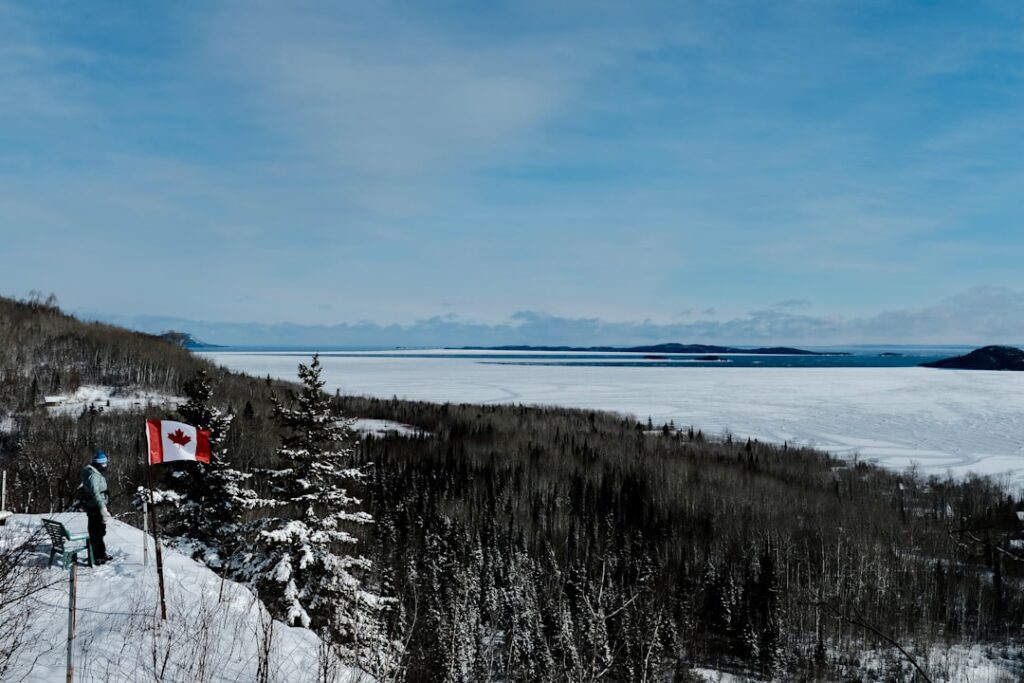
- Historic Architecture: The Terry Fox Memorial, overlooking the lake near Thunder Bay, is a poignant national landmark commemorating the 1980 Marathon of Hope and offering a powerful vista.
- Cultural Scene: The Sleeping Giant Folk Society hosts summer concerts in a converted barn near Thunder Bay, where the acoustics are as warm as the community spirit.
- Local Specialties: You must try a fresh, shore-cooked Lake Superior whitefish, often served smoked or pan-fried with wild rice harvested from local waterways.
Pro Tip: Visit in September. The summer crowds have dissipated, the water is at its warmest (a relative term for Superior!), the fall colours are explosive, and the notorious black flies are gone. Mid-week stays in shoulder season often yield significant accommodation discounts.
Map of Lake Superior, Canada
Use these interactive maps to explore Lake Superior, Canada and plan your route:
📍 View Lake Superior, Canada on OpenStreetMap
🗺️ Open Lake Superior, Canada in Google Maps
Planning Your Trip: Practical Essentials
Getting There and Around
- By Air: Thunder Bay International Airport (YQT) is the main gateway, served by Air Canada, WestJet, and Porter. A rental car is essential from here. Book flights at Skyscanner for best deals.
- By Train: VIA Rail’s Canadian transcontinental service stops in Hornepayne and Longlac, but services are infrequent (2-3 times weekly). The journey is scenic but not practical for regional exploration. Reserve tickets at Trainline or the national railway website.
- By Car: The Trans-Canada Highway (Highway 17) is the lifeblood of the region, offering stunning coastal drives. A car is non-negotiable. Book rentals well in advance for summer. Compare car rentals at RentalCars.com.
- Local Transport: There is no meaningful public transit connecting the lakeshore communities. Your rental car is your only reliable option for getting around.
Best Time to Visit
The experience varies dramatically by season. Summer offers accessibility and warmth, while shoulder seasons provide solitude and stunning natural transitions. Winter is for the truly adventurous, offering ice caves and snowshoeing under the aurora.
| Season | Weather | Highlights |
|---|---|---|
| Summer (Jun–Aug) | 15°C to 25°C (59°F-77°F). Sunny but can be windy; lake is cold (avg. 10-12°C). | All hiking trails and parks open, boat tours running, festivals. Busiest season. |
| Winter (Dec–Feb) | -10°C to -20°C (14°F to -4°F), heavy lake-effect snow. | Ice caves at Apostle Islands (accessible from US side), snowshoeing, cross-country skiing, Northern Lights. Very quiet. |
| Shoulder (Apr–May/Sep–Oct) | 5°C to 15°C (41°F-59°F). Unpredictable, with possible early snow or warm spells. | Fall colours (late Sep-Oct) are spectacular, no bugs, minimal crowds, lower prices. Some services may be reduced. |
Budgeting for Lake Superior, Canada

View from a sailboat near Thunder Bay Lighthouse on a cloudy day., Lake Superior, Canada
| Category | Budget | Mid-range | Luxury |
|---|---|---|---|
| Accommodation | $80-$120/night (camping, basic motel) | $150-$250/night (B&B, cabin, hotel) | $300+/night (luxury lodge, spa resort) |
| Meals | $25-$40/day (self-catering, diner meals) | $60-$90/day (restaurant lunches & dinners) | $120+/day (fine dining, curated experiences) |
| Transport | $50/day (fuel share, no rental) | $80-$100/day (compact rental car + fuel) | $150+/day (SUV rental, guided transfers) |
| Activities | $0-$30/day (hiking, public beaches) | $50-$80/day (park fees, one paid tour) | $100+/day (private boat charters, guided hikes) |
| Daily Total | $155-$240 | $340-$520 | $670+ |
Top Attractions and Must-See Sights
| Attraction | Description | Hours | Entry Fee |
|---|---|---|---|
| Sleeping Giant Provincial Park | Hike the iconic “Sea Lion” rock formation and the Top of the Giant Trail for one of the Great Lakes’ most breathtaking views. | Park open 24/7; Visitor Centre 10am-4pm (summer) | $15.50 per vehicle (day use) |
| Pukaskwa National Park | Canada’s only wilderness national park on Lake Superior, featuring the challenging but rewarding Coastal Hiking Trail and ancient Pukaskwa Pits. | Park open 24/7; Visitor Centre 10am-6pm (Jul-Aug) | $8.50 per adult, $16.75 per group |
| Kakabeka Falls | Known as the “Niagara of the North,” this 40-meter waterfall is easily accessible and surrounded by beautiful boardwalk trails. | Park open 8am-10pm (seasonal) | $15.50 per vehicle (day use) |
| Agawa Rock Pictographs | See centuries-old Ojibwe paintings on a dramatic cliff face in Lake Superior Provincial Park, accessible only by a short, steep trail (caution advised). | Accessible mid-May to late Sept, weather permitting | Included with park vehicle permit ($15.50) |
3-Day Itinerary: Lake Superior, Canada’s Highlights & Hidden Gems
Day 1: Thunder Bay & The Sleeping Giant
- Morning (7-9 AM): Start early at the Terry Fox Memorial. The morning light over the lake is inspiring. Then, drive 45 minutes to Sleeping Giant Provincial Park.
- Afternoon (12-3 PM): Hike the Kabeyun Trail to the “Sea Lion” and Tee Harbour for a picnic lunch. For a quicker option, the Lookout Trail offers stunning vistas. Grab a late, hearty lunch at The Sal on Highway 587 for their famous giant burgers.
- Evening (6-8 PM): Drive back to Thunder Bay for dinner at The Sovereign Room (book ahead) for elevated pub fare and local craft beer. If it’s a clear night, drive out of the city to see the stars.
Day 2: Coastal Wonders & Ancient History
- Morning (8 AM): Drive east on Highway 17/Trans-Canada towards Nipigon. Stop at Ouimet Canyon ($15.50/vehicle), a 100m deep gorge with an Arctic microclimate on its floor, accessible via an easy 1km boardwalk.
- Afternoon (12-3 PM): Continue to Rossport, a picturesque fishing village. Have lunch on the patio at The Serendipity Gardens Café (fresh fish & chips). Then, take a mid-afternoon sea kayaking tour with Superior Outfitters (from $75/person) to explore the islands.
- Evening (6-8 PM): Drive to the town of Marathon. Dine at the Marathon Tavern for no-fuss, hearty meals. Stay overnight at a local motel or the Peninsula Resort.
Day 3: Wilderness & Pictographs
- Morning (8 AM): Drive south to Pukaskwa National Park ($8.50/adult). Hike the first few kilometers of the Coastal Trail to the suspension bridge over the White River for a true wilderness feel.
- Afternoon (12-3 PM): Drive further east to Lake Superior Provincial Park. Have a packed lunch at Katherine Cove, a stunning sandy beach. Then, carefully hike down to see the ancient Agawa Rock Pictographs (check lake conditions first—waves can be dangerous).
- Evening (6-8 PM): Conclude your journey in the artsy town of Wawa (famous for its giant goose statue). Enjoy a final Superior whitefish dinner at Kinniwabi Pines, a legendary local institution.
Cultural Insights & Etiquette
- Language: English is predominant. You’ll hear some French, and many place names are of Ojibwe origin (e.g., Pukaskwa, Kakabeka). Learning to pronounce them is a sign of respect.
- Customs: There’s a deep respect for the land’s power and history. Always stay on marked trails, pack out all trash, and be mindful that you are traveling through traditional Indigenous territories.
- Tipping: Standard Canadian practice: 15-20% in sit-down restaurants, $1-2 per bag for porters, $2-5 per night for hotel housekeeping.
- Dress Code: Utterly casual and practical. Layers are essential—even summer days can turn chilly. Waterproof hiking boots and a windproof jacket are highly recommended.
- Business Hours: In small towns, shops may close early (5 or 6 PM) and some restaurants may be closed Mondays or Tuesdays. Always have a backup plan and stock up on snacks.
Where to Eat: Lake Superior, Canada’s Best Bites
Dining here is defined by the lake and the forest. The cuisine is hearty, fresh, and unpretentious, focusing on local catch, wild game, and foraged berries. Don’t expect a vast culinary scene, but do expect incredibly fresh ingredients served with genuine hospitality.
Must-Try Local Specialties
- Lake Superior Whitefish: Mild, flaky, and incredibly fresh. Try it pan-fried with a squeeze of lemon at The Wawa Motor Inn restaurant or smoked from a roadside vendor.
- Wild Blueberry Pie: The region is famous for its tiny, tart wild blueberries. The pie at The Voyageur’s Cookhouse in Batchawana Bay is legendary.
- Venison or Bison: Often found on menus as burgers or steaks. The Prospector Steakhouse in Thunder Bay does an excellent peppercorn bison steak.
Restaurant Recommendations by Budget
| Type | Restaurant | Specialty | Price Range |
|---|---|---|---|
| Budget | Hoito Restaurant, Thunder Bay | Historic Finnish-Canadian pancake breakfasts and hearty lunches. | $8-$15 per person |
| Mid-range | The Salmon Trout, Sault Ste. Marie | Creative dishes using local fish and game in a cozy setting. | $25-$45 per main |
| Fine dining | Bistro One, Thunder Bay | Seasonal, elegant tasting menus featuring Northern Ontario ingredients. | $75+ per person (tasting menu) |
Where to Stay
Accommodation ranges from rustic campgrounds and motels to charming B&Bs and a few full-service resorts. Booking well in advance for July and August is critical, especially for popular parks. Compare prices and book at Booking.com or Airbnb for apartments.
Best Neighborhoods for Accommodation
- Thunder Bay (Waterfront District): Offers the most amenities, hotels, and dining. Ideal for starting/finishing your trip and accessing Sleeping Giant. Can feel less “wilderness.”
- Rossport/Terrace Bay: Quintessential small lakeshore villages with B&Bs, cabins, and stunning immediate access to the water. Perfect for a peaceful, scenic stopover.
- Wawa/Michipicoten Area: A central hub for exploring the southern shore, with a good range of motels, a famous resort (Wawa Motor Inn), and proximity to Lake Superior Provincial Park.
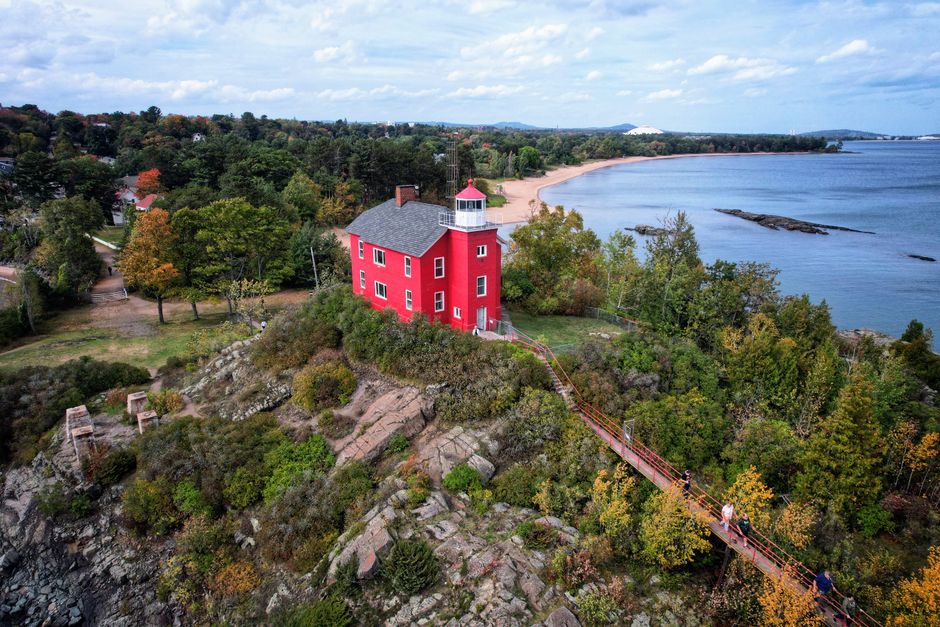
Discover the iconic Marquette Harbor Lighthouse against the scenic Lake Sup…, Lake Superior, Canada
FAQs: Your Lake Superior, Canada Questions Answered
1. Is Lake Superior, Canada safe at night?
Very safe in terms of personal security in towns. The primary risks are environmental: never hike trails after dark due to wildlife (moose, bears) and treacherous terrain. Always let someone know your travel plans when venturing into remote areas.
2. What currency is used and are credit cards accepted?
Canadian Dollars (CAD). Credit cards (Visa/Mastercard) are widely accepted, even in most small towns. However, it’s wise to carry some cash for farmers’ markets, small vendors, or in case of spotty reception in remote areas.
3. How do I get from the airport to the city center?
Thunder Bay Airport (YQT) is about a 15-minute drive from downtown. Taxis cost approximately $35-$45. Some hotels offer shuttles. Your best bet is to pre-book a rental car, as you’ll need it for your entire trip. Book airport transfers at GetYourGuide for convenience.
4. Do I need to speak the local language?
No. English is universally spoken. A few polite phrases like “thank you” (*miigwech* in Ojibwe) are appreciated when engaging with Indigenous cultural sites or businesses.
5. What’s the appropriate dress code?
Functional outdoor wear. There is no need for formal attire. Pack for all weather: quick-dry hiking pants, thermal layers, a fleece, a waterproof/windproof shell, a hat, and sturdy, broken-in hiking boots. A swimsuit is optional—the lake is famously cold!
Final Thoughts: Lake Superior, Canada Awaits
Lake Superior’s Canadian coast offers a travel experience defined not by man-made attractions, but by profound natural scale and quiet resilience. You come here to be humbled by vistas that stretch to the curvature of the earth, to walk trails older than dinosaurs, and to feel the primal chill of water that never truly warms. It’s a destination that rewards patience, preparation, and a spirit of adventure. For your final night, skip the hotel and book a lakeside campsite. Falling asleep to the sound of waves on a billion-year-old shore is
Related Guides
Explore more destinations similar to Lake Superior:
- Mawlamyine, Myanmar: Ultimate Colonial Heritage, Golden Pagodas & Riverfront Charm (2025)
- Sintra’s Best Palaces, Pastries & Mystical Forests (2025)
- Tirana, Albania’s Ultimate Ottoman History, Communist Relics & Mountain Views (2025)
- Covalima, Timor-Leste’s Hidden Coffee, Coastlines & Colonial Echoes (2025)
{“@context”: “https://schema.org”, “@type”: “FAQPage”, “mainEntity”: [{“@type”: “Question”, “name”: “What is the best time to visit Lake Superior?”, “acceptedAnswer”: {“@type”: “Answer”, “text”: “The best time to visit Lake Superior depends on your preferences. Generally, the dry season offers the most pleasant weather for sightseeing and outdoor activities.”}}, {“@type”: “Question”, “name”: “How many days do I need in Lake Superior?”, “acceptedAnswer”: {“@type”: “Answer”, “text”: “Most travelers spend 3-5 days in Lake Superior to see the main attractions. A week allows for a more relaxed pace and day trips.”}}, {“@type”: “Question”, “name”: “Is Lake Superior expensive to visit?”, “acceptedAnswer”: {“@type”: “Answer”, “text”: “Lake Superior can be visited on various budgets. Accommodation ranges from hostels to luxury hotels, and local restaurants offer affordable dining.”}}]}

