
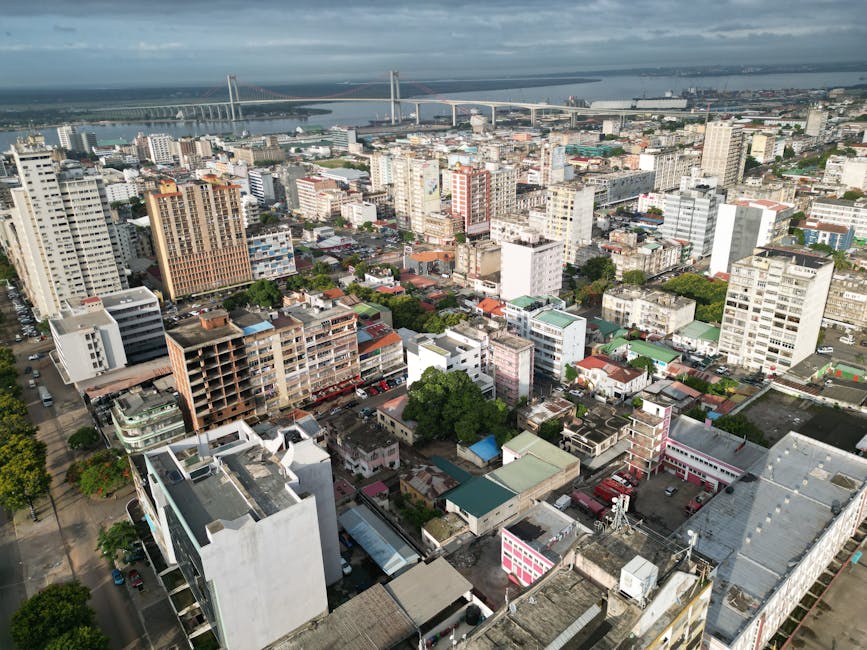
Gorongosa Mozambique, Mozambique: Hidden Wildlife, Wilderness & Rewilding Hope (2026)
While crowds flock to Kruger and the Serengeti, Gorongosa National Park in Mozambique delivers a profound, uncrowded safari experience where your visit directly funds one of the planet’s greatest conservation stories. After a 15-year civil war decimated 95% of its large mammal populations, a 20-year restoration project has seen lions, elephants, and wild dogs return in astonishing numbers. Here, you’re not just a spectator; you’re a witness to a landscape healing itself.
Why Gorongosa Mozambique, Mozambique Stands Out
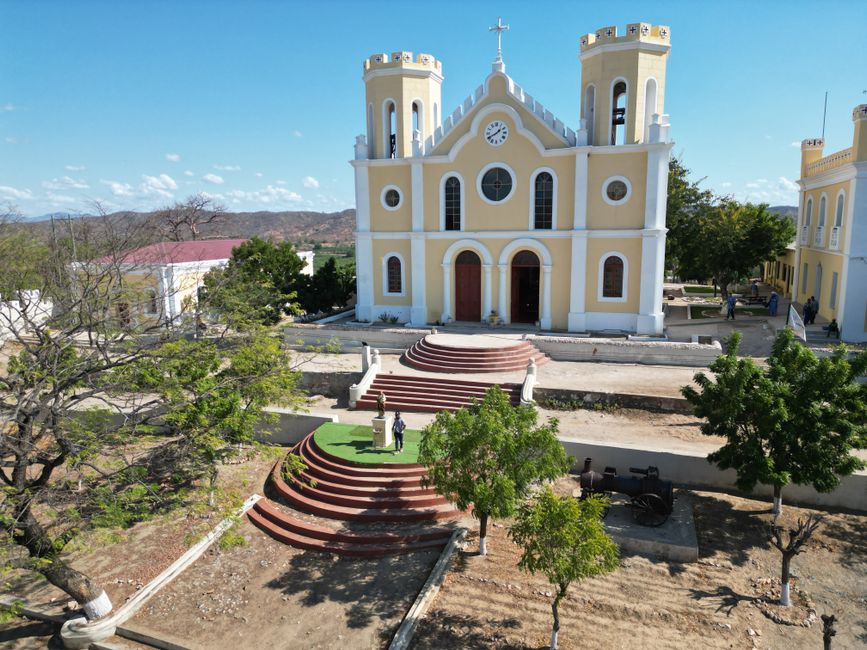
Aerial view of a historic church in Deghe, Gorongosa Mozambique, Mozambique
- Historic Architecture: The iconic Casa dos Leões (Lion House), a restored 1940s safari lodge on the floodplain, serves as a poignant symbol of the park’s resilience and rebirth.
- Cultural Scene: The annual Nhanfisse Festival on Mount Gorongosa celebrates the sacred connection of the Sanga people to the mountain, featuring traditional music, dance, and offerings.
- Local Specialties: You must try Matapa, a rich, creamy stew of cassava leaves, ground peanuts, and coconut milk, often served with prawns or fish and xima (a maize porridge).
Pro Tip: Visit in the late dry season (August to October). Wildlife concentrates around remaining water sources, making for exceptional game viewing. For a truly unique and cooler experience, plan a two-day trek up Mount Gorongosa in July or August to see its cloud forests and waterfalls.
Map of Gorongosa Mozambique, Mozambique
Use these interactive maps to explore Gorongosa Mozambique, Mozambique and plan your route:
📍 View Gorongosa National Park, Mozambique on OpenStreetMap
🗺️ Open Gorongosa National Park in Google Maps
Planning Your Trip: Practical Essentials
Getting There and Around
- By Air: Fly into Beira International Airport (BEW), a 2-3 hour drive from the park. LAM Mozambique Airlines and South African Airways offer connections. Pre-book a 4×4 transfer with your lodge (approx. $150-200). Book flights at Skyscanner for best deals.
- By Train: Limited passenger rail service exists. Your best bet is flying or driving. For regional train travel in Mozambique, check schedules at Trainline or the national railway website.
- By Car: A 4×4 is mandatory, especially in the wet season. The main route is from Beira via the EN1 and EN216. Driving is for the experienced, with variable road conditions. Compare 4×4 rentals at RentalCars.com.
- Local Transport: Within the park, transport is via guided game drives in lodge vehicles. There is no public transport. All activities are organized through your camp.
Best Time to Visit
The park’s rhythm is dictated by the rains. The dry season (May to October) offers the classic safari experience with sparse vegetation and concentrated wildlife. The wet season (November to April) transforms the park into a lush, green paradise, perfect for birdwatching and seeing newborn animals, though some roads may be impassable.
| Season | Weather | Highlights |
|---|---|---|
| Dry Season (May–Oct) | Warm, sunny days (20-30°C), cool nights. Virtually no rain. | Prime game viewing at waterholes, excellent photography light, fewer mosquitoes. Peak season for visitors. |
| Wet Season (Nov–Apr) | Hot (25-35°C) with high humidity. Afternoon thunderstorms are common. | Landscape is stunningly green, over 400 bird species are active, migratory birds present, low tourist crowds. |
| Shoulder (Apr–May/Oct–Nov) | Transitional weather; shorter rains or beginning of dry spell. | A good mix of scenery and wildlife, potential for lower rates, a sense of seasonal change. |
Budgeting for Gorongosa Mozambique, Mozambique

A blue pushpin marks Zimbabwe on a colorful close-up map highlighting its g…, Gorongosa Mozambique, Mozambique
| Category | Budget | Mid-range | Luxury |
|---|---|---|---|
| Accommodation | Camping ~$50-75 pp/night | Safari Tents ~$300-500 pp/night (full board) | Luxury Lodge ~$600-900 pp/night (all-inclusive) |
| Meals | Self-catered if camping | Included in lodge rate | Gourmet meals included |
| Transport | 4×4 rental ~$80-120/day + fuel | Lodge transfer from Beira ~$150 | Private charter flight into park airstrip |
| Activities | Self-drive park fee ~$20/day | Guided drives/walks included | Private guides, sleep-outs, helicopter tours |
| Daily Total | $150-250 pp/day | $400-600 pp/day | $800-1200+ pp/day |
Top Attractions and Must-See Sights
| Attraction | Description | Hours | Entry Fee |
|---|---|---|---|
| Gorongosa National Park | The main event: 4,000 sq km of floodplains, woodlands, and forests teeming with rebounding wildlife. | Sunrise to Sunset | $20 per person per day |
| Mount Gorongosa | The park’s sacred, rain-making mountain with hiking trails through rainforest to a 100m waterfall. | Daylight hours; guide required | ~$50 for guided hike |
| Lake Urema & Floodplain | The vibrant heart of the ecosystem, attracting huge herds of waterbuck, buffalo, and countless birds. | Accessible on game drives | Included in park fee |
| The E.O. Wilson Laboratory | See conservation science in action at this biodiversity research center (visit by arrangement). | By appointment | Often included in lodge activities |
3-Day Itinerary: Gorongosa Mozambique, Mozambique’s Highlights & Hidden Gems
Day 1: Arrival & Floodplain Introduction
- Morning: Arrive at your lodge by 10 AM. Settle in and enjoy a welcome drink overlooking the floodplain. Your best bet is to choose a lodge like Montebelo Gorongosa or Muzimu Camp for this iconic view.
- Afternoon: 3:30 PM departure for your first game drive. Focus on the Lake Urema floodplain. Look for prides of lions, large herds of waterbuck, and hippos. Return for a sundowner at a scenic spot.
- Evening: Dinner at your lodge, often a communal affair. Try the local Matapa stew. Listen for the sounds of hyenas and lions in the distance.
Day 2: Wilderness Exploration & Cultural Insight
- Morning: Sunrise game drive (5:30 AM departure, ~$80 if not included) into the Miombo woodlands. This is your best chance to see the park’s famous painted wolves (African wild dogs) and elusive sable antelope.
- Afternoon: Visit the community-run Vinho Vineyard at the base of Mount Gorongosa. For lunch, enjoy a picnic with local produce. Later, a guided tour of the Gorongosa Coffee Project showcases sustainable agriculture.
- Evening: A night drive (from 7 PM, ~$70) reveals a different world: bushbabies, genets, chameleons, and the glowing eyes of nocturnal predators.
Day 3: Mountain Majesty & Departure
- Morning: With a packed lunch, take a 4×4 transfer (1 hour, arranged by lodge) to Mount Gorongosa’s base. Embark on a 3-4 hour guided hike (~$50 per person) through misty cloud forest to the Murombodzi Waterfall.
- Afternoon: Enjoy your picnic lunch by the waterfall pools. Descend and visit a local Sanga community to understand the sacred relationship with the mountain.
- Evening: Return to your lodge for a final farewell dinner, reflecting on the powerful story of resilience you’ve witnessed.
Cultural Insights & Etiquette
- Language: Portuguese is official; Sena and Ndau are local languages. Learn “Bom dia” (Good morning), “Obrigado/a” (Thank you), and “Parque bonito” (Beautiful park).
- Customs: Always greet people politely before any request. Ask permission before photographing local people. The mountain is sacred; follow your guide’s lead respectfully.
- Tipping: For guides, $10-15 per person per day is customary. For lodge staff, a collective tip of $5-10 per person per day left at reception is appreciated.
- Dress Code: Neutral, casual clothing (khaki, green, brown) for game drives. Modest dress when visiting local communities (cover shoulders and knees).
- Business Hours: Shops in nearby towns like Vila Gorongosa keep variable hours, typically 8 AM-5 PM. The park itself operates from sunrise to sunset.
Where to Eat: Gorongosa Mozambique, Mozambique’s Best Bites
Dining in Gorongosa is almost exclusively at your safari lodge, which offers full-board packages featuring a mix of international and Mozambican cuisine using fresh, local ingredients. The focus is on hearty, delicious meals after a day in the bush.
Must-Try Local Specialties
- Matapa: The national dish. A creamy, flavorful stew of cassava leaves, ground peanuts, coconut milk, and garlic, often with prawns or fish. Your lodge kitchen will prepare an authentic version.
- Piri-Piri Prawns: Freshwater prawns from local rivers, grilled with the famous Mozambican piri-piri chili sauce. A true taste of the region.
- Gorongosa Coffee: Don’t miss the arabica coffee grown on the slopes of Mount Gorongosa. It’s smooth, rich, and supports local farmers. Buy bags at the project site or your lodge.
Restaurant Recommendations by Budget
| Type | Restaurant | Specialty | Price Range |
|---|---|---|---|
| Budget | Lodge Picnic Lunch | Custom-packed lunches for day trips with sandwiches, fruit, and snacks. | Included/ $15-20 |
| Mid-range | Montebelo Gorongosa Restaurant | Buffet-style meals with Portuguese-Mozambican fusion, great floodplain views. | Meals included in stay |
| Fine dining | Muzimu Camp Bush Dinner | Private, lantern-lit dinners in a remote spot of the bush, with a set gourmet menu. | By special arrangement |
Where to Stay
Accommodation ranges from basic camping to stunning luxury tents, all focused on immersion in the wilderness. Staying inside the park is essential for the full experience. Compare prices and book at Booking.com or Airbnb for apartments in Beira, but book park lodges directly through their official websites for the best packages.
Best Neighborhoods for Accommodation
- Floodplain Edge (e.g., Montebelo): Offers the classic safari lodge experience with stunning, direct views over Lake Urema. Perfect for first-time visitors wanting iconic scenes and easy access to prime game areas.
- Remote Bush Camps (e.g., Muzimu, Chitengo): Provides a more intimate, exclusive feel deep in the wilderness. Ideal for seasoned travelers seeking solitude and a stronger connection to the raw bush.
- Mount Gorongosa Base: Basic, community-run campsites or homestays. Best for adventurous hikers prioritizing an early start for the mountain trek, sacrificing some park wildlife proximity.
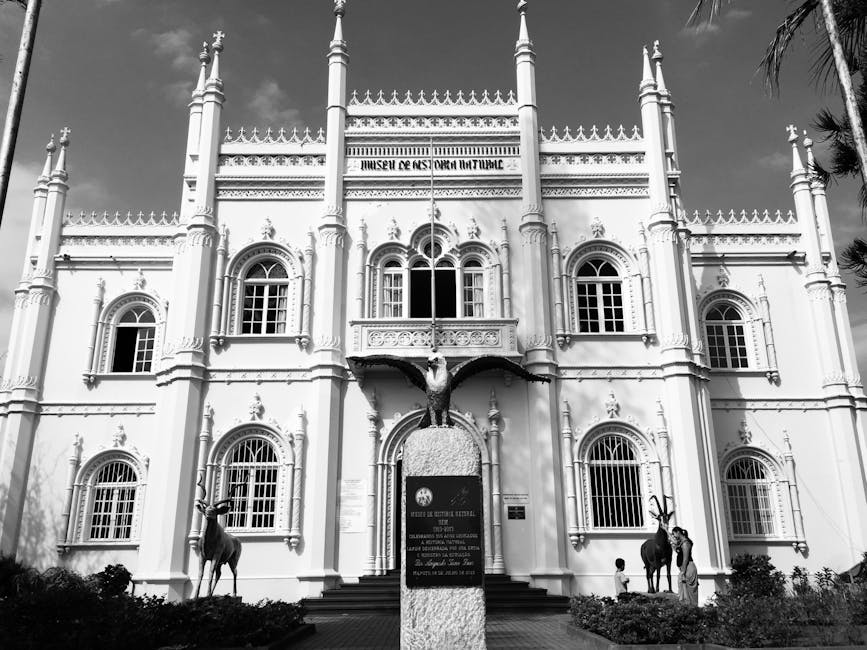
A black and white image of the iconic Museu de Historia Natural in Maputo, Gorongosa Mozambique, Mozambique
FAQs: Your Gorongosa Mozambique, Mozambique Questions Answered
1. Is Gorongosa Mozambique, Mozambique safe at night?
Inside the park, while on your lodge property or on guided activities, it is very safe. Lodges are unfenced, so you must always follow staff instructions: never walk alone at night, and a guide will escort you to your tent after dark. The wildlife is the primary concern, not crime.
2. What currency is used and are credit cards accepted?
The Mozambican Metical (MZN) is the local currency. US Dollars and South African Rands are also widely accepted in the tourism sector. Major lodges accept credit cards (Visa/Mastercard), but connectivity can be intermittent. Savvy visitors always carry sufficient cash in small denominations for tips and small purchases in local villages.
3. How do I get from the airport to the park?
From Beira Airport (BEW), it’s a 2-3 hour drive. All lodges offer pre-booked 4×4 transfers (approx. $150-200 per vehicle one-way). Self-driving is possible with a robust 4×4. For ultimate convenience, some luxury operators offer charter flights directly to the park’s airstrip. Book airport transfers at GetYourGuide for convenience.
4. Do I need to speak the local language?
No. English is spoken by all guides and lodge staff. Portuguese is useful in nearby towns. Learning a few basic greetings in Portuguese or Sena (like “Obrigado” – Thank you) is greatly appreciated by local community members and shows respect.
5. What’s the appropriate dress code?
Neutral-colored, comfortable, casual clothing is key for game drives. Pack layers for cool morning drives and warm afternoons. A wide-brimmed hat, sunglasses, and sturdy closed-toe shoes are essential. For evenings, smart-casual attire is fine at lodges. When visiting communities, dress modestly.
Final Thoughts: Gorongosa Mozambique, Mozambique Awaits
Gorongosa is more than a safari destination; it’s a testament to nature’s resilience and the power of dedicated conservation. You’ll leave with more than photographs—you’ll carry a story of hope. Your visit directly supports this extraordinary recovery, protecting wildlife and empowering local communities. For a safari that feeds the soul and contributes to a future where wilderness thrives, Gorongosa is unparalleled. Don’t miss the simple pleasure of a sundowner on the floodplain, listening as the African night comes alive, knowing you’re part of this park’s continuing story.
{“@context”: “https://schema.org”, “@type”: “FAQPage”, “mainEntity”: [{“@type”: “Question”, “name”: “What is the best time to visit Gorongosa Mozambique?”, “acceptedAnswer”: {“@type”: “Answer”, “text”: “The best time to visit Gorongosa Mozambique depends on your preferences. Generally, the dry season offers the most pleasant weather for sightseeing and outdoor activities.”}}, {“@type”: “Question”, “name”: “How many days do I need in Gorongosa Mozambique?”, “acceptedAnswer”: {“@type”: “Answer”, “text”: “Most travelers spend 3-5 days in Gorongosa Mozambique to see the main attractions. A week allows for a more relaxed pace and day trips.”}}, {“@type”: “Question”, “name”: “Is Gorongosa Mozambique expensive to visit?”, “acceptedAnswer”: {“@type”: “Answer”, “text”: “Gorongosa Mozambique can be visited on various budgets. Accommodation ranges from hostels to luxury hotels, and local restaurants offer affordable dining.”}}]}
Related Guides
Explore more destinations similar to Gorongosa Mozambique:

