
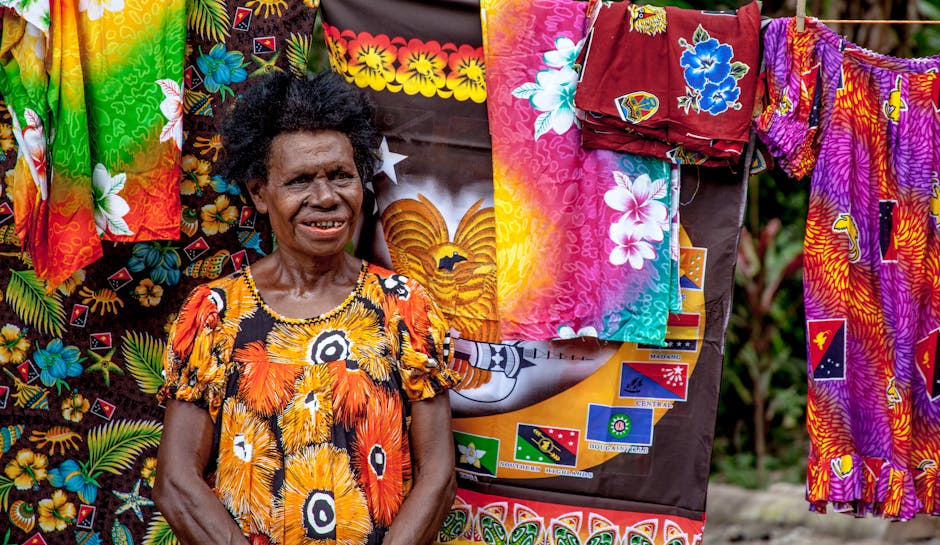
Tari Valley, Papua New Guinea: Essential Culture, Color & Unfiltered Tradition (2026)
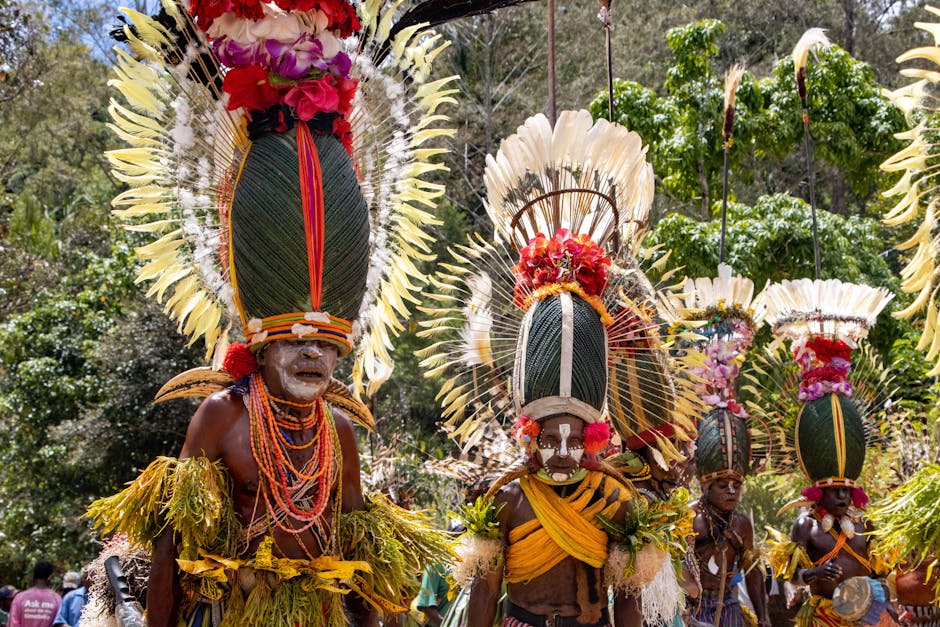
What if one of the world’s most vibrant living cultures existed not in a museum, but in a misty highland valley visited by fewer than 2,000 international travelers a year? Tari Valley, Papua New Guinea, proves that profound cultural authenticity isn’t lost. Here, the Huli Wigmen, renowned for their elaborate ceremonial paint and towering headdresses, maintain traditions that have defined their identity for centuries. This isn’t a performance; it’s daily life unfolding against a backdrop of cloud forests and orchid-strewn trails.
Why Tari Valley, Papua New Guinea Stands Out

Colorful festival parade featuring participants in traditional attire and h…, Tari Valley, Papua New Guinea
- Historic Architecture: The iconic Huli “Haus Tambaran” (Spirit House), a towering woven structure built using techniques unchanged for generations, serves as the spiritual and communal heart of villages.
- Cultural Scene: The Huli Wigmen’s “Sing-Sing”, a mesmerizing display of synchronized chanting, feather-adorned dancing, and symbolic storytelling that marks important community events.
- Local Specialties: Mumu, a celebratory feast where pork, sweet potatoes, and greens are slow-cooked with hot stones in an underground pit, creating uniquely smoky, tender flavors.
Pro Tip: Your best bet is to visit during the drier months from June to September. Not only are the hiking trails more accessible, but this period often coincides with local harvest festivals and ceremonial gatherings, offering a greater chance to witness authentic sing-sings. Avoid the peak rainy season (December to March) when flights are frequently canceled and trails become impassable.
Map of Tari Valley, Papua New Guinea
Use these interactive maps to explore Tari Valley, Papua New Guinea and plan your route:
📍 View Tari Valley, Papua New Guinea on OpenStreetMap
🗺️ Open Tari Valley, Papua New Guinea in Google Maps
Planning Your Trip: Practical Essentials
Getting There and Around
- By Air: The only way in is via a small charter or PNG Air/MAF flight to Tari Airport (TIZ) from Port Moresby (PMO) or Mount Hagen (HGU). Flights are weather-dependent and book up fast. Book flights at Skyscanner for best deals, but confirm directly with airlines.
- By Train: There are no railways in the Papua New Guinea highlands. All travel is by air or rugged 4×4 vehicle.
- By Car: Driving is not recommended for independent travelers. The Highlands Highway is extremely rough and security can be a concern. All transport is arranged through your lodge or a registered guide. Compare car rentals at RentalCars.com for other parts of PNG, but not for Tari.
- Local Transport: Your feet and pre-arranged 4×4 vehicles with drivers are the primary transport. Walking between villages with a guide is the best way to experience the valley.
Best Time to Visit
The climate in Tari is tropical highland, meaning it’s cooler than the coast but can be wet year-round. Savvy visitors target the drier window for reliable access and clearer views.
| Season | Weather | Highlights |
|---|---|---|
| Dry Season (Jun–Sep) | Mild, 16-24°C (60-75°F). Sunny mornings, occasional afternoon showers. | Optimal trekking, frequent cultural ceremonies, reliable flights. Peak season for tourism. |
| Wet Season (Dec–Mar) | Warm & very wet, 18-26°C (65-79°F). Daily heavy rainfall. | Lush, vibrant scenery; fewer visitors. Major travel disruptions likely. |
| Shoulder (Apr–May/Oct–Nov) | Unpredictable, 17-25°C (63-77°F). Mix of sun and rain. | Good value, green landscapes, a balance of accessibility and authenticity. |
Budgeting for Tari Valley, Papua New Guinea

Tribal warrior with body paint and bow in Jayapura’s lush jungle., Tari Valley, Papua New Guinea
| Category | Budget | Mid-range | Luxury |
|---|---|---|---|
| Accommodation | Very limited. Basic guesthouse ~150 PGK/night | Lodge package (incl. meals/tours) ~800-1200 PGK/night | All-inclusive cultural lodge ~1500+ PGK/night |
| Meals | Market snacks, ~20-40 PGK | All meals included at lodges | All meals + special Mumu feast included |
| Transport | Walking only | Guided village walks & 4×4 transfers included in lodge package | Private guide & 4×4 for exclusive access |
| Activities | Free village visits (with guide gift) | Guided tours, sing-sing performances (~100 PGK fee) | Private multi-day treks, in-depth clan interactions |
| Daily Total | ~200 PGK / $55 USD | ~1000 PGK / $275 USD | ~1800+ PGK / $500+ USD |
*PGK = Papua New Guinea Kina. Budget travel here is challenging and not recommended due to safety and logistical needs. Mid-range lodge packages are the standard and best value.
Top Attractions and Must-See Sights
| Attraction | Description | Hours | Entry Fee |
|---|---|---|---|
| Huli Wigmen Cultural Interaction | Spend a morning learning about the iconic wigmaking process, ceremonial paint, and ancestral stories directly from the clansmen. | Morning tours, ~8am-12pm | ~100-150 PGK per person (arranged through lodge) |
| Tari Basin Trek & Birdwatching | Guided hike through stunning montane forest, home to over 60% of PNG’s bird species, including the magnificent Bird of Paradise. | Daylight hours, 4-6 hour trek | ~200 PGK (includes guide) |
| Local Market at Tari Station | The vibrant weekly market where Huli people trade produce, crafts, and stories—a hub of authentic daily life. | Weekly, typically Friday mornings | Free (small purchases expected) |
| Traditional Mumu Feast Preparation | Participate in or witness the ancient cooking ritual, from digging the pit to uncovering the flavorful, steam-cooked meal. | Arranged for special occasions or groups | ~250 PGK per person for participation & meal |
3-Day Itinerary: Tari Valley, Papua New Guinea’s Highlights & Hidden Gems
Day 1: Immersion with the Huli Wigmen
- Morning (7-9 AM): After an early breakfast at your lodge, take a short 4×4 ride to a nearby Huli clan ground. You’ll be greeted by Wigmen in full regalia. Witness the meticulous application of ochre, yellow clay, and charcoal face paint, each pattern holding specific meaning related to clan identity and spiritual beliefs.
- Afternoon (12-3 PM): Enjoy a packed lunch provided by your lodge. Then, engage in a hands-on demonstration. Locals recommend trying your hand at stringing ceremonial beads or learning about the sacred *Ambua* tree, whose seeds are used in the vibrant red pigment. This is often followed by a powerful, low-chanting sing-sing performance.
- Evening (6-8 PM): Return to your lodge for a relaxed dinner. Spend the evening sharing stories with fellow travelers and your guide, who can provide deeper context about the complex *Huli* belief system and the importance of the wig school (*Harambe*).
Day 2: Highlands Trek & Village Life
- Morning (7 AM): Depart early for a guided trek into the Tari Basin (~200 PGK). Your best bet is to hire a local birding specialist as a second guide. With patience, you might spot the King of Saxony or the Raggiana Bird of Paradise performing its dazzling display.
- Afternoon (1 PM): Trek to a remote village less frequented by tourists. You’ll be invited into a family’s hut for a simple lunch of kaukau (sweet potato) and greens. This unstructured time is where travelers often discover the most genuine connections.
- Evening (5 PM): If it’s a Friday, visit the Tari Station market before it closes. Later, enjoy a lodge dinner featuring highlands staples like roasted pitpit (a local vegetable) and river fish.
Day 3: Craftsmanship & Departure
- Morning (8 AM): Visit a local artisan family specializing in string bilum bags or stone axehead carving. You can commission a small piece as a meaningful souvenir, with payment directly supporting the craftspeople. This is a practice seasoned travelers prefer over buying generic items.
- Afternoon (12 PM): Participate in or observe the preparation of a farewell Mumu feast. The process takes hours, culminating in the unveiling of the smoky, tender food—a truly celebratory meal.
- Evening (4 PM): After the feast, transfer to Tari Airport for your late afternoon flight back to Mount Hagen or Port Moresby. Ensure you confirm your flight multiple times on the day of travel due to frequent schedule changes.
Cultural Insights & Etiquette
- Language: Tok Pisin is the lingua franca. Key phrases: “Moning” (Good morning), “Tenkyu” (Thank you), “Em gutpela” (It is good). The local Huli language is complex; a guide is essential for translation.
- Customs: Always approach villages with a guide who can announce your arrival. Never enter a Spirit House (Haus Tambaran) unless explicitly invited. Ask permission before taking photographs of people—a small fee (5-10 PGK) is customary and respectful.
- Tipping: Not a standard practice. Instead, show appreciation by fairly paying for guided services, photographs, and crafts. Building a genuine relationship is valued more than a monetary tip.
- Dress Code: Modesty is crucial. Wear below-the-knee shorts or trousers and covered shoulders. For women, skirts or loose trousers are best. Avoid wearing anything red in some areas, as it can be associated with tribal conflict.
- Business Hours: Governed by daylight and custom, not the clock. The market is busiest in the early morning. Always operate on “PNG time”—be patient and flexible.
Where to Eat: Tari Valley, Papua New Guinea’s Best Bites
Dining in Tari is almost exclusively tied to your accommodation. Lodges provide all meals, offering a mix of Western and highlands cuisine. The real culinary adventure lies in the traditional cooking methods and shared community feasts.
Must-Try Local Specialties
- Mumu: The definitive highlands feast. Pork, sweet potato, taro, and greens are wrapped in banana leaves and cooked for hours with hot stones in an earth oven. The result is incredibly tender, smoky, and flavorful. You’ll experience this at your lodge or a village celebration.
- Saksak: A steamed pudding made from sago palm flour, often served with coconut milk. It’s a staple carbohydrate with a dense, dough-like texture.
- Pitpit with Kumu: Pitpit (a native asparagus-like shoot) stir-fried with *kumu* (highlands greens) and sometimes small river fish. A common, delicious daily dish prepared at lodges.
Restaurant Recommendations by Budget
| Type | Restaurant | Specialty | Price Range |
|---|---|---|---|
| Lodge Dining | Ambua Lodge Dining Room | Hearty buffet meals featuring local ingredients and occasional Mumu nights. | Included in lodge package |
| Local Experience | Village Family Hosting | Sharing a simple meal of kaukau and greens in a family home. | ~50 PGK (plus a gift like rice or sugar) |
| Market Fresh | Tari Station Market Stalls | Fresh tropical fruit (pineapple, passionfruit), roasted nuts, and steamed corn. | 5-15 PGK per item |
Where to Stay
Accommodation defines your Tari experience. Options range from basic guesthouses (with very limited services) to comfortable, all-inclusive lodges that are the standard for international visitors. These lodges handle everything: guides, meals, security, and cultural access. Compare prices and book at Booking.com for some options, but often booking directly through the lodge’s own website or a specialized PNG tour operator is more reliable.
Best Areas for Accommodation
- Around Tari Station: Home to basic government rest houses and the airstrip. Convenient for market visits but less immersive. Best for those on a strict budget with pre-arranged guides.
- Tari Basin (e.g., Ambua Lodge area): The premier location. Lodges here are set in stunning, isolated valleys with breathtaking views. They offer direct access to birding trails and have long-standing relationships with nearby Huli clans, facilitating deeper cultural access. This is where most travelers should stay.
Colorful tribal dancers in traditional attire at a cultural festival in Pap…, Tari Valley, Papua New Guinea
FAQs: Your Tari Valley, Papua New Guinea Questions Answered
1. Is Tari Valley, Papua New Guinea safe at night?
Safety is highly dependent on your arrangements. Traveling independently at night is not safe. However, staying at a reputable lodge within their secured grounds is considered safe. You will always be accompanied by a guide when outside the lodge. The key is using established operators and respecting local advice—never wander alone.
2. What currency is used and are credit cards accepted?
The currency is the Papua New Guinea Kina (PGK). Bring ample cash in small denominations (5, 10, 20, 50 PGK notes). Credit cards are only accepted at the major lodges (and even then, connectivity issues can cause problems). There are no ATMs in Tari. Plan to carry all the cash you’ll need for your entire stay, including fees for village visits and crafts.
3. How do I get from the airport to my lodge?
This is pre-arranged. Your lodge will have a vehicle and driver meet you at Tari Airport (TIZ). The transfer is included in most lodge packages. The drive can take from 30 minutes to over an hour depending on your lodge’s location in the basin. Book airport transfers at GetYourGuide for convenience in other destinations, but for Tari, rely on your lodge.
4. Do I need to speak the local language?
No, but it helps to know a few Tok Pisin phrases. English is understood by guides and some community leaders, but not widely spoken in villages. Your guide will be your essential translator and cultural interpreter. Learning simple greetings in Tok Pisin will be greatly appreciated.
{“@context”: “https://schema.org”, “@type”: “FAQPage”, “mainEntity”: [{“@type”: “Question”, “name”: “What is the best time to visit Tari Valley?”, “acceptedAnswer”: {“@type”: “Answer”, “text”: “The best time to visit Tari Valley depends on your preferences. Generally, the dry season offers the most pleasant weather for sightseeing and outdoor activities.”}}, {“@type”: “Question”, “name”: “How many days do I need in Tari Valley?”, “acceptedAnswer”: {“@type”: “Answer”, “text”: “Most travelers spend 3-5 days in Tari Valley to see the main attractions. A week allows for a more relaxed pace and day trips.”}}, {“@type”: “Question”, “name”: “Is Tari Valley expensive to visit?”, “acceptedAnswer”: {“@type”: “Answer”, “text”: “Tari Valley can be visited on various budgets. Accommodation ranges from hostels to luxury hotels, and local restaurants offer affordable dining.”}}]}
Related Guides
Explore more destinations similar to Tari Valley:
- Vanadzor, Armenia’s Best Soviet Architecture, Forest Trails & Artisan Culture (2025)
- Lira, Uganda’s Best Culture, Commerce & Northern Heart (2026)
- Loei, Thailand’s Essential Misty Mountains, Ghost Festivals & Mekong Sunsets (2025)
- Koper’s Essential Venetian Charm, Coastal Delights & Mediterranean Sun (2025)

