
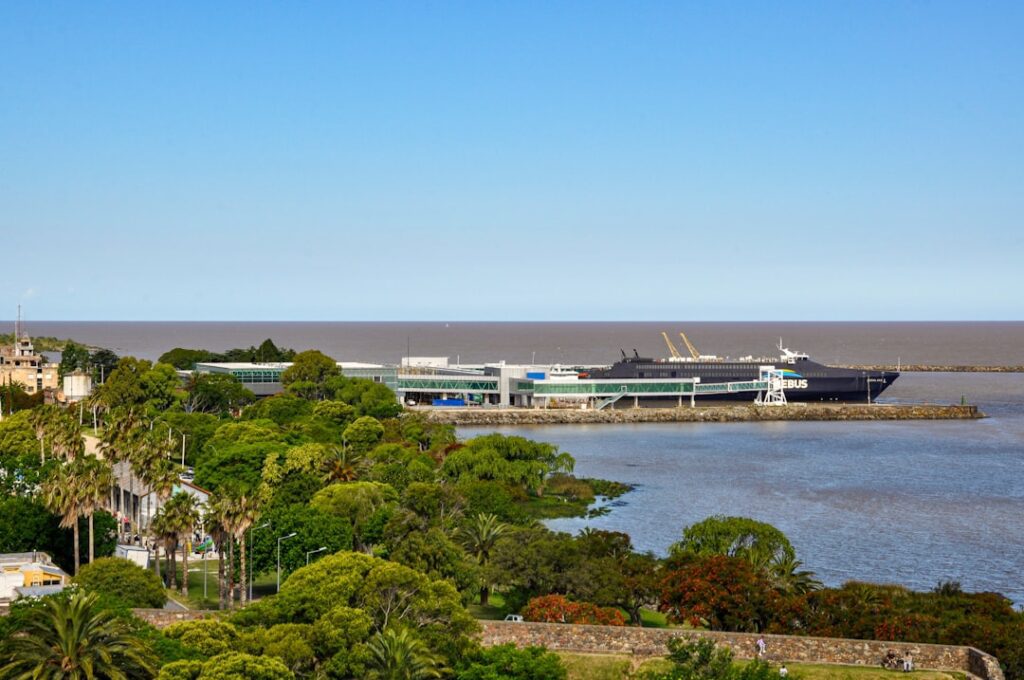
Colonia City, Uruguay’s Ultimate Cobblestones, Sunsets & Timeless Charm (2026)
While crowds flock to Buenos Aires for its frenetic energy, just a one-hour ferry ride across the Río de la Plata, Colonia del Sacramento offers a different pace entirely. Founded in 1680 by the Portuguese, this UNESCO World Heritage site feels frozen in a more graceful era. Here, you won’t find sprawling boulevards, but a historic quarter where 300-year-old cobblestone streets, lined with sycamores, lead to a lighthouse overlooking a river so wide it feels like the sea. This is where you come to slow down, sip a *medio y medio*, and watch the sky paint itself in colors you’ve never seen before.
Why Colonia City, Uruguay Stands Out

Lush green reeds line the waterfront with purple flowering trees., Colonia City, Uruguay
- Historic Architecture: The iconic 17th-century **Portón de Campo** (City Gate) and its wooden drawbridge mark the entrance to the Barrio Histórico, a living museum of Portuguese and Spanish colonial design.
- Cultural Scene: The annual **Patrimonio** festival in October transforms the historic quarter with open-air concerts, theater, and art installations, celebrating the city’s UNESCO status with vibrant local flair.
- Local Specialties: You must try **Chivito al Plato**, Uruguay’s legendary steak sandwich loaded with beef, mozzarella, ham, bacon, egg, and olives, best enjoyed at a traditional *parrilla*.
Pro Tip: For the perfect blend of good weather and no crowds, visit during the shoulder seasons of **March to May** or **September to November**. Arrive at the lighthouse for sunset, but stay for the hour after—most tourists leave immediately, leaving you with the serene, golden-lit streets almost entirely to yourself.
Map of Colonia City, Uruguay
Use these interactive maps to explore Colonia City, Uruguay and plan your route:
📍 View Colonia City, Uruguay on OpenStreetMap
🗺️ Open Colonia City, Uruguay in Google Maps
Planning Your Trip: Practical Essentials
Getting There and Around
- By Air: The nearest major airport is **Carrasco International (MVD)** in Montevideo, 180km away. From there, take a 2.5-hour bus (COPSA company, ~$15 USD) or a private transfer. Book flights at Skyscanner for best deals.
- By Ferry: This is the classic approach from Buenos Aires. Companies like **Buquebus** and **Colonia Express** offer fast (1 hr) and slow (3 hr) services, with prices ranging from $40-$80 USD one-way. Book directly on their websites for the best fares.
- By Car: Driving from Montevideo takes about 2.5 hours via Route 1. In Colonia, parking is relatively easy outside the historic quarter. Compare car rentals at RentalCars.com.
- Local Transport: The **Barrio Histórico** is best explored on foot. For the wider city and beaches, local buses are efficient and cost about $0.80 USD per ride. Taxis are affordable for longer distances within the city.
Best Time to Visit
Colonia enjoys a temperate climate, but the experience varies dramatically by season. Summer brings vibrant energy and heat, while winter offers quiet introspection. Savvy travelers often target the shoulder seasons for the ideal balance.
| Season | Weather | Highlights |
|---|---|---|
| Summer (Dec–Feb) | Warm to hot, 75°F–85°F (24°C–30°C), occasional rain | Vibrant street life, open-air dining, beach days at Playa Ferrando; highest crowds and prices. |
| Winter (Jun–Aug) | Cool, 45°F–60°F (7°C–16°C), crisp and sunny days | Peaceful, misty mornings in the historic quarter, cozy *parrilla* visits, very few tourists. |
| Shoulder (Mar–May & Sep–Nov) | Mild, 60°F–75°F (16°C–24°C), pleasant and stable | Perfect walking weather, blooming jacarandas in autumn, spring festivals, optimal for photography. |
Budgeting for Colonia City, Uruguay
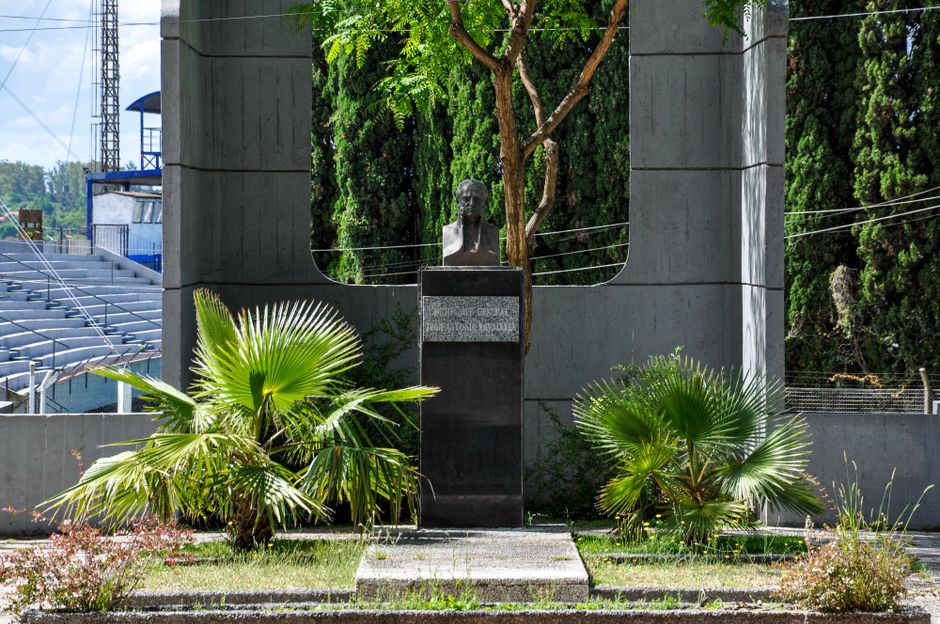
Bust of a historical figure surrounded by vibrant greenery in Colonia del S…, Colonia City, Uruguay
| Category | Budget | Mid-range | Luxury |
|---|---|---|---|
| Accommodation | $40-60 USD (hostel, guesthouse) | $80-150 USD (boutique hotel, B&B) | $200+ USD (5-star hotel, luxury estancia) |
| Meals | $15-25 USD (street food, mercado) | $30-50 USD (restaurant meals with wine) | $80+ USD (fine dining tasting menus) |
| Transport | $5 USD (local buses/walking) | $20-30 USD (day bike rental, taxis) | $100+ USD (private driver for day) |
| Activities | $0-20 USD (free walking, lighthouse) | $30-50 USD (museum passes, guided tour) | $100+ USD (private boat tour, wine tasting) |
| Daily Total | $60-110 USD | $130-250 USD | $400+ USD |
Top Attractions and Must-See Sights
| Attraction | Description | Hours | Entry Fee |
|---|---|---|---|
| Barrio Histórico (Historic Quarter) | The UNESCO-listed heart of Colonia, a maze of cobbled streets, pastel houses, and historic ruins telling a 300-year story. | Always open | Free (some museums charge) |
| Faro (Lighthouse) | Built in 1857 from the ruins of the Convent of San Francisco, climb its spiral staircase for panoramic views of the river and city. | 11:00 AM – Sunset | $1.50 USD |
| Calle de los Suspiros (Street of Sighs) | The most photographed street, its uneven cobblestones and rustic houses evoke tales of pirates, sailors, and clandestine romance. | Always open | Free |
| Portuguese Museum | Housed in an 18th-century building, it showcases the Portuguese colonial period with maps, uniforms, and domestic artifacts. | 11:15 AM – 4:45 PM | $3 USD (or included in museum pass) |
3-Day Itinerary: Colonia City, Uruguay’s Highlights & Hidden Gems
Day 1: Immersion in the Historic Heart
- Morning (7-9 AM): Beat the day-trippers with an early walk through the **Barrio Histórico**. Start at the **Portón de Campo**, then wander the empty **Calle de los Suspiros**. Your best bet for coffee is **Pastelería Suspiros** for a *café con leche* and fresh *medialunas* (croissants).
- Afternoon (12-3 PM): Visit the **Lighthouse** ($1.50 USD) for midday views. For lunch, head to **El Drugstore** on Plaza Mayor for their famous **Chivito** and a *medio y medio* (half sparkling wine, half white wine) on their colorful, eclectic patio.
- Evening (6-8 PM): Explore the **Rambla** riverfront for a stroll. Then, enjoy dinner at **Charco Bistro**, a local favorite tucked away on a side street, known for its innovative Uruguayan cuisine and intimate setting.
Day 2: Museums, Views & Local Life
- Morning (9 AM): Purchase the **Museum Pass** ($5 USD) for access to 8 museums. Focus on the **Portuguese Museum**, **Municipal Museum**, and the evocative **Casa Nacarello**. The pass is a tremendous value.
- Afternoon (1 PM): Have lunch at **La Bodeguita**, a rustic spot famous for its pasta and rustic charm. Afterwards, rent a bike (from **Brisas** for ~$10 USD/day) and cycle along the **Rambla** to the **Real de San Carlos**, an early 20th-century bullring and casino complex.
- Evening (7 PM): Return for sunset at the **Plaza de Armas**. Then, dine at **Mesón de la Plaza**, enjoying *parrilla* under the stars in one of the city’s most atmospheric squares.
Day 3: Estancias, Beaches & Farewells
- Morning (10 AM): Take a taxi (approx. $15 USD) to a nearby **estancia** (ranch) like **El Galope** for a taste of gaucho culture, horseback riding, and a traditional *asado* (barbecue) lunch (book in advance).
- Afternoon (3 PM): Head back and relax at **Playa Ferrando**, the local sandy beach. Alternatively, visit the **Handicraft Market** near the port for last-minute souvenirs like leather goods and *mate* gourds.
- Evening (6 PM): For your final meal, savor the river view from **Bernard**, the restaurant at the **Charco Hotel**. Their tasting menu is a culinary highlight. End your night with a quiet walk along the illuminated city walls.
Cultural Insights & Etiquette
- Language: Spanish is the official language. While many in tourism speak some English, learning a few phrases like *”Hola”* (Hello), *”Gracias”* (Thank you), and *”¿Cuánto cuesta?”* (How much?) is appreciated.
- Customs: Life moves slowly here. Meal times are late (lunch at 1-3 PM, dinner after 8:30 PM). The **mate** ritual is sacred; never touch someone else’s *mate* gourd or straw unless offered.
- Tipping: A 10% tip is customary in restaurants if service isn’t included. For taxis, rounding up the fare is sufficient. Tour guides appreciate a few dollars per person.
- Dress Code: Casual and comfortable is key for daytime. For nicer dinners, “smart casual” is appropriate. Always bring layers, as the river breeze can be cool even in summer.
- Business Hours: Shops often close for a long siesta from about 1 PM to 4 PM. Most museums are closed on Mondays or Tuesdays. Many businesses also close on Sunday afternoons.
Where to Eat: Colonia City, Uruguay’s Best Bites
Uruguayan cuisine is a carnivore’s paradise centered on the *parrilla* (grill), but Colonia also offers fantastic river fish, pasta, and sweet treats. Dining is a social, leisurely affair here.
Must-Try Local Specialties
- Chivito: The national sandwich: filet mignon, mozzarella, tomatoes, mayo, olives, bacon, and a fried egg. Try the classic version at **El Drugstore** or **Pulpería de los Faroles**.
- Asado: A mixed grill of beef ribs, sausages, and sweetbreads cooked over wood embers. **Mesón de la Plaza** offers an authentic, no-frills *parrilla* experience.
- Medio y Medio: A refreshing, slightly sweet local drink that’s half sparkling wine, half white wine. Perfect for a sunny afternoon at any sidewalk cafe.
Restaurant Recommendations by Budget
| Type | Restaurant | Specialty | Price Range |
|---|---|---|---|
| Budget | **La Bodeguita** (Calle del Comercio) | Hearty homemade pasta and rustic atmosphere | $10-20 USD |
| Mid-range | **Charco Bistro** (Calle del Fuerte) | Modern Uruguayan dishes with creative flair | $25-40 USD |
| Fine dining | **Bernard** (Charco Hotel, Rambla de las Américas) | Seasonal tasting menus with stunning river views | $60+ USD |
Where to Stay
Accommodation ranges from charming colonial guesthouses in the Barrio Histórico to modern hotels on the Rambla. Staying within the old town means you’re steps from everything, but can be quieter at night. Compare prices and book at Booking.com or Airbnb for apartments.
Best Neighborhoods for Accommodation
- Barrio Histórico: The most atmospheric choice. You’ll stay in restored 18th-century houses with patios. Perfect for romantics and history lovers, though parking can be tricky.
- Centro (City Center): Just outside the old walls, this area offers more modern amenities, a wider selection of shops and restaurants, and is still very walkable.
- Along the Rambla: Offers beautiful river views, newer hotel constructions, and easy access to beaches. Ideal for travelers who prefer modern comforts and don’t mind a 10-15 minute walk to the historic core.

Two historic church towers rise above lush greenery in Colonia del Sacramento, Colonia City, Uruguay
FAQs: Your Colonia City, Uruguay Questions Answered
1. Is Colonia City, Uruguay safe at night?
Colonia is considered one of the safest cities in Uruguay. The historic quarter is well-lit and patrolled. Standard precautions apply—be aware of your surroundings in very quiet areas late at night—but violent crime is extremely rare. The main concern for travelers is typically uneven cobblestones, so watch your step!
2. What currency is used and are credit cards accepted?
The Uruguayan Peso (UYU) is the local currency. As of late 2023, $1 USD ≈ 38 UYU. Credit cards (Visa, Mastercard) are widely accepted in hotels, restaurants, and larger shops. However, smaller cafes, markets, and taxi drivers often prefer cash. Your best bet is to carry a mix of pesos and cards.
3. How do I get from the ferry terminal to the city center?
The **Buquebus** and **Colonia Express** terminals are both a short, flat 10-15 minute walk from the Barrio Histórico. Taxis are readily available for a quick ride (approx. $5 USD). If you have heavy luggage, some hotels offer pickup services if arranged in advance. Book airport transfers at GetYourGuide for convenience.
4. Do I need to speak the local language?
While not essential, knowing basic Spanish greatly enhances your experience. In tourist areas, you’ll find English menus and some English-speaking staff. Locals are patient and appreciate any effort. Key phrases to know: *”La cuenta, por favor”* (The bill, please) and *”¿Dónde está…?”*
Related Guides
Explore more destinations similar to Colonia City:
- Guéckédou, Guinea: Essential Crossroads Culture, Forest Treks & Resilient Spirit (2026)
- Florence, Italy’s Best Renaissance Art, Tuscan Cuisine & Architectural Marvels (2025)
- Mazunte, Mexico’s Best Turtles, Temazcal & Bohemian Bliss (2026)
- Pyay, Myanmar’s Best Ancient Kingdoms, Golden Pagodas & Riverside Charm (2025)
{“@context”: “https://schema.org”, “@type”: “FAQPage”, “mainEntity”: [{“@type”: “Question”, “name”: “What is the best time to visit Colonia City?”, “acceptedAnswer”: {“@type”: “Answer”, “text”: “The best time to visit Colonia City depends on your preferences. Generally, the dry season offers the most pleasant weather for sightseeing and outdoor activities.”}}, {“@type”: “Question”, “name”: “How many days do I need in Colonia City?”, “acceptedAnswer”: {“@type”: “Answer”, “text”: “Most travelers spend 3-5 days in Colonia City to see the main attractions. A week allows for a more relaxed pace and day trips.”}}, {“@type”: “Question”, “name”: “Is Colonia City expensive to visit?”, “acceptedAnswer”: {“@type”: “Answer”, “text”: “Colonia City can be visited on various budgets. Accommodation ranges from hostels to luxury hotels, and local restaurants offer affordable dining.”}}]}

